

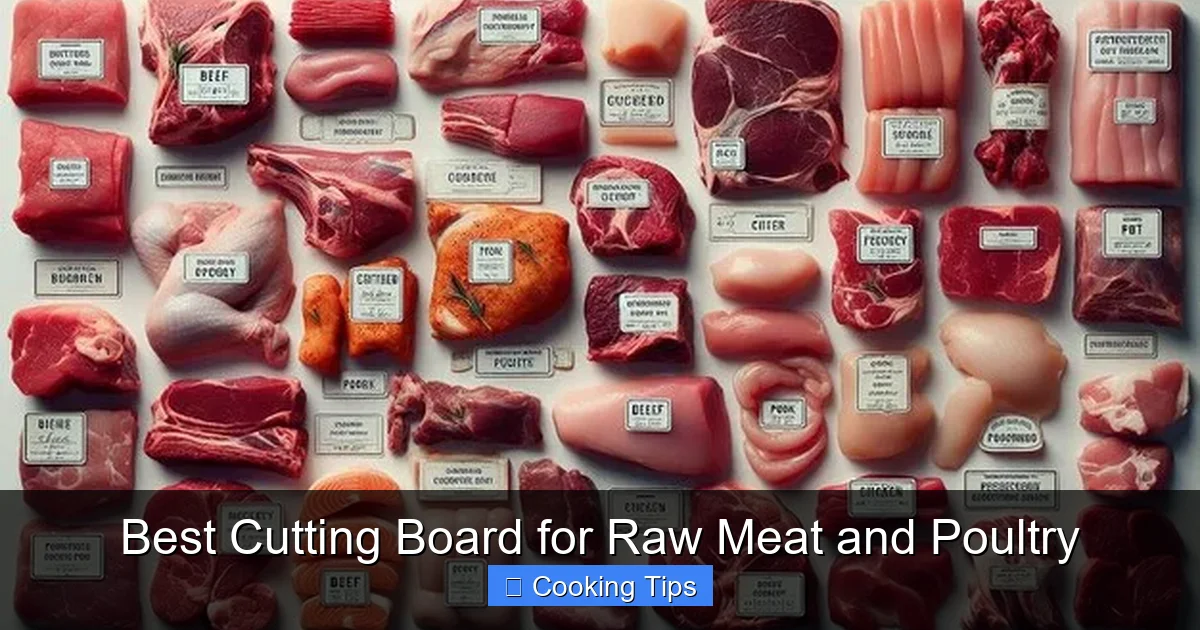
Choosing the right cutting board for raw meat and poultry is crucial for food safety and preventing cross-contamination. This guide explores the best materials like plastic, bamboo, and wood, detailing their pros and cons. Learn how to select a board that’s easy to clean and sanitize, and understand the importance of dedicated boards for raw proteins. Proper maintenance will ensure your cutting board remains a safe and effective tool in your kitchen.
Best Cutting Board for Raw Meat and Poultry
When it comes to preparing raw meat and poultry in your kitchen, the tools you use are incredibly important. Not only do they need to be functional for chopping and slicing, but they also play a vital role in preventing the spread of harmful bacteria and ensuring food safety. One of the most critical tools in this process is your cutting board. But with so many options available, what’s the best cutting board for raw meat and poultry?
This comprehensive guide will walk you through everything you need to know. We’ll dive into the different materials, their pros and cons, how to choose the right one for your needs, and how to keep it clean and safe. By the end, you’ll be well-equipped to make an informed decision that will enhance both your cooking experience and your kitchen’s hygiene.
Key Takeaways
- Material Matters for Safety: Plastic and bamboo cutting boards are generally recommended for raw meat and poultry due to their non-porous nature, making them easier to sanitize thoroughly than wood.
- Dedicated Boards are Essential: Use separate cutting boards for raw meat and poultry to prevent the transfer of harmful bacteria to ready-to-eat foods like vegetables and fruits.
- Ease of Cleaning is Paramount: A good cutting board for raw meats should be dishwasher-safe or easy to scrub and sanitize effectively by hand to eliminate bacteria.
- Board Size and Stability: Opt for a cutting board that is large enough to comfortably handle your ingredients without overcrowding and has non-slip feet or a damp cloth underneath for stability.
- Regular Inspection and Replacement: Frequently check your cutting board for deep scratches, grooves, or warping, as these can harbor bacteria and necessitate replacement.
- Proper Sanitization Techniques: Always wash cutting boards immediately after use with hot, soapy water and sanitize them with a bleach solution or a specialized sanitizer to kill any remaining pathogens.
Understanding the Risks: Why a Dedicated Board is Crucial
Before we get into the specifics of materials, it’s essential to understand why choosing the right cutting board for raw meat and poultry is so important. Raw meats and poultry can harbor bacteria like Salmonella, E. coli, and Listeria. If these bacteria are not properly handled, they can easily spread to other foods, utensils, and surfaces through cross-contamination.
Using a separate cutting board specifically for raw meat and poultry is a fundamental food safety practice. This dedicated board should never be used for preparing fruits, vegetables, cooked foods, or any other items that won’t be cooked further to kill potential pathogens. This simple step significantly reduces the risk of foodborne illnesses.
Choosing the Right Material: The Pros and Cons
The material of your cutting board is the most significant factor when it comes to hygiene and durability, especially for raw meat and poultry. Let’s break down the most common options:
Plastic Cutting Boards
Plastic cutting boards, often made from polyethylene or polypropylene, are a popular choice for many home cooks, and for good reason, especially when dealing with raw meat.
Pros of Plastic Cutting Boards:
- Non-Porous: High-quality plastic is generally non-porous, meaning it doesn’t absorb liquids or juices from raw meat. This makes it harder for bacteria to penetrate the surface.
- Dishwasher Safe: Many plastic cutting boards are dishwasher safe. The high heat of a dishwasher is excellent for killing bacteria and thoroughly sanitizing the board.
- Easy to Clean: Even if not dishwasher safe, plastic boards are relatively easy to scrub clean with hot, soapy water.
- Lightweight: They are typically lighter than wood or stone boards, making them easier to handle and store.
- Affordable: Plastic cutting boards are usually the most budget-friendly option.
Cons of Plastic Cutting Boards:
- Can Scratch Easily: Cheaper plastic boards can develop deep knife marks and scratches relatively quickly. These grooves can become breeding grounds for bacteria if not cleaned thoroughly.
- Can Warp or Melt: Some lower-quality plastics can warp or even melt if exposed to excessive heat, such as being placed too close to a hot stovetop or in a very hot dishwasher cycle.
- Environmental Impact: Plastic production has an environmental footprint, and plastic boards can eventually end up in landfills.
Best Use for Raw Meat and Poultry:
Plastic boards are an excellent choice for raw meat and poultry because their non-porous nature and dishwasher-safe properties make them ideal for rigorous cleaning and sanitization. When selecting a plastic board, look for thicker, high-density polyethylene (HDPE) options that are more resistant to scratching and warping.
Wood Cutting Boards
Wood has been a staple in kitchens for centuries, and for good reason. However, when it comes to raw meat and poultry, wood requires more careful consideration.
Pros of Wood Cutting Boards:
- Gentle on Knives: Wood is generally softer than many synthetic materials, which means it’s kinder to your knife edges, helping them stay sharper for longer.
- Aesthetically Pleasing: Many people find wood cutting boards to be beautiful and a stylish addition to their kitchen.
- Naturally Antibacterial Properties (Specific Woods): Some types of wood, like maple and walnut, have natural antimicrobial properties that can help inhibit bacterial growth to a degree.
- Durable: High-quality hardwood cutting boards can last for many years if properly maintained.
Cons of Wood Cutting Boards:
- Porous: This is the biggest concern for raw meat. Wood is porous, meaning it can absorb juices, liquids, and bacteria from raw meat.
- Difficult to Sanitize Thoroughly: Because of their porosity, wood cutting boards are harder to sanitize completely compared to plastic. While they can be washed, the deep-seated bacteria are more challenging to eliminate.
- Require More Maintenance: Wood needs regular oiling and conditioning to prevent drying out, cracking, and warping.
- Not Typically Dishwasher Safe: Putting wood cutting boards in the dishwasher will almost certainly lead to cracking, warping, and irreparable damage.
Best Use for Raw Meat and Poultry:
While wood is beautiful and functional for many kitchen tasks, it’s generally **not the top recommendation for raw meat and poultry preparation**. If you do choose to use a wooden board for raw meats, it’s absolutely critical to have a separate, dedicated board for other uses, and to be extremely diligent with cleaning and sanitization. Some experts suggest using thicker, end-grain wood boards which are less prone to deep gouges, but even these require meticulous care.
Bamboo Cutting Boards
Bamboo has gained popularity as a sustainable and attractive alternative to traditional wood. It falls somewhere between plastic and wood in terms of its suitability for raw meat.
Pros of Bamboo Cutting Boards:
- Sustainable: Bamboo is a fast-growing, renewable resource, making it an eco-friendly choice.
- Durable: Bamboo is known for its hardness and durability, making it resistant to scratching and warping.
- Naturally Antibacterial (to an extent): Like some hardwoods, bamboo has some natural antibacterial properties.
- Aesthetically Pleasing: Bamboo boards offer a natural, warm look in the kitchen.
Cons of Bamboo Cutting Boards:
- Can be Porous: While denser than many woods, bamboo can still absorb liquids and bacteria if not properly sealed and maintained.
- Can Dull Knives: Bamboo is quite hard, which can dull your knife edges faster than softer woods or even some plastics.
- Less Effective Sanitization: Similar to wood, deep cleaning and effective sanitization can be more challenging than with plastic due to its absorption potential.
- Can Stain: Strong-colored juices from meat can stain bamboo over time.
Best Use for Raw Meat and Poultry:
Bamboo can be a decent option for raw meat and poultry, especially if you opt for a high-quality, well-sealed board. However, it still doesn’t offer the same level of guaranteed sanitization as a dishwasher-safe plastic board. If using bamboo, dedicate it to raw meats and ensure it is thoroughly cleaned and dried after each use.
Other Materials to Consider (and Why They Might Not Be Ideal for Raw Meat)
* Glass Cutting Boards: While very easy to wipe clean, glass boards are extremely hard on your knives, dulling them quickly. They can also be noisy and prone to chipping or breaking, and bacteria can accumulate in even tiny chips. Not ideal for raw meat.
* Stone/Marble Cutting Boards: These are heavy, beautiful, and porous. They are very difficult to sanitize effectively for raw meat and can be damaging to knives. Best reserved for tasks like pastry work.
Key Features to Look for in a Cutting Board for Raw Meat
Beyond the material, several other features make a cutting board excellent for handling raw proteins.
1. Non-Porous Surface
As emphasized before, a non-porous surface is paramount. This means the material itself doesn’t absorb liquids. While some woods and bamboos offer partial resistance, high-density plastic is the king of non-porosity.
2. Ease of Cleaning and Sanitization
This is non-negotiable. The board must be easy to wash thoroughly and, ideally, dishwasher safe. If it’s not dishwasher safe, it must be easily scrubbed with hot, soapy water and then effectively sanitized using a food-safe disinfectant.
3. Size and Stability
* Size: Choose a board that’s large enough to accommodate the raw meat or poultry you’re working with without overcrowding. You need space to maneuver your knife and ingredients safely. A board that’s too small can lead to juices spilling onto your counter.
* Stability: A stable cutting board is a safe cutting board. Look for boards with non-slip feet or place a damp paper towel or cloth underneath a board without feet to prevent it from sliding while you chop.
4. Durability and Resistance to Grooves
A good cutting board should be able to withstand repeated knife use without developing deep gouges. Deep scratches and grooves are difficult to clean and can harbor bacteria. Thicker, higher-density materials tend to be more durable.
How to Choose the Best Cutting Board for Your Kitchen
Given the above, the “best” cutting board for raw meat and poultry often leans towards specific types:
* For Maximum Safety & Ease: A thick, high-density, plastic cutting board that is explicitly labeled as dishwasher safe is often the top recommendation. Having multiple in different colors (one for meat, one for vegetables) is a best practice.
* For a Balance of Sustainability & Safety: A well-sealed, high-quality bamboo board can be a good option, but requires more diligent cleaning and a commitment to using it *only* for raw meats.
* If You Prefer Wood: If you are adamant about using a wood board for everything, then you absolutely MUST have a separate, dedicated, and easily sanitizable board (like plastic) solely for raw meat and poultry.
Step-by-Step Guide to Using Your Cutting Board Safely for Raw Meat
Here’s how to use your cutting board effectively and safely when handling raw meat and poultry:
Step 1: Preparation is Key
H3: Gather Your Supplies
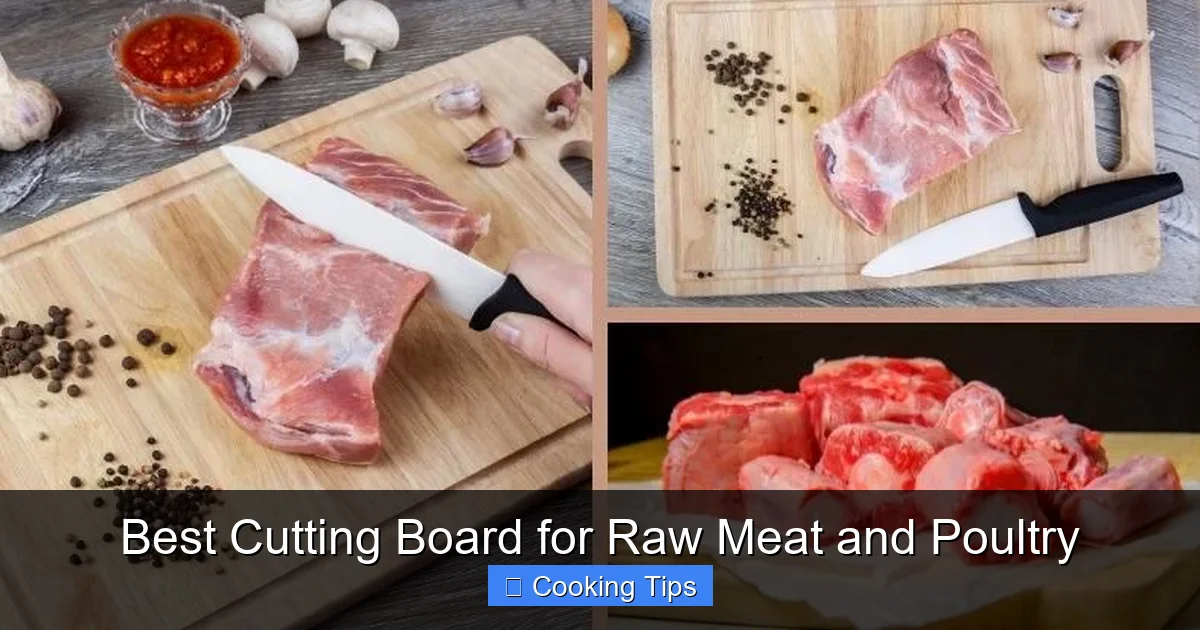
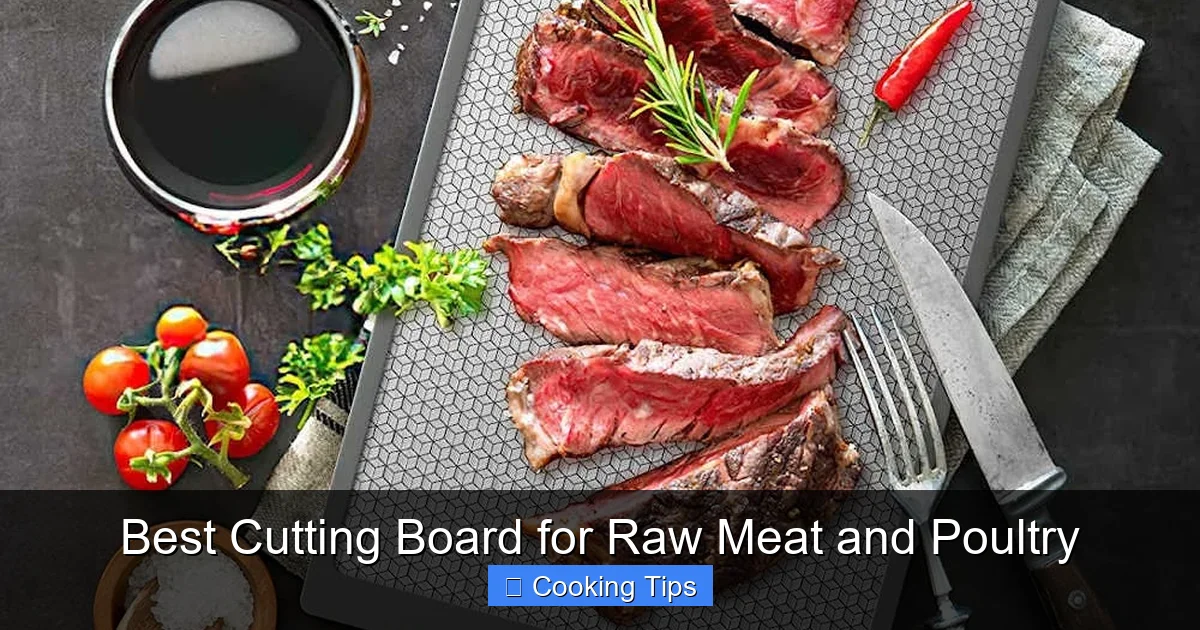
Before you start, ensure you have your dedicated raw meat cutting board, your knife, the raw meat or poultry, and a designated container or plate to place the cut meat onto.
Visual guide about Best Cutting Board for Raw Meat and Poultry
Image source: homeupward.com
Visual guide about Best Cutting Board for Raw Meat and Poultry
Image source: catchyfinds.com
Visual guide about Best Cutting Board for Raw Meat and Poultry
Image source: wongsking.com
H3: Set Up Your Workspace
Clear your counter space. If your board doesn’t have non-slip feet, place a damp paper towel or dishcloth underneath it to prevent it from sliding. Wash your hands thoroughly before you begin.
Step 2: Handling the Raw Meat/Poultry
H3: Use the Dedicated Board Only
Place the raw meat or poultry directly onto your designated raw meat cutting board. Never place it on a board that has been used for vegetables, bread, or any other ready-to-eat food.
H3: Cut Carefully
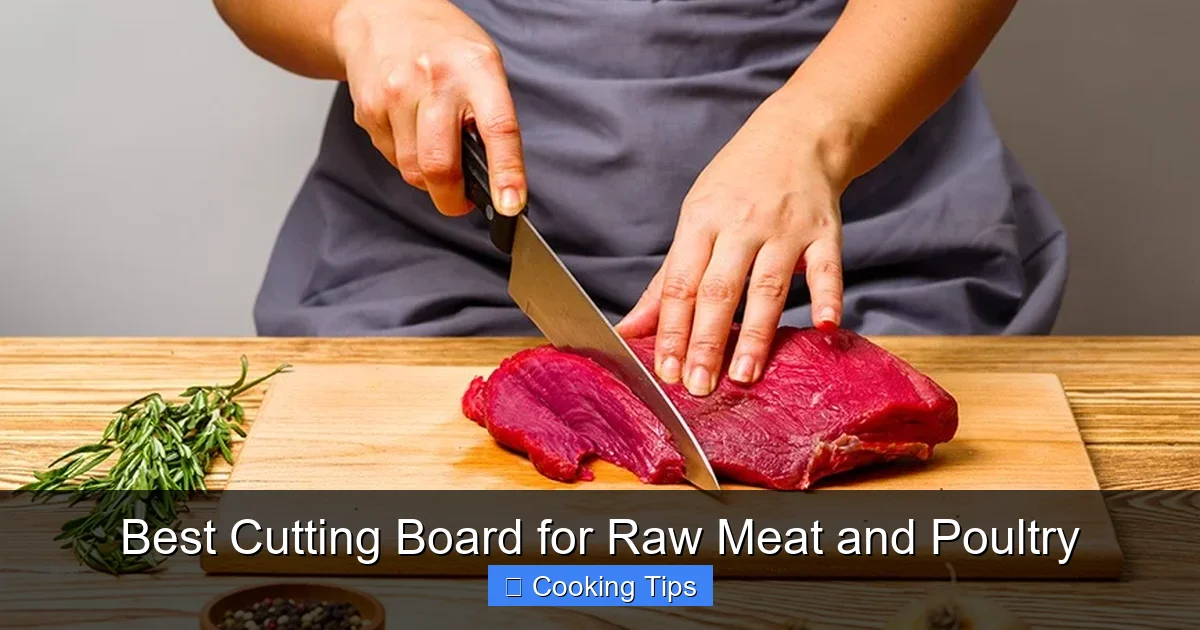
Chop, slice, or dice your meat as needed. Try to avoid excessive sawing motions that can create deeper grooves. Keep the meat contained on the board as much as possible.
Step 3: Cleaning Up Immediately
H3: Remove Meat Scraps
Once you’ve finished cutting, transfer the cut meat to its clean container or plate. Immediately scrape any meat scraps or juices from the cutting board into the trash or compost bin.
H3: Wash the Board Thoroughly
Wash the cutting board immediately with hot, soapy water. Use a stiff brush or sponge to scrub all surfaces, paying attention to any areas where juices may have accumulated. Rinse thoroughly under hot running water.
Step 4: Sanitizing Your Cutting Board
H3: For Dishwasher-Safe Boards
Place the board in your dishwasher, preferably on the top rack, and run it through a hot wash and dry cycle. This is the most effective way to sanitize plastic boards.
H3: For Non-Dishwasher-Safe Boards (including plastic that isn’t safe, wood, or bamboo)
- Bleach Solution: Mix 1 tablespoon of unscented liquid chlorine bleach with 1 gallon of water.
- Apply Sanitizer: After washing and rinsing, generously apply the bleach solution to all surfaces of the cutting board. Let it sit for at least 5 minutes.
- Rinse Thoroughly: Rinse the board thoroughly with clean water.
- Air Dry: Allow the cutting board to air dry completely in a well-ventilated area. You can prop it up against a wall or a utensil holder.
Alternative Sanitizers: You can also use a food-grade sanitizer specifically designed for cutting boards, following the manufacturer’s instructions.
Step 5: Drying and Storage
H3: Ensure Complete Dryness
It’s crucial that the cutting board is completely dry before storing it. Moisture can encourage the growth of mold and bacteria. Air drying is the best method.
H3: Store Properly
Store your cutting board upright on its side or in a drying rack. Avoid laying it flat in a cabinet where air cannot circulate, as this can trap moisture.
Troubleshooting Common Cutting Board Issues
* Deep Scratches and Grooves: If your plastic or bamboo board develops deep scratches, it’s a sign that it needs to be replaced. These grooves are impossible to sanitize completely. For wooden boards, minor scratches can sometimes be sanded out if you have woodworking skills, but deep ones still warrant replacement.
* Warping: Warping often occurs due to uneven drying or excessive heat. If a board warps significantly, it can become unstable and difficult to clean properly. It’s best to replace it.
* Stubborn Stains: For plastic or bamboo, try a paste of baking soda and water to gently scrub out stains. For wood, some stains might be permanent.
When to Replace Your Cutting Board
Don’t get too attached to your cutting boards! They are tools, and like all tools, they have a lifespan. You should replace your cutting board for raw meat and poultry if:
* It has deep cuts, gouges, or grooves that a sponge and brush cannot clean out.
* It has developed cracks or warping.
* It has a persistent odor that doesn’t go away after thorough cleaning and sanitizing.
* It shows signs of mold or mildew.
* Your plastic board is significantly stained or discolored.
Regularly inspecting your cutting board will help you identify when it’s time for a replacement, ensuring you maintain the highest food safety standards in your kitchen.
Conclusion
Choosing the best cutting board for raw meat and poultry is a critical step in practicing safe food preparation. While aesthetic preferences may lean towards wood or bamboo, for unparalleled safety and ease of cleaning when dealing with raw proteins, a high-density plastic cutting board that is dishwasher safe is the most recommended option. Remember the golden rule: always use a separate board for raw meat and poultry to prevent cross-contamination. By investing in the right board and maintaining it diligently, you’ll protect yourself and your loved ones from foodborne illnesses and make your kitchen a safer place to cook. Happy (and safe) cooking!
