

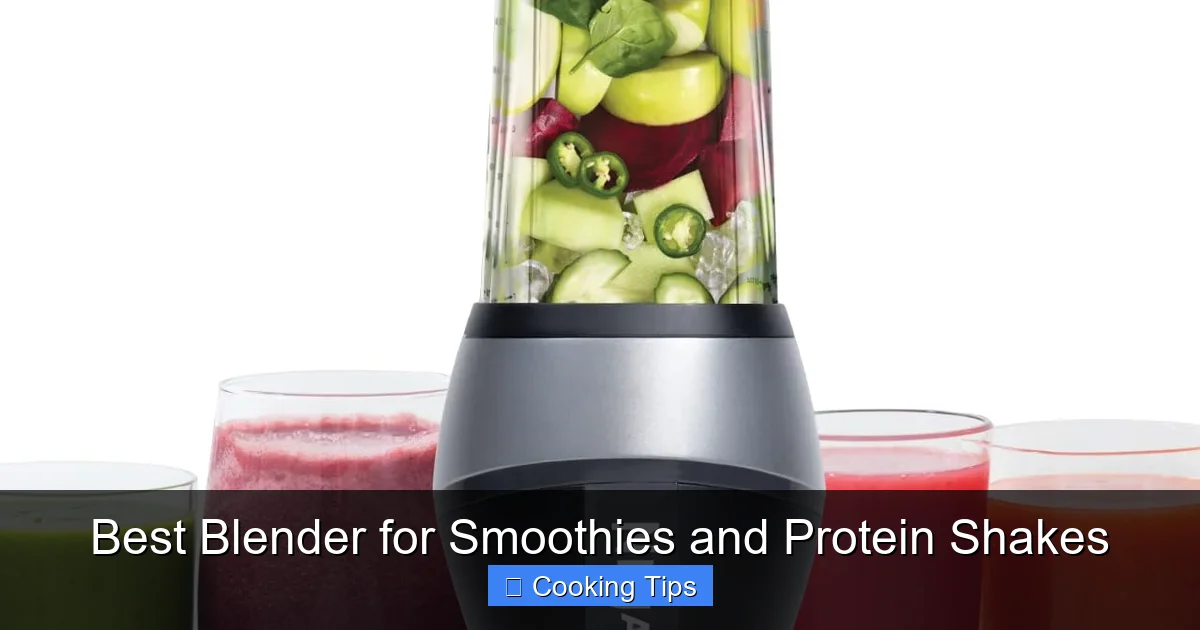
Choosing the best blender for smoothies and protein shakes can transform your daily nutrition. This comprehensive guide breaks down the essential features to look for, from motor power and blade design to jar material and ease of cleaning. We’ll help you navigate the different blender types and recommend options that deliver consistently smooth, delicious results every time, ensuring you get the most out of your blended beverages.
Best Blender for Smoothies and Protein Shakes: Your Ultimate Guide
Are you tired of lumpy protein shakes and gritty smoothies? Do you dream of perfectly blended, silky-smooth concoctions that are a joy to drink? The secret to achieving smoothie and protein shake perfection often lies in the blender you use. With so many options on the market, it can be overwhelming to pick the right one. This guide is here to demystify the process and help you find the best blender for smoothies and protein shakes that suits your needs, budget, and lifestyle.
We’ll walk you through everything you need to know, from the nitty-gritty of motor power and blade design to the different types of blenders available. By the end of this guide, you’ll be equipped with the knowledge to make an informed decision and start enjoying consistently delicious and perfectly blended beverages.
Key Takeaways
- Motor Power is Crucial: For smooth blending, especially with ice and frozen fruits, look for blenders with at least 600 watts of power.
- Blade Design Matters: High-quality, sharp blades made of stainless steel are essential for effectively pulverizing ingredients and preventing chunks.
- Jar Material Affects Durability and Use: Glass jars are durable and don’t retain odors but are heavier. BPA-free plastic is lighter and more affordable, while stainless steel offers superior durability and opacity.
- Consider Blender Type for Your Needs: Personal blenders are great for single servings, while full-sized blenders are better for larger batches and more demanding tasks. Immersion blenders offer portability and convenience for quick blends.
- Ease of Cleaning is Key to Regular Use: Look for blenders with dishwasher-safe parts or simple designs that are easy to rinse and wipe down.
- Budget and Features: Determine your budget and prioritize features like pre-set programs, variable speed control, and noise levels to find the best fit.
Understanding the Core Components of a Great Blender
Before diving into specific blender types, let’s understand what makes a blender excel at creating smooth smoothies and protein shakes. These are the fundamental features that differentiate a good blender from a great one:
Motor Power: The Engine of Smoothness
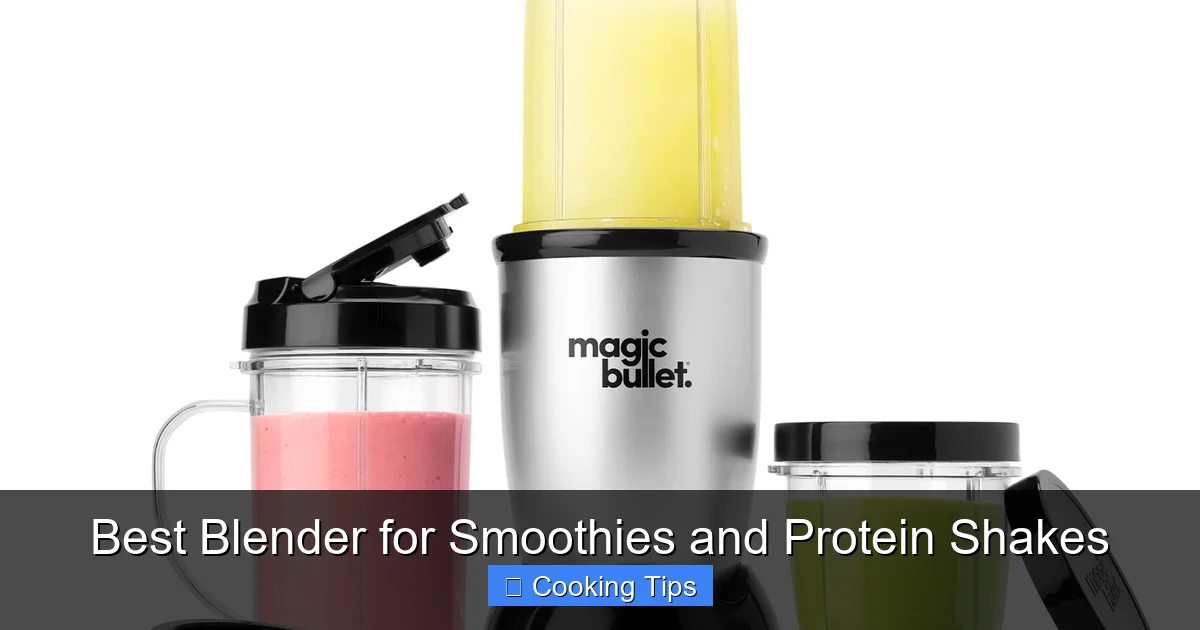
The wattage of a blender’s motor is perhaps the most critical factor for smoothie and protein shake enthusiasts. A higher wattage generally means more power, which translates to a smoother blend.
Visual guide about Best Blender for Smoothies and Protein Shakes
Image source: m.media-amazon.com
Why Motor Power Matters
- Crushing Ice: If you love frozen fruit or enjoy adding ice to your shakes, a powerful motor is essential to crush these ingredients effectively without bogging down.
- Pulverizing Tough Ingredients: Ingredients like kale, spinach, or even nuts and seeds require significant power to be broken down into a smooth consistency.
- Preventing Chunks: A weak motor will struggle, leaving you with an unappetizing mix of large pieces and liquid. A strong motor ensures everything is blended seamlessly.
What to Look For
For smoothies and protein shakes, aim for a blender with at least 600 watts of power. For those who frequently blend frozen items or tougher ingredients, 1000 watts or more is ideal. Many high-performance blenders go even higher, offering exceptional blending power.
Blade Design: The Sharp Edge of Perfection
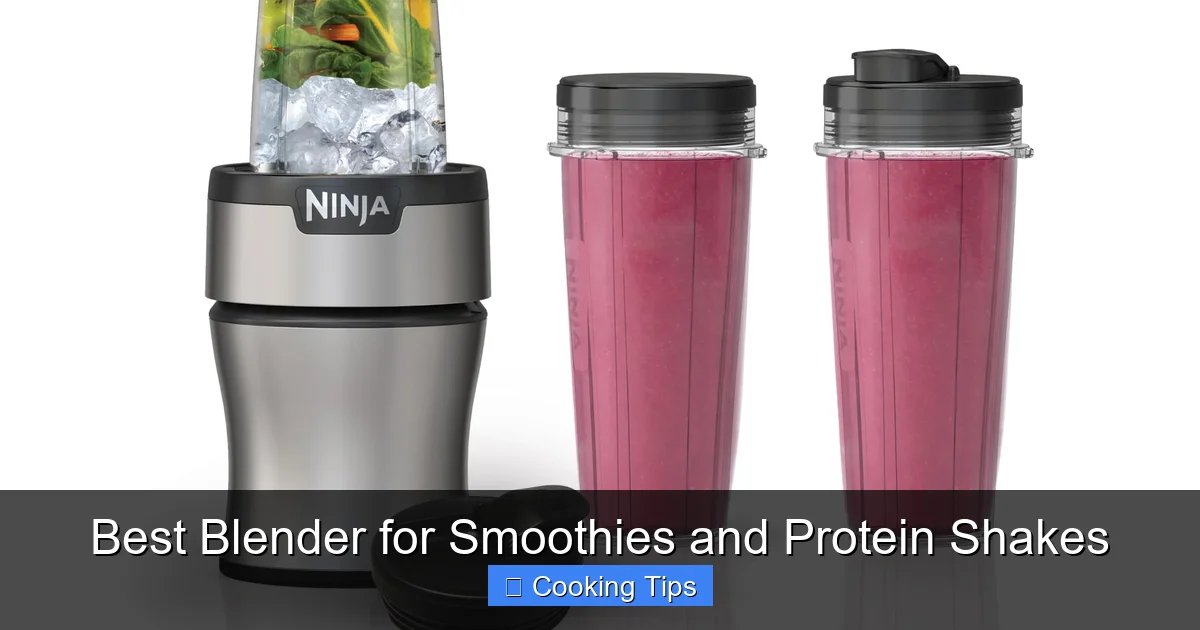
The blades are the workhorses of any blender. Their design, sharpness, and material play a crucial role in how effectively they process ingredients.
Visual guide about Best Blender for Smoothies and Protein Shakes
Image source: m.media-amazon.com
Key Blade Features
- Material: Stainless steel is the industry standard for blender blades. It’s durable, rust-resistant, and holds a sharp edge well.
- Sharpness and Angle: Sharp blades cut through ingredients more easily. The angle and configuration of the blades also influence how ingredients are pulled down into the blending vortex.
- Number of Blades: While not the only factor, more blades can sometimes contribute to a more efficient blend. However, design is more important than just quantity.
Look for blenders with robust, well-constructed stainless steel blades designed to create a powerful vortex. This vortex pulls ingredients from the top of the jar down towards the blades, ensuring even and thorough blending.
Jar Material: Durability, Weight, and Functionality
The material of your blender’s jar impacts its durability, weight, how it interacts with ingredients, and even its aesthetic.
Visual guide about Best Blender for Smoothies and Protein Shakes
Image source: modernclassics.info
Common Jar Materials
- BPA-Free Plastic: This is the most common and often the most affordable option. It’s lightweight and shatter-resistant. However, some plastics can scratch over time, potentially harboring odors or stains, especially from vibrant ingredients like berries.
- Glass: Glass jars are heavier but are non-porous, meaning they won’t absorb odors or flavors. They are also aesthetically pleasing and don’t scratch easily. The downside is their weight and fragility if dropped.
- Stainless Steel: Offering superior durability and opacity, stainless steel jars are excellent for maintaining cold temperatures and are resistant to staining. However, you can’t see the blending progress, which can be a drawback for some users.
For smoothie and protein shake making, BPA-free plastic is often sufficient, especially in personal blenders. If you prioritize longevity and are concerned about stains or odors, glass or stainless steel might be better choices.
Understanding Different Blender Types
The “best” blender for you also depends on how you intend to use it. Different types of blenders cater to various needs and convenience levels.
1. Personal Blenders (Single-Serve Blenders)
These are compact blenders designed for making individual portions. You typically blend directly in the cup, then detach the blade assembly and screw on a lid to take your drink on the go.
Pros:
- Portability: Perfect for busy mornings; blend and go.
- Easy to Clean: Fewer parts and smaller capacity often mean quicker cleanup.
- Space-Saving: Ideal for small kitchens.
- Affordable: Generally less expensive than full-sized blenders.
Cons:
- Limited Capacity: Only makes one serving at a time.
- Less Power: May struggle with very hard ingredients or large volumes of ice.
- Durability: Can be less robust than larger models.
Best for: Individuals who primarily make one smoothie or protein shake at a time and value speed and convenience.
2. Full-Sized Blenders
These are the traditional blenders with a larger pitcher, designed for making multiple servings or handling larger tasks. They offer more power and versatility.
Pros:
- Higher Power: Better equipped to handle ice, frozen fruits, and tough ingredients.
- Larger Capacity: Great for families or when making multiple drinks.
- Versatility: Can often handle tasks beyond just smoothies, like making soups, sauces, or nut butters.
- Durability: Generally built to last longer.
Cons:
- Takes Up More Space: Larger footprint on the countertop.
- More to Clean: The pitcher and blade assembly can be more cumbersome to wash.
- More Expensive: Typically come with a higher price tag.
Best for: Households, those who entertain, or anyone who wants a powerful and versatile blending machine for various culinary needs.
3. Immersion Blenders (Hand Blenders)
These handheld devices have a motor unit at the top and a blending shaft with blades at the bottom. You immerse the blending end directly into your ingredients in a pot, bowl, or cup.
Pros:
- Ultimate Convenience: Blend directly in your container, minimizing dishes.
- Compact Storage: Easy to store in a drawer.
- Versatile: Useful for soups, purees, sauces, and dressings.
- Affordable: Often the least expensive option.
Cons:
- Limited Power: Generally not powerful enough for crushing ice or large amounts of frozen fruit.
- Can Be Messy: Splashing can occur if not used carefully.
- Not Ideal for Smoothies: While possible for thinner smoothies, they struggle to achieve the ultra-smooth texture of powered blenders.
Best for: Those who prioritize convenience for quick tasks like pureeing soups or making small batches of dressings, rather than primary smoothie making.
Essential Features for Smoothie & Protein Shake Excellence
Beyond the core components, several other features can elevate your blending experience.
1. Speed Control and Presets
Variable Speed Control: This allows you to fine-tune the blending process. Starting on a lower speed for softer ingredients and gradually increasing it for tougher items helps create a smoother texture and prevents splattering.
Pre-set Programs: Many blenders come with one-touch programs for specific tasks like “smoothie,” “ice crush,” or “puree.” These can be incredibly convenient, taking the guesswork out of blending.
2. Pulse Function
The pulse function gives you short bursts of maximum power. This is excellent for breaking down larger chunks before initiating a full blend or for achieving a coarser texture if desired.
3. Lid Design and Sealing
A secure lid is paramount to prevent messy accidents. Look for lids that seal tightly, especially if you plan to use the blender on higher settings or blend hot liquids (though caution is advised with hot liquids in most blenders).
4. Ease of Cleaning
This is a huge factor for making a blender a regular part of your routine. Many blenders are designed with self-cleaning functions (add water and a drop of soap, then blend), and many parts are dishwasher-safe. Check the manufacturer’s instructions for the best cleaning method.
5. Noise Level
Powerful motors can be loud. If you live in an apartment or have sensitive family members, consider blenders with noise-dampening features or opt for a model known for quieter operation. However, be aware that very quiet blenders might sacrifice some power.
Choosing the Right Blender: A Step-by-Step Approach
Now that you understand the key components and features, let’s break down the process of choosing your perfect blender.
Step 1: Define Your Primary Use Case
Before looking at models, ask yourself:
- Will I be making mostly single servings or larger batches?
- How often will I be blending?
- What kind of ingredients will I be using most often (e.g., soft fruits, frozen fruits, ice, leafy greens, nuts)?
This will help you narrow down whether a personal, full-sized, or even an immersion blender is the best starting point.
Step 2: Set Your Budget
Blenders range from $30 for basic personal blenders to $600 or more for high-performance models. Determine how much you’re willing to spend. Remember that investing in a higher-quality blender often means better durability, performance, and longevity.
Step 3: Prioritize Key Features
Based on your primary use case and budget, decide which features are non-negotiable:
- Must-have: High wattage (e.g., 1000W+ for frequent frozen blends), durable blades, easy cleaning.
- Nice-to-have: Variable speed, pre-set programs, quiet operation, stylish design.
Step 4: Research and Compare Models
Once you have a clear idea of what you’re looking for, start researching specific models. Read reviews from reputable sources and, importantly, from other users who use blenders for similar purposes. Pay attention to comments about smoothie consistency, ease of use, and durability.
Step 5: Consider Brand Reputation and Warranty
Some brands are renowned for their quality and customer service. A good warranty can offer peace of mind, especially for more expensive blenders.
Top Blender Picks for Smoothies & Protein Shakes (Examples)
While specific models change, here are categories of blenders and features that consistently perform well:
- For the Budget-Conscious Solo Drinker: Look for personal blenders from trusted brands like NutriBullet or Ninja that offer around 600-900 watts. They often come with multiple cups and lids.
- For the Everyday Smoothie Lover (Mid-Range): Full-sized blenders from brands like Oster, Cuisinart, or the smaller Ninja models provide a good balance of power (around 900-1200 watts) and features for under $150.
- For the Performance Enthusiast (High-End): If budget is less of a concern and you demand the smoothest results, Vitamix and Blendtec are the gold standards. Their high-wattage motors (1300W+) and robust designs can handle anything you throw at them, ensuring unparalleled smoothness.
Always check the latest reviews and specifications for the most up-to-date recommendations.
Troubleshooting Common Blending Issues
Even with the best blender, you might encounter a few hiccups. Here’s how to solve them:
Issue: Lumpy or Gritty Texture
Solution: Ensure you have enough liquid in your blender. Add ingredients in the correct order (liquids first, then soft ingredients, then frozen items/ice). If your blender has variable speed, start low and gradually increase. For very tough ingredients, chop them into smaller pieces first.
Issue: Blender is Struggling or Not Blending
Solution: Check that the jar is properly seated and the lid is secure. If you’re blending a very thick mixture, add more liquid. For blenders with removable blade assemblies, ensure they are screwed in tightly. Unplug the blender before inspecting the blades.
Issue: Leaking
Solution: Make sure the jar lid is sealed tightly. If your blender has a removable blade assembly at the bottom, ensure the gasket is intact and the assembly is screwed on securely. Overfilling the jar can also cause leaks.
Conclusion
Finding the best blender for smoothies and protein shakes is an investment in your health and enjoyment. By understanding the importance of motor power, blade design, jar material, and considering your personal needs and budget, you can confidently select a blender that will deliver consistently smooth, delicious results. Whether you opt for a convenient personal blender for quick on-the-go drinks or a powerful full-sized model for versatile blending, the right appliance will make your daily nutrition routine a pleasure.
Don’t let a subpar blender stand between you and perfectly blended beverages. With this guide, you’re well on your way to discovering the blender that will become your favorite kitchen companion. Happy blending!
