

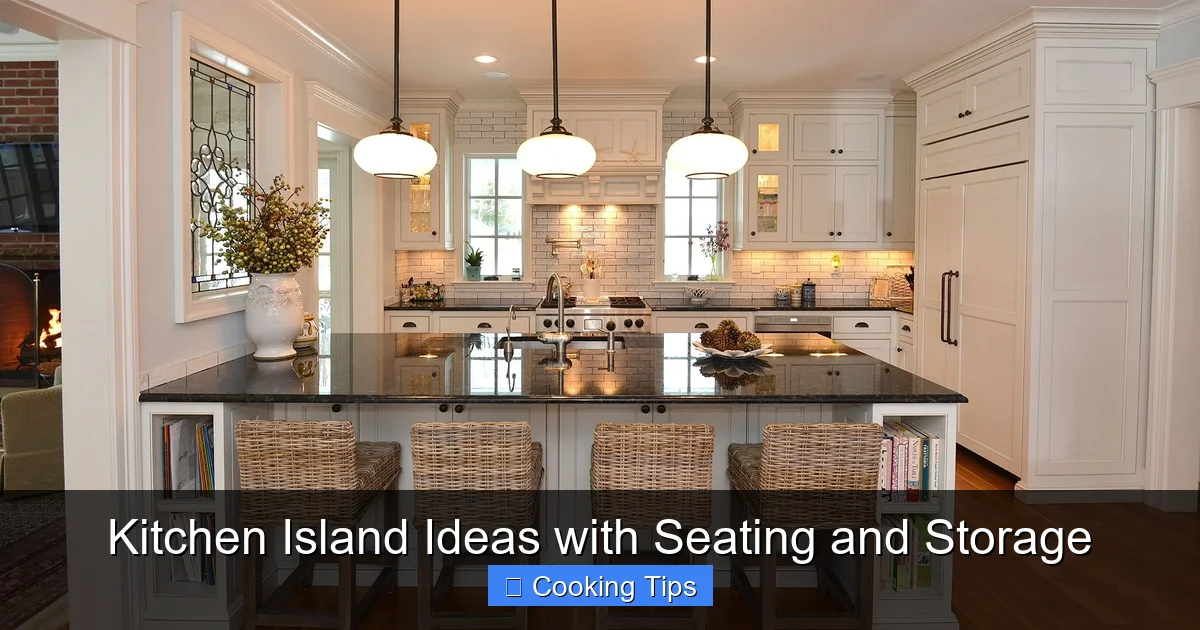
This comprehensive guide explores kitchen island ideas featuring both seating and ample storage. Learn how to maximize functionality and style in your kitchen by incorporating smart designs. We’ll cover everything from choosing the right size and shape to selecting the perfect materials and integrating essential storage solutions, helping you create a more efficient and beautiful kitchen space.
Key Takeaways
- Maximize Functionality: A well-designed kitchen island with seating and storage can become the heart of your home, offering a versatile space for cooking, dining, and socializing.
- Assess Your Space: Before diving into island ideas, accurately measure your kitchen to ensure your chosen island fits comfortably without hindering traffic flow.
- Integrate Smart Storage: Opt for islands with drawers, cabinets, open shelving, or even specialized compartments like wine racks and pull-out pantries to keep your kitchen organized.
- Comfortable Seating: Consider the type of seating – bar stools, counter stools, or banquettes – and ensure adequate legroom and proper height for a comfortable dining experience.
- Material Matters: Choose durable and aesthetically pleasing materials for your countertop and island base that complement your existing kitchen decor and suit your lifestyle.
- Lighting is Key: Proper lighting above your island is crucial for both task illumination and creating ambiance, enhancing both its functionality and visual appeal.
Kitchen Island Ideas with Seating and Storage
The kitchen island has evolved from a mere workspace to a central hub in modern homes. When you combine this with integrated seating and clever storage solutions, you unlock a new level of functionality and style for your kitchen. This guide is your ultimate resource for exploring innovative kitchen island ideas that offer seating and storage, transforming your kitchen into a more efficient, organized, and inviting space. Whether you have a sprawling gourmet kitchen or a cozy apartment nook, we’ll walk you through the essential considerations and inspire you with a variety of designs.
Understanding the Core Benefits
Before we delve into specific ideas, let’s appreciate why a kitchen island with seating and storage is such a sought-after feature. It’s about maximizing utility in a space that’s often the most used in the house.
Increased Counter Space: An island provides extra preparation area, crucial for busy cooks and for entertaining guests.
Social Hub: Integrated seating turns your island into an informal dining area, a breakfast bar, or a casual spot for family and friends to gather while you cook.
Enhanced Storage: Custom cabinetry and clever compartments within the island can house everything from pots and pans to small appliances and even a wine collection.
Improved Workflow: A well-placed island can create an efficient work triangle, making movement between the stove, sink, and refrigerator seamless.
Aesthetic Appeal: A beautifully designed island can be a stunning focal point, adding personality and sophistication to your kitchen.
Step 1: Assess Your Kitchen Space
The most critical first step is to understand the dimensions and layout of your kitchen. Trying to cram a large island into a small space will only lead to frustration and an awkward flow.
Measure, Measure, Measure
Overall Kitchen Dimensions: Note the length and width of your entire kitchen area.
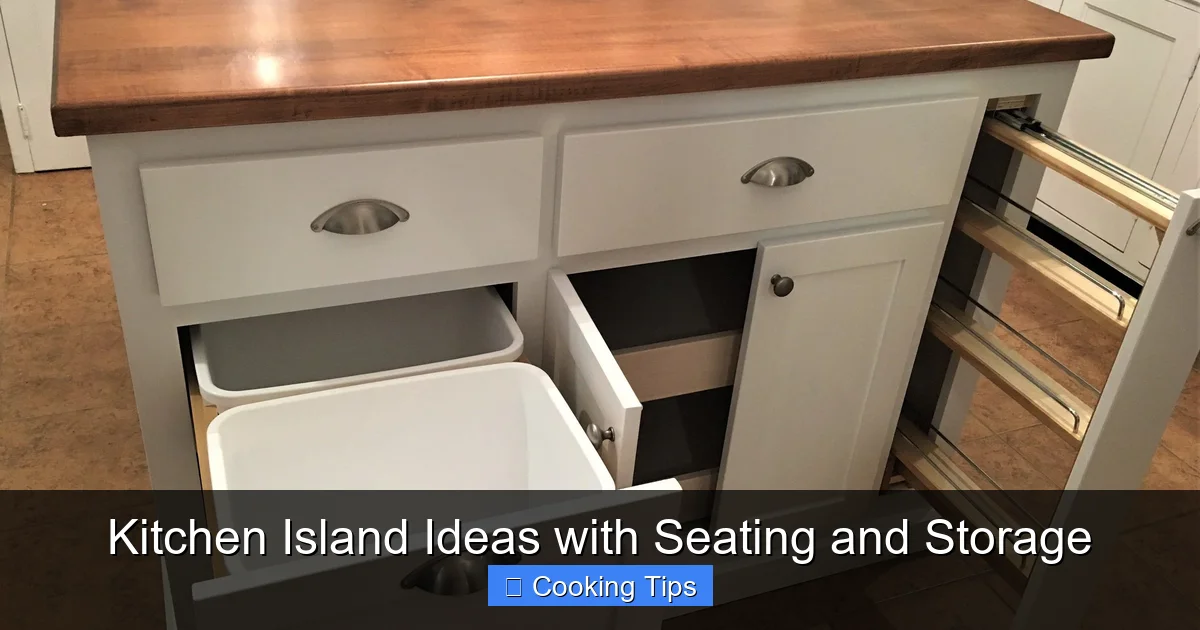
Visual guide about Kitchen Island Ideas with Seating and Storage
Image source: i.pinimg.com
Traffic Flow: Identify your main walkways. You need at least 36-42 inches of clear space around the island for comfortable movement. If your kitchen is a high-traffic area, aim for the higher end of this range.
Appliance Placement: Consider the proximity of your stove, refrigerator, and sink. The island should not obstruct access to these essential work areas.
Ceiling Height: This is important for determining the visual scale of your island and for planning overhead lighting.
Consider Your Lifestyle
How many people will use the island for seating? This dictates the length and number of seats you’ll need.
What will be the primary use? Is it mainly for cooking prep, dining, or a combination?
How much storage do you realistically need? Think about what you currently store and what you’d like to organize.
Step 2: Choose the Right Island Style and Shape
Once you have a clear picture of your space, you can start exploring different island designs. The shape and style of your island will significantly impact its functionality and how it integrates with your kitchen.
Common Island Shapes
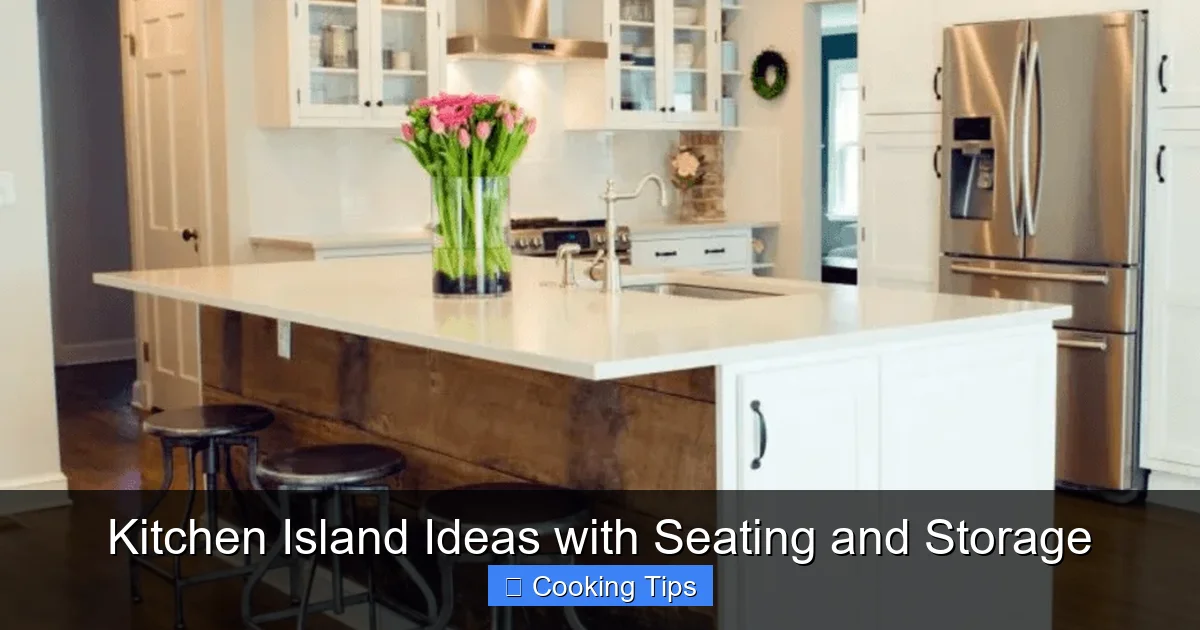
The Rectangular Island
This is the most traditional and versatile shape. It works well in most kitchen layouts and offers ample space for both seating and storage.
Visual guide about Kitchen Island Ideas with Seating and Storage
Image source: thecreativekitchenco.com
The Square Island
A square island can be a great option for smaller or more compact kitchens. It can feel more intimate for seating and can still offer significant storage.
The L-Shaped Island
This shape wraps around a corner, maximizing usable space and often creating a more defined dining or seating area.
The Galley Island
In a galley kitchen, a narrower, longer island can be placed in the center, creating parallel work zones without sacrificing too much walkability.
Island Styles
The Standard Freestanding Island
This is the most common type, offering flexibility in placement and design. It’s essentially a piece of furniture that sits in the middle of your kitchen.
The Peninsula Island
Attached to your existing cabinetry or a wall on one end, a peninsula creates a natural division and can feel more integrated into the kitchen layout. It’s often a good solution when a full island isn’t feasible.
The Multi-Functional Island
These islands are designed with specific purposes in mind, such as housing a cooktop, a sink, or a built-in bar area, combining multiple uses into one unit.
Step 3: Integrate Smart Storage Solutions
This is where your kitchen island truly shines. Clever storage can transform a beautiful island into a highly functional workhorse.
Cabinetry and Drawers
Deep Drawers
These are excellent for storing pots, pans, and even small appliances. They offer easier access than deep cabinets and allow you to see everything at a glance.
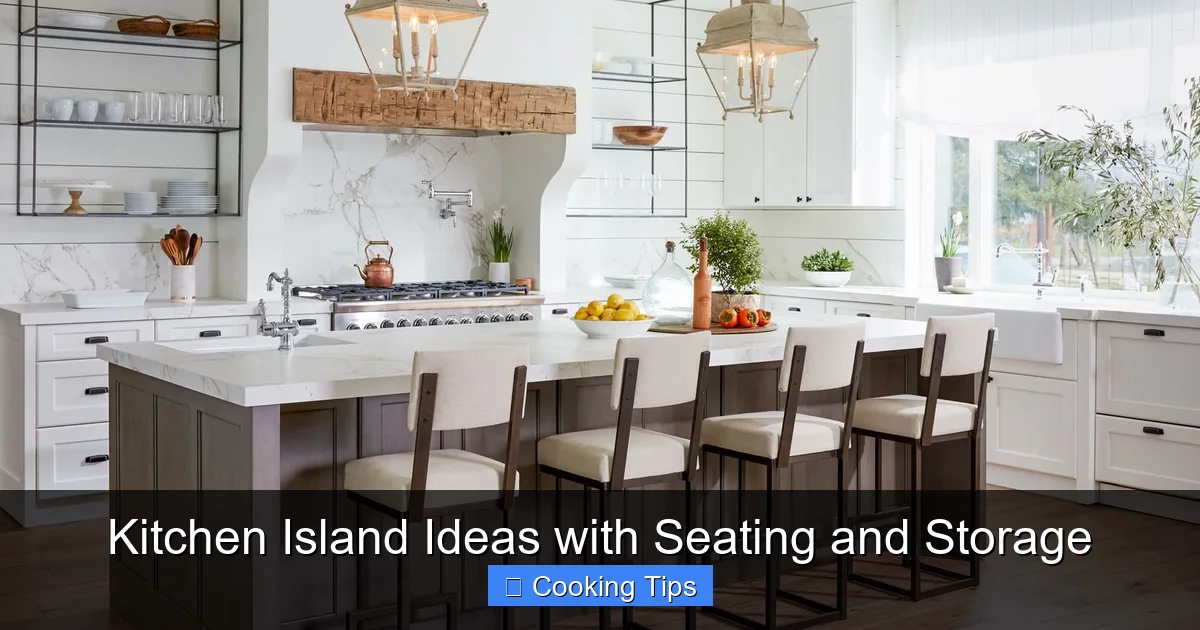
Visual guide about Kitchen Island Ideas with Seating and Storage
Image source: storables.com
Pull-Out Shelves
Install pull-out shelves in lower cabinets to make accessing items at the back effortless.
Spice Racks and Utensil Organizers
Dedicate specific drawers or small cabinets to custom organizers for spices, knives, and utensils. This keeps your countertops clear and essentials within reach.
Corner Storage Solutions
If your island has a corner, consider pull-out carousels or lazy Susans to maximize this often-awkward space.
Open Shelving
Open shelves can add visual interest and provide easy access to frequently used items like cookbooks, decorative bowls, or even a stylish wine display. However, keep them tidy!
Specialty Storage
Wine Storage
Built-in wine racks or a small wine fridge can be a luxurious and practical addition for wine enthusiasts.
Appliance Garages
Conceal toasters, blenders, or other small appliances in a dedicated cabinet with a roll-up door or lift-up lid.
Trash and Recycling Pull-Outs
Integrate bins for trash and recycling into the island for a clean and efficient waste management system.
Dumbwaiter or Mini-Elevator
For multi-level homes, a small dumbwaiter integrated into the island can be a surprisingly practical feature for transporting items between floors.
Step 4: Select Comfortable and Stylish Seating
The seating area is where your island truly becomes a social hub. Comfort and aesthetics go hand in hand here.
Types of Seating
Bar Stools
These are the most popular choice for islands with a higher countertop (bar height). Look for stools with comfortable seats and adequate back support.
Counter Stools
Designed for standard counter-height islands (around 36 inches high), counter stools offer a slightly more relaxed seating option.
Banquette Seating
For a cozy and built-in feel, consider a banquette. This offers comfortable, bench-style seating, often with under-seat storage, and can be a great space-saver in some layouts.
Seating Considerations
Legroom
Ensure there is enough space for people to comfortably tuck their legs under the island. Aim for at least 12 inches of overhang for stools.
Width Per Person
Allocate at least 24 inches of width per person for comfortable seating.
Material and Upholstery
Choose materials that are durable, easy to clean, and complement your kitchen’s style. Leather, performance fabrics, and wood are popular choices.
Height Consistency
Make sure your seating height matches your island’s countertop height for an ergonomic dining experience.
Step 5: Choose the Right Materials
The materials you choose for your island’s base and countertop will significantly influence its look, feel, and durability.
Countertop Materials
Granite
Durable, heat-resistant, and available in a vast array of colors and patterns. Requires sealing.
Quartz
Non-porous, very durable, and resistant to stains and scratches. Low maintenance.
Marble
Luxurious and beautiful, but softer and more prone to etching and staining. Requires regular sealing and careful maintenance.
Butcher Block (Wood)
Adds warmth and a natural feel. Excellent for chopping (with proper care and oiling). Prone to scratches and water damage if not maintained.
Laminate
An affordable and versatile option. Modern laminates offer a wide range of styles and are easy to clean.
Concrete
Modern and industrial look. Can be customized in color and finish. Requires sealing and can be prone to staining.
Island Base Materials
Wood (Painted or Stained)
Classic and versatile. Can be painted to match your cabinets or stained for a rich look.
Metal
Adds an industrial or modern flair. Can be used for legs or as part of the base structure.
Stone Veneer
Creates a sophisticated or rustic look, depending on the stone type.
Step 6: Plan for Lighting
Good lighting is essential for both functionality and ambiance. Your island should be well-lit for food prep and inviting for dining.
Types of Island Lighting
Pendant Lights
These are the most popular choice, hanging down from the ceiling to illuminate the island. They add decorative flair and task lighting.
Track Lighting
Offers flexibility, allowing you to adjust the position of lights to focus on specific areas.
Recessed Lighting
Provides general ambient light and can be strategically placed to supplement task lighting.
Under-Cabinet Lighting
LED strips installed beneath the overhang of the island can provide a soft, ambient glow for evening use.
Lighting Tips
Layer Your Lighting: Combine ambient, task, and accent lighting for a well-rounded lighting scheme.
Consider Dimmers: Dimmers allow you to control the intensity of light, adjusting it for different activities and moods.
Scale and Proportion: Ensure your light fixtures are appropriately sized for your island and kitchen space. Too small and they’ll get lost; too large and they’ll overwhelm.
Troubleshooting Common Kitchen Island Challenges
Even with the best planning, you might encounter a few hurdles. Here are some common issues and how to solve them:
Challenge: My kitchen feels too small for an island.
Solution: Consider a narrower island, a peninsula, or even a rolling kitchen cart that can be moved out of the way when not in use. Opt for lighter colors and visually lighter materials to make the island feel less imposing.
Challenge: I need more storage but don’t want a cluttered look.
Solution: Maximize hidden storage. Utilize deep drawers, pull-out pantries, and appliance garages. Incorporate open shelving strategically for displaying attractive items, but keep it curated.
Challenge: The seating feels cramped.
Solution: Ensure you have adequate legroom (at least 12 inches of overhang) and width per person (24 inches). Consider backless stools if space is very tight, but prioritize comfort where possible.
Challenge: My island looks out of place with my kitchen decor.
Solution: Pay attention to materials, finishes, and colors. Paint or reface your island to match your existing cabinetry. Choose a countertop that complements your existing surfaces. Ensure the style of the island aligns with your overall kitchen aesthetic.
Conclusion
Creating a kitchen island with integrated seating and storage is a rewarding project that can dramatically enhance the usability and enjoyment of your kitchen. By carefully assessing your space, considering your lifestyle needs, and thoughtfully selecting materials, shapes, and storage solutions, you can design an island that is not only beautiful but also incredibly functional. An island can become the heart of your home, fostering connection, efficiency, and style. Embrace these kitchen island ideas with seating and storage, and transform your culinary space into its full potential.
