

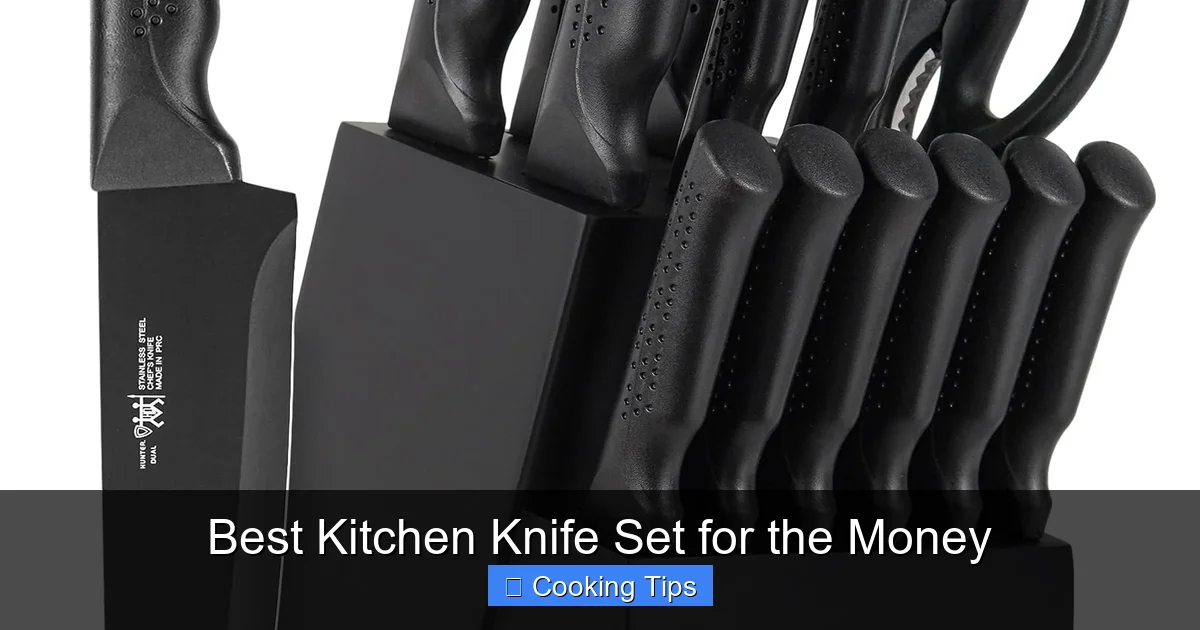
Discover how to choose the best kitchen knife set for the money without breaking the bank. This guide breaks down essential knife types, material considerations, and crucial maintenance tips. You’ll learn to identify high-value sets that offer excellent performance and durability, making your cooking experience smoother and more enjoyable. Invest wisely in your culinary tools and elevate your kitchen game with the right knives.
Best Kitchen Knife Set for the Money: Your Ultimate Guide
Are you tired of struggling with dull, unwieldy knives that make prepping ingredients a chore? Investing in a good kitchen knife set can dramatically improve your cooking experience, making chopping, slicing, and dicing faster, safer, and more enjoyable. But the world of kitchen knives can be overwhelming, with prices ranging from surprisingly affordable to astronomically expensive. So, how do you find the best kitchen knife set for the money?
This guide is designed to cut through the confusion. We’ll walk you through everything you need to know to make an informed decision, from understanding essential knife types and blade materials to recognizing quality construction and the importance of proper care. By the end of this guide, you’ll be equipped to choose a kitchen knife set that offers excellent value, performance, and longevity without draining your wallet.
Key Takeaways
- Understand Your Needs: Before buying, assess your cooking habits and the types of tasks you perform most often to avoid paying for unnecessary knives.
- Blade Material Matters: High-carbon stainless steel is generally the best balance of durability, sharpness, and rust resistance for budget-friendly, high-performance knives.
- Construction Quality is Crucial: Look for full-tang knives for superior balance and durability, even in more affordable sets.
- Essential Knife Types to Prioritize: A chef’s knife, paring knife, and serrated bread knife are the most versatile and should be prioritized in any set.
- Handle Comfort is Key: Ergonomic handles that feel comfortable and secure in your hand are vital for safe and efficient chopping.
- Maintenance is Non-Negotiable: Proper cleaning, drying, and occasional sharpening will significantly extend the life and performance of even the most affordable kitchen knife set.
Understanding What “Value” Means in Kitchen Knives
When we talk about the “best kitchen knife set for the money,” we’re not just talking about the cheapest option. True value lies in the intersection of quality, performance, durability, and price. A cheap knife that dulls quickly and feels uncomfortable in your hand offers poor value, even if it’s inexpensive. Conversely, a slightly more expensive set that lasts for years, stays sharp, and makes your cooking effortless offers fantastic value.
Consider these factors when evaluating value:
- Durability: How well will the knives hold up to regular use?
- Sharpness Retention: How long will the blades stay sharp between sharpenings?
- Comfort and Balance: Do the knives feel good in your hand and are they well-balanced for controlled cutting?
- Material Quality: Are the blades and handles made from materials that will last?
- Essential Components: Does the set include the knives you actually need?
Step 1: Assess Your Cooking Habits and Needs
The first and most critical step is to be honest about how you cook. A gourmet chef has different needs than a weeknight cook who makes simple meals. Buying a set packed with knives you’ll never use is a waste of money.
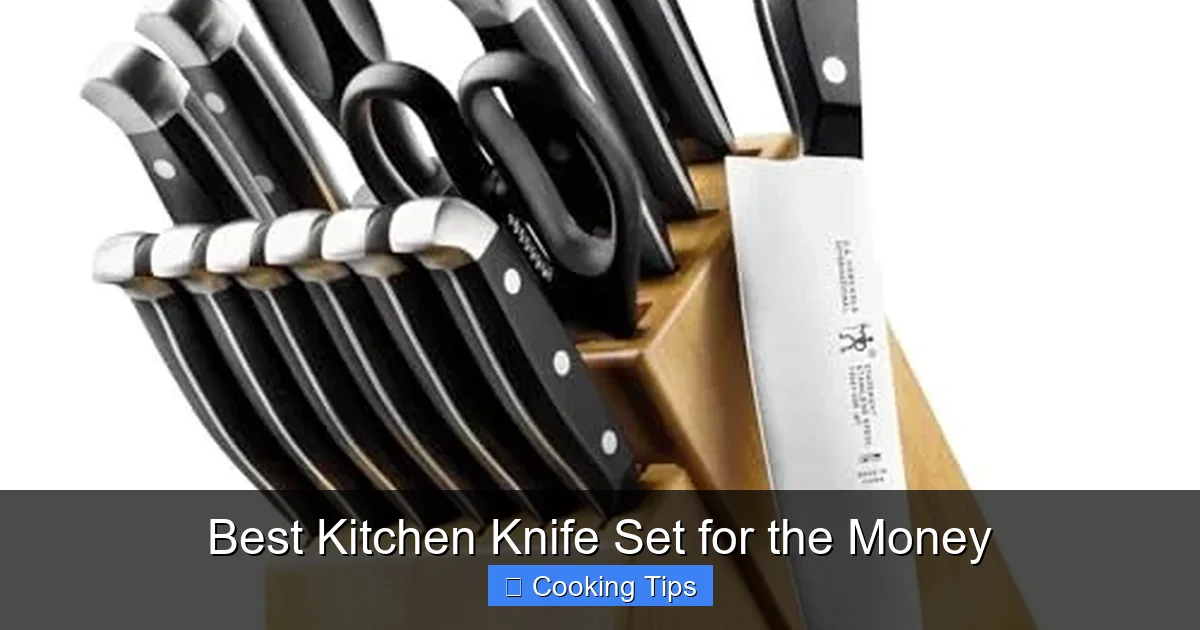
Visual guide about Best Kitchen Knife Set for the Money
Image source: homeunderstandable.com
What Kind of Cook Are You?
- Beginner Cook: You likely need a few essential, versatile knives to handle basic tasks like chopping vegetables, slicing bread, and peeling fruits.
- Home Cook: You might enjoy more variety and specific tools for tasks like boning, filleting, or intricate garnishes, but still prioritize core functionality.
- Enthusiast Cook: You might appreciate specialized knives and higher-end materials, but the “best for the money” principle still applies to finding superior performance without exorbitant costs.
Identify Essential Knife Types
For most home cooks, a few key knives will cover 90% of your kitchen tasks. When looking for the best kitchen knife set for the money, prioritize sets that include these core pieces:
The Chef’s Knife
This is the workhorse of the kitchen. A good chef’s knife (typically 8 inches) is ideal for chopping, mincing, and slicing vegetables, meat, and herbs. Its curved blade allows for a rocking motion, making chopping more efficient.
The Paring Knife
Small and agile, the paring knife is perfect for detailed work like peeling fruits and vegetables, deveining shrimp, and other small, intricate tasks.
The Serrated Knife (Bread Knife)
The saw-like edge of a serrated knife makes it ideal for slicing through crusty bread, tomatoes, citrus fruits, and anything with a tough exterior and soft interior.
Other Useful Knives (Optional, but good to consider if included):
- Utility Knife: Smaller than a chef’s knife but larger than a paring knife, it’s great for tasks that are too big for a paring knife but too small for a chef’s knife.
- Santoku Knife: A Japanese-style chef’s knife with a straighter edge and a rounded tip, often with Granton edges (dimples) to prevent food from sticking.
- Boning Knife: Thin and flexible, designed for separating meat from bone.
- Fillet Knife: Similar to a boning knife but even more flexible, designed for filleting fish.
Tip: If a set includes many knives you don’t foresee using, consider buying individual high-quality knives or a smaller starter set and expanding as needed.
Step 2: Understand Blade Materials – The Heart of the Knife
The material of your knife’s blade significantly impacts its sharpness, durability, and maintenance requirements. For the best kitchen knife set for the money, high-carbon stainless steel is often the sweet spot.
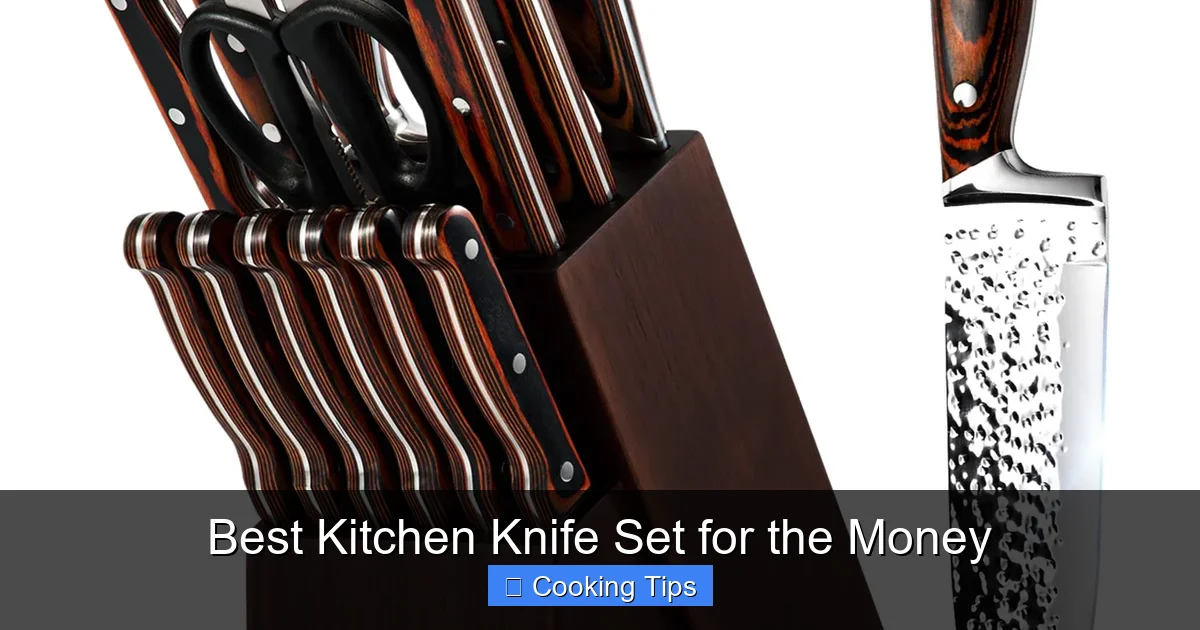
Visual guide about Best Kitchen Knife Set for the Money
Image source: m.media-amazon.com
High-Carbon Stainless Steel
This is the most common and highly recommended material for good reason. It offers an excellent balance:
- High Carbon: Contributes to hardness, allowing the blade to hold a sharp edge for longer.
- Stainless Steel: Makes the blade resistant to rust and corrosion, reducing the need for constant maintenance.
Look for knives that explicitly state “high-carbon stainless steel.” Cheaper knives might use lower-quality stainless steel that dulls quickly and is prone to staining.
Other Blade Materials to Be Aware Of:
- High-Carbon Steel (Non-Stainless): Extremely sharp and easy to sharpen, but it rusts and stains very easily. Requires meticulous care. Not ideal for most home cooks seeking value and ease of maintenance.
- Ceramic: Incredibly sharp and lightweight, but very brittle. Can chip or break if dropped or used for prying. Difficult to sharpen at home.
- Damascus Steel: Often beautiful with a layered pattern, it’s usually made by forging together different types of steel. While aesthetically pleasing, the performance depends on the steels used. It can be expensive and might not always offer superior performance over good quality high-carbon stainless steel for the price.
Focus on: For value, aim for a reputable brand using good quality high-carbon stainless steel. The specific alloy (e.g., X50CrMoV15 is common and good) can matter, but is often proprietary information for many brands.
Step 3: Examine Knife Construction – Durability and Balance
Beyond the material, how the knife is put together is crucial for its longevity and how it feels in your hand. The most important aspect here is the “tang.”
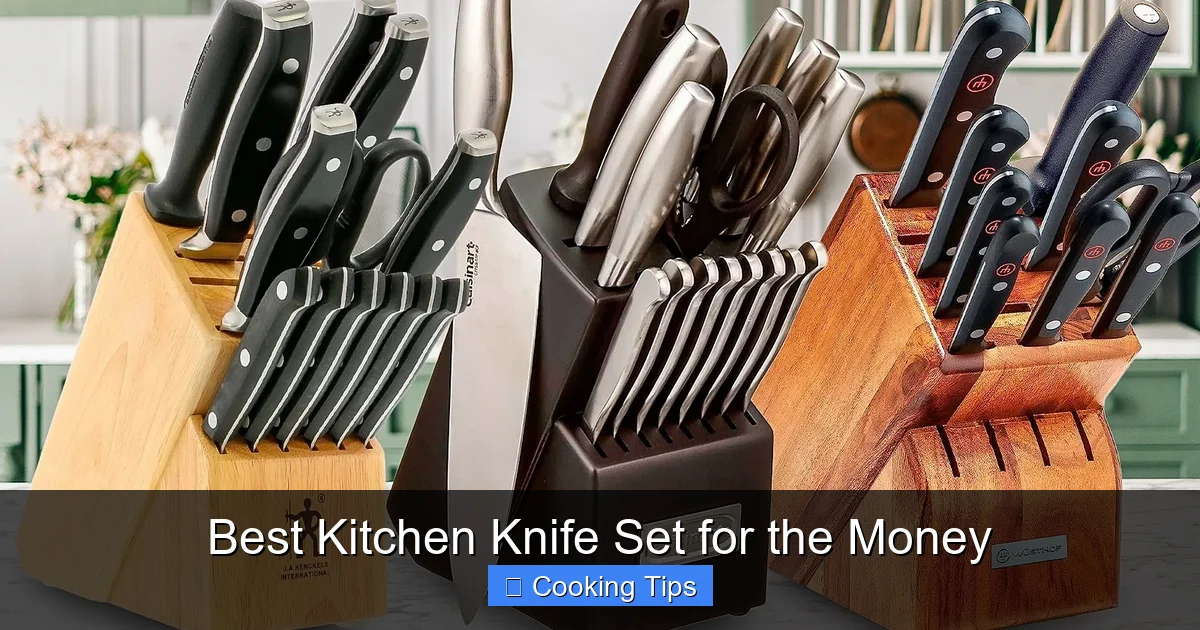
Visual guide about Best Kitchen Knife Set for the Money
Image source: tastingtable.com
The Tang: Full Tang vs. Partial Tang
The tang is the part of the blade that extends into the handle. It’s the backbone of the knife.
- Full Tang: The blade steel extends all the way through the handle, from tip to end. You can often see the metal strip running through the handle scales.
- Pros: Provides superior strength, durability, and balance. The knife is less likely to break.
- Cons: Can sometimes be slightly heavier, but this is often a positive for balance.
- Partial Tang (or Rat-Tail Tang): Only a portion of the blade steel extends into the handle. This is common in cheaper, stamped knives.
- Pros: Cheaper to manufacture.
- Cons: Less durable, prone to breaking at the handle. The knife’s balance can be off.
For the best kitchen knife set for the money, always aim for full-tang construction. It’s a hallmark of quality and durability that justifies a slightly higher price point compared to flimsy, partial-tang sets.
Handle Material and Ergonomics
While blade material is paramount, the handle is what you interact with directly. It needs to be comfortable and provide a secure grip.
Common Handle Materials:
- Polymer/Plastic: Durable, easy to clean, and often inexpensive. Can sometimes feel a bit slippery if not textured well.
- Wood: Offers a natural, warm feel and good grip. However, wood requires more care (oiling) and can be more prone to staining or cracking if not maintained. It’s also more porous.
- Composite/Resin: Blends durability with a premium feel. Often water-resistant and long-lasting.
Ergonomics and Comfort:
When you hold a knife, it should feel natural and balanced. The handle shouldn’t have sharp edges digging into your palm. Look for handles that are:
- Contoured: Shaped to fit the natural curves of your hand.
- Textured: Provides a non-slip grip, even when wet.
- Well-Secured: Rivets or screws holding the handle scales should be flush and secure.
Tip: If possible, try to hold the knives before buying. Even if buying online, read reviews specifically mentioning handle comfort and grip.
Step 4: Evaluate Set Size and Components
As mentioned earlier, don’t be swayed by a huge block full of knives you’ll never use. The best kitchen knife set for the money is one that provides the essentials and perhaps a couple of useful extras, rather than an overwhelming collection.
Common Set Sizes:
- 3-5 Piece Sets: Often include a chef’s knife, paring knife, and utility knife, sometimes with scissors. Great for beginners or those with limited needs.
- 7-10 Piece Sets: Might add a bread knife, santoku, and a steak knife or two. A good balance for many home cooks.
- 12+ Piece Sets: Typically include a wider array of specialized knives, a sharpening steel, and a knife block. Can offer value if you will use most of the knives, but often include redundancies.
Knife Blocks and Storage
Consider how you will store your knives. A knife block is a common inclusion in sets, but it takes up counter space. Other storage solutions include:
- Magnetic Strips: Frees up counter space and allows you to see your knives easily.
- In-Drawer Knife Organizers: Keeps knives safely stored and protected within a drawer.
- Blade Guards/Sheaths: Essential if you plan to store knives in a drawer or transport them.
Tip: If a set comes with a block you don’t like, factor in the cost of an alternative storage solution when comparing prices.
Step 5: Consider Brand Reputation and Reviews
While you’re looking for value, established brands that have been around for a while often have a good track record for quality and customer service. They may also offer better warranties.
How to Research Brands:
- Read Reviews: Look for reviews from reputable cooking websites, culinary magazines, and user reviews on retail sites. Pay attention to comments on sharpness, durability, and ease of sharpening.
- Check Warranties: A lifetime warranty against manufacturing defects is a good sign of a manufacturer’s confidence in their product.
- Brand Heritage: Brands with a long history in cutlery often have perfected their manufacturing processes.
Look for brands known for producing reliable knives in the mid-price range. Some brands consistently offer good value, such as Victorinox, Cuisinart (higher-end lines), Mercer, and Tramontina.
Step 6: Maintenance is Key – Maximizing Your Investment
Even the best kitchen knife set for the money will degrade quickly if not cared for properly. Regular maintenance will ensure your knives remain sharp, safe, and long-lasting.
Proper Cleaning and Drying
- Hand Wash Only: Never put your good kitchen knives in the dishwasher. The harsh detergents, high heat, and banging around can dull the blades, damage the handles, and cause corrosion.
- Wash Immediately: Wash knives right after use to prevent food acids from dulling or staining the blade.
- Use Mild Soap: A gentle dish soap is sufficient.
- Dry Thoroughly: This is critical! After washing, dry each knife immediately and completely with a soft cloth. This prevents water spots and rust, especially for high-carbon steel.
Sharpening and Honing
There’s a difference between honing and sharpening.
Honing
Honing realigns the microscopic teeth on the blade’s edge, making it feel sharper. You should hone your knives regularly, perhaps before each use or every few uses.
- Honing Steel: Most sets include a honing steel (a rod, often metal or ceramic).
- Technique: Hold the steel vertically, tip down, and draw the knife blade down the steel at a consistent angle (usually 15-20 degrees), alternating sides.
Sharpening
Sharpening actually removes a small amount of metal to create a new, sharp edge. You’ll need to sharpen less often than you hone, perhaps every few months depending on use.
- Sharpening Stones (Whetstones): The most effective for creating a superior edge, but require practice.
- Electric Sharpeners: Convenient and quick, but can remove too much metal if not used carefully and may not achieve the finest edge.
- Pull-Through Sharpeners: Easy to use, but often less precise and can damage knives if they are of lower quality.
Tip: If you’re new to sharpening, invest in a sharpening system or take a class. A sharp knife is a safe knife, as it requires less force to cut, reducing the chance of slipping.
Troubleshooting Common Knife Issues
My knife is dull.
Solution: It’s time to sharpen it. If you’ve been honing regularly, it might just need a proper sharpening to restore the edge. If it feels dull right after sharpening, you might need a finer grit stone or a different sharpening method.
My knife is rusting.
Solution: This is most common with high-carbon steel knives. Ensure you are hand-washing and drying them immediately. For minor rust spots, you can often remove them with a baking soda paste or a specialized rust eraser. If it’s a stainless steel knife, the rust could be from a contaminant or prolonged exposure to corrosive substances.
My knife handle is loose.
Solution: If you have a full-tang knife with visible rivets, you might be able to tighten them with a small screwdriver. If the handle scales themselves are cracked or loose, it might be time to consider replacement parts or a new knife, especially if it compromises safety.
Conclusion: Finding Your Culinary Companion
Choosing the best kitchen knife set for the money is an investment in your enjoyment and efficiency in the kitchen. It’s not about buying the most knives, but the right knives, made from quality materials, with solid construction, and cared for properly.
By understanding your own cooking needs, prioritizing essential knife types, and looking for the hallmarks of good construction like full tang and high-carbon stainless steel, you can confidently select a set that offers exceptional value. Remember that proper maintenance – diligent cleaning, thorough drying, and regular honing and sharpening – will ensure your chosen knives remain sharp, reliable, and a joy to use for years to come.
Don’t be afraid to start with a smaller, high-quality set and build your collection over time. The goal is to equip yourself with tools that make cooking a pleasure, not a pain. Happy chopping!
