

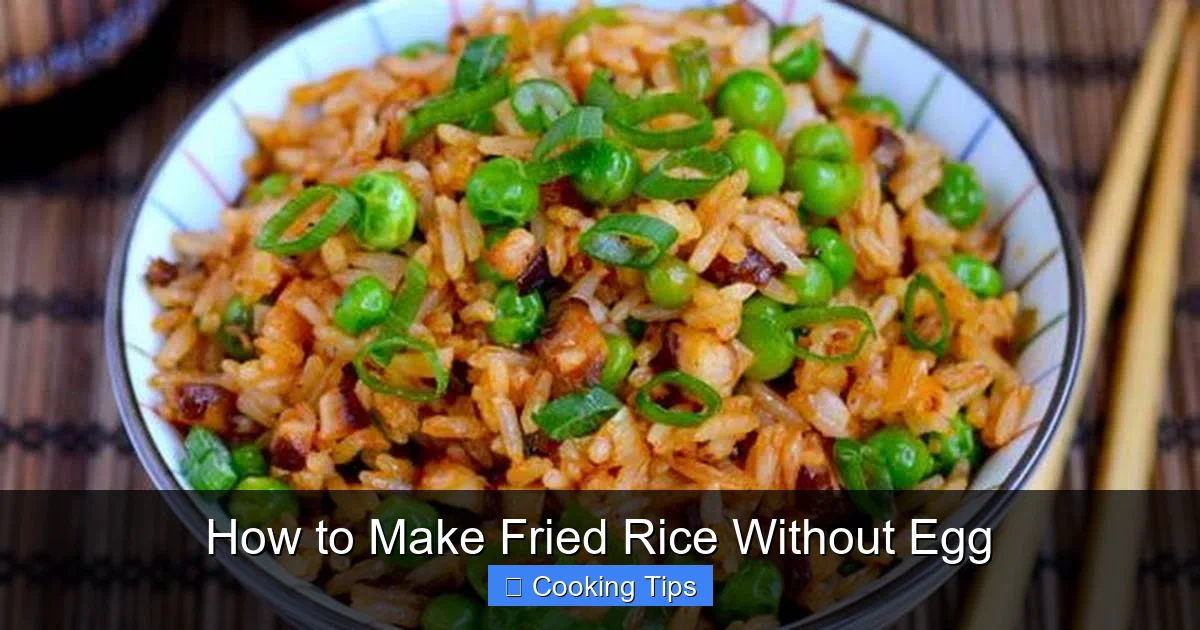
Discover the secrets to making incredibly tasty fried rice, even if you’re skipping the eggs! This guide provides a comprehensive, step-by-step process for creating a flavorful and satisfying egg-free fried rice dish. You’ll learn how to achieve perfect texture and maximize flavor without any eggs, making it a versatile and delicious meal option.
How to Make Fried Rice Without Egg
Fried rice is a beloved dish enjoyed worldwide. It’s a fantastic way to use up leftover rice and a versatile base for a variety of proteins and vegetables. Often, scrambled eggs are a staple ingredient, adding richness and texture. But what if you’re allergic to eggs, prefer to avoid them, or simply don’t have any on hand? Fear not! Making delicious, satisfying fried rice without eggs is entirely possible and surprisingly easy. This guide will walk you through everything you need to know to create perfect egg-free fried rice, from selecting the right ingredients to mastering the cooking technique.
Key Takeaways
- Use day-old rice: Cold, slightly dry, day-old cooked rice is crucial for preventing mushy fried rice.
- High heat is key: A hot wok or pan is essential for quickly cooking ingredients and achieving that signature fried rice texture.
- Don’t overcrowd the pan: Cook in batches if necessary to ensure ingredients fry rather than steam, leading to better flavor and texture.
- Layer your flavors: Start with aromatics, then add protein and vegetables, finishing with the rice and sauces for optimal taste.
- Customization is encouraged: Feel free to experiment with different proteins, vegetables, and sauces to create your perfect egg-free fried rice.
- Sauce is vital: A well-balanced sauce is the backbone of flavorful fried rice, so get the proportions right.
Why Make Fried Rice Without Egg?
There are several reasons why someone might choose to make fried rice without eggs. Allergies are a common concern, and for many, egg allergies can be severe. Beyond allergies, some people simply dislike the taste or texture of eggs. Others might be following specific dietary paths that limit egg consumption. Whatever your reason, this guide is here to show you that you can achieve incredible flavor and satisfying texture without a single egg. We’ll focus on other elements that contribute to a truly great fried rice, ensuring your dish is anything but boring.
The Foundation: Perfect Rice
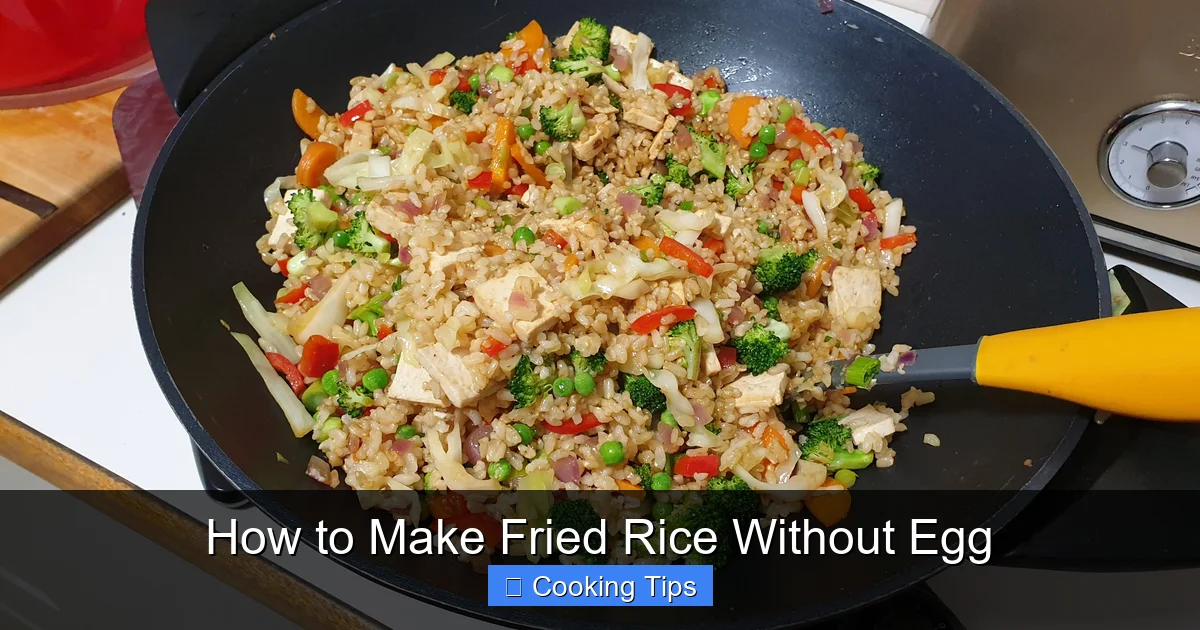
The secret to great fried rice, with or without eggs, starts with the rice. Using freshly cooked, hot rice is a common mistake that leads to a sticky, clumpy mess. For the best results, you need cold, day-old cooked rice. This is because the grains have had time to dry out slightly, and the moisture has reduced. When these drier grains hit a hot pan, they separate easily and absorb the flavors beautifully, giving you that desirable distinct grain texture that fried rice is known for.
Visual guide about How to Make Fried Rice Without Egg
Image source: i.redd.it
Choosing the Right Rice
While you can technically use any cooked rice, long-grain varieties like Jasmine or Basmati work wonderfully. These types of rice tend to stay separate and fluffy. Avoid using short-grain rice, as it can become too sticky. If you only have fresh rice, spread it on a baking sheet and let it cool completely for at least a couple of hours, or even better, refrigerate it overnight.
Preparing Your Rice
Once your day-old rice is ready, it’s important to break up any clumps. Gently use a fork or your fingers to separate the grains. This ensures even cooking and prevents large masses of rice from sticking together in the pan.
Gathering Your Ingredients
Beyond the rice, a good fried rice relies on a selection of complementary ingredients. Since we’re omitting eggs, we’ll focus on packing in flavor and texture through other components. Think about what you love in fried rice and build from there.
Visual guide about How to Make Fried Rice Without Egg
Image source: lh5.ggpht.com
Protein Options (Egg-Free)
This is where you can really get creative! Since we’re not using eggs for protein, you’ll want to incorporate a good source of protein to make your fried rice a complete meal. Ensure your protein is cooked through before adding it to the fried rice.
- Chicken: Diced chicken breast or thigh, cooked and cooled.
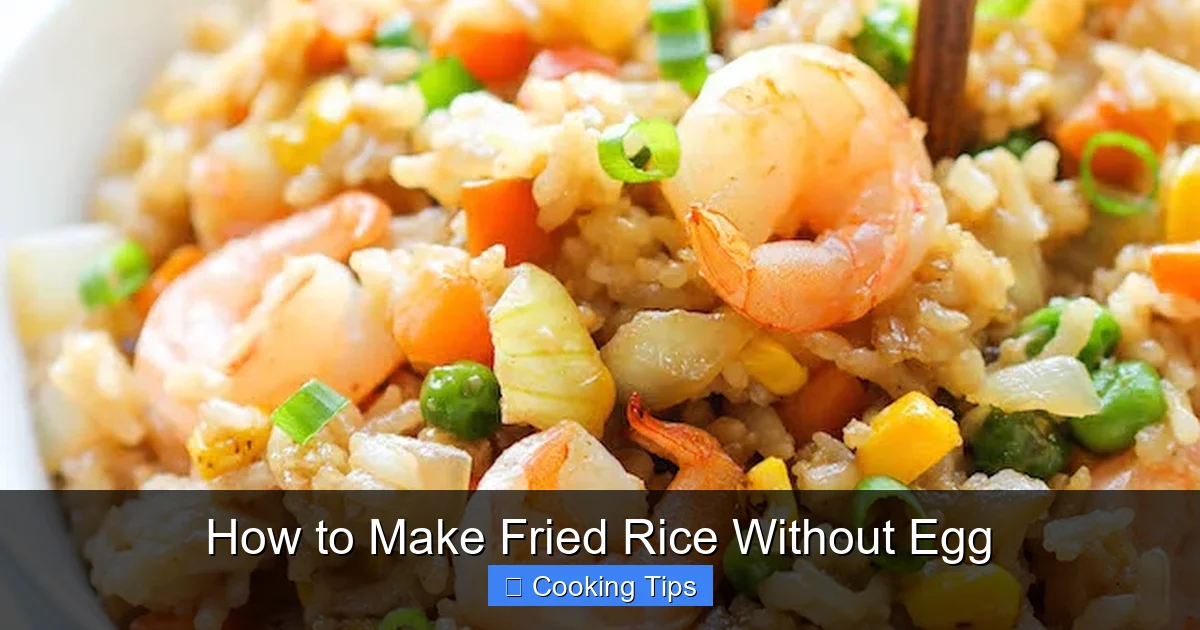
- Shrimp: Peeled and deveined shrimp, cooked until pink.
- Pork: Diced pork tenderloin or shoulder, cooked and cooled.
- Beef: Thinly sliced sirloin or flank steak, stir-fried until just cooked.
- Tofu: Extra-firm tofu, pressed, cubed, and pan-fried or baked until golden brown. This is a fantastic vegetarian/vegan option.
- Sausage: Chinese sausage (lap cheong) is a popular choice, sliced and rendered.
Vegetable Choices
A colorful medley of vegetables adds flavor, texture, and nutrients. Aim for a variety of textures and colors.
- Onions: Yellow, red, or green onions (scallions) – use the white and light green parts for sautéing and the dark green parts for garnish.
- Garlic: Minced, for that essential aromatic base.
- Ginger: Freshly minced or grated, adds a wonderful zing.
- Carrots: Diced or finely julienned, for sweetness and crunch.
- Peas: Fresh or frozen.
- Corn: Fresh or frozen kernels.
- Bell Peppers: Diced, any color.
- Broccoli: Small florets, blanched or steamed lightly.
- Mushrooms: Sliced shiitake or cremini mushrooms.
- Bean Sprouts: For a fresh, crisp element.
The Flavor Boosters: Sauces and Seasonings
The sauce is critical for bringing all the flavors together. A good sauce balances salty, savory, and a hint of sweetness. For egg-free fried rice, you can even amp up the sauce a bit to compensate for the richness eggs might otherwise provide.
- Soy Sauce: The foundation of most fried rice sauces. Use regular or low-sodium.
- Oyster Sauce: Adds a deep, savory umami flavor. (Ensure it’s vegetarian if needed for a vegan dish).
- Sesame Oil: A few drops at the end add a nutty aroma.
- Rice Vinegar: A touch of acidity to brighten the flavors.
- Sugar: A pinch to balance the saltiness.
- White Pepper: Adds a subtle peppery heat.
Step-by-Step: Making Egg-Free Fried Rice
Now that you have all your ingredients prepped, it’s time to bring them together. The key to successful stir-frying is having everything ready before you start. This is often referred to as “mise en place.”
Visual guide about How to Make Fried Rice Without Egg
Image source: kitchensanctuary.com
Step 1: Prepare Your Aromatics
This is the flavor foundation for your fried rice. Finely mince your garlic and ginger. If you’re using onions (other than green onions), dice them small.
Step 2: Cook Your Protein (If Not Already Cooked)
If your protein isn’t pre-cooked, stir-fry it in your wok or pan first. Cook it thoroughly and then remove it from the pan, setting it aside. This prevents it from overcooking when you add the rice.
Step 3: Sauté the Vegetables
Add a tablespoon or two of high-heat oil (like vegetable, canola, or peanut oil) to your wok or large skillet over medium-high heat. Once shimmering, add your diced onions (if using) and cook until softened, about 2-3 minutes. Then, add your minced garlic and ginger and stir-fry for about 30 seconds until fragrant. Be careful not to burn the garlic. Next, add your firmer vegetables, such as carrots and bell peppers, and stir-fry for 2-3 minutes until they are slightly tender but still have a bite. Add softer vegetables like peas, corn, or mushrooms and cook for another minute.
Step 4: Introduce the Rice
Push the vegetables to the side of the wok. Add a little more oil to the cleared space if needed. Add your cold, day-old rice to the wok. Break up any remaining clumps with your spatula. Stir-fry the rice for 3-5 minutes, allowing it to heat through and get slightly toasted. This step is crucial for achieving that desired texture.
Step 5: Combine and Sauce
Add your cooked protein back into the wok with the rice and vegetables. In a small bowl, whisk together your sauce ingredients: soy sauce, oyster sauce, rice vinegar, sugar, and white pepper. Pour the sauce evenly over the rice mixture. Stir-fry everything together for another 2-3 minutes, ensuring the sauce is well distributed and coating all the ingredients. The rice should start to glisten.
Step 6: Finishing Touches
Turn off the heat. Stir in your sliced green onions (reserving some for garnish) and a drizzle of toasted sesame oil. The sesame oil is added at the end to preserve its delicate aroma and flavor. Taste and adjust seasoning if needed. You might want a little more soy sauce for saltiness or a pinch more sugar.
Practical Tips for Perfect Fried Rice
Making great fried rice without eggs is all about technique and attention to detail. Here are some tips to elevate your egg-free fried rice game:
- Use a Wok (or a Large Skillet): A wok’s shape allows for excellent heat distribution and makes tossing ingredients easier. If you don’t have a wok, a large, heavy-bottomed skillet will work.
- High Heat is Your Friend: Cook over medium-high to high heat. This allows ingredients to sear and fry, rather than steam.
- Don’t Overcrowd the Pan: This is one of the most common mistakes. Overcrowding will lower the temperature of the pan and cause your ingredients to steam instead of fry. If you have a lot of ingredients, cook in batches and combine them at the end.
- Prep Everything in Advance: As mentioned, have all your ingredients chopped, cooked (if necessary), and sauces mixed before you start cooking. Stir-frying is fast!
- Control the Moisture: Ensure your rice is dry and your vegetables aren’t dripping wet. Pat dry any washed vegetables.
- Taste and Adjust: Fried rice is very forgiving. Taste it before serving and add more soy sauce, a pinch of salt, or a dash of hot sauce to your preference.
- Garnish for Presentation and Flavor: A sprinkle of fresh green onions, toasted sesame seeds, or a dash of chili flakes can make a big difference.
Variations to Try
Once you’ve mastered the basic egg-free fried rice, the possibilities are endless. Here are a few ideas to get you inspired:
- Spicy Fried Rice: Add chili flakes, Sriracha, or a dash of chili oil to your sauce.
- Pineapple Fried Rice: Incorporate diced fresh pineapple and perhaps some cashews for a sweet and savory tropical twist.
- Kimchi Fried Rice: Stir in chopped kimchi and its juice for a fermented, spicy, and tangy flavor bomb.
- Vegetarian/Vegan Fried Rice: Use tofu or tempeh as your protein and ensure your oyster sauce is a vegetarian or vegan version (like mushroom-based oyster sauce).
- Curry Fried Rice: Add a teaspoon of curry powder to your sauce mixture for an aromatic curry flavor.
Troubleshooting Common Fried Rice Issues
Even with the best intentions, sometimes things don’t go perfectly. Here are a few common problems and how to fix them:
My fried rice is mushy.
This is almost always due to using freshly cooked, warm rice. The grains are too moist and soft. The fix is to always use cold, day-old rice. If you’ve already made it mushy, there’s not much to be done, but you can try spreading it out on a baking sheet and toasting it further in a low oven (around 250°F/120°C) to dry it out a bit.
My fried rice is bland.
This usually means the sauce wasn’t flavorful enough or wasn’t distributed well. Ensure you’re using enough soy sauce and potentially other umami-rich ingredients like oyster sauce. Taste and adjust your seasoning before serving. Make sure you’re mixing everything thoroughly after adding the sauce.
My ingredients are sticking to the pan.
This can happen if your pan isn’t hot enough, or if you’re not using enough oil. Ensure your oil is shimmering before adding ingredients. For sticky proteins, you might need a bit more oil. Also, avoid moving ingredients too much initially; let them sear for a moment before stirring.
Conclusion
Making delicious fried rice without eggs is not only achievable but can be just as flavorful and satisfying as its egg-inclusive counterpart. By focusing on the quality of your rice, the freshness of your ingredients, and mastering the high-heat stir-frying technique, you can create a restaurant-quality dish in your own kitchen. Don’t be afraid to experiment with different proteins, vegetables, and spice levels to find your perfect egg-free fried rice combination. Enjoy the versatility and ease of this wonderful dish!
