

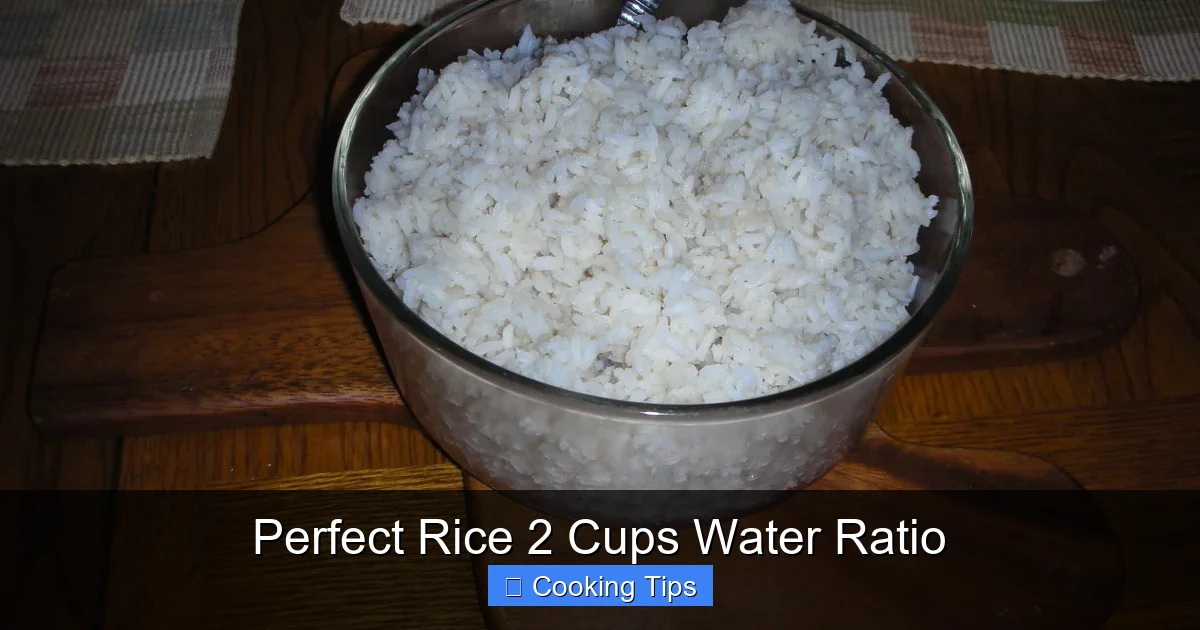
Achieving perfectly cooked rice is simple when you know the right water ratio. This guide focuses on the ideal amount of water needed for 2 cups of rice, ensuring a consistently fluffy and delicious outcome. We’ll cover the basic ratio, different rice types, and essential cooking techniques for foolproof results. Say goodbye to mushy or undercooked grains and hello to perfectly cooked rice every time!
## Perfect Rice 2 Cups Water Ratio: Your Guide to Fluffy Grains
Cooking rice might seem straightforward, but achieving that perfect, fluffy texture can sometimes feel like a mystery. The culprit is often an incorrect rice to water ratio. Today, we’re diving deep into the question: “How much water do I put for 2 cups of rice?” Whether you’re a seasoned chef or a beginner in the kitchen, this guide will equip you with the knowledge to make consistently delicious rice, every single time. We’ll demystify the process, offer practical tips, and ensure your rice becomes a star ingredient, not a side dish disaster.
### Understanding the Fundamental Rice to Water Ratio
The foundation of perfectly cooked rice lies in the ratio of rice to liquid. While this can vary slightly depending on the type of rice and your desired texture, there’s a generally accepted baseline. For most common types of white rice, like long-grain white rice or medium-grain white rice, the standard ratio is **1 part rice to 2 parts water**.
This means for every cup of uncooked rice, you’ll typically need two cups of water. Applying this to our focus, **2 cups of rice will generally require 4 cups of water.** This is your starting point, your reliable anchor for achieving good results.
### Why the Ratio is So Important
The water is more than just a cooking medium for rice. It’s what hydrates the grains, allowing them to swell and soften.
* **Too Little Water:** If you don’t use enough water, the rice won’t fully hydrate. This leads to dry, hard, and undercooked grains that are often chewy and unpleasant.
* **Too Much Water:** Conversely, using too much water can result in mushy, sticky, or even soupy rice. The grains can break down, losing their individual structure and becoming overly saturated.
Finding that sweet spot ensures each grain is perfectly tender, separated, and full of flavor.
## Step-by-Step Guide: Cooking 2 Cups of Rice
Now that we understand the basic ratio, let’s walk through the process of cooking 2 cups of rice to perfection.
### Step 1: Measure Your Rice Accurately
Precision is key. Use a standard dry measuring cup to measure out your 2 cups of rice. Don’t eyeball it or use a liquid measuring cup, as this can lead to inaccuracies.
### Step 2: Rinse the Rice (Crucial for Fluffiness!)
This step is often overlooked but is incredibly important, especially for white rice. Rinsing removes excess surface starch, which is what makes rice gummy or clumpy.
#### Why Rinsing is Essential
* **Reduces Stickiness:** Less starch means less sticking together of the grains.
* **Improves Texture:** You’ll achieve a fluffier, more separate grain texture.
* **Removes Impurities:** It also helps remove any dust or debris that might be present.
#### How to Rinse Rice
1. Place the measured rice in a fine-mesh sieve.
2. Hold the sieve under cold running water.
3. Gently swirl the rice with your hand. You’ll see the water turn cloudy and milky – this is the starch escaping.
4. Continue rinsing until the water runs mostly clear. This might take a few minutes.
5. Let the rice drain thoroughly in the sieve for a minute or two.
### Step 3: Combine Rice and Water in a Pot
Now it’s time to introduce the liquid.
#### Choosing the Right Pot
Select a pot with a tight-fitting lid. A heavy-bottomed pot is ideal as it distributes heat more evenly, preventing scorching. Ensure the pot is large enough; 2 cups of dry rice will expand significantly, so a 2-3 quart pot is usually suitable.
#### Adding the Ingredients
1. Transfer the rinsed and drained rice to your chosen pot.
2. Add the measured **4 cups of water** for your 2 cups of rice.
### Step 4: Bring to a Boil
Place the pot over medium-high heat on the stovetop. Bring the water and rice mixture to a rolling boil.
* **Tip:** You can add a pinch of salt to the water at this stage if you like, which enhances the flavor of the rice.
### Step 5: Reduce Heat and Simmer
Once the water is boiling, immediately reduce the heat to the lowest possible setting. Cover the pot tightly with its lid. The goal is to maintain a gentle simmer, not a vigorous boil.
* **Why low heat?** This allows the rice to absorb the water slowly and cook through evenly without burning the bottom or drying out too quickly.
### Step 6: Cook Uninterrupted
This is where patience is key. Let the rice simmer, covered, for about **15-20 minutes**.
* **The Golden Rule: Do NOT lift the lid!** Every time you lift the lid, you release precious steam that is essential for cooking the rice properly. Resist the urge to peek. The steam trapped inside is what cooks the rice to perfection.
### Step 7: Rest the Rice (The Secret to Fluffiness)
Once the cooking time is up, remove the pot from the heat. **Do not uncover it immediately.** Let the rice rest, still covered, for another **10-15 minutes**.
#### The Importance of Resting
This resting period allows the steam to redistribute throughout the rice. It finishes the cooking process gently and ensures all the grains are perfectly tender and infused with moisture. Skipping this step can lead to a layer of slightly undercooked rice at the bottom and a drier top layer.
### Step 8: Fluff and Serve
After the resting period, remove the lid. Use a fork or a rice paddle to gently fluff the rice. Separate the grains with light, lifting motions. Your perfectly cooked rice is now ready to be served!
## Variations and Considerations for Different Rice Types
While the 1:2 ratio (rice to water) is excellent for many white rice varieties, different types of rice have unique characteristics that might require slight adjustments.
### Brown Rice
Brown rice has its bran and germ layers intact, making it tougher and requiring more time and water to cook.
* **Ratio for Brown Rice:** For 2 cups of brown rice, you’ll typically need **around 4.5 to 5 cups of water**.
* **Cooking Time:** It also requires a longer simmering time, usually 40-50 minutes, followed by a 10-15 minute rest.
### Basmati and Jasmine Rice
These aromatic long-grain varieties are known for their delicate, separate grains. They often cook beautifully with the basic 1:2 ratio, but some cooks prefer slightly less water to ensure maximum separation.
* **Ratio for Basmati/Jasmine:** You can start with the 1:2 ratio (2 cups rice to 4 cups water), or experiment with **2 cups rice to 3.5 cups water**.
* **Rinsing:** Thorough rinsing is especially recommended for these types to achieve their signature fluffy, non-clumping texture.
### Arborio Rice (for Risotto)
Arborio rice is a short-grain, starchy rice specifically used for risotto. Its cooking method is entirely different, involving gradual addition of hot broth while stirring constantly to release starches for a creamy texture. The rice-to-water ratio is not the primary focus in the same way as other rice types.
### Wild Rice
Wild rice is technically a grass seed and has a very different texture and cooking requirement.
* **Ratio for Wild Rice:** For 2 cups of uncooked wild rice, you’ll need **around 5-6 cups of water**.
* **Cooking Time:** It takes significantly longer, about 45-60 minutes, and then rests for 10 minutes.
**General Rule of Thumb:** If you’re unsure, start with the 1:2 ratio and be prepared to add a little more water if it seems too dry during cooking (though this is best avoided by not lifting the lid). For most everyday cooking of common white rice, 2 cups of rice to 4 cups of water is your reliable go-to.
## Troubleshooting Common Rice Cooking Problems
Even with the best guide, sometimes things don’t go as planned. Here are some common issues and how to fix them:
### Problem: Rice is Dry and Undercooked
* **Cause:** Not enough water, lid wasn’t sealed properly, or not cooked long enough.
* **Solution:** If the rice is still firm and dry after the initial cooking time and rest, add about 1/4 cup of hot water, cover tightly, and simmer on very low heat for another 5-10 minutes.
### Problem: Rice is Mushy or Gummy
* **Cause:** Too much water, rice was overcooked, or not rinsed adequately.
* **Solution:** Unfortunately, mushy rice is hard to “fix” perfectly. You can try to spread it out on a baking sheet and let it air dry slightly, or use it in dishes where a softer texture is acceptable, like rice pudding or as a binder in meatballs. For the future, reduce the water slightly or ensure you rinse thoroughly.
### Problem: Rice is Burnt on the Bottom
* **Cause:** Heat was too high, or pot is too thin.
* **Solution:** Gently scrape the unburnt rice into a clean bowl. Try to salvage as much as possible, but discard any rice that is heavily burnt. Use a thicker-bottomed pot or a heat diffuser next time, and always cook on the lowest possible heat.
### Problem: Rice is Unevenly Cooked (Dry on top, soggy on bottom)
* **Cause:** Lid was lifted during cooking, or heat was too high initially and then too low.
* **Solution:** Try to gently stir the rice to distribute moisture. You can also try the “add a little hot water and steam again” method mentioned for dry rice. Ensure your lid fits snugly for future cooking.
## Conclusion: Mastering the 2 Cups of Rice Equation
Congratulations! You’ve now unlocked the secret to perfectly cooked rice, specifically for 2 cups of grains. By understanding the fundamental **2 cups of rice to 4 cups of water ratio** for most white rice, mastering the rinsing technique, and respecting the resting period, you’re well on your way to consistently fluffy and delicious results.
Remember, practice makes perfect. Don’t be discouraged if your first attempt isn’t absolutely flawless. Pay attention to your rice, observe how it cooks, and make small adjustments as needed for future batches. With this comprehensive guide, you can confidently tackle any rice recipe and impress yourself and your loved ones with your newfound rice-cooking prowess. Enjoy your perfectly cooked rice!
Key Takeaways
- The Basic Ratio: For most white rice, a 1:2 rice to water ratio is a great starting point, meaning 2 cups of rice need 4 cups of water.
- Rinse Your Rice: Rinsing removes excess starch, preventing clumping and leading to fluffier individual grains.
- Resting is Crucial: Allowing rice to steam for 10-15 minutes off the heat after cooking lets moisture redistribute, resulting in perfectly cooked grains.
- Rice Type Matters: Different rice varieties (brown, basmati, jasmine) have slightly different water absorption rates, potentially requiring minor adjustments to the basic ratio.
- Pot Size is Important: Use a pot that’s large enough to accommodate the expansion of the rice and prevent overflow.
- Avoid Peeking: Resist the urge to lift the lid during cooking, as this releases steam and disrupts the cooking process.
