

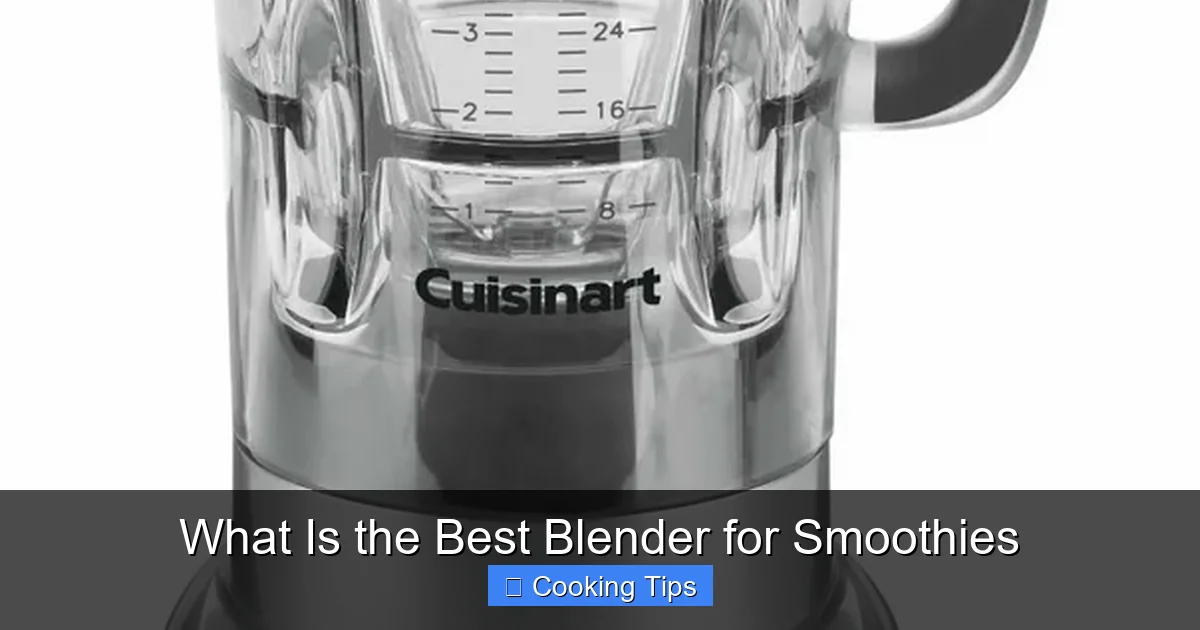
Making the perfect smoothie requires the right blender. This comprehensive guide will help you navigate the world of blenders, explaining the essential features, different types available, and what to look for to ensure you get the smoothest, most delicious blends. Whether you’re a beginner or a smoothie enthusiast, discover how to choose a blender that meets your needs and budget, leading to consistently perfect results.
Making a delicious and silky-smooth smoothie is a fantastic way to boost your daily nutrient intake. But not all blenders are created equal. If you’ve ever ended up with a chunky, fibrous, or gritty drink, you know that the right tool makes all the difference. This guide is here to help you cut through the confusion and find the absolute best blender for smoothies. We’ll explore what makes a blender great for smoothies, the different types available, and the key features you should consider to achieve that perfect, velvety texture every time. Get ready to elevate your smoothie game!
Key Takeaways
- Powerful Motor is Key: A motor of at least 1000 watts is recommended for effortlessly crushing ice and frozen fruits, ensuring a truly smooth texture.
- Blade Design Matters: Look for sharp, durable blades that are designed to create a vortex, pulling ingredients down for consistent blending.
- Jar Material and Size: Glass is durable and doesn’t stain, while plastic is lighter and less prone to breaking. Consider the jar size based on your typical serving needs.
- Speed Settings and Presets: Multiple speed options offer greater control, while pre-programmed settings for smoothies or ice crushing can simplify operation.
- Ease of Cleaning: Dishwasher-safe parts and simple designs make cleanup a breeze, a crucial factor for frequent use.
- Noise Level: Some powerful blenders can be very loud; consider models with noise-dampening features if this is a concern.
- Budget Considerations: There are excellent blenders at various price points, from basic models to high-performance machines; determine your budget and priorities.
Understanding What Makes a Blender “Best” for Smoothies
When we talk about the “best” blender for smoothies, we’re talking about a few critical factors that contribute to a superior blending experience. It’s not just about making things “blend”; it’s about achieving a specific texture and consistency.
Motor Power: The Engine of Smoothness
The motor is the heart of any blender, and for smoothies, it needs to be robust. A powerful motor means the blender can easily tackle tough ingredients like frozen fruits, ice cubes, leafy greens, and nuts. Without enough power, you’ll end up with unblended chunks, fibrous bits, and a generally disappointing texture. We recommend looking for blenders with a motor that’s at least 1000 watts for the best smoothie results. Anything less might struggle, especially with harder ingredients.
Blade Design: The Cutting Edge
The blades are just as important as the motor. For smoothies, you want blades that are sharp, durable, and designed to create a powerful vortex. This vortex action pulls ingredients down towards the blades, ensuring everything gets blended evenly and thoroughly. Many high-quality blenders feature stainless steel blades that are shaped and angled to optimize blending efficiency. Some even have unique blade assemblies designed for specific tasks like pulverizing ice or creating ultra-smooth purees.
Jar Material and Design: From Glass to Tritan
The blender jar, or container, plays a role in both functionality and durability. Common materials include glass, plastic (like BPA-free Tritan), and sometimes metal.
- Glass jars are heavy but durable, won’t stain or absorb odors, and are easy to clean. However, they can be fragile if dropped.
- Plastic jars are lighter and more resistant to breaking, making them a popular choice. Look for BPA-free options for health and safety. Tritan plastic is a particularly good choice as it’s very durable and scratch-resistant.
- Jar size is also important. Consider how many smoothies you typically make. A smaller jar might be perfect for single servings, while a larger one is better for family batches.
The shape of the jar can also influence blending. Some are designed with ridges or specific contours to help direct ingredients towards the blades.
Speed Settings and Presets: Control and Convenience
A blender with multiple speed settings gives you greater control over the blending process. You can start slow to incorporate ingredients and gradually increase the speed for a smoother finish. Many modern blenders also come with pre-programmed settings for specific tasks like “smoothie,” “ice crush,” “soup,” or “puree.” These presets take the guesswork out of blending, automatically adjusting speed and time for optimal results.
Ease of Cleaning: A Crucial Factor
Let’s be honest, if your blender is a hassle to clean, you’re less likely to use it regularly. For smoothies, cleaning is paramount because ingredients can stick to the blades and jar. Look for blenders with dishwasher-safe jars, lids, and blade assemblies. Some blenders also have a “self-cleaning” function where you can add a drop of soap and water and blend for a minute for a quick rinse.
Types of Blenders for Smoothies
The blender market is diverse, and different types suit various needs and budgets. Here are the most common types you’ll encounter when looking for the best blender for smoothies:
Countertop Blenders: The All-Rounders
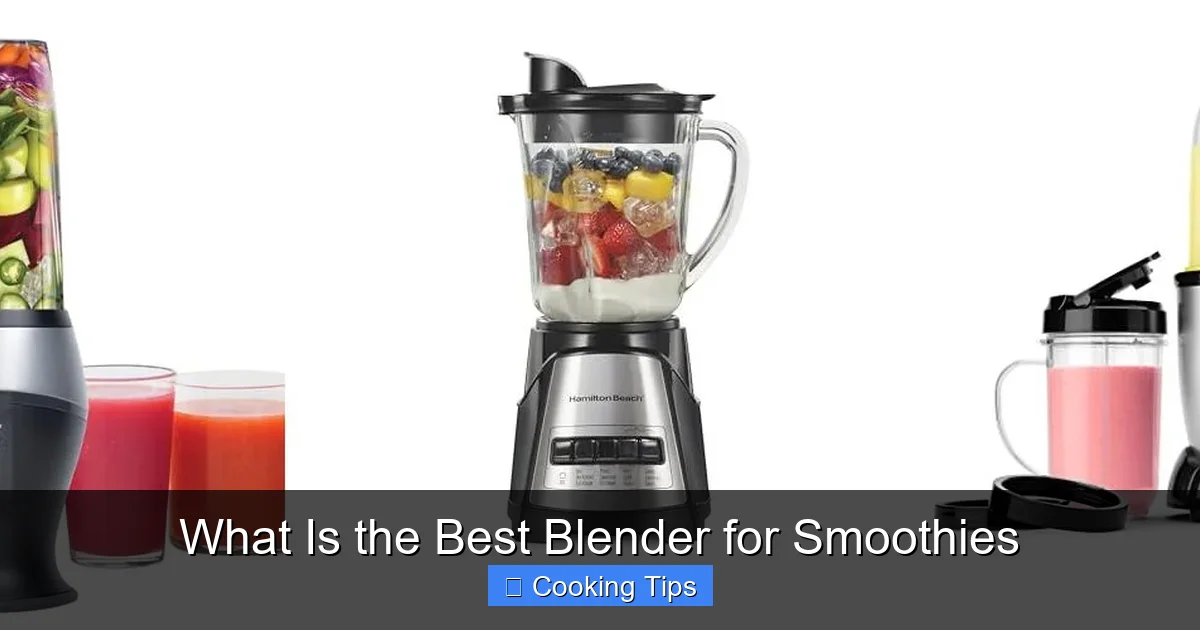
These are the most traditional and versatile blenders. They typically feature a motor base with a large jar that sits on top. Countertop blenders range from basic models to high-performance powerhouses capable of professional-grade blending. They are excellent for smoothies, soups, sauces, nut butters, and much more. For serious smoothie makers, a powerful countertop blender is often the top choice.
Visual guide about What Is the Best Blender for Smoothies
Image source: serengetikitchen.com
Personal Blenders: For Single Servings
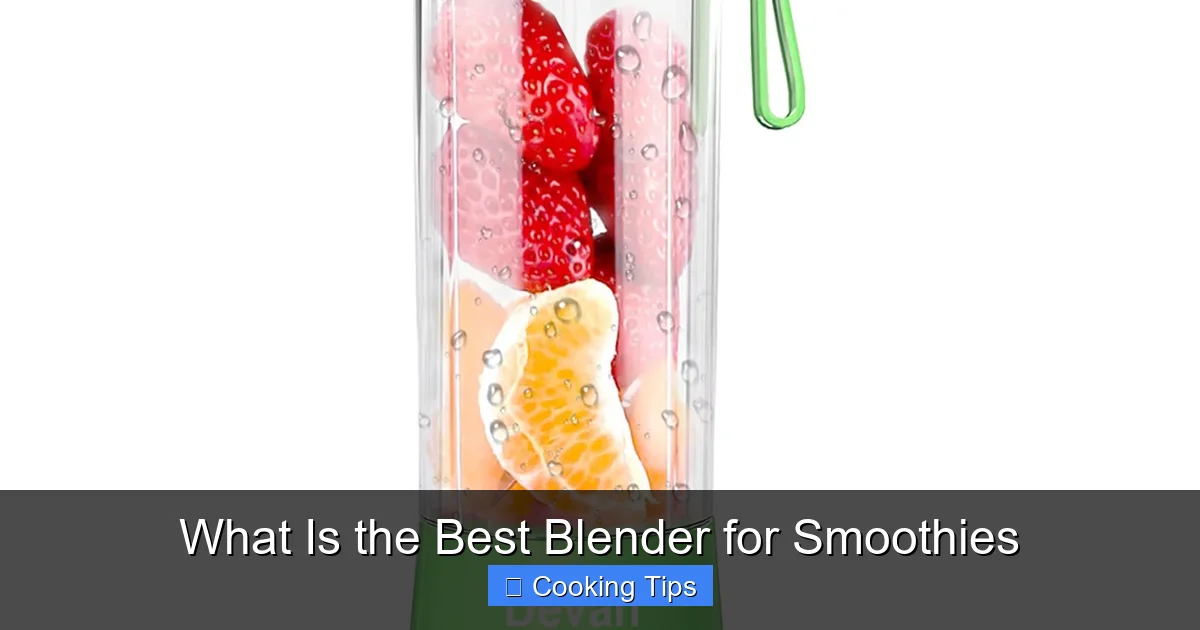
Personal blenders, often called “bullet” blenders, are designed for making individual servings. They usually come with compact jars that double as travel cups. You simply blend your ingredients in the cup, then twist off the blade attachment and screw on the lid to take your smoothie on the go. They are convenient and easy to use for quick, single-serve smoothies. However, their smaller motors and blades might struggle with very tough ingredients or larger batches.
Immersion Blenders (Hand Blenders): The Versatile Handheld
Immersion blenders are handheld devices that you plunge directly into your ingredients in a pot, pitcher, or cup. While they are great for pureeing soups directly in the pot or making quick dips, they are generally not the best choice for achieving ultra-smooth smoothies. Their blades are smaller, and they lack the powerful vortex action of countertop blenders, often leaving some texture in your drink. They can work in a pinch for very simple, soft-ingredient smoothies, but won’t give you that café-quality smoothness.
Choosing the Best Blender: Key Features to Consider
Now that we understand what makes a blender great for smoothies and the different types available, let’s dive into the specific features you should be looking for.
Motor Wattage: Aim for Power!
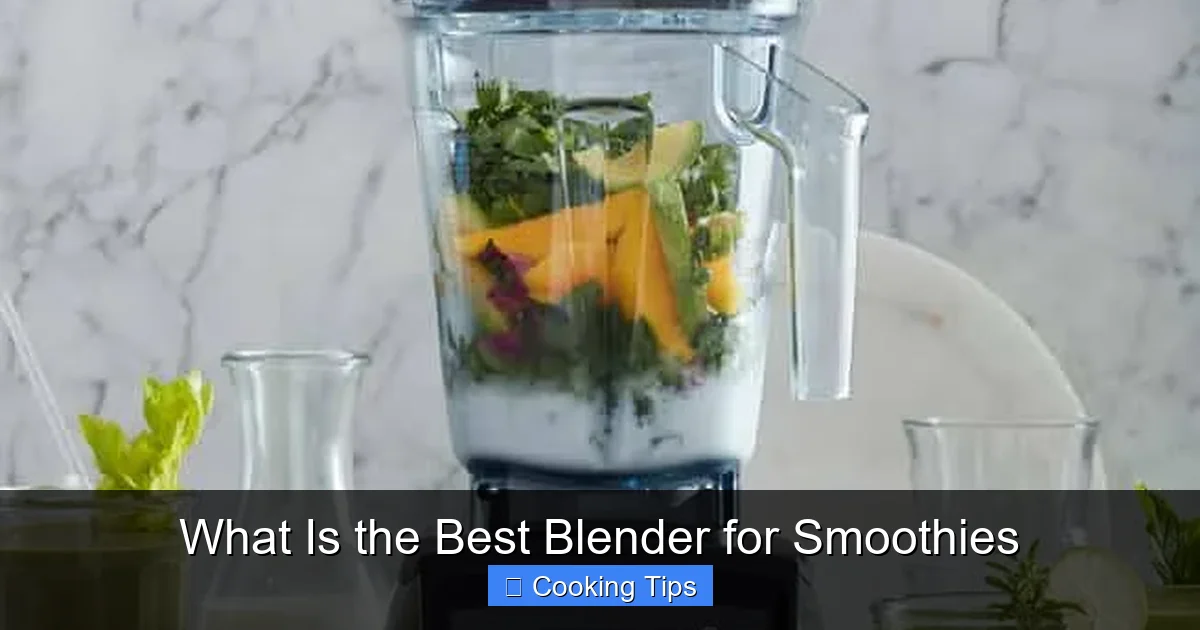
As mentioned, this is crucial. For smoothies, aim for a minimum of 1000 watts. Higher wattage blenders (1200-1500 watts or more) will handle ice, frozen fruit, and fibrous greens with ease, delivering a consistently smooth result. Lower wattage blenders might be fine for very simple, soft-ingredient smoothies, but they will struggle with anything more demanding.
Visual guide about What Is the Best Blender for Smoothies
Image source: juicer360.com
Blade Assembly: Sharpness and Design
Look for stainless steel blades. The more blades and the more they are angled and designed to work together, the better. Some blenders have blades that are fixed to the jar, while others have a removable blade assembly. Removable assemblies can be easier to clean thoroughly, but fixed blades are generally considered more durable and less prone to leaks.
Capacity and Serving Size: What’s Your Usual Batch?
Consider how many people you’re usually making smoothies for.
- Personal blenders: Typically 16-24 ounces, perfect for one person.
- Countertop blenders: Jars can range from 32 ounces to 64 ounces (or even larger). A 48-ounce jar is a good all-around size for 1-3 people.
Think about your lifestyle and typical smoothie consumption to select the right capacity.
Durability and Build Quality: Investing in Longevity
A good blender is an investment. Look for blenders with sturdy construction, high-quality materials, and a reputable brand. Read reviews to see how well blenders hold up over time and what common issues users encounter. A solid base and a well-fitting jar are indicators of good build quality.
Noise Level: A Consideration for Early Mornings
Powerful blenders can be quite noisy. If you’re an early riser or live in close quarters, noise might be a significant factor. Some high-end blenders come with noise-dampening features or are designed to operate more quietly. However, often, the quietest blenders are also the least powerful.
Extra Features: What Else Do You Need?
Some blenders offer additional features that might be appealing:
- Tamper: A tool that helps push ingredients down towards the blades, especially useful for thick mixtures.
- Vacuum Sealing: Some blenders have a vacuum-sealing function that removes air from the jar before blending, which can preserve nutrients and prevent oxidation, leading to brighter colors and fresher taste.
- Heating Function: While not common for smoothies, some high-end blenders can actually heat ingredients to make hot soups or sauces.
- App Connectivity: More advanced blenders may connect to a smartphone app for recipe suggestions and guided blending.
Decide which of these, if any, are important to you.
Top Blender Recommendations for Smoothies (General Categories)
While specific models change, here are general categories and features to look for in top-tier blenders for smoothies:
High-Performance Blenders (e.g., Vitamix, Blendtec)
These are often considered the gold standard for smoothie enthusiasts. They boast incredibly powerful motors (1500+ watts), exceptionally sharp and durable blades, and sophisticated design that creates a powerful vortex. They can pulverize anything, from frozen berries to kale stems, resulting in the smoothest possible texture. They are an investment but built to last a lifetime and offer unparalleled blending performance. They are also incredibly versatile and can handle virtually any blending task.
Visual guide about What Is the Best Blender for Smoothies
Image source: m.media-amazon.com
Mid-Range Powerhouses (e.g., Ninja, Cuisinart)
Brands like Ninja and Cuisinart offer excellent blenders that strike a good balance between performance and price. You can find models with robust motors (1000-1400 watts) and well-designed blade systems that deliver smooth, creamy smoothies. Many Ninja blenders come with “to-go” cups and multiple attachments, adding versatility. Cuisinart offers a range of durable and reliable options. These are great choices if you want excellent smoothie results without the premium price tag of the highest-end models.
Budget-Friendly Options (e.g., Oster, Hamilton Beach)
If you’re on a tighter budget, don’t despair! Brands like Oster and Hamilton Beach offer reliable blenders that can still make good smoothies, especially for less demanding recipes. Look for models with at least 700-900 watts of power if possible. They might struggle with large amounts of ice or extremely fibrous greens, and the texture might not be as perfectly smooth as higher-end machines, but they are a great starting point for casual smoothie drinkers.
Tips for Achieving the Smoothest Smoothie
Even with the best blender, a few techniques can help you get the smoothest results:
- Layer Your Ingredients Correctly: Start with liquids (water, milk, juice) at the bottom, followed by softer ingredients (spinach, protein powder, yogurt), then frozen fruits and ice. This helps the blades catch the liquid and blend everything effectively.
- Don’t Overload the Jar: Fill the blender jar only up to the max fill line. Overfilling can strain the motor and lead to uneven blending.
- Use the Tamper (if you have one): For thick smoothies, use the tamper to push ingredients down into the blades while the blender is running. This prevents air pockets and ensures everything is blended.
- Start Slow and Increase Speed: Begin blending on a low speed to break down larger chunks, then gradually increase to high speed for a smooth finish.
- Blend for Long Enough: Don’t stop blending too soon. Let the blender run for at least 30-60 seconds on high speed to ensure all ingredients are fully pulverized.
Troubleshooting Common Smoothie Blender Issues
Sometimes things don’t go as planned. Here are a few common issues and how to fix them:
Problem: Chunky or Gritty Smoothies
Solution: Your blender might not be powerful enough, or you might need to blend for longer. Ensure you’re using enough liquid. If using a less powerful blender, try adding ingredients in smaller batches or breaking down frozen items before adding them.
Problem: Blender Straining or Motor Overheating
Solution: You may have overloaded the blender or are trying to blend something too tough without enough liquid. Stop the blender, remove some ingredients, add more liquid, and try again. Ensure your blades are not damaged.
Problem: Leaking from the Jar Base
Solution: Check that the blade assembly is screwed on tightly and that the gasket (if present) is clean and properly seated. If the gasket is worn or damaged, it may need to be replaced.
Problem: Difficulty Blending Leafy Greens
Solution: Always put leafy greens closer to the blades, ideally right after the liquid. Blending them with liquid first can help break them down before adding other ingredients.
Conclusion
Choosing the best blender for smoothies is about finding the right balance of power, performance, and features to meet your specific needs and budget. A high-powered motor, efficient blade design, and a durable jar are paramount for achieving that coveted silky-smooth texture. Whether you opt for a high-performance powerhouse, a versatile mid-range option, or a budget-friendly personal blender, prioritizing these key elements will set you on the path to perfectly blended smoothies every single day. Happy blending!
