

Master burner size and flame shape to control heat quickly and precisely on your gas stove.
I have cooked professionally and at home for years, so I know what works. This guide on gas stove heat control tips walks you through smart, proven ways to get steady heat, faster results, and less waste. Read on for easy steps, real-life tricks I use, and clear explanations so you can cook with confidence.

Why precise heat control matters
Precise heat makes food cook evenly, saves fuel, and reduces frustration. When you use gas stove heat control tips, you keep sauces from boiling over and pans from burning. Good control also extends cookware life and cuts energy waste.
I learned this the hard way when I first burned dinners and warped pans. Little fixes like matching pan size to burner made a big difference. Use these gas stove heat control tips to get reliable results every time.

Understand the stove and flame basics
Know the parts so you can fix common problems. Burners, caps, grates, and control knobs all affect heat. A clear blue flame usually means good combustion; a yellow or flickering flame signals trouble.
Flame height isn’t the same as heat at the pan. Watch how flame contacts the pan edge. If flames lick up the sides, you lose heat to the air. These small observations are core gas stove heat control tips.

Practical gas stove heat control tips for everyday cooking
Use these steps to cook more predictably. Each tip is simple and can change how your food turns out.
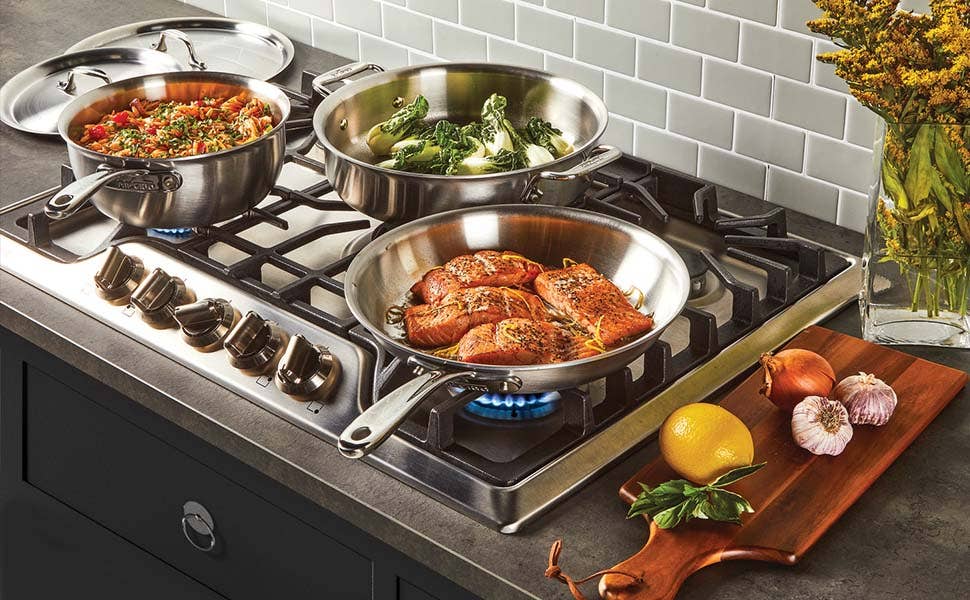
- Match pan size to burner. Small pans on large burners waste heat. Large pans on small burners heat unevenly.
- Center pans over the burner. An off-center pan gets uneven heat and hot spots.
- Adjust flame shape, not just height. A low, steady blue flame is best for simmering. A wider flame is good for quick sears.
- Preheat pans on medium. Then raise or lower heat as needed. This avoids sudden flare-ups and sticking.
- Use lids to trap heat and speed cooking. A lid lets you simmer on lower flame settings.
- Trim flames under nonstick pans. Keep flame below pan rim to protect coating and handle heat better.
- Group similar tasks. Cook vegetables and grains at steady medium heat, then finish proteins on high. This reduces frequent knob changes.
- Use a heat diffuser for low, steady heat. A diffuser evens out burner hotspots for sauces and slow cooking.
- Keep burners clean and ports clear. Clogged ports create uneven flames and poor control.
- Learn your stove’s quirks. Each model responds differently to knob turns. Note small differences and adjust.
I use a cast-iron skillet for searing and switch to a filler pan on low when simmering. That simple habit is one of the most reliable gas stove heat control tips I rely on.
Advanced techniques and tools
These ideas help you push control even further. They are good for home cooks who want more precision.
- Use a flame tamer for delicate sauces. It gives a buffer between flame and pan.
- Try a thermometer for oil and sugar work. Visual cues can be misleading. A probe helps you hit exact temps.
- Calibrate knobs by timing water boil. Mark settings that match low, medium, and high for your stove.
- Consider burner inserts for small pans. They create a smaller, more concentrated heat zone.
- Use cookware with flat, thick bottoms. They absorb and hold heat better, improving control.
When I tested settings, I marked my stove knobs with small colored dots. That quick reference saves guesses and is one of my favorite gas stove heat control tips.
Common mistakes and how to fix them
Avoid these traps that make heat control harder. Fixing them is usually quick and cheap.
- Using wrong-size cookware. Swap to a better match if possible.
- Letting burners get dirty. Clean with a soft brush and mild cleaner regularly.
- Relying on flame height only. Learn how flame shape affects heat at the pan.
- Cranking heat to speed cooking. This often burns the outsides while leaving centers raw.
- Ignoring ventilation. Good ventilation stabilizes the flame and prevents soot buildup.
I once left a burner grill-clogged for months. Flames were weak and dishes took longer. Cleaning restored control and cut cook time. That taught me to keep burners clear—a simple gas stove heat control tip with big payoff.

Safety, maintenance, and long-term care
Safe stoves are easier to control. Maintenance prevents surprises and keeps heat predictable.
- Check for gas leaks with soapy water on connections. Bubbles mean a leak—call a pro.
- Inspect burner caps and replace if warped. Warped caps cause uneven flames.
- Schedule annual service if you smell gas or see persistent yellow flames. Professional checks ensure safe operation.
- Replace damaged knobs and grates. Small parts affect flow and heat distribution.
- Use proper ventilation to avoid carbon buildup and to keep flames steady.
Be honest about limits. Older stoves may never reach the same control as newer models. Still, these gas stove heat control tips help you get the most from what you have.
Frequently Asked Questions of gas stove heat control tips
How do I know if my flame is set right?
A healthy flame is mostly blue with a clear inner cone. Yellow tips or heavy soot mean incomplete combustion or clogged ports and should be checked.
Can I use any pan on a gas stove for better control?
Flat-bottom pans with good thermal mass work best. Thin pans heat quickly but can create hot spots and make fine control harder.
Is low heat the same across all burners?
No. Burner design varies. Marking settings and testing with water boils helps you match low, medium, and high across burners.
How often should I clean my burners?
Quick cleaning every one to two weeks keeps ports clear and flames even. Deep cleaning once a month is a good habit for heavy use.
Do gas stoves waste more energy with poor control?
Yes. Mismatched pans and high flames waste heat. Using proper size pans and lids reduces fuel use and improves control.
Will a diffuser reduce gas usage?
A diffuser evens heat but may slightly slow cooking time. It can reduce flare-ups and allow lower flame settings, which often saves fuel overall.
Conclusion
These gas stove heat control tips give you clear steps to cook better, save fuel, and avoid common mistakes. Start with simple changes: match pan size, clean burners, and learn your stove’s settings. Try one tip at a time and note the result.
Put one tip into practice tonight. Track how it affects your meals and adjust. Share your experience below, subscribe for more tips, or ask a question to get tailored advice.
