

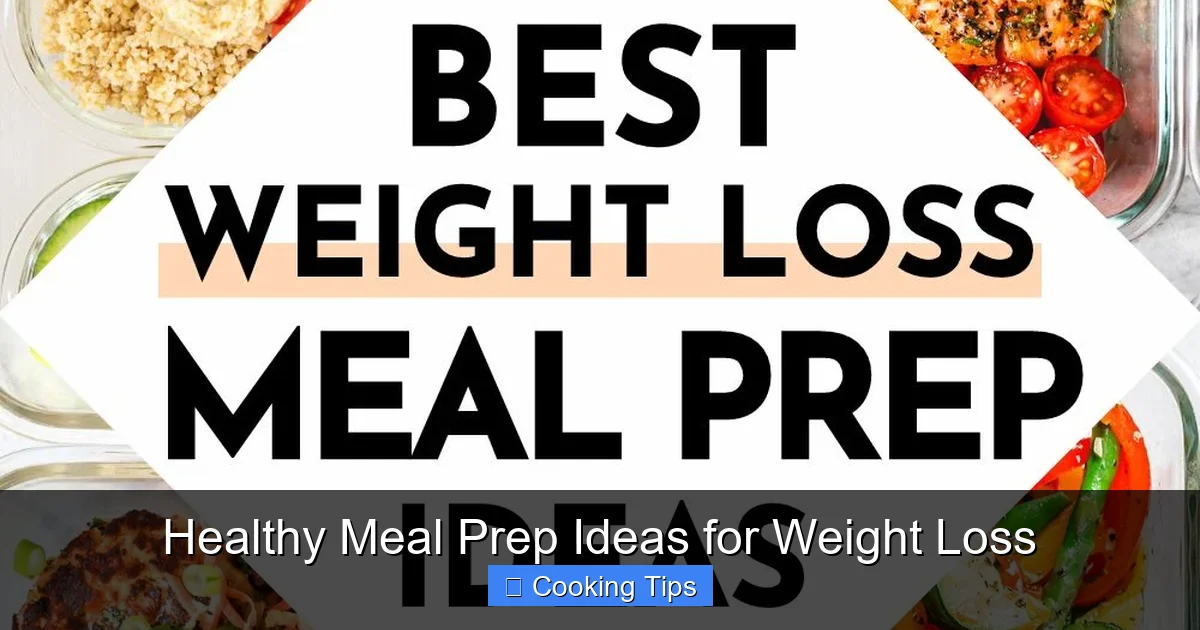
Transform your weight loss journey with these healthy meal prep ideas! This guide offers practical strategies, delicious recipes, and essential tips to make preparing nutritious meals effortless. Learn how to plan, cook, and store your food effectively, ensuring you stay on track with your health goals without the daily stress.
Embarking on a weight loss journey can feel overwhelming, especially when it comes to food. The constant decisions about what to eat, the temptation of convenience foods, and the sheer time commitment can be discouraging. But what if there was a way to simplify healthy eating, save time, and set yourself up for success? Enter healthy meal prep!
This comprehensive guide is designed to equip you with the knowledge and practical strategies to master healthy meal prep for weight loss. We’ll walk you through everything from initial planning to delicious, easy-to-make recipes and smart storage solutions. By the end of this guide, you’ll feel confident and empowered to take control of your nutrition, making your weight loss goals more achievable than ever before.
Key Takeaways
- Understand the Core Principles: Successful meal prep for weight loss centers on balanced macronutrients, portion control, and choosing nutrient-dense whole foods.
- Plan Your Week Effectively: Dedicate time to planning meals, creating a grocery list, and scheduling prep sessions to avoid last-minute unhealthy choices.
- Master Batch Cooking Techniques: Learn to cook staple ingredients like grains, proteins, and vegetables in larger quantities to save time during the week.
- Embrace Versatile Recipes: Opt for meals that can be repurposed or customized with different sauces and additions to prevent flavor fatigue.
- Prioritize Proper Storage: Understand safe food storage practices to maintain freshness and prevent spoilage, ensuring your prepared meals are safe and appealing.
- Focus on Hydration and Mindful Eating: Remember that meal prep is part of a larger healthy lifestyle that includes drinking enough water and paying attention to hunger cues.
Why Meal Prep for Weight Loss?
Meal prepping isn’t just about saving time; it’s a powerful tool for weight loss. Here’s why it works:
- Portion Control: When you prepare your meals in advance, you have complete control over portion sizes. This is crucial for managing calorie intake, a fundamental aspect of weight loss.
- Nutrient Density: You choose the ingredients, allowing you to prioritize whole, unprocessed foods packed with vitamins, minerals, and fiber, which keep you feeling full and satisfied.
- Reduced Impulse Eating: Having healthy, ready-to-eat meals readily available significantly reduces the likelihood of reaching for less healthy convenience foods when hunger strikes.
- Cost Savings: Cooking at home is generally more budget-friendly than eating out or relying on pre-packaged meals.
- Stress Reduction: Knowing your meals are sorted for the week can alleviate a significant source of daily stress, freeing up mental energy for other important tasks.
Step 1: The Foundation – Planning Your Weight Loss Meals
The success of your meal prep hinges on solid planning. Don’t skip this crucial step!
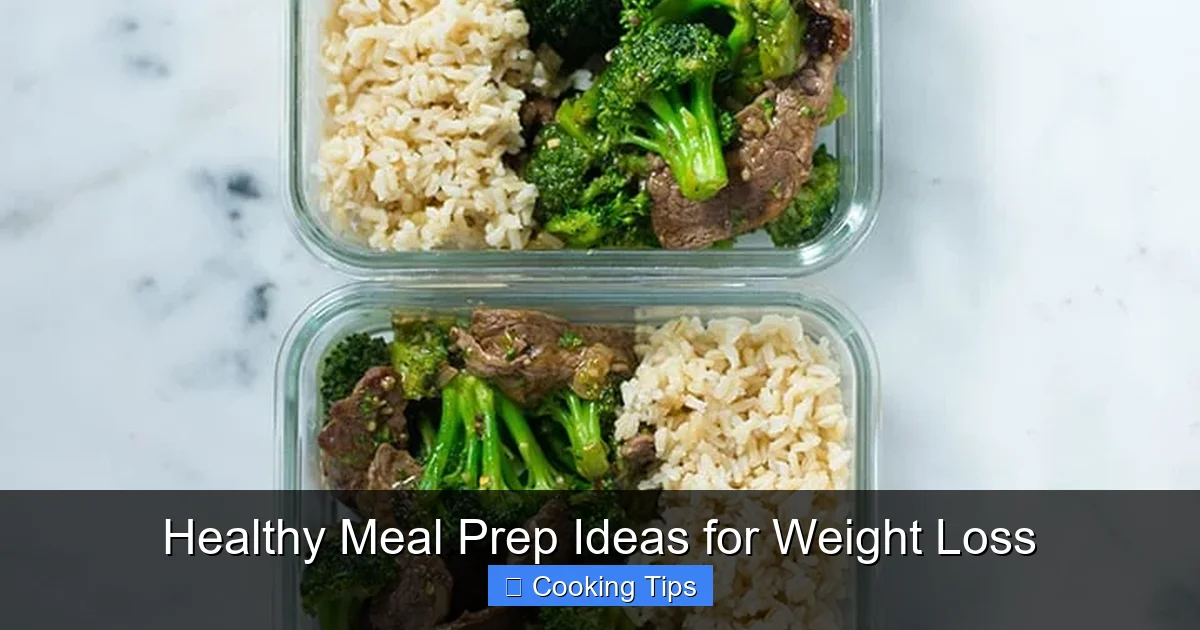
Visual guide about Healthy Meal Prep Ideas for Weight Loss
Image source: asweetpeachef.com
Set Your Goals and Understand Your Needs
Before you even think about recipes, consider your individual needs. How many calories do you aim for daily? What are your macronutrient targets (protein, carbs, fats)? Are there any dietary restrictions or preferences you need to accommodate?
Choose Your Meal Prep Style
There are several popular approaches:
- Full Meal Prep: Prepare all your meals (breakfast, lunch, dinner, snacks) for the entire week.
- Component Prep: Cook staple ingredients like grilled chicken, roasted vegetables, and cooked grains in bulk, then assemble meals daily.
- Just Lunch/Dinner Prep: Focus on preparing your main meals for the week to tackle the most challenging eating occasions.
For beginners, starting with just lunches or dinners can be less daunting.
Create a Weekly Menu
This is where the fun begins! Aim for variety to keep things interesting.
- Think Balanced: Each meal should ideally include a lean protein source, complex carbohydrates, healthy fats, and plenty of vegetables.
- Consider Your Schedule: Plan simpler meals for busier days and more elaborate ones for when you have more time.
- Recipe Selection: Choose recipes that are relatively easy to make in batches and that reheat well.
Example Menu Idea (for 3 days):
- Monday:
- Breakfast: Overnight Oats with Berries
- Lunch: Lemon Herb Chicken with Quinoa and Roasted Broccoli
- Dinner: Salmon with Sweet Potato and Asparagus
- Tuesday:
- Breakfast: Scrambled Eggs with Spinach and Whole-Wheat Toast
- Lunch: Leftover Lemon Herb Chicken with Quinoa and Roasted Broccoli
- Dinner: Lentil Soup with a side salad
- Wednesday:
- Breakfast: Greek Yogurt with Nuts and Seeds
- Lunch: Tuna Salad Lettuce Wraps with Carrot Sticks
- Dinner: Turkey Meatloaf Muffins with Mashed Cauliflower
Build Your Grocery List
Once your menu is set, create a detailed grocery list. Check your pantry and fridge first to avoid buying duplicates.
Step 2: The Heart of It – Delicious and Healthy Recipes
Here are some versatile and weight-loss-friendly recipe ideas to get you started. Focus on lean proteins, complex carbs, and plenty of vegetables.
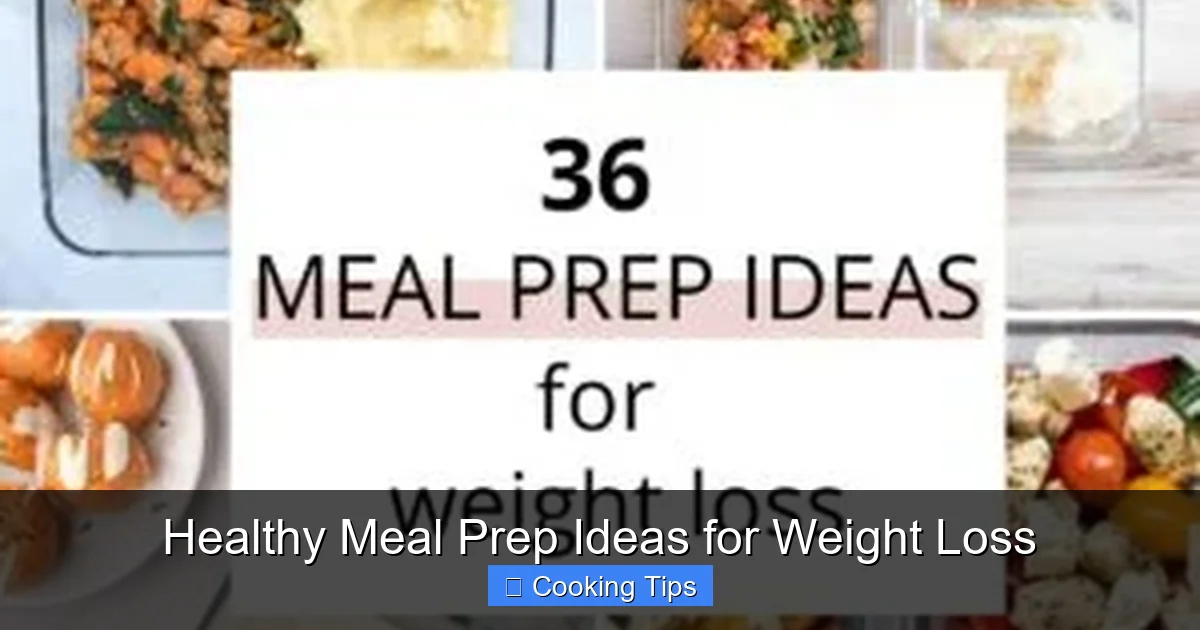
Visual guide about Healthy Meal Prep Ideas for Weight Loss
Image source: onewholesomelife.com
Breakfast Ideas (Quick & Easy)
Starting your day with a balanced breakfast sets the tone for healthy eating.
- Overnight Oats: Combine rolled oats, milk (dairy or non-dairy), chia seeds, and a touch of sweetener. Refrigerate overnight. Top with berries, nuts, or seeds in the morning.
- Egg Muffins: Whisk eggs with chopped vegetables (spinach, bell peppers, onions) and a little cheese. Pour into muffin tins and bake until set.
- Greek Yogurt Parfaits: Layer plain Greek yogurt with fresh fruit and a sprinkle of granola or nuts.
Lunch & Dinner Ideas (Hearty & Satisfying)
These meals are designed to keep you full and energized.
- Sheet Pan Meals: Toss chopped vegetables (broccoli, sweet potatoes, bell peppers) and a protein (chicken breast, salmon, tofu) with olive oil and seasonings. Roast on a single baking sheet for easy cleanup.
- Buddha Bowls: Create a base of cooked grains (quinoa, brown rice). Top with roasted vegetables, a protein source (lentils, chickpeas, grilled chicken), and a healthy dressing (tahini-lemon, peanut sauce).
- Lean Protein with Roasted Veggies: Simple yet effective. Grill, bake, or pan-sear lean proteins like chicken breast, turkey breast, fish, or lean beef. Pair with a generous portion of roasted or steamed vegetables.
- Hearty Soups and Stews: Lentil soup, minestrone, chicken vegetable soup, or chili are excellent for batch cooking and are packed with fiber and nutrients.
- Stir-Fries: Use lean protein, a variety of colorful vegetables, and a light, low-sodium sauce. Serve with brown rice or quinoa.
Smart Snack Ideas
Prevent overeating between meals with these healthy options.
- Hard-boiled eggs
- Apple slices with almond butter
- A small handful of nuts
- Vegetable sticks (carrots, celery, cucumber) with hummus
- A piece of fruit
Step 3: The Action – Batch Cooking and Prep Strategies
Now it’s time to put your plan into action! Dedicate a block of time, often on a weekend, to get most of your cooking done.
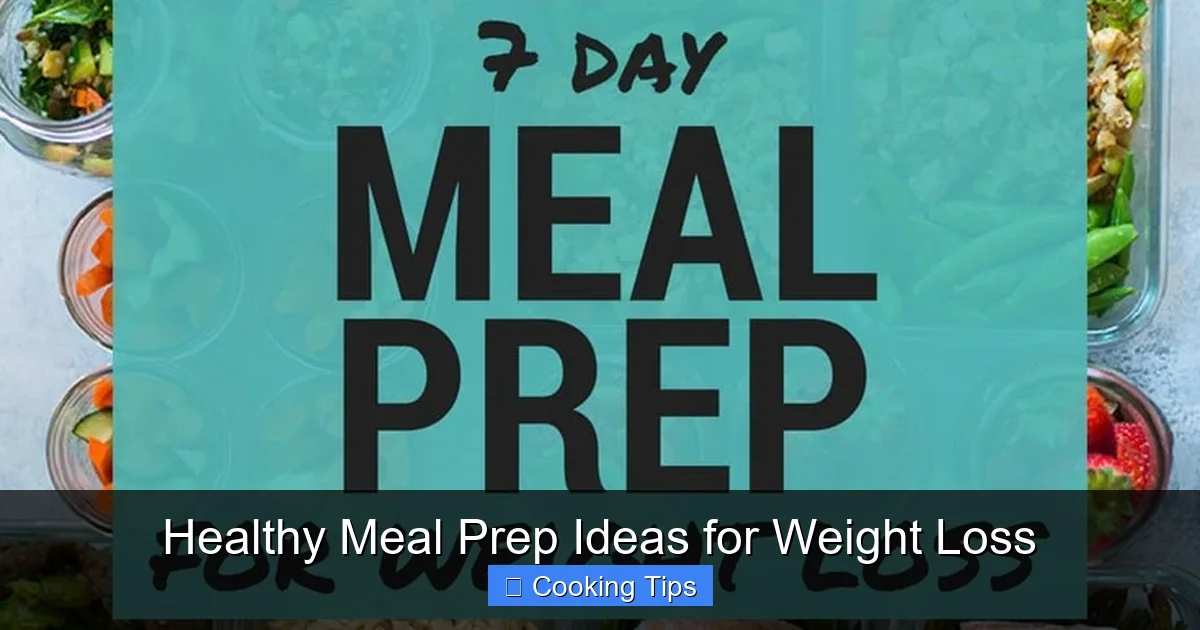
Visual guide about Healthy Meal Prep Ideas for Weight Loss
Image source: asweetpeachef.com
Gather Your Tools
Ensure you have the right equipment:
- A good set of sharp knives
- Cutting boards
- Measuring cups and spoons
- Oven-safe dishes and baking sheets
- A large pot or Dutch oven
- A reliable blender or food processor (optional, but helpful)
- A variety of airtight food storage containers
Wash and Chop Produce
Start by washing all your fruits and vegetables. Then, chop, dice, or slice them according to your recipes. Store chopped vegetables in airtight containers in the refrigerator. This saves immense time during the week.
Cook Your Proteins
Cook your chosen proteins in bulk. This might include baking chicken breasts, grilling fish, or cooking a large batch of ground turkey. Let them cool completely before storing or portioning.
Prepare Your Grains and Legumes
Cook large batches of grains like quinoa, brown rice, or farro. Boil dried beans or lentils if you’re using them.
Roast Your Vegetables
Roasting vegetables brings out their natural sweetness and is a fantastic way to prepare them for multiple meals. Toss with olive oil, salt, pepper, and your favorite herbs before roasting until tender.
Assemble Meals or Components
Depending on your chosen style, you can either assemble entire meals into individual containers or store prepped components separately for quick assembly later.
Step 4: The Key to Longevity – Storage and Reheating
Proper storage is vital to ensure your food stays fresh, safe, and appealing throughout the week.
Choose the Right Containers
Invest in high-quality, BPA-free, airtight containers. Glass containers are excellent for reheating as they are microwave-safe and don’t leach chemicals. Different sizes are useful for various portion sizes.
Cool Food Properly
Allow cooked food to cool down to room temperature (but not sit out for more than two hours) before sealing and refrigerating. This prevents condensation from forming inside the container, which can lead to spoilage.
Refrigerate Promptly
Store your prepared meals and components in the refrigerator as soon as they are cool. Most cooked meals will last 3-4 days in the refrigerator.
Freezing for Longer Storage
If you’ve prepped more than you can eat within 3-4 days, consider freezing portions. Soups, stews, cooked grains, and some cooked proteins freeze well. Ensure they are in freezer-safe, airtight containers and label them with the date.
Safe Reheating Practices
- Microwave: Reheat in short intervals, stirring halfway through to ensure even heating.
- Oven: For dishes like casseroles or roasted items, reheating in the oven at a moderate temperature (around 350°F or 175°C) can often yield better results.
- Stovetop: Soups, stews, and some grains can be reheated gently on the stovetop.
Always ensure food is heated thoroughly to an internal temperature of 165°F (74°C) to kill any potential bacteria.
Troubleshooting Common Meal Prep Challenges
Even with the best intentions, you might encounter a few hurdles. Here’s how to overcome them:
“My food gets soggy!”
Solution: Separate wet and dry ingredients. Store dressings and sauces separately and add them just before eating. Cook vegetables until they are tender-crisp, not mushy, especially if they will be reheated.
“I get bored of eating the same thing.”
Solution: Embrace variety! Rotate your recipes weekly. Use different herbs and spices. Invest in a few different sauces or marinades that you can switch up to transform the flavor profile of your base ingredients.
“I don’t have enough time.”
Solution: Start small. Meal prep just lunches for the week. Focus on “one-pot” or “sheet pan” meals that require minimal cleanup. Delegate tasks if possible. Even 30 minutes of prep can make a difference.
“My food doesn’t last the whole week.”
Solution: Assess your storage. Are your containers airtight? Are you cooling food properly before storing? Consider freezing some meals for the latter half of the week. Make sure your refrigerator temperature is set correctly.
Tips for Staying Motivated
Meal prep is a habit, and like any habit, it takes time to build. Here’s how to stay on track:
- Celebrate Small Wins: Acknowledge when you successfully prep your meals for the week.
- Find a Meal Prep Buddy: Share recipes, tips, and accountability with a friend or family member.
- Experiment with New Recipes: Keep things exciting by trying one new healthy recipe each week.
- Invest in Nice Containers: Sometimes, having attractive containers can make the process more enjoyable.
- Remind Yourself of Your Goals: Keep your weight loss and health aspirations top of mind.
Conclusion
Healthy meal prep for weight loss is an incredibly effective strategy for taking control of your nutrition, saving time, and consistently making healthier choices. By following a structured approach to planning, cooking, and storing your meals, you can overcome common obstacles and make this practice a sustainable part of your lifestyle. Remember to be patient with yourself, adapt as needed, and celebrate your progress. You’ve got this!
