

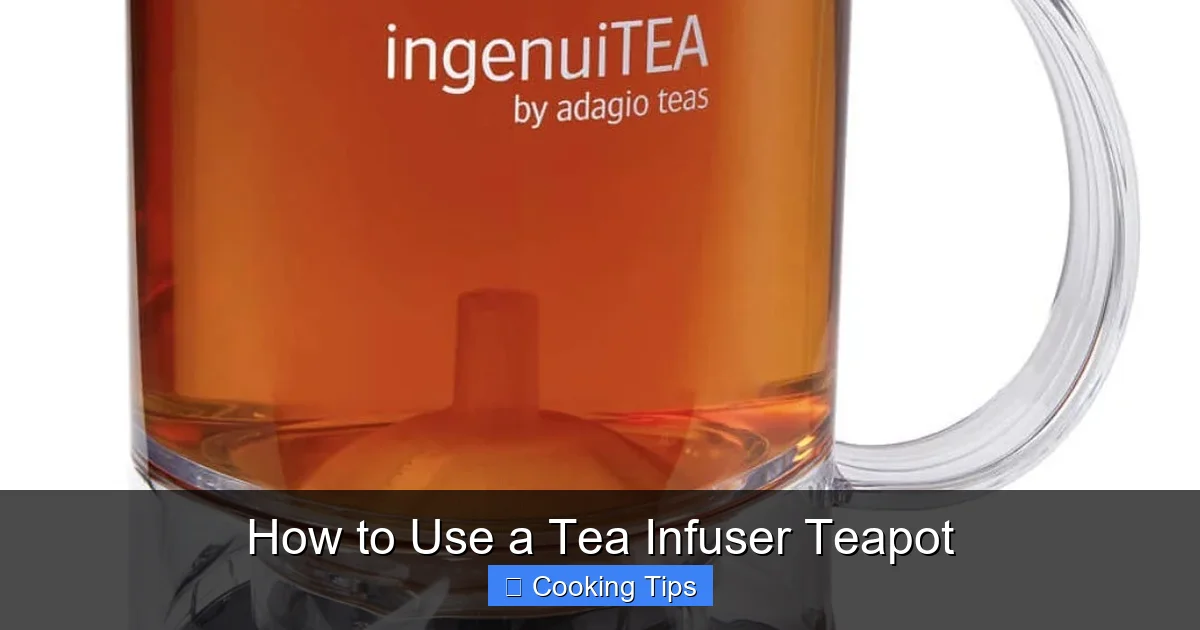
Unlock the art of perfect tea brewing with our comprehensive guide to using a tea infuser teapot. Learn everything from choosing your tea to cleaning your infuser, ensuring a delicious and aromatic cup every time. This guide provides step-by-step instructions and practical tips to elevate your tea-drinking experience and make the most of your infuser teapot.
Key Takeaways
- Understand Your Tea Infuser Teapot: Recognize the main components – the teapot, the infuser basket, and the lid – and their functions.
- Choose the Right Tea: Select loose-leaf teas for optimal flavor and aroma, as they have more room to expand and infuse properly in the infuser.
- Properly Prepare the Infuser: Learn the ideal amount of tea leaves to use based on the type of tea and your desired strength.
- Master the Brewing Process: Understand the importance of water temperature and steeping time, which vary significantly by tea type.
- Enjoy Your Perfect Brew: Know when to remove the infuser to prevent over-steeping and bitterness.
- Effortless Cleaning and Maintenance: Discover how to easily clean your infuser teapot to keep it in pristine condition for future brews.
How to Use a Tea Infuser Teapot
Welcome, tea lovers! If you’ve recently acquired a beautiful tea infuser teapot or are curious about making the switch from tea bags to loose-leaf, you’ve come to the right place. There’s a certain elegance and a depth of flavor to be discovered when brewing tea with an infuser teapot. It allows the tea leaves to unfurl and release their full aromatic potential, creating a truly superior cup.
This guide is designed to walk you through every step, from selecting your tea to enjoying that final, satisfying sip. We’ll demystify the process, offering clear, actionable advice so you can confidently use your tea infuser teapot and consistently brew delicious, perfect cups of tea. Get ready to elevate your tea ritual!
Understanding Your Tea Infuser Teapot
Before we dive into the brewing process, let’s get acquainted with your tea infuser teapot. Most infuser teapots consist of three primary parts:
The Teapot: This is the vessel that holds your brewed tea. It comes in various sizes and materials, such as glass, ceramic, or porcelain. Glass teapots are popular because they allow you to see the beautiful color of your tea as it steeps.
The Infuser Basket: This is the heart of your infuser teapot. It’s a removable basket, often made of stainless steel or fine mesh, designed to hold your loose-leaf tea. The mesh is crucial, allowing water to flow freely through the leaves while preventing them from escaping into the main body of the teapot.
The Lid: The lid seals the teapot, helping to retain heat during the steeping process. Some lids have a small hole or vent to allow steam to escape, preventing condensation buildup.
Choosing Your Tea
The beauty of an infuser teapot lies in its ability to handle loose-leaf tea. While tea bags are convenient, they often contain “fannings” and “dust” – smaller tea particles that can lead to a less nuanced flavor. Loose-leaf tea, on the other hand, comprises whole or larger pieces of tea leaves. This allows for better expansion during steeping, resulting in a richer aroma and more complex flavor profile.
When choosing loose-leaf tea, consider:
- Type of Tea: Black, green, white, oolong, herbal infusions – each offers a unique taste experience.
- Quality: Opt for reputable tea vendors. High-quality loose-leaf tea will make a noticeable difference in your cup.
- Freshness: Tea is best enjoyed when fresh. Check the packaging date if available.
Preparing Your Tea Infuser Teapot
This is where the magic begins! Proper preparation ensures your tea infuser teapot is ready to create a delightful brew.
Step 1: Preheat Your Teapot
This might seem like a small step, but preheating your teapot is essential for maintaining the correct brewing temperature. A cold teapot can rapidly cool down the water, hindering proper infusion.
How to Preheat:
- Boil some water (more than you’ll need for your tea).
- Pour a small amount of the hot water into your empty teapot.
- Swirl the water around to coat the inside of the teapot.
- Discard the hot water.
Step 2: Measure Your Tea Leaves
The amount of tea you use is a matter of personal preference and the type of tea. A general guideline for most loose-leaf teas is 1 teaspoon of tea leaves per 8 ounces (about 240 ml) of water. However, this can vary:
- Herbal Infusions: These are often bulkier. You might need more, like 1-2 teaspoons per cup.
- Delicate Teas (like white or green teas): Sometimes, 1.5-2 teaspoons are recommended due to their lighter density.
- Stronger Brews: If you prefer a more robust flavor, simply add a little extra tea.
Pro Tip: It’s helpful to have a small measuring spoon or a dedicated tea scoop. Experiment with different amounts to find your perfect ratio.
Step 3: Add Tea Leaves to the Infuser Basket
Carefully place the measured tea leaves into the infuser basket. Ensure the leaves have enough room to expand. Overfilling the infuser can prevent proper water circulation and lead to uneven steeping.
Important Note: If your infuser basket is very small and you are using a large amount of tea, consider using a larger infuser or brewing in batches.
Step 4: Insert the Infuser Basket into the Teapot
Once the tea leaves are in the infuser, place the infuser basket into the empty teapot. Most infuser teapots are designed so the basket fits snugly within the teapot, either resting on a ledge or hanging from the rim.
Brewing Your Tea
Now for the main event – brewing! This step requires attention to water temperature and steeping time, as these factors significantly impact the flavor of your tea.
Step 5: Heat Your Water to the Correct Temperature
This is perhaps the most critical step. Different types of tea require different water temperatures to extract their optimal flavors without becoming bitter or weak.
- Black Tea: 200-212°F (93-100°C) – Just off the boil or a rolling boil.
- Oolong Tea: 185-205°F (85-96°C) – Varies depending on the oxidation level of the oolong.
- Green Tea: 160-180°F (71-82°C) – Cooler water is crucial to prevent bitterness.
- White Tea: 175-185°F (79-85°C) – Delicate and requires slightly cooler water.
- Herbal Infusions (Tisanes): 212°F (100°C) – Typically benefit from a full boil.
How to Achieve the Right Temperature:
- Kettle with Temperature Control: The easiest method. Set your desired temperature and the kettle does the rest.
- Thermometer: Use a kitchen thermometer to check the water temperature as it heats.
- Visual Cues (for non-temperature-controlled kettles):
- Boiling: Big, rolling bubbles.
- Just off the boil: Let the kettle sit for about 30 seconds after boiling.
- For cooler temperatures: Let the kettle sit longer (1-3 minutes for green/white tea temperatures), or pour boiling water into a separate pitcher for a minute before pouring into the teapot.
Step 6: Pour Water Over the Tea Leaves
Once your water is at the correct temperature, gently pour it over the tea leaves in the infuser basket. Ensure all the tea leaves are submerged.
Tip: Pouring slowly and in a circular motion can help to agitate the leaves slightly, aiding in the infusion process.
Step 7: Steep Your Tea
Now, the tea needs time to infuse. This is where steeping time comes into play. Just like water temperature, steeping times vary significantly.
- Black Tea: 3-5 minutes.
- Oolong Tea: 3-7 minutes (can be re-steeped multiple times).
- Green Tea: 1-3 minutes. Over-steeping green tea is a common cause of bitterness.
- White Tea: 4-6 minutes.
- Herbal Infusions: 5-10 minutes (or longer for stronger flavor).
Remember: These are general guidelines. Always check the tea packaging for specific recommendations. You can also adjust steeping times based on your preference. If a 3-minute steep is too weak, try 3.5 minutes next time.
Cover the Teapot: Place the lid on your teapot during steeping to keep the heat in. This ensures a consistent infusion temperature.
Step 8: Remove the Infuser Basket
This is a crucial step to prevent your tea from becoming bitter. Once the steeping time is up, carefully lift the infuser basket out of the teapot. Most infuser baskets have a handle or a rim that allows for easy removal. Place the removed infuser on a saucer or in a designated spot to catch any drips.
What happens if you don’t remove it? Leaving the tea leaves in the hot water for too long (over-steeping) can release tannins, which cause a bitter, astringent taste.
Serving and Enjoying Your Tea
Your perfect cup of tea is now ready!
Step 9: Pour and Serve
Gently pour the freshly brewed tea from your infuser teapot into your cup. If you’re adding milk, sugar, or lemon, do so now.
Tip: For a cleaner pour, especially with glass teapots, ensure the infuser basket is fully removed. Some teapots have a built-in strainer at the spout as an extra layer of defense against stray leaves.
Cleaning and Maintenance
Keeping your tea infuser teapot clean will ensure it lasts and continues to brew the best-tasting tea.
Step 10: Empty and Rinse the Infuser Basket
After you’ve poured your tea, carefully remove the infuser basket. Discard the used tea leaves. Most infuser baskets can be rinsed under running water. For stubborn residue, a gentle brush can be used.
Step 11: Wash the Teapot
The teapot itself should be washed after each use. Use warm, soapy water and a soft cloth or sponge. Avoid abrasive cleaners or scrubbers, especially if your teapot is made of delicate material like porcelain or has a painted design.
- For Glass Teapots: They are generally easy to clean. A quick rinse is often sufficient, but a gentle wash will remove any tea oils.
- For Ceramic/Porcelain Teapots: Be gentle to preserve the glaze and any decorative elements.
Step 12: Dry Thoroughly
Ensure both the teapot and the infuser basket are dried completely before storing. This prevents water spots and potential mildew growth.
Storage: Store your teapot and infuser separately or with the lid slightly ajar to allow for air circulation.
Troubleshooting Common Issues
Even with the best intentions, you might encounter a few minor hiccups. Here’s how to solve them:
Tea is too bitter?
Cause: Water was too hot, or the tea steeped for too long.
Solution: Use cooler water and reduce the steeping time. For green and white teas, this is especially important. Try a lower temperature and a shorter steep next time.
Tea is too weak?
Cause: Not enough tea leaves used, or water temperature was too low.
Solution: Increase the amount of tea leaves you use. Ensure your water is at the correct temperature for the specific tea type.
Infuser basket has residue?
Cause: Fine tea particles or oils have clung to the mesh.
Solution: Use a soft brush (like a toothbrush dedicated to tea cleaning) with warm water to gently scrub away any residue. For very stubborn stains, a paste of baking soda and water can be used, but rinse thoroughly afterward.
Tea has a “metallic” taste?
Cause: Often related to the material of the infuser or teapot. Low-quality stainless steel can sometimes impart a taste.
Solution: Ensure you are using a good quality stainless steel infuser. Sometimes, a thorough cleaning can help. If the problem persists, consider trying a different type of infuser (e.g., ceramic or glass filter if your teapot allows).
Conclusion
Using a tea infuser teapot is a rewarding way to experience the full spectrum of flavors and aromas that loose-leaf tea has to offer. It’s a simple yet elegant process that, once mastered, will transform your daily tea ritual into a moment of pure enjoyment.
By understanding the components of your teapot, choosing quality loose-leaf tea, paying close attention to water temperature and steeping times, and maintaining your equipment, you’re well on your way to brewing the perfect cup every single time. So go ahead, experiment with different teas, and savor the delightful difference that an infuser teapot makes. Happy brewing!
