

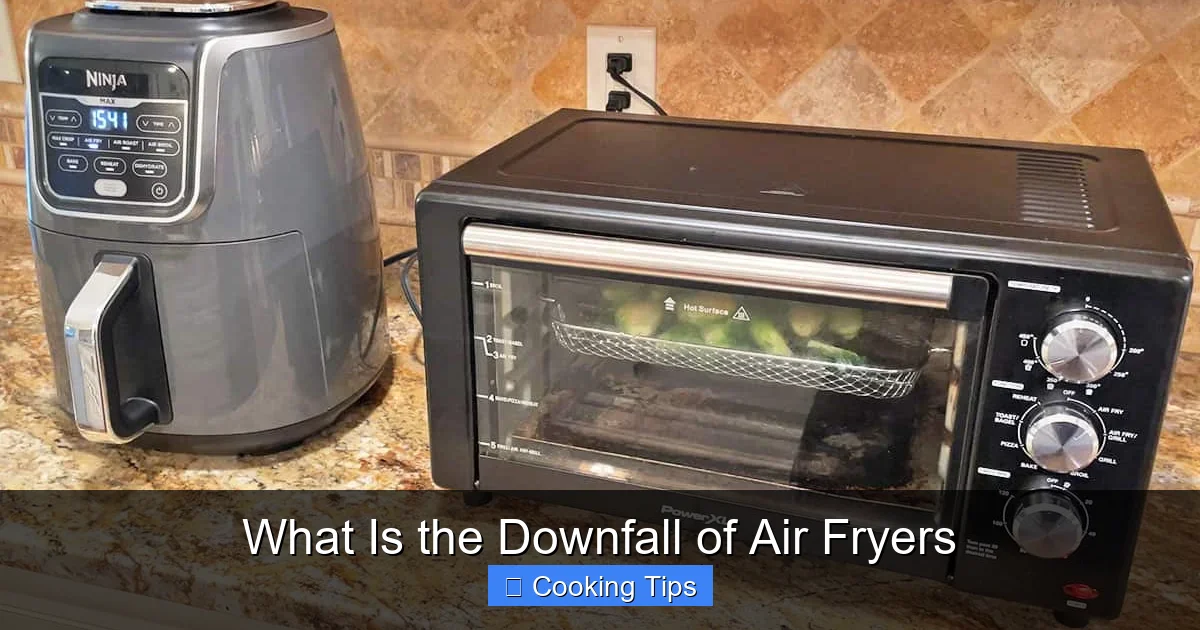
While air fryers offer speed and crispiness, their downfall lies in limitations. This guide delves into their restricted capacity, potential for uneven cooking, and the fact that not all foods are ideal candidates. We’ll explore what these appliances can’t do well, helping you make informed cooking decisions and avoid disappointment.
Key Takeaways
- Limited Capacity: Air fryers often struggle with cooking large batches, making them less ideal for families or entertaining.
- Uneven Cooking Risk: Overcrowding the basket or improper food placement can lead to some parts being burnt while others remain undercooked.
- Not for Everything: Certain foods, like wet batters or delicate greens, don’t air fry well and can become messy or ruined.
- Surface Area is Key: The effectiveness of an air fryer relies on hot air circulating freely, so single layers of food are best.
- Texture Differences: While crisp, air-fried food may not achieve the exact same texture as deep-fried or oven-roasted equivalents.
- Learning Curve Exists: Mastering air fryer techniques requires practice to understand cooking times, temperatures, and food arrangements.
What Is the Downfall of Air Fryers
Air fryers have taken the culinary world by storm. They promise quick, crispy results with less oil, fitting perfectly into our busy lives and desire for healthier eating. Many of us have enthusiastically added these countertop wonders to our kitchens, eager to whip up everything from fries to chicken wings. But like any kitchen gadget, air fryers aren’t a magic bullet. While incredibly useful for many tasks, they also have their limitations and downsides. Understanding these shortcomings is crucial to using your air fryer effectively and avoiding frustration. This guide will explore the downfall of air fryers, looking at what they don’t do well, how to work around their limitations, and when it might be better to reach for a different cooking appliance.
Understanding the Air Fryer Mechanism
Before diving into the downsides, it’s helpful to understand how an air fryer works. Essentially, an air fryer is a powerful convection oven in a compact form. It uses a heating element at the top and a fan to circulate extremely hot air around your food at high speed. This rapid circulation of hot air is what creates the crispy exterior, mimicking the effect of deep frying but with a fraction of the oil. The food is typically placed in a perforated basket, allowing air to reach all sides.
This design is excellent for certain foods, but it also highlights where its weaknesses lie. The intense, focused hot air needs room to move. It’s this need for airflow that leads to many of the air fryer’s downfalls.
The Biggest Downfalls of Air Fryers
Let’s break down the most significant drawbacks of air fryers. Recognizing these will help you manage your expectations and use the appliance more strategically.
1. Limited Capacity: The Batch Size Struggle
One of the most common complaints about air fryers is their size. Most air fryer baskets are relatively small. This means you can’t cook large quantities of food at once.
Why Capacity Matters
If you have a large family or often entertain guests, an air fryer can be a bottleneck in your cooking process. You might find yourself cooking in multiple small batches, which takes longer than cooking a single, larger batch in a conventional oven or on the stovetop. This can be particularly frustrating when you’re trying to serve everyone hot food at the same time.
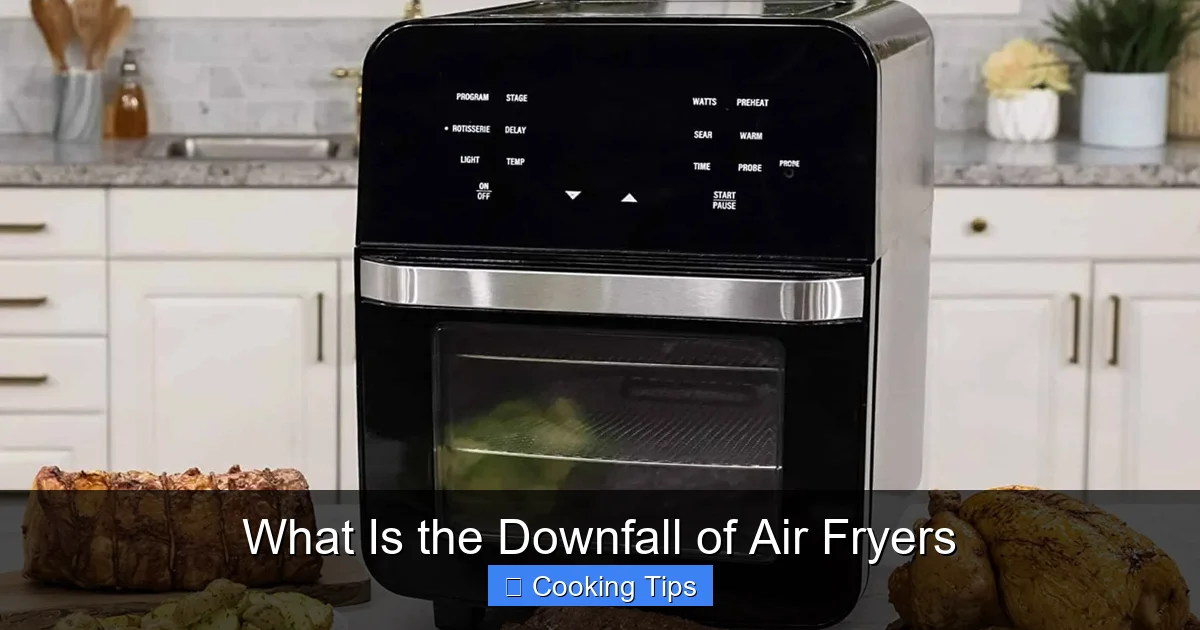
Visual guide about What Is the Downfall of Air Fryers
Image source: foodsguy.com
Tips for Overcoming Capacity Issues
- Cook in Batches: This is the most straightforward solution. While it takes longer, it ensures food is cooked properly. Keep the first batch warm in a low oven while you cook the next.
- Choose Foods Wisely: Air fryers are best for cooking side dishes or smaller portions of main courses. Consider using them for items like roasted vegetables, fries, or individual chicken pieces.
- Invest in a Larger Model: If capacity is a major concern, consider purchasing a larger air fryer or an air fryer oven, which often has multiple racks and a larger overall cooking volume.
- Supplement with Other Appliances: For large meals, use your air fryer for specific components that benefit most from its capabilities (e.g., crispy potatoes) and use your oven or stovetop for the rest.
2. Uneven Cooking: The Airflow Challenge
The same principle that makes air fryers effective – rapid hot air circulation – can also lead to uneven cooking. This happens when food is too close together or when the basket is overloaded.
The Science Behind Uneven Cooking
For the hot air to do its job effectively, it needs to circulate freely around each piece of food. When the basket is packed too tightly, the air gets blocked. Some parts of the food will be exposed to intense hot air, leading to crisping and browning, while other parts will be shielded, remaining soft, pale, and potentially undercooked. This is a significant downfall for those seeking consistent results.
How to Achieve Even Cooking
- Single Layer is Best: Always aim to arrange food in a single layer in the air fryer basket. Avoid stacking pieces on top of each other.
- Don’t Overcrowd: If you have too much food, it’s better to cook it in two smaller batches than to overload the basket.
- Shake or Flip Foods: For items like fries, tater tots, or chicken wings, shake the basket halfway through the cooking time. For larger items like chicken breasts or fish fillets, flip them over. This ensures all sides get exposed to the hot air.
- Cut Food Uniformly: Ensure that all pieces of food are roughly the same size and thickness. This will help them cook at a similar rate, reducing the chance of some being overcooked while others are undercooked.
3. Not All Foods Are Air Fryer-Friendly
The crispy, crunchy results we love from air fryers are achieved by dehydrating and browning the exterior of food. This means some types of food simply don’t perform well in this environment.
Foods to Be Cautious With
- Wet Batters: Foods coated in wet batters (like tempura or traditional fried chicken batter) often won’t crisp up properly in an air fryer. The batter can become gummy or drip off before it has a chance to set and crisp.
- Leafy Greens: Delicate greens like spinach or kale can be blown around by the fan and become dried out or burnt rather than nicely crisped.
- Very Wet Foods: Foods with a very high moisture content, such as fresh, unbreaded mozzarella sticks, can sometimes lead to a soggy outcome because the air fryer struggles to evaporate all the moisture quickly enough.
- Breaded Foods Requiring Oil: While many breaded items do well, some recipes that are designed to be submerged in oil for deep frying might not achieve the same texture or depth of flavor when air-fried.
Best Air Fryer Candidates
Air fryers excel with foods that benefit from drying and browning. Think about:
- Frozen fries, tater tots, and hash browns.
- Chicken wings and drumsticks (especially after being tossed in a bit of oil).
- Breaded chicken tenders or fish fillets.
- Roasted vegetables like broccoli, Brussels sprouts, and potatoes.
- Spring rolls and dumplings.
- Reheating pizza and fried foods to restore crispiness.
4. Texture Differences: The Deep-Fried vs. Air-Fried Debate
While air fryers do an admirable job of creating crispy textures, it’s important to acknowledge that the results won’t always be identical to deep frying.
What’s the Difference?
Deep frying involves submerging food in hot oil, which transfers heat very efficiently and creates a unique crispy crust. Air frying relies on hot air, which is less efficient at heat transfer. This means that while air-fried food can be wonderfully crisp, it might lack the same moist interior and uniformly golden, slightly oily crust that deep-fried food has. The “air-fried” texture is often drier and more uniformly crispy.
Managing Texture Expectations
- Use a Little Oil: For many foods, tossing them with a tablespoon or two of oil before air frying can significantly improve both texture and flavor, bringing it closer to fried results.
- Experiment with Settings: Different air fryer models and food types will yield varying textures. Don’t be afraid to experiment with cooking times and temperatures to find what works best.
- Consider the Purpose: If you’re aiming for the absolute authentic deep-fried experience, an air fryer might not be the perfect substitute. However, if you’re looking for a healthier, quicker, and still very satisfyingly crispy alternative, it’s an excellent choice.
5. Learning Curve and Experimentation Required
No kitchen appliance is entirely intuitive, and air fryers are no exception. While they are generally easy to use, achieving perfect results consistently often requires some trial and error.
Why a Learning Curve Exists
Every air fryer is a bit different. Wattage, basket design, and even the way the fan circulates air can vary. Furthermore, recipes need to be adapted. A recipe developed for a conventional oven or deep fryer won’t necessarily translate directly to an air fryer. You need to learn how your specific air fryer behaves, how to best prepare your food, and the optimal cooking times and temperatures.
Tips for Mastering Your Air Fryer
- Start with Simple Recipes: Begin with familiar foods like fries or chicken wings. These are forgiving and will help you get a feel for your appliance.
- Read Your Manual: It might seem obvious, but the manufacturer’s manual often contains valuable tips and recommended cooking times for common foods.
- Follow Recipes Designed for Air Fryers: Look for recipes specifically written for air fryers. These have been tested and will give you a much better starting point.
- Keep Notes: As you cook, make notes about cooking times, temperatures, and any adjustments you made. This will build a personal recipe book for your air fryer.
- Watch Online Tutorials: Many cooking blogs and YouTube channels offer excellent air fryer tutorials and demonstrations.
6. Surface Area and Airflow Dependency
The entire effectiveness of an air fryer hinges on the ability of hot air to reach all surfaces of the food. This means foods that don’t have much surface area exposed or that are very dense might not cook well.
The Importance of Surface Area
Think about how hot air cooks. It needs to wrap around the food. If you have a large, dense piece of meat with no other components, it might cook unevenly. Similarly, small, tightly packed items will suffer. The ideal scenario is food items that are somewhat separated, allowing air to flow between them.
Maximizing Airflow
- Cut Foods into Smaller Pieces: For larger items, consider cutting them into smaller, bite-sized pieces. This increases the surface area exposed to the hot air.
- Choose Foods with Natural Air Channels: Foods like florets of broccoli or cauliflower have natural spaces that allow air to circulate.
- Avoid Piling Food: As mentioned earlier, never pile food into the basket. Keep it spread out.
- Use Accessories (Carefully): Some air fryers come with accessories like racks or skewers. These can help elevate food and improve airflow, but ensure they don’t block the primary air circulation path.
When Not to Use Your Air Fryer

Visual guide about What Is the Downfall of Air Fryers
Image source: fryingwithair.com
Given these downfalls, there are definitely times when another cooking method might be a better choice.
Instances Where Other Appliances Shine
- Cooking for a Crowd: For large gatherings, your oven or a large roasting pan is almost always a better choice than an air fryer.
- Baking Delicate Items: While some air fryers can bake, they aren’t ideal for delicate cakes, pastries, or soufflés where precise temperature control and even heat from all sides are critical.
- Cooking Large Roasts or Whole Chickens: Unless you have a very large air fryer oven, a conventional oven is designed for these larger items.
- Making Sauces or Soups: Air fryers are not designed for cooking liquids.
- When Uniform Texture is Paramount: If you are aiming for the exact texture of deep-fried food or a perfectly moist oven-baked cake, you might need to use a different appliance.
Conclusion: Embracing the Air Fryer’s Strengths by Understanding Its Weaknesses
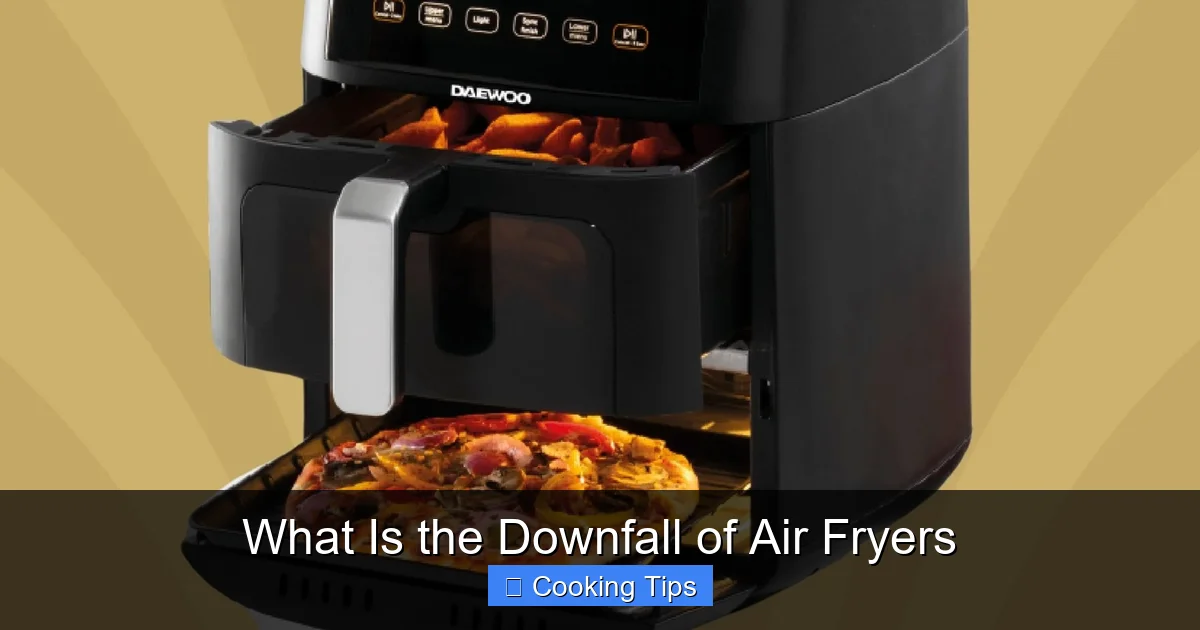
Visual guide about What Is the Downfall of Air Fryers
Image source: daewooelectricals.com
Air fryers are fantastic tools that have revolutionized weeknight cooking for many. Their ability to deliver crispy, delicious food with less oil is a major win for health-conscious home cooks. However, it’s important to acknowledge their limitations. The downfall of air fryers isn’t a reason to dismiss them, but rather an invitation to use them more intelligently. By understanding their capacity constraints, the importance of airflow for even cooking, and the types of food they handle best, you can unlock their full potential.
Don’t let the occasional less-than-perfectly-cooked batch deter you. With a little practice, experimentation, and an awareness of their inherent design, your air fryer can become an indispensable part of your kitchen. It’s about knowing when to reach for it, how to prepare your food for optimal results, and when to enlist the help of your trusty oven or stovetop. Embrace the air fryer for what it does best, and you’ll continue to enjoy its many benefits.
