

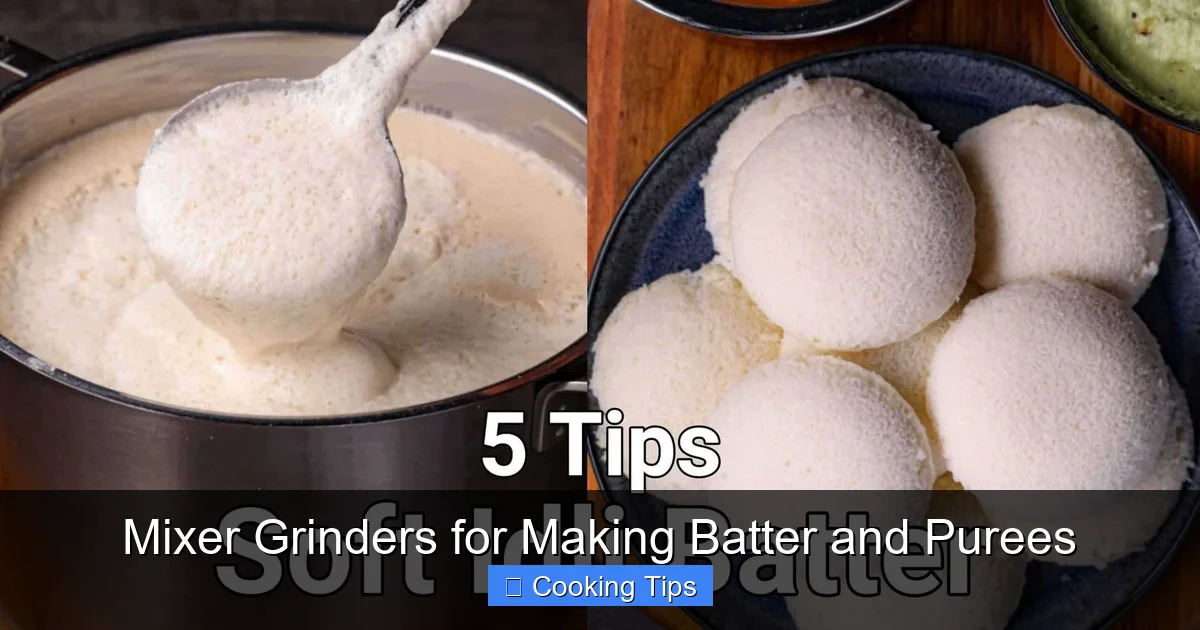
Unlock the full potential of your mixer grinder for creating smooth batters and creamy purees. This guide covers everything from selecting the right machine and understanding its features to mastering the art of blending different ingredients. Discover essential techniques for achieving the perfect consistency, while also learning practical tips for cleaning and maintenance to ensure your mixer grinder serves you well for years to come. Get ready to elevate your culinary creations with effortless batter and puree preparation.
Mixer Grinders for Making Batter and Purees
Key Takeaways
- Choosing the Right Mixer Grinder: Understand the importance of motor power, jar capacity, blade types, and material construction for batter and puree tasks.
- Essential Features to Look For: Identify features like pulse function, speed settings, and overload protection that enhance usability for making batter and purees.
- Mastering Batter Consistency: Learn techniques for grinding grains, lentils, and other ingredients to achieve the desired batter consistency for various dishes.
- Creating Smooth Purees: Discover how to transform fruits, vegetables, and other ingredients into silky-smooth purees with the correct jar and blade usage.
- Effective Usage Techniques: Understand how to load ingredients, use speed settings appropriately, and avoid overfilling for optimal results.
- Cleaning and Maintenance: Follow straightforward steps for cleaning your mixer grinder after use and essential maintenance practices to prolong its lifespan.
- Troubleshooting Common Issues: Address potential problems like overheating, inconsistent grinding, or motor issues with practical solutions.
Introduction
The kitchen is often the heart of the home, and a good mixer grinder is a true workhorse within it. While we often associate mixer grinders with grinding spices or making chutneys, their capabilities extend far beyond that. Two of the most common and crucial culinary tasks that a powerful mixer grinder can simplify are making batters and purees. Whether you’re preparing idli and dosa batter, fluffy pancakes, or silky-smooth baby food, understanding how to effectively use your mixer grinder for these purposes can save you a significant amount of time and effort.
In this comprehensive guide, we will delve into everything you need to know about using mixer grinders specifically for making batters and purees. We’ll cover how to choose the right machine, the essential features to look for, step-by-step instructions for achieving perfect consistency, practical tips for various ingredients, and vital information on cleaning and maintenance. By the end of this guide, you’ll be well-equipped to harness the full power of your mixer grinder and elevate your cooking with delicious, homemade batters and purees.
Choosing the Right Mixer Grinder for Batter and Purees
Not all mixer grinders are created equal, and selecting the right one is the first step towards successful batter and puree making. Several factors come into play.
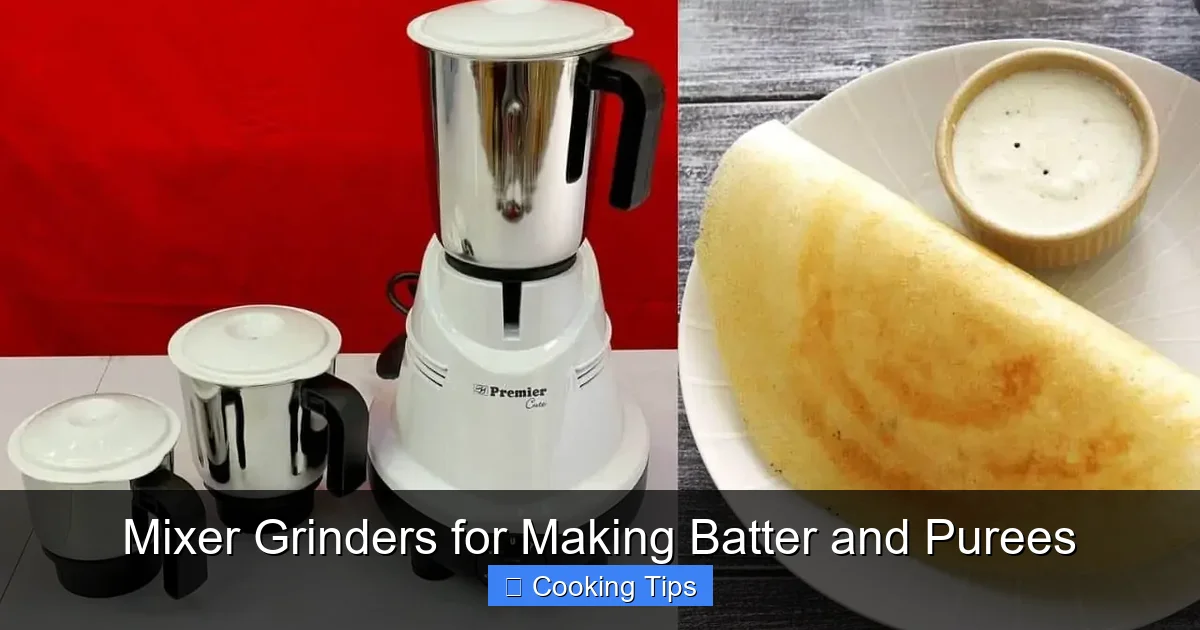
Visual guide about Mixer Grinders for Making Batter and Purees
Image source: honestgrinders.com
Motor Power
For tasks like grinding grains for batter or tough vegetables for purees, a powerful motor is essential. Look for mixer grinders with a motor power of at least 750 watts. Higher wattage indicates a stronger motor that can handle longer grinding times and tougher ingredients without straining or overheating.
Jar Capacity and Material
Mixer grinders typically come with multiple jars of different sizes. For batter making, especially for larger families, a larger jar (1.5 to 2 liters) is beneficial. For purees, you might use smaller jars for smaller batches. The material of the jars is also important. Stainless steel jars are durable, hygienic, and don’t retain odors or stains. Some come with polycarbonate lids for easy visibility.
Blade Design
The type and sharpness of the blades significantly impact the grinding quality. Mixer grinders designed for batter often have specialized blades that are efficient at grinding soaked grains and lentils to a fine, smooth consistency. For purees, sharp, multi-purpose blades work well.
Build Quality and Durability
A sturdy body, good quality materials, and robust construction ensure your mixer grinder lasts. Check for a solid base, well-fitted jars, and a motor that feels powerful yet stable during operation.
Essential Features for Batter and Puree Making
Beyond the basic specifications, certain features can make using your mixer grinder for batters and purees much more convenient and effective.
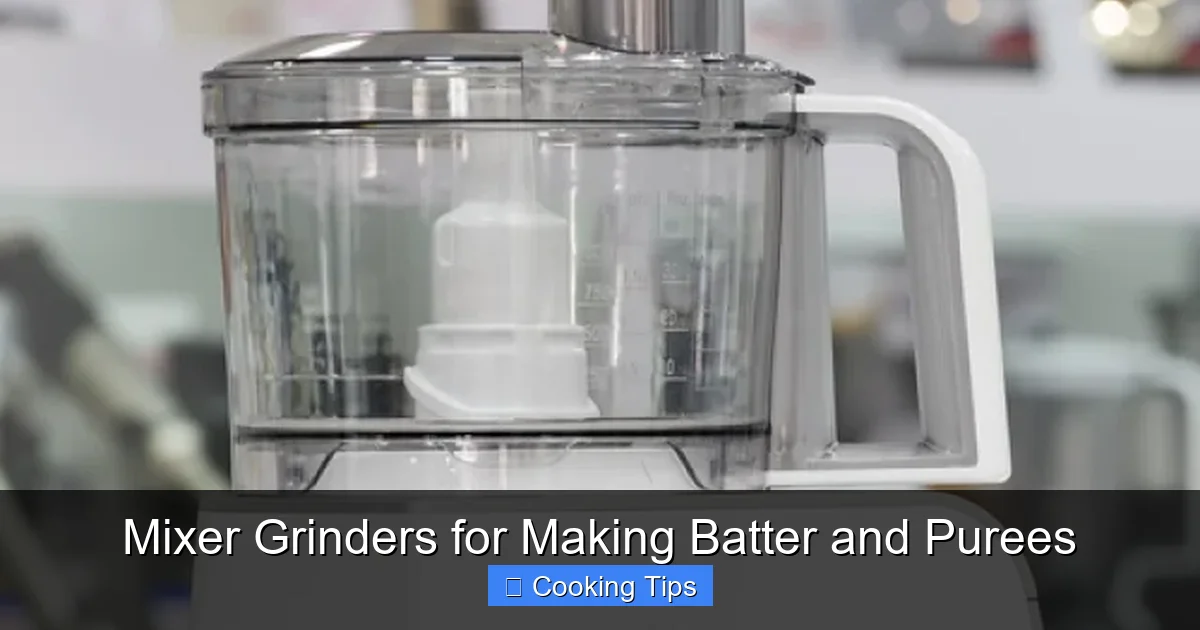
Visual guide about Mixer Grinders for Making Batter and Purees
Image source: orpatgroup.com
Speed Settings
Variable speed settings allow you to control the grinding process. Starting on a lower speed and gradually increasing it helps prevent splashing and ensures even grinding. For batters, you might need to start slow and then increase speed for smoothness. For purees, precise control can help achieve the desired texture.
Pulse Function
The pulse function is invaluable. It allows you to give short bursts of power, which is perfect for breaking down ingredients before continuous grinding or for achieving a specific texture in purees. It also helps scrape down the sides of the jar.
Overload Protection
This is a crucial safety feature. Overload protection automatically shuts off the motor if it overheats, preventing damage to the appliance. This is especially important when grinding for extended periods, as can be the case with batter preparation.
Stabilizing Suction Cups
These keep the mixer grinder firmly in place on your countertop, preventing wobbling or movement during operation, especially when dealing with powerful grinding or larger batches.
Step-by-Step Guide to Making Batter
Making homemade batter from scratch can seem daunting, but with the right mixer grinder, it’s straightforward.
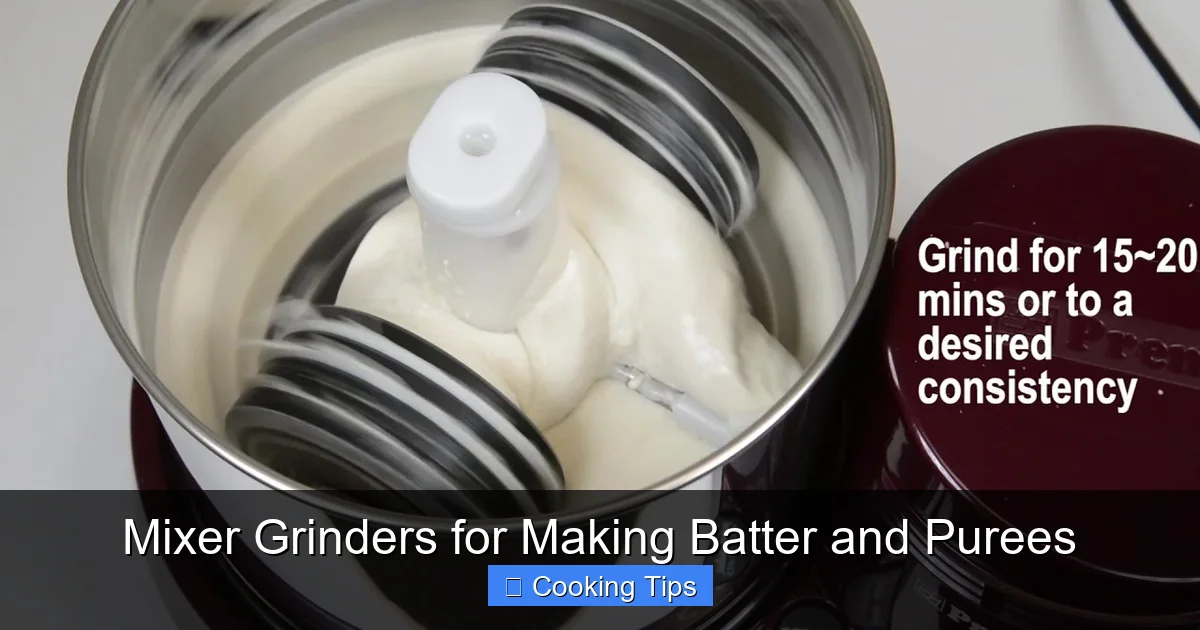
Visual guide about Mixer Grinders for Making Batter and Purees
Image source: i.ytimg.com
Step 1: Preparation and Soaking
Soak Grains and Lentils
The key to a good batter is proper soaking. Depending on the recipe (e.g., idli, dosa, uttapam), soak the required grains and lentils (like rice, urad dal) in water for the recommended duration. Typically, this is 4-6 hours or overnight.
Drain the Soaked Ingredients
After soaking, drain the water completely from the grains and lentils. Some recipes may require you to retain a small amount of soaking water for grinding, so check your recipe carefully.
Step 2: Grinding the Batter
Load the Jar
Add the soaked and drained ingredients to the mixer grinder jar. Do not fill the jar beyond its recommended capacity (usually up to 2/3rds full). Overfilling can lead to inefficient grinding and strain the motor.
Add Minimal Water
Begin grinding with very little water. You can add water gradually, a tablespoon at a time, as needed during the grinding process. This helps achieve the desired consistency and prevents the batter from becoming too watery.
Start Grinding
Secure the lid tightly. Start the mixer grinder on a low speed setting. Listen to the sound and observe the consistency. You may need to use the pulse function initially to break down the ingredients.
Scrape Down the Sides
Periodically stop the mixer and use a spatula to scrape down the sides of the jar. This ensures all ingredients are incorporated into the grinding process and leads to a smoother batter.
Increase Speed for Smoothness
Once the initial grinding is done and the ingredients are starting to form a paste, you can increase the speed. Continue grinding until you achieve a smooth, fluffy batter of the desired consistency. For idli batter, it should be thick but pourable, while for dosa, it can be slightly thinner.
Check Consistency
Once you’re satisfied, stop the mixer and check the batter’s consistency. If it’s too thick, add a tiny bit more water and grind again briefly. If it’s too thin, you might have added too much water; unfortunately, it’s hard to correct this, so be cautious with water addition.
Step 3: Fermentation
Pour the ground batter into a separate container and allow it to ferment in a warm place. The fermentation time varies depending on the climate and recipe, typically ranging from 8 to 12 hours.
Step-by-Step Guide to Making Purees
Creating smooth, lump-free purees for sauces, soups, baby food, or dips is a breeze with a good mixer grinder.
Step 1: Preparation of Ingredients
Choose Your Ingredients
Select ripe fruits, vegetables, or cooked ingredients you want to puree. For vegetables like carrots or potatoes, ensure they are cooked until tender before pureeing.
Chop into Smaller Pieces
Cut the ingredients into smaller, manageable pieces. This makes it easier for the mixer grinder blades to process them efficiently and reduces the risk of the motor struggling.
Remove Seeds and Skins (if necessary)
For certain fruits like tomatoes or berries, you might want to remove seeds and tough skins before pureeing for a smoother result. For baby food, it’s generally recommended to remove all inedible parts.
Step 2: Pureeing the Ingredients
Load the Jar
Place the prepared ingredients into the mixer grinder jar. Again, avoid overfilling the jar; leave enough space for the ingredients to move around freely.
Add Liquid (if needed)
Depending on the ingredient and desired consistency, you might need to add a liquid. This could be water, broth, milk, cream, or even some of the cooking liquid from vegetables. Add just enough to help the blades move freely and achieve a smooth texture.
Start Grinding
Secure the lid and start the mixer grinder on a low speed. Use the pulse function a few times to break down larger chunks.
Increase Speed and Grind
Gradually increase the speed to high and let the mixer run until the ingredients are completely smooth. The time required will depend on the ingredients and the power of your mixer grinder.
Check and Adjust
Stop the mixer and check the consistency of the puree. If it’s not smooth enough, continue grinding. If it’s too thick, add a little more liquid and grind again. For an extremely smooth puree, you might need to run the mixer for a longer duration on high speed.
Strain for Extra Smoothness (Optional)
For very delicate purees, such as for infants, you can pass the puree through a fine-mesh sieve after grinding to remove any remaining tiny lumps or fibers.
Practical Tips for Batter and Puree Making
Here are some tips to get the best results:
- Use Cold Water for Batter: Using cold water while grinding batter can help keep the motor cool and prevent the batter from fermenting too quickly in the jar.
- Don’t Over-Grind: Over-grinding batter can sometimes lead to a sticky texture. Aim for a smooth but not overly processed consistency.
- Start with Soft Ingredients for Purees: If you’re new to pureeing, start with softer fruits like bananas or avocados before moving on to tougher vegetables.
- Cook Vegetables Thoroughly: For vegetable purees, ensure vegetables are cooked until very soft. This makes them easier to blend and results in a smoother puree.
- Clean Jars Immediately: For both batters and purees, it’s best to clean the jars as soon as you’re done. Dried-on batter or puree can be difficult to remove.
- Listen to Your Mixer: Pay attention to the sound of your mixer grinder. If it sounds strained or is making unusual noises, stop it and check what might be the issue (e.g., overfilling, too little liquid).
Cleaning and Maintenance
Proper cleaning and maintenance are crucial for the longevity and performance of your mixer grinder.
Immediate Cleaning After Use
Disassemble the Jars
After emptying the contents, detach the blades from the jars carefully. Most jars have detachable blades for easier cleaning.
Wash with Warm Soapy Water
Wash the jars, lids, and blades thoroughly with warm water and mild dish soap. Use a brush to clean around the blades and ensure no residue remains.
Rinse Thoroughly
Rinse all parts with clean water to remove all soap traces.
Dry Completely
Ensure all parts are completely dry before reassembling or storing them. Moisture can lead to rust or mold.
Cleaning the Mixer Grinder Body
Wipe the exterior of the mixer grinder body with a damp cloth. Never immerse the motor base in water. Ensure the vents are free of dust and debris.
Blade Maintenance
If your blades appear dull, some mixer grinders allow for sharpening. However, generally, after prolonged use, blades might need replacement. Handle blades with extreme care due to their sharpness.
Motor Care
Avoid running the mixer grinder continuously for more than the recommended time (usually 3-5 minutes, followed by a cool-down period). This prevents the motor from overheating. Ensure the overload protection is working correctly.
Troubleshooting Common Issues
Even with the best care, you might encounter a few issues.
Issue: Mixer Grinder Overheats
Solution: This is usually due to prolonged use or overfilling. Let the mixer grinder cool down for at least 10-15 minutes before using it again. Ensure you are not exceeding the recommended running time and that the jars are not overfilled.
Issue: Inconsistent Grinding (Batter or Puree)
Solution: Ensure you are adding ingredients in the correct order and not overfilling the jar. If grinding batter, ensure you are adding liquid gradually. For purees, make sure ingredients are chopped into appropriate sizes and that there’s enough liquid to help the blades move. Use the pulse function to break down stubborn chunks.
Issue: Motor Does Not Start
Solution: Check if the mixer grinder is properly plugged in. Ensure the jar is correctly seated on the base and the lid is securely locked. If it still doesn’t start, the overload protection might have tripped, or there could be an issue with the motor itself, requiring professional servicing.
Issue: Leaking from the Jar
Solution: Ensure the gasket at the bottom of the jar (if applicable) is clean and properly fitted. Make sure the lid is tightly secured. If the jar itself is damaged, it may need to be replaced.
Conclusion
Your mixer grinder is a versatile kitchen appliance that can significantly simplify the process of preparing batters and purees. By understanding the importance of choosing the right machine, utilizing its features effectively, and following proper techniques for grinding and cleaning, you can achieve perfect results every time. From fluffy idli batter to smooth fruit purees for your little ones, your mixer grinder can be your secret weapon in the kitchen. Remember to always prioritize safety, follow your appliance’s manual, and enjoy the convenience and delicious outcomes that come with mastering the art of batter and puree making with your trusty mixer grinder.
