

Making your own baby food is a healthy and rewarding choice, and the right mixer grinder can make it incredibly simple. This guide will walk you through identifying the best mixer grinders for baby food, covering essential features like material, blade sharpness, motor power, and safety certifications. You’ll learn how to effectively use your chosen appliance for various ingredients and understand proper cleaning and maintenance to ensure hygienic and nutritious purees.
Mixer Grinders Suitable for Making Baby Food
Welcome, parents and caregivers! Embarking on the journey of making homemade baby food is one of the most loving and health-conscious decisions you can make for your little one. It allows you to control exactly what goes into their tiny tummies, ensuring the purest, freshest ingredients without any added preservatives or sugars. But the thought of pureeing everything from soft bananas to fibrous carrots can seem daunting. That’s where the humble, yet mighty, mixer grinder comes in!
You might be wondering, “Can my regular kitchen mixer grinder really handle making baby food?” The answer is a resounding yes, with a few important considerations. Not all mixer grinders are created equal when it comes to preparing delicate baby purees. This guide is here to demystify the process. We’ll help you understand what features to look for in a mixer grinder that makes it perfectly suited for creating smooth, nutritious baby food. We’ll also guide you through the steps of using your appliance effectively and keeping it in top condition for healthy meals.
By the end of this guide, you’ll feel confident in selecting, using, and maintaining a mixer grinder that will become your go-to kitchen companion for nourishing your baby. Let’s dive in!
Key Takeaways
- Understand Essential Features: Look for durable, food-grade materials (stainless steel, BPA-free plastic), sharp, multi-purpose blades, sufficient motor power for smooth purees, and good capacity for batch cooking.
- Prioritize Safety First: Ensure the mixer grinder has safety locks, overload protection, and is from a reputable brand with relevant safety certifications to protect your baby.
- Consider Versatility: Choose a model that can handle both dry and wet grinding, as you’ll want to puree fruits, vegetables, grains, and even small amounts of cooked meats.
- Ease of Cleaning is Crucial: Removable, dishwasher-safe parts are a lifesaver for busy parents. Simple designs with fewer nooks and crannies make cleaning faster and more hygienic.
- Motor Power Matters for Texture: A higher wattage motor (e.g., 500W and above) generally leads to smoother purees, especially for tougher ingredients like cooked vegetables and grains.
- Capacity and Size: Select a size that suits your batch cooking needs. Smaller jars are great for single servings, while larger ones are ideal for preparing food for a few days.
- Budget-Friendly Options Exist: While specialized baby food makers are available, many standard mixer grinders with the right features can effectively and affordably serve the purpose of making baby food.
Why Choose a Mixer Grinder for Baby Food?
Before we get into the nitty-gritty of choosing a mixer grinder, let’s quickly touch upon why it’s a fantastic tool for baby food preparation.
* Versatility: Mixer grinders can handle a wide range of ingredients, from soft fruits to cooked vegetables and even small amounts of cooked meats.
* Texture Control: You can achieve various textures, from very smooth purees for early eaters to chunkier blends for older babies transitioning to solid foods.
* Cost-Effective: Often, you already have a mixer grinder in your kitchen, saving you the expense of buying a dedicated baby food maker.
* Efficiency: They can quickly process food, saving you valuable time when preparing meals for your little one.
Selecting the Right Mixer Grinder for Baby Food
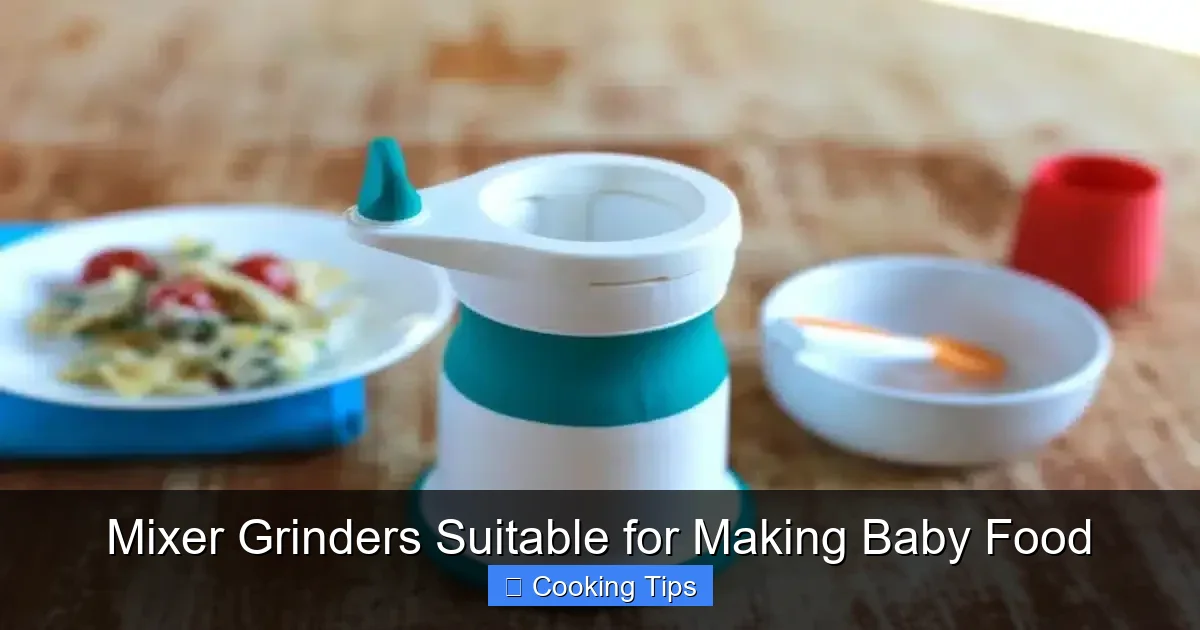
Visual guide about Mixer Grinders Suitable for Making Baby Food
Image source: thepersianpot.com
The key to successfully making baby food with a mixer grinder lies in choosing the right one. Here are the crucial features to consider:
Material Matters: Safety and Durability
The materials used in your mixer grinder are paramount, especially when preparing food for a vulnerable infant.
* Jars and Blades: Opt for mixer grinders with jars made from high-quality stainless steel or BPA-free, food-grade plastic. Stainless steel is excellent as it’s non-reactive, durable, and easy to clean. If you choose plastic, ensure it is explicitly labeled as BPA-free and food-grade. The blades should also be made of durable stainless steel.
* Body: The main body of the mixer grinder can be made of ABS plastic or stainless steel. Both are generally safe if of good quality.
Blade Design and Sharpness: The Pureeing Powerhouse
The blades are what do all the hard work. For baby food, you want blades that can achieve a smooth consistency.
* Multi-Purpose Blades: Look for mixer grinders that come with multiple jars, each potentially having different blade configurations. A set of sharp, multi-purpose stainless steel blades is ideal. Some models offer specialized blades for grinding, chutney, or blending, which can be useful.
* Sharpness: Extremely sharp blades are crucial for effortlessly pulverizing cooked ingredients into a smooth puree. Dull blades might require you to process food for longer or might not achieve the desired silky-smooth texture.
* Blade Material: Again, stainless steel is the gold standard for its durability and resistance to rust.
Motor Power: Smoothness is Key
The wattage of the mixer grinder’s motor directly impacts its performance.
* Wattage Range: For baby food, especially when dealing with cooked vegetables or grains, a motor with at least 500 watts is recommended. Higher wattage (750W or more) will offer more power and efficiency, leading to smoother purees more quickly.
* Overload Protection: This is a vital safety feature that prevents the motor from overheating and getting damaged if you’re processing a large batch or tough ingredients for too long.
Jar Capacity and Configuration: Size and Versatility
The size and type of jars will determine how much baby food you can make at once and the versatility of your appliance.
* Multiple Jars: Many mixer grinders come with a set of jars. For baby food, having a smaller jar (around 0.5 to 1 liter) can be perfect for making single servings or small batches. A larger jar (1.5 liters or more) is useful for preparing a few days’ worth of food at once.
* Wet vs. Dry Grinding: Ensure your mixer grinder is designed for both wet and dry grinding. While you’ll be doing a lot of wet grinding (pureeing), the dry grinding function can be useful for grinding oats or other grains into powder for added baby meals.
* Lids: Jars with secure-fitting lids are important to prevent splattering and ensure safety during operation. Some lids come with a small opening for adding ingredients while the appliance is running.
Ease of Cleaning: A Parent’s Best Friend
Let’s be honest, cleaning is a major part of parenting. A mixer grinder that’s easy to clean will save you significant hassle.
* **Removable Parts:** Look for jars and blades that detach easily from the base.
* **Dishwasher Safe:** Jars, lids, and blades that are dishwasher safe are a dream come true for busy parents. Always check the manufacturer’s instructions, though, as not all parts might be dishwasher safe.
* **Smooth Surfaces:** Jars with smooth interiors and fewer nooks and crannies where food can get stuck will be much easier to wipe clean.
Safety Features: Protecting Your Little One
Safety is non-negotiable when it comes to baby food.
* Overload Protection: As mentioned earlier, this protects the motor and your appliance.
* Safety Locks: The mixer grinder should not operate unless the jar is correctly locked into place. This prevents accidental spills or the jar coming loose during operation.
* Stable Base: A sturdy, non-slip base will prevent the appliance from moving around on your countertop during use.
* Reputable Brands: Purchase from well-known brands that have a track record of producing safe and reliable kitchen appliances. Look for certifications like ISI mark (in India) or UL (in the US) which indicate compliance with safety standards.
Using Your Mixer Grinder for Baby Food: A Step-by-Step Approach
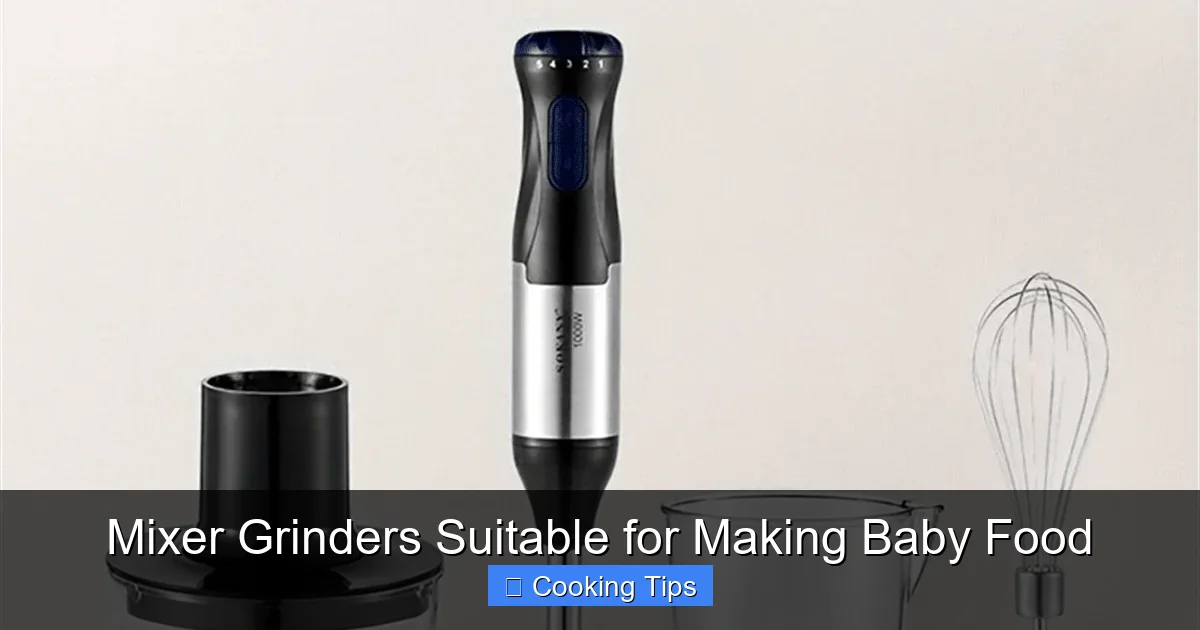
Visual guide about Mixer Grinders Suitable for Making Baby Food
Image source: img.ltwebstatic.com
Once you’ve chosen your ideal mixer grinder, here’s how to use it to create delicious baby food:
Step 1: Prepare Your Ingredients
* **Cook Ingredients Thoroughly:** For most fruits and vegetables, steaming or boiling until tender is the best approach. This makes them easier to blend and ensures they are safe for your baby. For fruits like bananas or avocados, no cooking is needed.
* **Cut into Small Pieces:** After cooking (if required), cut your ingredients into manageable chunks, about 1-2 inches in size. This will help the mixer grinder process them more efficiently.
* **Remove Seeds, Pits, and Tough Skins:** Always remove any potential choking hazards like seeds, pits, or tough outer skins from fruits and vegetables.
Step 2: Load the Mixer Grinder Jar
* **Add Cooked Ingredients:** Place the prepared, cooled chunks of food into the appropriate jar of your mixer grinder.
* **Add Liquid (If Necessary):** Depending on the ingredients and the desired consistency, you may need to add a liquid. This could be:
* **Water:** Plain, clean water is often sufficient.
* **Breast Milk or Formula:** Adding breast milk or formula can make the puree more palatable and add nutrients.
* **Cooking Water:** The water you used to steam or boil vegetables can be added back to create a smoother puree.
* **Start with Less Liquid:** It’s always easier to add more liquid if the puree is too thick than to try and thicken it if it’s too thin.
Step 3: Secure the Lid and Operate
* **Lock the Jar:** Ensure the jar is securely locked onto the mixer grinder base.
* **Attach the Lid:** Firmly secure the lid onto the jar. If there’s a small opening, ensure it’s covered or that you are ready to add liquid if needed.
* **Select Speed:** Start with a lower speed and gradually increase if necessary. For very smooth purees, you might need to pulse the appliance a few times before running it continuously.
* **Process Until Smooth:** Run the mixer grinder until you achieve the desired consistency. For very young babies, aim for a silky-smooth texture. For older babies, you can pulse less for a slightly chunkier texture. Don’t over-process, as this can sometimes make purees too watery.
Step 4: Check Consistency and Adjust
* **Open Carefully:** Once the appliance stops, wait for the blades to come to a complete halt before opening the lid.
* **Assess Texture:** Spoon out a small amount to check the consistency. If it’s too thick, add a little more liquid and blend again briefly. If it’s too thin, you might need to add a small amount of a thicker food (like a cooked and mashed banana) or a grain like rice cereal and blend again.
Step 5: Serve or Store
* **Serve Fresh:** You can serve the baby food immediately.
* **Storage:** For storage, let the puree cool completely. Transfer it into clean, airtight containers or ice cube trays.
* Refrigeration: Baby food stored in the refrigerator is typically good for 2-3 days.
* Freezing: For longer storage, freeze portions. Once frozen, you can transfer cubes from ice cube trays into freezer bags to save space. Frozen baby food can last for 1-2 months.
Cleaning and Maintenance: Keeping it Hygienic
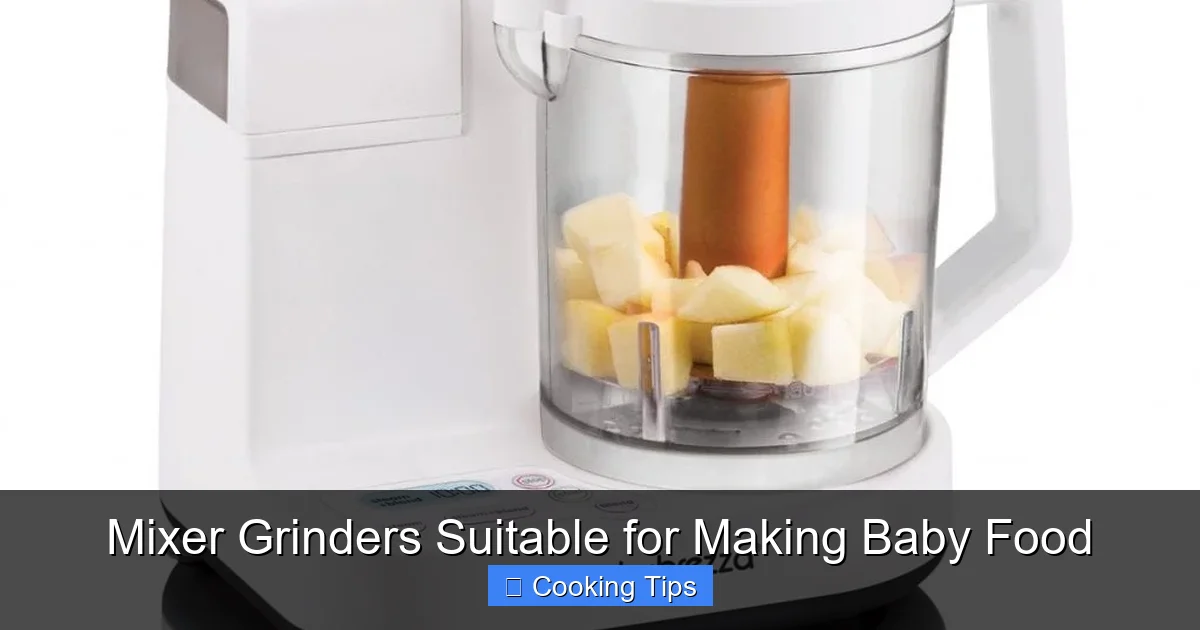
Visual guide about Mixer Grinders Suitable for Making Baby Food
Image source: goonproducts.com
Proper cleaning and maintenance are essential to ensure your mixer grinder remains hygienic for baby food.
Immediate Cleaning is Best
* **Rinse Immediately:** After use, rinse the jar, lid, and blades thoroughly with warm water. This prevents food particles from drying and becoming difficult to remove.
Detailed Cleaning Procedures
* **Disassemble:** Carefully disassemble the jar, lid, and blades.
* **Wash:** Wash all removable parts with warm, soapy water. Use a soft sponge or brush to clean any stubborn residue. Be very careful when handling the sharp blades.
* **Rinse Thoroughly:** Rinse all parts with clean water to remove all soap residue.
* **Dry Completely:** Allow all parts to air dry completely before reassembling or storing. Moisture can lead to mold growth.
* **Wipe the Base:** Use a damp cloth to wipe down the mixer grinder’s base. Never immerse the base in water.
Blade Care
* **Handle with Care:** Always handle the blades by their plastic or metal grip to avoid nicks and cuts.
* **Sharpening (if applicable): Some high-quality mixer grinders have blades that retain their sharpness for a long time. If yours seems dull, consult your user manual for specific instructions on sharpening or replacement. For most domestic mixer grinders used for baby food, this is rarely needed.
Regular Checks
* Periodically check the seals and gaskets for any signs of wear and tear. Replace them if they are damaged to prevent leaks.
Troubleshooting Common Issues
* Puree is Not Smooth Enough:
* Cause: Insufficient blending time, dull blades, or not enough liquid.
* Solution: Blend for longer, ensure your ingredients were cooked until very soft, and add a little more liquid.
* Mixer Grinder is Not Starting:
* Cause: Jar not locked properly, overload protection tripped, or power issue.
* Solution: Ensure the jar is securely locked. Unplug the appliance for a few minutes to allow the overload protection to reset, then try again. Check the power outlet.
* Leaking from the Jar:
* **Cause:** Loose lid, damaged gasket, or overfilling the jar.
* **Solution:** Ensure the lid is tightly secured. Check the gasket for damage and replace if necessary. Do not fill the jar beyond the maximum fill line.
Conclusion
Choosing the right mixer grinder for making baby food is a decision that balances practicality, safety, and effectiveness. By focusing on essential features like food-grade materials, sharp stainless steel blades, adequate motor power, and ease of cleaning, you can find an appliance that seamlessly integrates into your baby’s feeding journey.
Remember, the goal is to create healthy, homemade meals with minimal fuss. A well-chosen mixer grinder will empower you to offer your baby a diverse range of textures and flavors, supporting their growth and development. Invest a little time in selecting the right tool, and you’ll be rewarded with countless delicious and nutritious purees for your little one. Happy blending!
