

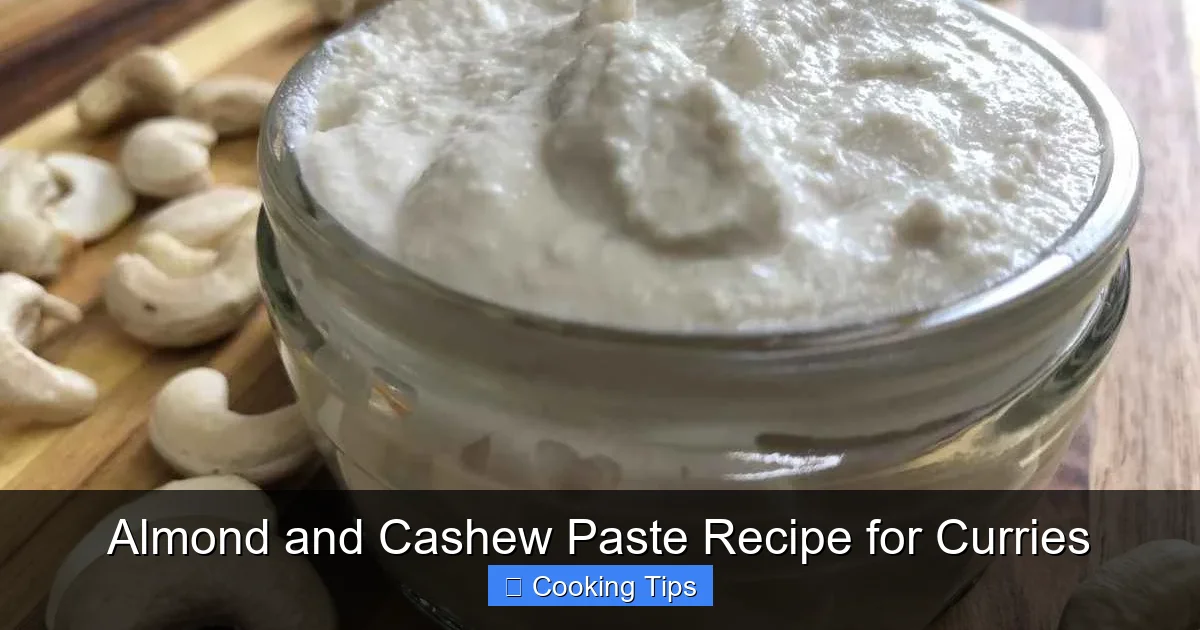
Elevate your homemade curries with this essential almond and cashew paste recipe. This guide provides simple, step-by-step instructions to create a luxurious, creamy base that adds depth and authentic flavor to a wide variety of Indian dishes. Learn the best techniques for toasting nuts, achieving the perfect consistency, and storing your paste for future culinary adventures.
Almond and Cashew Paste Recipe for Curries
Are you dreaming of creating those restaurant-quality Indian curries in your own kitchen? The kind with a rich, luscious texture and a depth of flavor that lingers on your palate? If so, you’ve come to the right place. Many of the most beloved and decadent curries, from Butter Chicken to Korma, owe their signature creaminess and luxurious mouthfeel to a special ingredient: nut paste. And today, we’re going to master the art of making the perfect Almond and Cashew Paste for Curries.
This isn’t just any nut paste. The specific blend of almonds and cashews creates a harmonious balance of nutty richness and subtle sweetness, forming the ideal foundation for a vast array of curried dishes. Forget store-bought alternatives that can be expensive and lack the freshness of homemade. By learning to make this simple paste, you’ll unlock a new level of authenticity and deliciousness in your cooking.
In this comprehensive guide, we’ll walk you through every step of creating this essential curry component. From selecting the right nuts to achieving the perfect silky smooth consistency, you’ll learn the techniques that will elevate your culinary creations. We’ll cover:
- The benefits of using almond and cashew paste in your cooking.
- Essential ingredients and equipment you’ll need.
- Detailed, easy-to-follow instructions for making the paste.
- Tips for customizing the paste’s texture and flavor.
- How to store your homemade paste for maximum freshness.
- Troubleshooting common issues you might encounter.
Get ready to transform your curries from ordinary to extraordinary with this foundational recipe. Let’s get started!
Key Takeaways
- Unlock Authentic Flavor: This almond and cashew paste is the secret to achieving rich, complex, and authentic flavors in your homemade Indian curries.
- Creamy Texture Guaranteed: The combination of almonds and cashews naturally creates a smooth, velvety texture, eliminating the need for heavy creams or dairy.
- Versatile Ingredient: Beyond curries, this paste can be used in sauces, gravies, marinades, and even as a base for dips and spreads.
- Simple Preparation: The recipe involves straightforward steps of soaking, grinding, and optionally toasting nuts, making it accessible for home cooks of all skill levels.
- Customizable Consistency: You have full control over the paste’s thickness by adjusting the amount of water used during grinding.
- Smart Storage Solutions: Learn how to properly store your prepared almond and cashew paste to maintain its freshness and flavor for future use.
Why Use Almond and Cashew Paste in Curries?
Before we dive into the ‘how-to,’ let’s briefly touch upon *why* this particular nut paste is so revered in Indian cuisine. It’s more than just adding nuts; it’s about the magic they bring to the dish:
- Creaminess Without Cream: Traditionally, dairy cream is often used to achieve a rich, creamy texture in curries. However, almond and cashew paste offers a fantastic dairy-free alternative. The natural oils and starches in these nuts, when ground into a paste, emulsify beautifully with liquids, creating an incredibly smooth and luxurious mouthfeel. This is especially beneficial for those with lactose intolerance or who prefer a plant-based diet.
- Depth of Flavor: Almonds lend a subtle sweetness and a delicate, slightly bitter undertone that adds complexity. Cashews, on the other hand, contribute a buttery richness and a milder, sweeter profile. Together, they create a nuanced flavor base that complements spices without overpowering them.
- Thickening Agent: Beyond creaminess, the paste acts as a natural thickening agent. It helps to give curries a satisfying body and prevents them from becoming too watery.
- Nutrient Boost: Nuts are packed with healthy fats, protein, and essential nutrients. Adding this paste to your curries can make them more wholesome and filling.
- Authenticity: Many classic Indian dishes, particularly Mughlai cuisine and regional specialties, rely on nut pastes as a cornerstone of their flavor profile. Using this paste is a direct step towards achieving that authentic taste.
Ingredients and Equipment You’ll Need
The beauty of this recipe lies in its simplicity. You likely have most of the ingredients and equipment already in your kitchen.
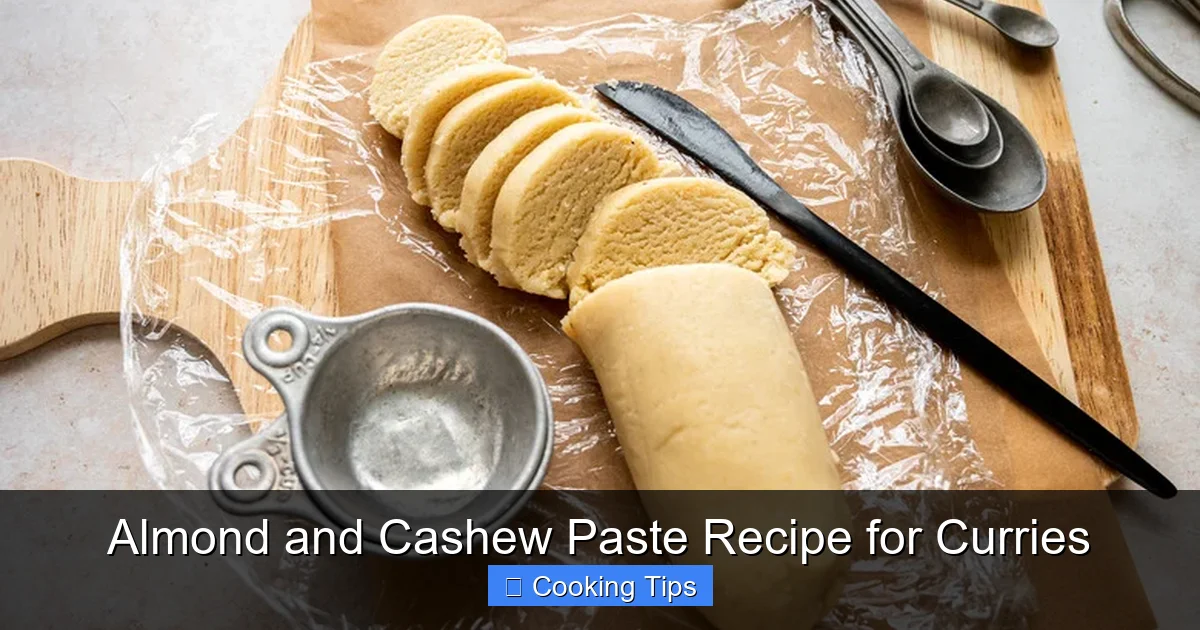
Visual guide about Almond and Cashew Paste Recipe for Curries
Image source: mashed.com
Ingredients:
- Raw Almonds: About 1/2 cup (75g). Look for blanched almonds if you want a smoother, lighter-colored paste, though unblanched are perfectly fine and will simply add a slightly darker hue and a touch more texture.
- Raw Cashews: About 1/2 cup (75g). Again, raw is best. Roasted and salted nuts will alter the flavor profile significantly.
- Warm Water: About 1/2 cup to 1 cup (120-240ml), plus more if needed. This is used for soaking and grinding.
- Optional: A pinch of salt (if not using salted nuts and you prefer a slight savory note in your paste).
- Optional: A few saffron strands (soaked in a tablespoon of warm milk for a beautiful aroma and color in certain dishes like Korma).
Equipment:
- Small bowl: For soaking the nuts.
- Measuring cups and spoons.
- Spice grinder, food processor, or high-powered blender: This is your key tool for grinding the nuts into a smooth paste. A spice grinder or a powerful blender will yield the smoothest results. A food processor can work, but it might take a bit longer and may not achieve quite the same silken finish, especially with smaller batches.
- Spatula: For scraping down the sides of your grinder/processor.
- Airtight container: For storing the finished paste.
Step-by-Step Guide to Making Almond and Cashew Paste
Making this paste is a straightforward process that requires minimal effort but yields maximum flavor impact. Follow these steps carefully for the best results.

Visual guide about Almond and Cashew Paste Recipe for Curries
Image source: willowbirdbaking.com
Step 1: Soak the Nuts
Soaking is a crucial step that softens the nuts, making them easier to grind into a smooth paste. It also helps to reduce phytic acid, which can make nuts harder to digest for some people.
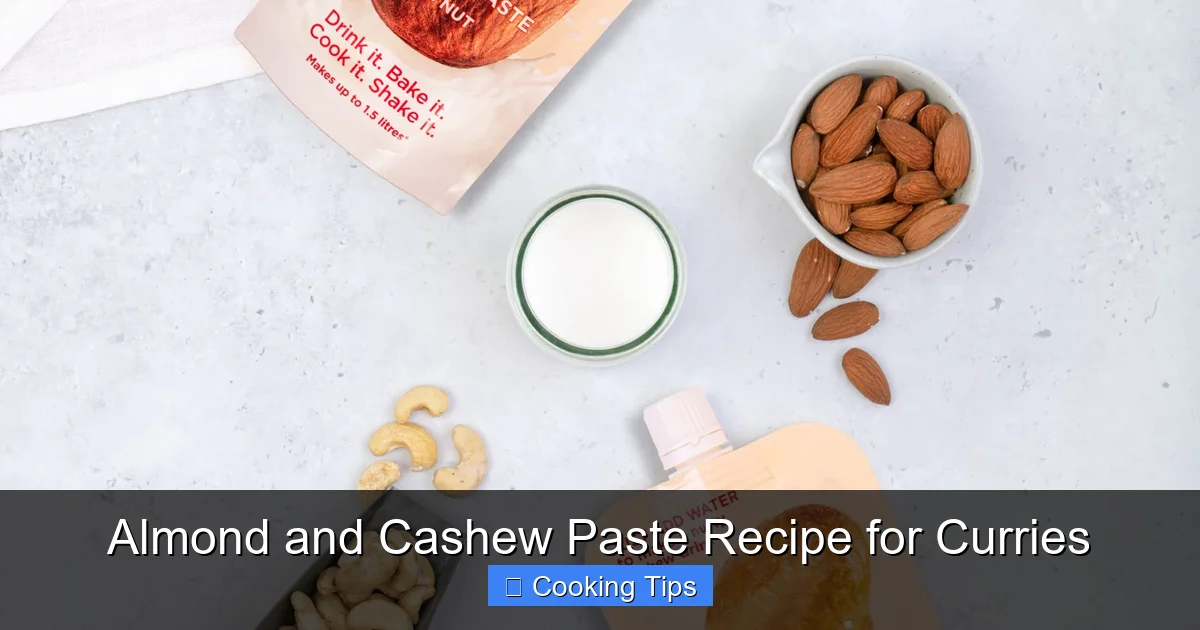
Visual guide about Almond and Cashew Paste Recipe for Curries
Image source: fabnews.live
Sub-step 1.1: Combine Nuts and Water
In a small bowl, combine your raw almonds and raw cashews. Pour enough warm water over them to cover them by at least an inch.
Sub-step 1.2: Soak Time
Let the nuts soak for at least 2-4 hours at room temperature. For an even smoother paste and easier grinding, you can soak them for longer, even overnight in the refrigerator. If you’re in a hurry, you can soak them in very hot (not boiling) water for about 30 minutes, though the traditional method is preferred for texture.
Sub-step 1.3: Drain and Rinse
Once soaked, drain the water completely. You can rinse the nuts under cool running water just to ensure no residual soaking liquid remains.
Step 2: Grind the Nuts
This is where the magic happens! Your soaking has prepared the nuts for transformation.
Sub-step 2.1: Transfer Nuts to Grinder
Place the drained and rinsed almonds and cashews into your spice grinder, food processor, or blender. If you’re using a blender, it’s best to do this in batches if your machine isn’t very powerful to avoid overheating.
Sub-step 2.2: Add Initial Water
Add about 1/4 cup (60ml) of fresh, cold water to the nuts. This initial amount of water will help get the grinding process started.
Sub-step 2.3: Grind to a Paste
Begin grinding. The process will go through stages: coarse meal, then a thicker paste, and finally, a smooth, creamy paste. This can take anywhere from 2 to 10 minutes, depending on the power of your equipment.
Sub-step 2.4: Scrape Down Sides
As you grind, you’ll need to stop periodically and scrape down the sides of your grinder/processor/blender with a spatula. This ensures that all the nuts are being incorporated and ground evenly.
Sub-step 2.5: Add Water Gradually
If the mixture is too thick and the blades are struggling to move, add more water, about 1 tablespoon at a time. Be patient! Adding too much water too quickly will result in a runny, watery paste, which is harder to thicken later. You are looking for a consistency similar to thick yogurt or a very smooth hummus.
Sub-step 2.6: Achieving Smoothness
Continue grinding and scraping until the paste is as smooth as you desire. For the silkiest texture, keep going until you no longer see any gritty bits of nuts.
Step 3: Optional Additions and Final Touches
Once you have your base paste, you can enhance it further.
Sub-step 3.1: Add Salt (Optional)
If you plan to use this paste in savory dishes and didn’t use salted nuts, you can add a tiny pinch of salt now and pulse a few more times to incorporate. Taste and adjust as needed. For many curry recipes, the salt will be added in the main curry preparation.
Sub-step 3.2: Add Saffron (Optional)
If you’re making a Korma or a similarly rich, aromatic dish, consider adding a few strands of saffron that have been bloomed in a tablespoon of warm milk. Pulse this into the paste for a beautiful golden hue and an exquisite aroma.
Step 4: Storing Your Almond and Cashew Paste
Proper storage is key to keeping your homemade paste fresh and ready for your next culinary adventure.
Sub-step 4.1: Transfer to Airtight Container
Spoon the finished paste into a clean, airtight container. Make sure the container is dry. Press a piece of parchment paper or plastic wrap directly onto the surface of the paste before sealing the lid. This helps prevent oxidation and keeps it from drying out.
Sub-step 4.2: Refrigeration
Store the container in the refrigerator. Homemade almond and cashew paste will typically last for about 5 to 7 days in the refrigerator.
Sub-step 4.3: Freezing for Longer Storage
For longer storage, you can freeze the paste. You can freeze the entire amount in an airtight container, or for convenience, spoon it into ice cube trays. Once frozen, transfer the cubes to a freezer-safe bag or container. Frozen paste will last for 2-3 months. Thaw frozen paste in the refrigerator overnight before use.
Tips for Perfecting Your Paste
Here are some extra tips to ensure your almond and cashew paste is always spot-on:
- Use Raw Nuts: Always start with raw, unsalted almonds and cashews. Roasted nuts have a different flavor and texture that won’t work as well for a neutral curry base.
- Don’t Over-Soak: While soaking is important, over-soaking for too long can make the nuts mushy and difficult to grind finely. Stick to the recommended soaking times.
- Patience is Key: Grinding nuts takes time and the occasional scrape. Don’t rush the process. The longer you grind, the smoother and creamier the paste will become.
- Adjust Water for Consistency: The amount of water needed can vary depending on your nuts and equipment. Start with less and add more as needed to achieve your desired consistency.
- Toasting for Deeper Flavor (Advanced): For a richer, nuttier flavor, you can lightly toast your almonds and cashews before soaking. Spread them on a baking sheet and toast in a preheated oven at 300°F (150°C) for about 5-7 minutes, watching them carefully to prevent burning. Let them cool completely before soaking. This step is optional but can add another dimension to your paste.
- Blanching Almonds: If you want a very pale and smooth paste, use blanched almonds. If you don’t have blanched almonds, you can blanch them yourself by soaking them in hot water for a minute, then draining. The skins should slip off easily.
Troubleshooting Common Issues
Even with the best intentions, you might run into a few minor hiccups. Here’s how to solve them:
Issue: My paste is too gritty.
Solution: This usually means it wasn’t ground long enough or your equipment isn’t powerful enough. If using a food processor, try transferring to a high-powered blender if you have one, or continue grinding for longer, scraping down the sides frequently. If you’ve already reached the limit of your equipment, you can strain the paste through a fine-mesh sieve, but you will lose some of the paste in the process.
Issue: My paste is too thin or watery.
Solution: This happens when too much water is added too quickly. Unfortunately, it’s difficult to thicken a paste that’s already too thin. You can try adding a few more soaked and drained nuts to the paste and grinding them in to thicken it, or if you’re using it in a curry, you can let the curry simmer for longer to naturally reduce and thicken. In the future, add water very gradually.
Issue: My paste has a slightly bitter taste.
Solution: This can sometimes happen with almonds, especially if they are unblanched and the skins are left on. Ensure you’re using fresh nuts. If the bitterness is mild, the spices and other ingredients in your curry will usually mask it. If it’s significant, you might want to try soaking for longer or even blanching your almonds to remove the skins for a sweeter result next time.
Issue: My paste has separated after storage.
Solution: Natural oils in nuts can sometimes separate. This is perfectly normal. Simply stir the paste well before using it. If it looks dry, you can add a tiny bit of water or oil to bring it back to a smooth consistency.
Conclusion
Congratulations! You’ve just learned how to create a truly essential ingredient for authentic Indian cooking: almond and cashew paste. This simple recipe, requiring just a few nuts and a bit of patience, opens up a world of flavor and texture for your homemade curries. The creamy, rich base it provides is unparalleled and far superior to any store-bought alternative.
Remember, this paste is incredibly versatile. While it’s a staple for creamy curries like Korma, Pasanda, and various Mughlai dishes, don’t hesitate to experiment! It can be used to enrich gravies, marinades, and even as a base for dairy-free desserts or dips.
By mastering this almond and cashew paste, you’re not just making a recipe; you’re investing in a key technique that will empower you to recreate the authentic tastes of India in your own kitchen, time and time again. Enjoy the delicious results!
