

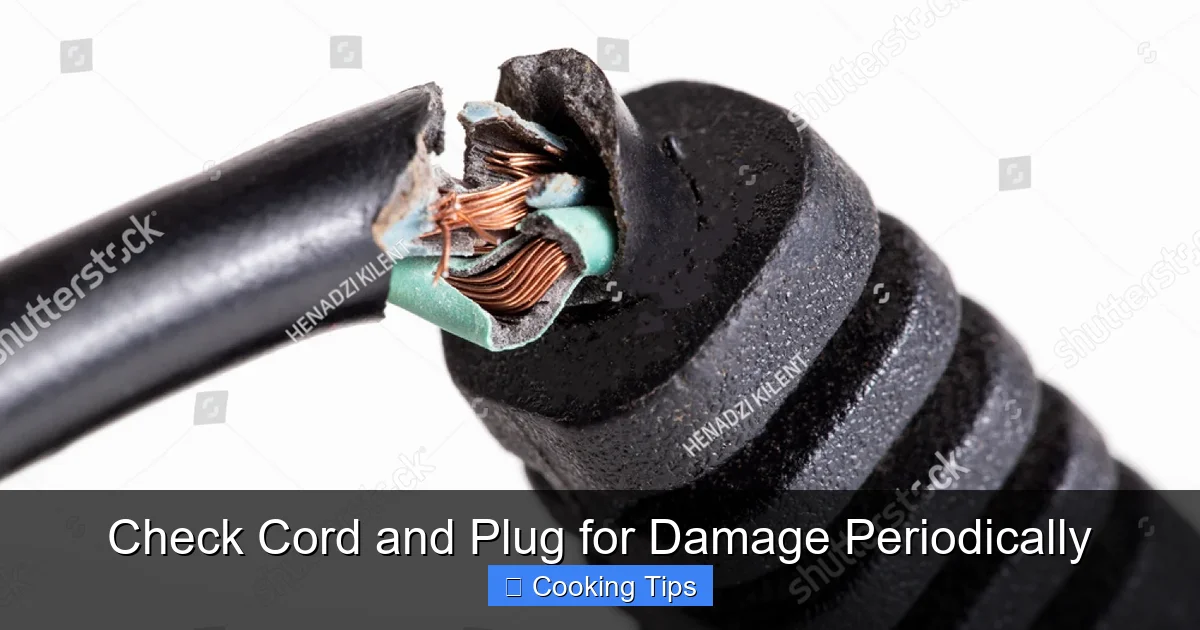
Regularly inspecting the cords and plugs of your cooking appliances is crucial for preventing electrical fires and shocks. This guide provides a simple, step-by-step process to identify common types of damage and what to do when you find it. By following these tips, you can ensure your kitchen remains a safe and enjoyable space for all your culinary adventures.
Check Cord and Plug for Damage Periodically
Welcome to your essential guide on keeping your kitchen safe! We all love our modern kitchen gadgets – the trusty toaster that perfectly browns our bread, the powerful blender that whips up smoothies, and the electric kettle that boils water in a flash. But have you ever stopped to think about the unsung heroes of these appliances: their cords and plugs? These vital components connect our devices to the power that makes them work, but they can also be a hidden source of danger if not cared for properly.
This guide is designed to empower you with the knowledge and simple steps needed to periodically check the cords and plugs of all your cooking appliances. We’ll walk you through what to look for, how to do it safely, and what to do if you discover any issues. By the end of this article, you’ll feel confident in your ability to maintain a safer kitchen environment and prevent potential electrical hazards. Let’s dive in!
Key Takeaways
- Regular inspection is vital: Periodically checking cords and plugs on all your kitchen appliances is essential for safety.
- Look for visible damage: Key signs include fraying, cuts, nicks, exposed wires, melted plastic, and loose connections.
- Check the entire cord length: Don’t just focus on the plug; examine the cord from the appliance to the wall.
- Inspect the plug itself: Ensure the prongs are straight, not bent or broken, and the plastic casing is intact.
- Unplug before inspecting: Always disconnect the appliance from the power source before performing any checks.
- When in doubt, replace: If you find any significant damage, do not use the appliance and consider replacing the cord or the appliance itself.
- Educate yourself on safety: Understanding the risks associated with damaged electrical cords is the first step to preventing accidents.
Why Regular Cord and Plug Checks Matter
It might seem like a minor detail, but the condition of your appliance cords and plugs plays a significant role in your home’s electrical safety. Over time, cords can degrade due to normal wear and tear, heat, moisture, or even accidental damage. A damaged cord or plug can lead to:
- Electrical Shocks: Exposed wires can deliver a nasty shock if touched.
- Short Circuits: Damaged insulation can cause wires to touch, leading to sparks and potential fires.
- Electrical Fires: Overheating due to faulty connections or damaged cords is a leading cause of household fires.
- Appliance Malfunction: Poor connections can lead to intermittent power, making your appliances work less efficiently or stop working altogether.
Think of it like checking the tires on your car. You wouldn’t wait until a blowout to inspect them, would you? Similarly, a quick, periodic check of your appliance cords is a proactive safety measure that can prevent serious accidents.
How to Safely Check Your Appliance Cords and Plugs
Performing these checks is straightforward and doesn’t require any special tools. The most important thing is to do it safely.
Step 1: Unplug the Appliance
This is the most critical step. Before you touch any part of the cord or plug, ensure the appliance is completely disconnected from the power outlet.
Turn off the switch
If your appliance has an on/off switch, turn it to the off position.
Pull the plug from the wall
Firmly grasp the plug itself, not the cord, and pull it straight out of the socket. Never yank the cord.
Step 2: Inspect the Plug
The plug is the part that connects to the wall. It’s often subjected to stress from being plugged and unplugged.
Examine the casing
Look for any cracks, chips, or melted areas on the plastic casing of the plug. If the plastic is damaged, it can expose the internal wires.
Check the prongs
The metal prongs that go into the outlet should be straight and intact. If they are bent, broken, or corroded, it can indicate a poor connection and a potential hazard. Ensure there are no signs of melting or discoloration around the prongs, which could mean it was overheating.
Step 3: Inspect the Cord
Now, move your attention to the cord itself. This is the flexible wire connecting the plug to the appliance.
Start at the plug end
Pay close attention to the area where the cord enters the plug. This “strain relief” point is a common area for damage. Look for any fraying, cracking, or exposed wires. The cord should be securely attached to the plug.
Examine the entire length of the cord
Gently run your fingers along the entire length of the cord. Feel for any:
- Cuts or nicks: These are breaks in the outer insulation, which can expose the inner wires.
- Fraying: This is when the outer protective layer starts to break apart, revealing individual strands of wire.
- Bulges or kinks: While not always dangerous, significant bulges can indicate internal damage, and sharp kinks can weaken the cord.
- Melted areas: This is a serious sign of overheating and should be addressed immediately.
- Areas that feel unusually hard or brittle: This can indicate the insulation is degrading due to age or heat exposure.
Check where the cord enters the appliance
Similar to the plug end, the point where the cord connects to the appliance is another common stress point. Inspect this area carefully for any signs of damage.
Step 4: Inspect the Appliance Connection (if visible)
For some appliances, the cord might connect internally. If you can see the point where the cord meets the appliance body, check for any looseness or damage.
Step 5: Test Cord Flexibility
Gently bend the cord in different sections. It should be flexible. If it feels stiff, brittle, or if you hear cracking sounds, the insulation may be deteriorating.
Step 6: What to Do If You Find Damage
This is where your proactive inspection pays off. If you discover any of the issues mentioned above, it’s crucial to take action.
Minor Fraying or a Small Nick (with no exposed wires):
If the damage is very minor and there are absolutely no exposed wires, some sources suggest using heavy-duty electrical tape to cover the damaged area. However, for cooking appliances, which are often used around heat and moisture, this is generally not recommended as a long-term solution. It’s better to err on the side of caution.
Significant Fraying, Cuts, Exposed Wires, Melted Areas, or Loose Connections:
If you find any of these issues, the cord is compromised and poses a significant safety risk.
Do not use the appliance.
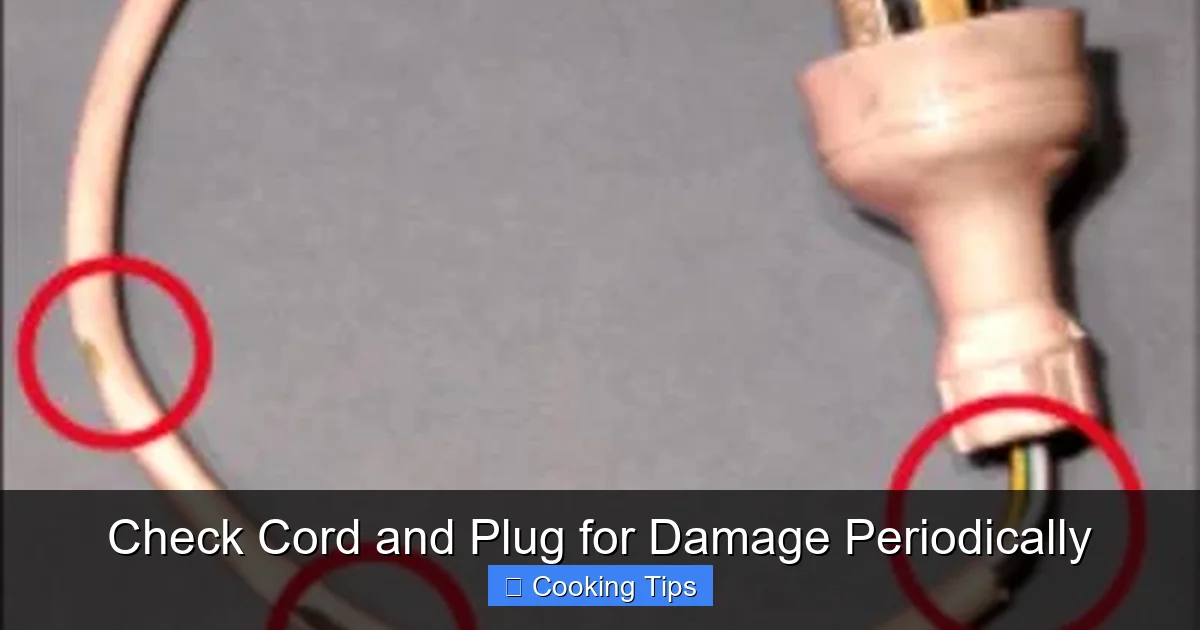
Visual guide about Check Cord and Plug for Damage Periodically
Image source: help.detectorinspector.com.au
Visual guide about Check Cord and Plug for Damage Periodically
Image source: weldingtroop.com
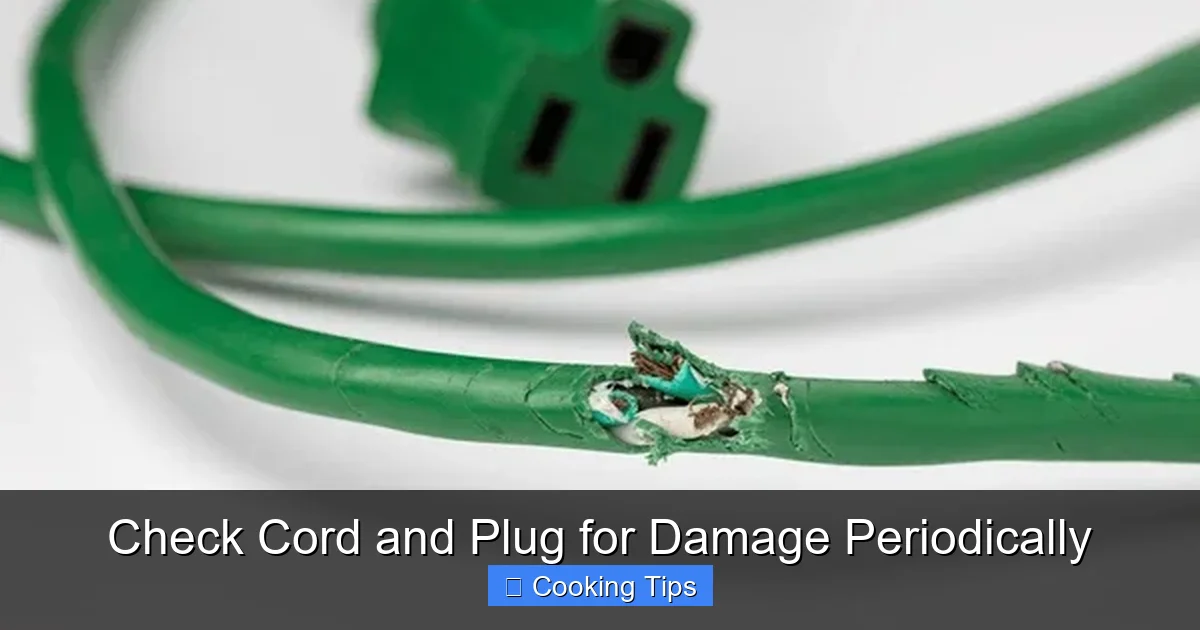
Visual guide about Check Cord and Plug for Damage Periodically
Image source: shutterstock.com
The best course of action is to either:
- Replace the cord: Some appliances have detachable cords that can be purchased and replaced. Consult your appliance’s manual or the manufacturer’s website.
- Replace the appliance: If the cord is permanently attached or if replacing it is not feasible or cost-effective, it’s time to invest in a new appliance. Safety should always come first.
When to Perform These Checks
The frequency of your checks depends on how often you use the appliance and its location.
Monthly Checks for High-Usage Appliances:
Appliances that are used daily or multiple times a day, such as your coffee maker, toaster, or microwave, should be checked monthly.
Quarterly Checks for Other Appliances:
Appliances used less frequently, like your electric mixer, stand mixer, or slow cooker, can be checked quarterly (every three months).
After Any Incident:
If an appliance cord is accidentally run over by a chair, tripped over, or subjected to any unusual stress, inspect it immediately.
When Cleaning:
It’s a great time to integrate cord checks into your regular cleaning routine. As you wipe down your appliances, give the cord a quick once-over.
Tips for Maintaining Your Appliance Cords and Plugs
Beyond periodic checks, proper care can extend the life of your cords and plugs and keep them safer for longer.
- Avoid sharp bends or kinks: Never wrap cords too tightly around an appliance. Store them loosely to prevent internal damage.
- Don’t pull the plug by the cord: Always grasp the plug itself when unplugging an appliance.
- Keep cords away from heat sources: Ensure cords aren’t dangling near hot stove burners, toasters, or other heat-generating surfaces.
- Protect cords from moisture: Keep electrical cords and outlets dry. Spills can damage insulation and create shock hazards.
- Don’t overload outlets: Using too many appliances on a single outlet can cause cords to overheat.
- Use appliances as intended: Avoid using cords in ways they weren’t designed for, such as for lifting or towing.
- Store appliances properly: When storing appliances, coil the cord loosely rather than tightly wrapping it.
Troubleshooting Common Cord Issues
Here are some common problems you might encounter and what they mean:
Problem: Cord feels stiff and brittle.
Cause: Age, exposure to heat, or certain chemicals can degrade the plastic insulation.
Solution: Replace the cord or the appliance. This is a sign of deterioration that cannot be safely repaired.
Problem: Sparks when plugging in or unplugging.
Cause: A loose connection at the plug or an issue with the outlet itself.
Solution: Unplug the appliance immediately. Inspect the plug and outlet for damage. If the plug is damaged, replace it or the appliance. If the outlet appears damaged, have it inspected by a qualified electrician.
Problem: Appliance intermittently works.
Cause: This often points to a loose connection within the cord, plug, or where the cord enters the appliance.
Solution: Unplug the appliance and thoroughly inspect the cord, especially at the ends. If damage is found, replace the cord or appliance. If no visible damage is present, the issue might be internal to the appliance and require professional assessment.
Problem: Visible discoloration or melted plastic on the plug or cord.
Cause: Overheating due to a poor connection, an overloaded circuit, or a faulty appliance.
Solution: Unplug the appliance immediately. This is a serious hazard and indicates the cord or plug is compromised. Replace the appliance.
Conclusion
Taking a few moments each month to check your cooking appliance cords and plugs can save you from serious electrical hazards like shocks and fires. It’s a simple, yet incredibly effective, way to ensure your kitchen remains a safe haven for culinary creativity. Remember to always unplug the appliance before inspecting, look for visible signs of damage like cuts, fraying, or melted plastic, and never hesitate to replace a damaged cord or appliance. By incorporating these checks into your routine, you’re not just maintaining your appliances; you’re safeguarding your home and loved ones. Happy cooking, and stay safe!
