

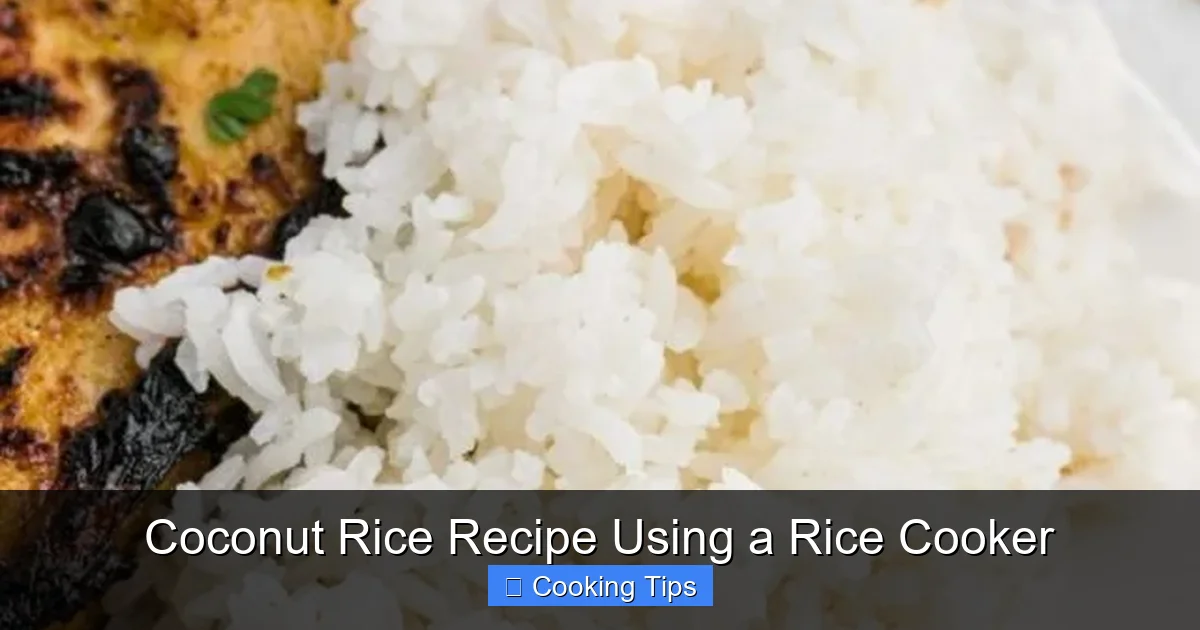
Unlock the secret to perfectly creamy and fragrant coconut rice with this easy-to-follow rice cooker recipe! We’ll guide you through every step, ensuring a foolproof method for fluffy, flavorful rice every time. Enjoy this versatile dish as a delightful side or a base for your favorite Asian-inspired meals, effortlessly prepared in your rice cooker.
Key Takeaways
- Effortless Preparation: A rice cooker simplifies the process, requiring minimal supervision and yielding consistent results.
- Perfect Ratio is Key: Understanding the correct liquid-to-rice ratio is crucial for achieving the ideal coconut rice texture.
- Versatile Flavor Base: Coconut rice serves as a fantastic foundation for a wide range of savory and sweet dishes.
- Customizable Ingredients: You can easily adjust the sweetness and richness by altering the amount of coconut milk and sugar.
- Troubleshooting Common Issues: Learn how to fix common problems like overly dry or mushy rice for perfect results.
- Storage and Reheating: Discover the best ways to store leftover coconut rice and reheat it without compromising texture.
Coconut Rice Recipe Using a Rice Cooker
Welcome to the ultimate guide on making heavenly coconut rice using your trusty rice cooker! Forget complicated stovetop methods; your rice cooker is about to become your new best friend for creating this incredibly delicious and aromatic dish. Coconut rice is a staple in many cuisines, particularly in Southeast Asia, and for good reason. It’s wonderfully creamy, slightly sweet, and pairs beautifully with both savory curries and lighter stir-fries. Plus, it’s surprisingly simple to master with the right technique.
In this comprehensive how-to guide, we’ll walk you through everything you need to know. You’ll learn the exact ingredients and measurements, the step-by-step process for perfect execution in your rice cooker, and some insider tips to elevate your coconut rice to the next level. We’ll also cover common troubleshooting scenarios, so you can confidently achieve fluffy, flavorful rice every single time. Get ready to impress yourself and your loved ones with this effortless and delectable coconut rice recipe!
Why Use a Rice Cooker for Coconut Rice?
Using a rice cooker for coconut rice offers several significant advantages. Firstly, it takes the guesswork out of cooking rice. Rice cookers are designed to maintain the perfect temperature and cooking cycle, ensuring your rice is never undercooked or overcooked. This is especially beneficial when cooking with coconut milk, which can be a bit trickier on the stovetop due to its fat content. A rice cooker provides a consistent, gentle heat that allows the coconut milk to meld perfectly with the rice grains, creating a creamy texture without scorching. Secondly, it’s incredibly convenient. You simply add your ingredients, press a button, and let the rice cooker do the rest. You’re free to prepare your main dish or other side dishes while your coconut rice cooks to perfection. This frees up your time and attention, making meal preparation much less stressful.
Gathering Your Ingredients
Before we begin, let’s make sure you have everything you need for the most delicious coconut rice. The beauty of this recipe lies in its simplicity, with just a few key ingredients working together to create a magical flavor.
Essential Ingredients
- Rice: 1 cup (about 180-200g) long-grain white rice (Jasmine rice is highly recommended for its fragrant aroma and slightly sticky texture, which complements coconut milk beautifully).
- Full-Fat Coconut Milk: 1 can (13.5 fl oz / 400ml). Using full-fat coconut milk is crucial for richness and creaminess. Light coconut milk will result in a less satisfying texture.
- Water: 1/2 cup (120ml). This helps to balance the richness of the coconut milk and ensures the rice cooks properly.
- Sugar: 1-2 tablespoons. This adds a touch of sweetness that balances the savory notes and enhances the coconut flavor. Adjust to your preference.
- Salt: 1/2 teaspoon. Salt is essential to bring out the flavors of the coconut and rice.
Optional Add-ins for Extra Flavor
While the basic recipe is fantastic on its own, you can elevate your coconut rice with these additions:
- Pandan Leaves: 1-2 knotted pandan leaves. These fragrant leaves are commonly used in Southeast Asian cooking to impart a subtle, unique aroma.
- Coconut Flakes: 1-2 tablespoons unsweetened shredded coconut. Toasted lightly before adding, these add a lovely texture and intensify the coconut flavor.
- Lime Zest: Zest of 1/2 lime. A hint of citrus can brighten the flavor profile.
Preparing Your Rice Cooker Coconut Rice: Step-by-Step
Now, let’s get cooking! This process is straightforward and designed for maximum ease.
Step 1: Rinse the Rice
This is a critical step for achieving fluffy, separate grains of rice.
H3: Why Rinsing is Important
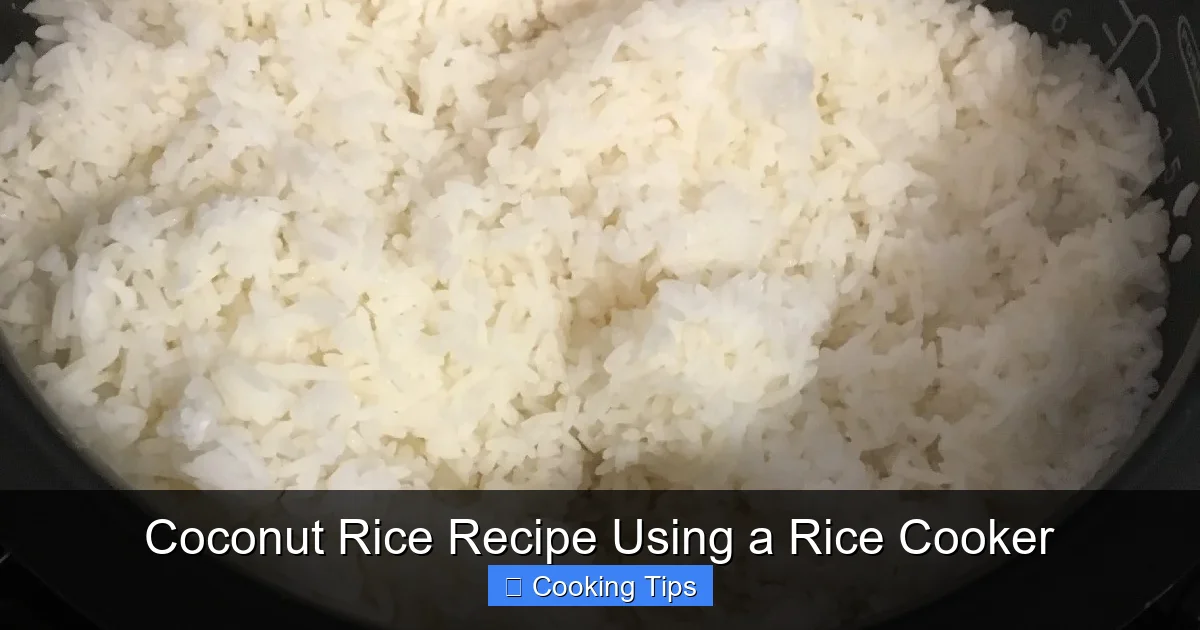
Visual guide about Coconut Rice Recipe Using a Rice Cooker
Image source: neworchards.com
Visual guide about Coconut Rice Recipe Using a Rice Cooker
Image source: image.entabe.jp
Rinsing your rice removes excess surface starch. This starch can make rice gummy or clumpy when cooked. For coconut rice, which already has a creamy element from the coconut milk, rinsing helps maintain a lighter texture.
H3: How to Rinse Your Rice
- Place the rice in a fine-mesh sieve.
- Rinse the rice under cold running water.
- Gently swirl the rice with your hand.
- Continue rinsing until the water runs mostly clear. This usually takes 3-5 rinses.
- Drain the rice thoroughly in the sieve.
Step 2: Combine Ingredients in the Rice Cooker Pot
Once your rice is rinsed and drained, it’s time to add everything to the rice cooker pot.
- Add the rinsed and drained rice to your rice cooker pot.
- Pour in the full-fat coconut milk.
- Add the water.
- Stir in the sugar and salt.
- If you are using pandan leaves, add them now, knotted and placed on top of the rice mixture.
Tip: Ensure the inside of your rice cooker pot is clean and dry before adding the ingredients to prevent any sticking.
Step 3: Stir and Level
Give everything a gentle stir to ensure the sugar and salt are dissolved and the ingredients are evenly distributed.
- Gently stir the mixture with a rice paddle or spoon until the sugar and salt are mostly dissolved.
- Ensure the rice is spread evenly in the pot. This helps with even cooking.
Step 4: Cook the Rice
Now, the magic of the rice cooker takes over.
- Place the rice cooker pot into the rice cooker.
- Close the lid securely.
- Select the “white rice” or “regular” cooking setting. If your rice cooker has a specific “porridge” or “sticky rice” setting, you can experiment with those, but the standard white rice setting usually works best for this recipe.
- Press the start button.
Note: The cooking time will vary depending on your rice cooker model, but it typically takes between 20-40 minutes.
Step 5: Let it Rest (Crucial Step!)
This is perhaps the most important step after cooking for perfect rice texture.
- Once the rice cooker switches to the “warm” setting, do not open the lid immediately.
- Let the rice rest, undisturbed, for at least 10-15 minutes.
Why Resting is Important: This resting period allows the steam to redistribute evenly throughout the rice, finishing the cooking process and preventing a mushy bottom while ensuring fluffy grains on top. It also allows the flavors to meld beautifully.
Step 6: Fluff and Serve
After the resting period, it’s time to reveal your delicious creation!
- Open the rice cooker lid.
- If you used pandan leaves, carefully remove and discard them.
- Gently fluff the rice with a rice paddle or a fork. Be careful not to break the grains. Gently lift and fold the rice to mix the creamy coconut milk evenly throughout.
- If you’re adding optional coconut flakes, stir them in now.
Your fragrant and creamy coconut rice is now ready to be served!
Tips for Perfect Coconut Rice Every Time
Achieving consistently delicious coconut rice is all about attention to detail and a few clever tricks. Here are some tips to make your rice cooker coconut rice simply divine:
- Use Quality Coconut Milk: The difference between good and great coconut rice often comes down to the quality of your coconut milk. Opt for brands that are known for their richness and flavor. Full-fat is a non-negotiable for that luxurious creamy texture.
- Don’t Skimp on the Salt: Salt is a flavor enhancer. It balances the sweetness of the coconut milk and sugar and brings out the natural nutty flavor of the rice. Don’t be tempted to reduce it too much.
- Jasmine Rice is Your Friend: While you can use other long-grain white rice, Jasmine rice offers an unparalleled aroma and texture that perfectly complements the coconut flavor. It has a slightly sticky quality that helps hold the creamy coconut milk beautifully.
- Adjust Sweetness to Taste: The amount of sugar is a guideline. If you prefer a sweeter rice, add a little more. If you like it more savory, reduce it. Taste your uncooked rice mixture before cooking if you’re unsure, though be mindful of raw rice consumption.
- Consider a Rinse for Brown Rice (if applicable): If you’re experimenting with brown rice, a longer soak and a thorough rinse might be necessary as brown rice requires more liquid and time to cook. Adjust liquid ratios accordingly. However, this recipe is optimized for white rice.
- Toasting Coconut Flakes: For an extra layer of flavor and texture, lightly toast unsweetened coconut flakes in a dry pan over medium heat until golden brown before stirring them into the cooked rice.
- Don’t Overcrowd the Rice Cooker: Stick to the recommended quantities. Overfilling the pot can lead to uneven cooking or overflow.
- Experiment with Spices: For a more complex flavor profile, consider adding a pinch of ground cardamom or a small cinnamon stick during the cooking process.
Troubleshooting Common Coconut Rice Issues
Even with the simplicity of a rice cooker, occasional hiccups can occur. Here’s how to tackle common problems:
Problem 1: Rice is too dry or undercooked
Cause: Insufficient liquid, rice cooker not sealed properly, or rice cooker malfunction.
Solution: If the rice is only slightly dry after the initial cook, add a tablespoon or two of hot water or coconut milk, close the lid, and let it steam on the “warm” setting for another 5-10 minutes. If it’s significantly undercooked, you might need to add more liquid and restart the cooking cycle.
Problem 2: Rice is mushy or overly wet
Cause: Too much liquid, rice not rinsed properly, or rice cooker lid left open during cooking.
Solution: If the rice is just a bit too moist, spread it out on a baking sheet and let it air dry for a bit, or gently fluff it with a fork to help some moisture evaporate. For severe mushiness, it’s difficult to fully salvage, but allowing it to cool can sometimes firm it up slightly.
Problem 3: Rice is sticking to the bottom of the pot
Cause: Insufficient liquid, sugar content too high, or bottom layer cooked too quickly.
Solution: Ensure you’ve used the correct liquid ratio. Stirring the rice well before cooking and allowing it to rest are key preventative measures. If it sticks slightly, use a rice paddle to gently scrape it off the bottom once it’s cooled slightly.
Problem 4: The coconut milk has separated
Cause: This is more common with stovetop cooking but can sometimes happen in a rice cooker if the heat is too high or inconsistent. The fat content can separate from the water.
Solution: A good stir after cooking usually redistributes the coconut milk. If separation is visible, ensure you are using full-fat, good-quality coconut milk and a reliable rice cooker.
Serving and Storing Your Coconut Rice
Coconut rice is incredibly versatile and can be enjoyed in countless ways.
Serving Suggestions
Coconut rice is a fantastic accompaniment to:
- Thai Green Curry or Red Curry: The creamy rice is the perfect base to soak up the rich, spicy sauce.
- Satay Chicken or Beef: The mild sweetness of the rice balances the savory, spiced skewers.
- Mango Sticky Rice (dessert variation): While this recipe is savory, a slightly sweeter version with more sugar and served with fresh mango is a classic dessert.
- Stir-fried Vegetables: A light and healthy option.
- Grilled Fish or Shrimp: Adds a touch of exotic flavor to simple seafood.
You can also garnish your coconut rice with toasted sesame seeds, chopped cilantro, or slivered almonds for added texture and visual appeal.
Storage and Reheating
Storage: Allow the coconut rice to cool completely before storing. Transfer it to an airtight container and refrigerate for up to 3-4 days.
Reheating: The best way to reheat coconut rice is in the microwave or on the stovetop. Add a tablespoon or two of water or coconut milk before reheating to restore moisture and prevent it from drying out. Reheat gently until warmed through.
Conclusion
Congratulations! You’ve now unlocked the secret to effortless, delicious coconut rice using your rice cooker. This simple yet incredibly satisfying recipe proves that gourmet flavors can be achieved with minimal effort. By following these steps, paying attention to the liquid ratios, and allowing your rice to rest, you’re guaranteed a batch of fluffy, fragrant, and perfectly creamy coconut rice every time. It’s a versatile dish that will quickly become a favorite in your culinary repertoire, perfect for elevating weeknight meals or impressing guests. So go ahead, embrace the simplicity of your rice cooker, and enjoy the wonderful taste of homemade coconut rice!
