

Is your rice cooker ignoring the start button? Don’t panic! This guide will help you troubleshoot common issues, from simple power problems to sensor malfunctions. With these easy steps, you’ll be cooking perfect rice again in no time. Get your rice cooker back in action with our expert advice.
Key Takeaways
- Ensure Proper Power Supply: A loose plug, tripped breaker, or faulty outlet can prevent your rice cooker from powering on and responding to the start button.
- Check the Lid Seal: Many rice cookers have safety mechanisms that prevent operation if the lid isn’t properly closed and sealed, which can make the start button unresponsive.
- Clean the Sensor and Heating Element: Rice residue or debris on the internal sensor or heating element can interfere with the cooker’s ability to start.
- Verify Water and Rice Levels: Some models won’t start if the water or rice levels are too high or too low, triggering a safety cutoff.
- Reset and Test: A simple power cycle or reset can often resolve temporary electronic glitches that make the start button unresponsive.
- Inspect the Control Panel: Damage to the control panel or buttons themselves might be the cause, requiring careful examination or professional repair.
- Consult the Manual: Your rice cooker’s user manual is an invaluable resource for specific troubleshooting steps tailored to your model.
Rice Cooker Not Responding to Start Button
It’s a scenario familiar to many home cooks: you’ve prepped your rice, added the water, and you’re ready to hit that satisfying “Start” button, only to be met with… silence. Your rice cooker, your trusty kitchen companion, is unresponsive. This can be incredibly frustrating, especially when you’re anticipating a perfectly cooked bowl of rice. In 2026, with so many advanced kitchen gadgets, a simple rice cooker failure can feel like a major setback. But before you despair or consider a replacement, let’s explore the common reasons why your rice cooker might be ignoring your command and how you can get it back in working order.
This guide will walk you through a series of troubleshooting steps, starting with the most basic and progressing to more complex possibilities. We’ll cover everything from power issues to internal sensor problems, providing practical advice to help you diagnose and fix the issue yourself. Our goal is to empower you to get your rice cooker humming again, ensuring consistently delicious rice for your meals.
Step 1: The Fundamentals – Power and Connections
The most common reason for any appliance not responding is a lack of power. It sounds obvious, but sometimes the simplest solutions are overlooked.
Check the Power Cord
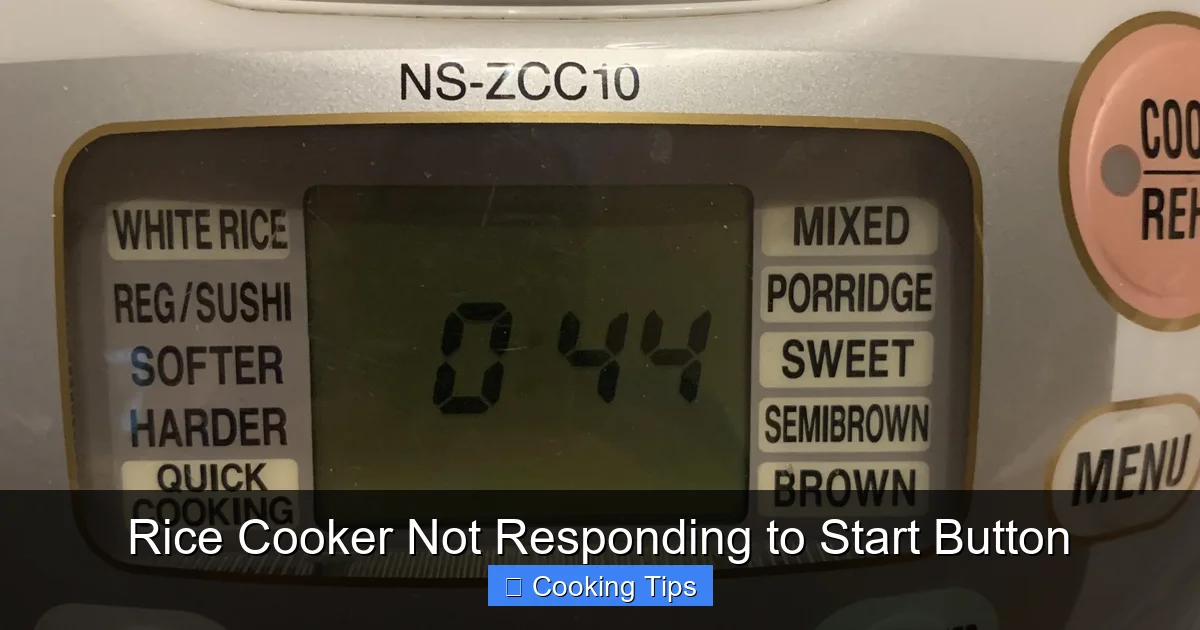
First, ensure the power cord is securely plugged into both the rice cooker and the wall outlet. Sometimes, a loose connection is all it takes. Gently push the plug into the outlet to make sure it’s seated firmly. Also, inspect the cord itself for any visible damage, such as fraying or cuts. If you find any damage, do not use the rice cooker and consider replacing the cord or the unit.
Visual guide about Rice Cooker Not Responding to Start Button
Image source: content.instructables.com
Test the Outlet
Is the outlet itself working? You can test this by plugging in another small appliance that you know works, like a toaster or a lamp. If that appliance also doesn’t turn on, the problem likely lies with the outlet or your home’s electrical system.
Check Your Circuit Breaker
If the outlet isn’t working, head to your home’s electrical panel. Look for a tripped circuit breaker. Breakers are safety devices that shut off power to a circuit if it’s overloaded. If you find a breaker in the “off” position or a position that looks “tripped” (often halfway between “on” and “off”), flip it completely to the “off” position and then back to “on.” If it trips again immediately, you may have an electrical issue that requires professional attention.
Try a Different Outlet
Even if the outlet you’re using seems fine, try plugging your rice cooker into a different outlet in your home. This helps eliminate the possibility of a faulty outlet that might not be immediately apparent.
Step 2: The Lid – A Critical Component
Rice cookers are designed with safety in mind. Many have built-in mechanisms that prevent them from starting if the lid isn’t properly secured.
Ensure the Lid is Fully Closed
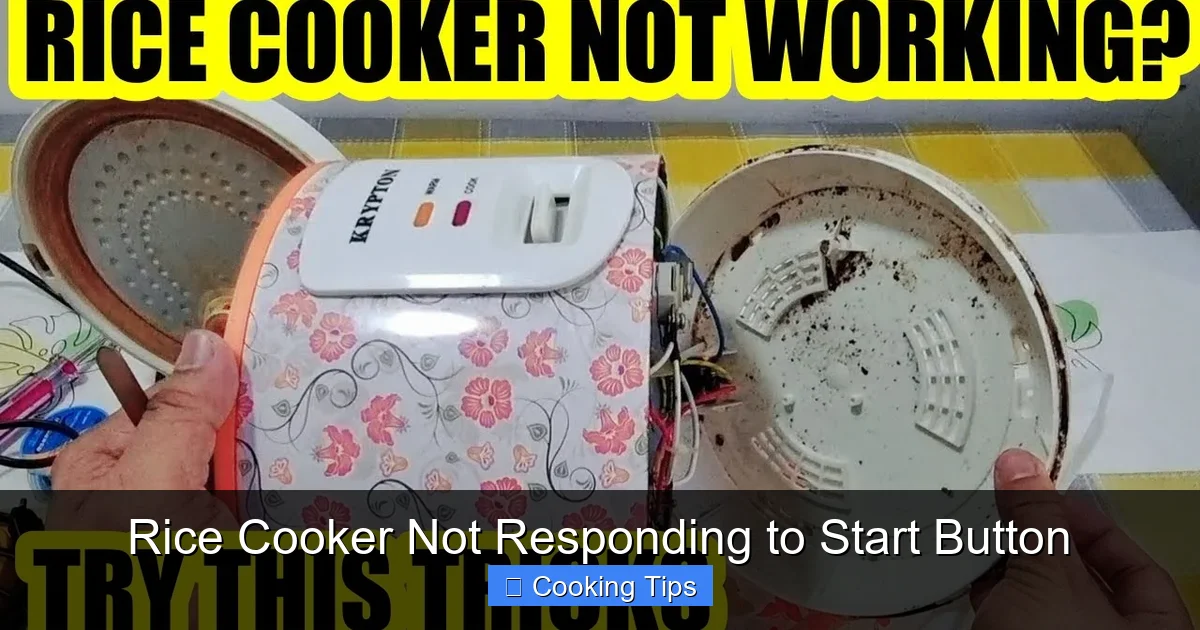
Open the lid and then close it again firmly. Listen for a click or ensure it sits flush. Sometimes, a stray grain of rice or a bit of debris can prevent the lid from sealing correctly, which can make the start button unresponsive.
Visual guide about Rice Cooker Not Responding to Start Button
Image source: i.ytimg.com
Check the Lid Gasket
Inspect the rubber or silicone gasket around the lid. Is it clean? Is it damaged or warped? A damaged gasket might not create a proper seal, triggering the safety feature. Clean the gasket with a damp cloth and ensure it’s properly seated. If it’s torn or misshapen, it may need replacement, though this is less common for many standard models.
Some Models Have Locking Mechanisms
Be aware that some higher-end or specialized rice cookers have lid locking mechanisms. Ensure these are disengaged correctly. Consult your user manual if you’re unsure about your specific model’s locking system.
Step 3: Internal Components – Sensors and Heating
If the power is good and the lid is secure, the issue might be with the internal workings of the rice cooker.
Clean the Inner Pot and Heating Element
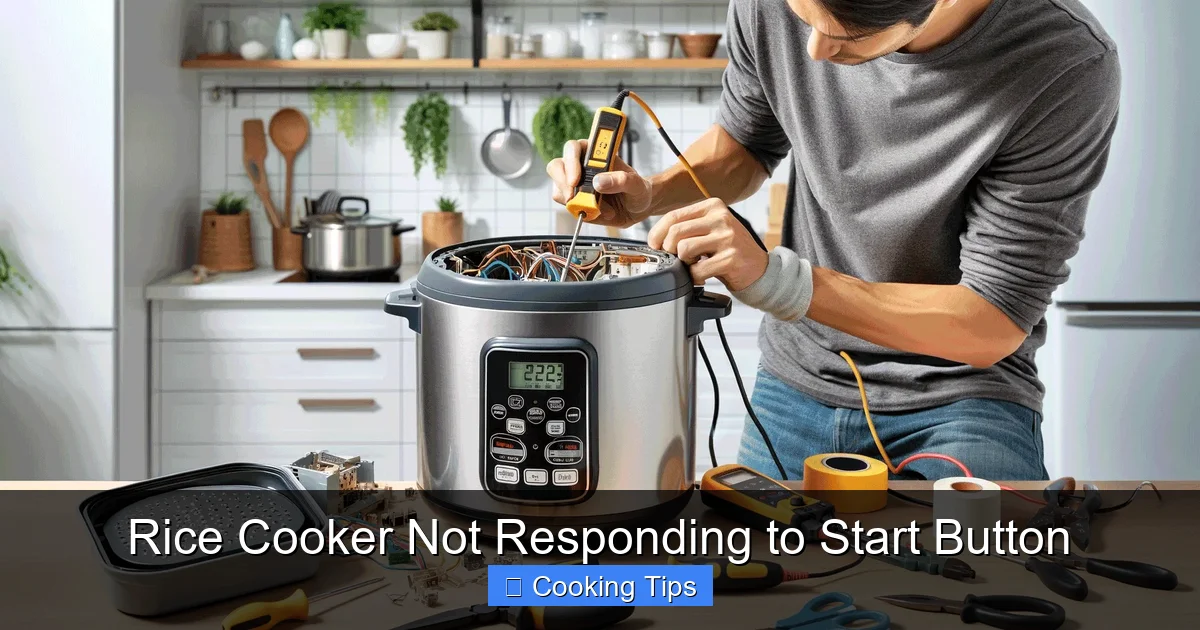
Remove the inner pot. At the bottom of the rice cooker, you’ll see the heating element. Inspect it for any cooked-on rice, food debris, or mineral deposits. Similarly, check the bottom of the inner pot for residue. Clean both gently with a soft cloth or sponge. For stubborn residue, you can use a non-abrasive cleaner specifically designed for kitchen appliances. Ensure everything is completely dry before reassembling.
Visual guide about Rice Cooker Not Responding to Start Button
Image source: expertreviewsbestricecooker.com
Inspect the Temperature Sensor
Most modern rice cookers have a temperature sensor, usually located at the bottom of the unit where the inner pot sits. This sensor helps regulate cooking temperature. Rice residue, water or even just dust can accumulate here and interfere with its function. Carefully inspect this sensor. If it looks dirty, clean it gently with a damp cloth or a soft brush. Be very careful not to bend or damage it.
Verify Inner Pot Placement
Make sure the inner pot is correctly seated on the heating element. If it’s even slightly misaligned, the sensors might not be able to read the temperature properly, preventing the cooker from starting.
Step 4: Water and Rice Levels – The Basics of Rice Cooking
Rice cookers are programmed to operate within specific parameters, and this includes the amount of water and rice.
Check Minimum and Maximum Fill Lines
Most rice cooker manuals will specify minimum and maximum fill lines for both water and rice. If you have too little water, the cooker might overheat and shut off as a safety measure, or it may not even start. If you have too much water or rice, it can also cause issues, potentially overflowing or preventing the cooker from recognizing the cooking cycle.
Follow Recommended Ratios
Always follow the recommended rice-to-water ratio for your specific type of rice and your rice cooker. Using too much or too little can affect performance and may even be the reason your start button is unresponsive.
Step 5: Electronic Glitches – Resetting and Testing
Like any electronic device, rice cookers can sometimes experience temporary software glitches.
Perform a Power Cycle
Unplug the rice cooker from the wall outlet. Leave it unplugged for at least 5-10 minutes. This allows any residual power to dissipate and can reset the internal electronics. After the waiting period, plug it back in and try the start button again.
Reset Button (If Applicable)
Some advanced rice cookers have a specific reset button or a sequence of buttons to press to reset the unit. Check your user manual to see if your model has this feature and follow the instructions carefully.
Step 6: The Control Panel – Buttons and Displays
If all else fails, the problem might be with the control panel itself.
Inspect Buttons for Damage
Carefully examine the start button and other buttons on the control panel. Do they look damaged, stuck, or unresponsive when you press them? Sometimes, spilled food or liquid can seep into the control panel and cause buttons to malfunction.
Clean the Control Panel
If the control panel looks dirty, you can try to clean it gently with a slightly damp cloth. Ensure no liquid seeps into the electronic components. If a button is physically stuck, try gently nudging it with a soft, non-metallic object, but be extremely careful not to force it.
Touchscreen Issues
For rice cookers with touchscreen controls, ensure your fingers are clean and dry. Sometimes, moisture or residue can interfere with touchscreen responsiveness. If the screen itself appears cracked or damaged, this could be the issue.
Step 7: Consult Your Manual – The Ultimate Resource
We can’t stress this enough: your rice cooker’s user manual is your best friend when troubleshooting.
Specific Troubleshooting Section
Most manuals have a dedicated troubleshooting section that addresses common problems, including unresponsiveness. It will often provide model-specific advice and diagrams.
Error Codes
Some advanced rice cookers display error codes on their screens when something is wrong. Your manual will explain what these codes mean and how to resolve them.
Contacting the Manufacturer
If you’ve exhausted all troubleshooting steps and your rice cooker is still not responding, the manual will also provide contact information for customer support or warranty claims.
When to Seek Professional Help or Consider Replacement
If you’ve gone through all these steps and your rice cooker is still stubbornly refusing to start, it’s likely time to consider other options.
Persistent Issues
If the problem is intermittent or persists after trying multiple solutions, it could indicate a more serious internal defect, such as a faulty circuit board or a failing heating element. These types of repairs can be expensive and may not be cost-effective for many common rice cooker models.
Warranty Coverage
Check if your rice cooker is still under warranty. If it is, contact the manufacturer for repair or replacement. Do not attempt to disassemble the unit yourself if it’s under warranty, as this may void the coverage.
Age of the Appliance
Rice cookers, like all appliances, have a lifespan. If your rice cooker is several years old, the cost of repair might outweigh the cost of a new, more energy-efficient model. The market in 2026 offers many innovative options, from smart rice cookers to multi-functional models.
Safety Concerns
If you suspect any electrical issues, like a burning smell or sparks, immediately unplug the unit and do not attempt to use it further. In such cases, replacement is the safest option.
Conclusion
A rice cooker that won’t respond to the start button can be a puzzling problem, but it’s often fixable with a systematic approach. By carefully checking power, lid security, internal components, and following basic operational guidelines, you can often resolve the issue yourself. Remember to always refer to your user manual for model-specific advice. If all troubleshooting efforts prove unsuccessful, it might be time to invest in a new rice cooker. Happy cooking, and may your next bowl of rice be perfectly cooked!
