

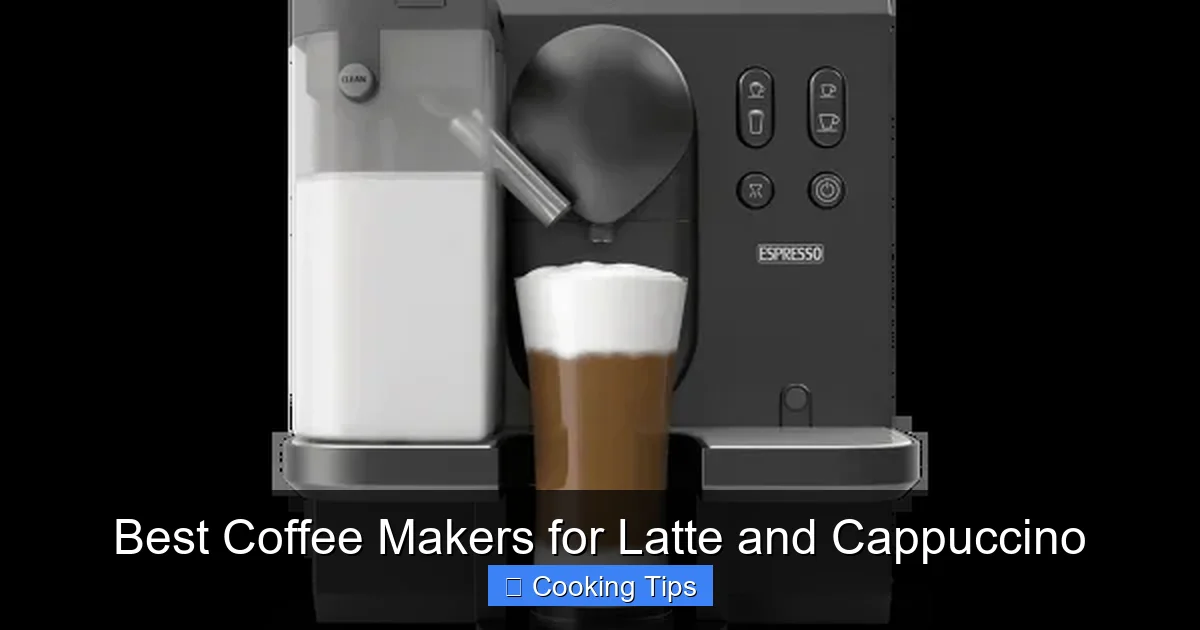
Unlock the secrets to crafting perfect lattes and cappuccinos at home with our 2026 guide. We explore the best coffee makers, from robust espresso machines to innovative all-in-one solutions. Learn what to look for, understand different brewing methods, and find the ideal machine to elevate your morning ritual and impress guests with delicious, cafe-quality beverages.
Best Coffee Makers for Latte and Cappuccino
Are you dreaming of rich, creamy lattes and frothy cappuccinos made in your own kitchen? The good news is that creating cafe-quality coffee drinks at home is more achievable than ever. In 2026, the market is brimming with innovative coffee makers designed to bring the barista experience to your countertop. But with so many options, how do you choose the best coffee maker for your latte and cappuccino ambitions?
This comprehensive guide will demystify the world of espresso machines and other suitable coffee makers. We’ll break down what makes a coffee maker great for these specific drinks, explore the different types of machines available, and offer practical advice to help you make an informed decision. Get ready to elevate your home coffee game!
Key Takeaways
- Espresso is King: For authentic lattes and cappuccinos, an espresso maker is essential. Look for machines with good pressure (9 bars or more) and temperature stability.
- Milk Steaming Power: The quality of your milk foam is crucial. Machines with powerful steam wands offer better control for creating silky microfoam.
- Ease of Use Matters: Consider your skill level. Semi-automatic machines offer control, while super-automatic options provide convenience for busy mornings.
- Budget Considerations: Coffee makers range widely in price. Determine your budget and prioritize features that are most important to you.
- Grinder Integration: A built-in grinder can simplify the process and ensure fresh grounds, but a separate high-quality grinder often yields superior results.
- Maintenance is Key: Regular cleaning and descaling will ensure your coffee maker lasts longer and consistently produces delicious drinks.
Understanding the Essentials: What Makes a Great Latte & Cappuccino Coffee Maker?
Before diving into specific machines, let’s understand the core components that contribute to a fantastic latte or cappuccino. These drinks are all about the espresso and the milk foam.
Espresso Quality: The Foundation of Your Drink
A latte and a cappuccino both start with a shot (or two) of espresso. For authentic results, your coffee maker needs to be able to produce well-extracted espresso. This means:
- Sufficient Pressure: Traditional espresso requires around 9 bars of pressure to force hot water through finely-ground coffee. Machines that can achieve and maintain this pressure are key.
- Temperature Stability: Consistent water temperature is crucial for optimal espresso extraction. Fluctuations can lead to bitter or sour-tasting shots.
- Fresh Coffee Grounds: While not directly part of the coffee maker itself, using freshly ground, good-quality coffee beans is paramount.
Milk Steaming and Frothing: The Creamy Crown
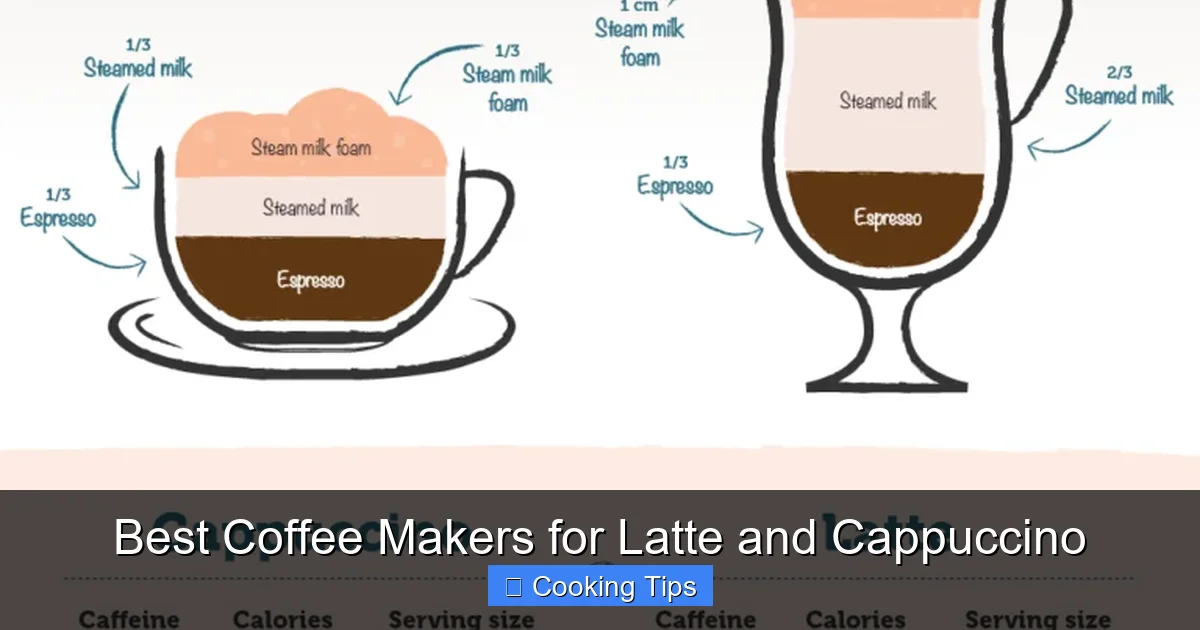
The magic of a latte and cappuccino lies in the steamed and frothed milk. This is where your coffee maker’s milk frothing capabilities come into play.
- Steam Wand Power: A powerful steam wand allows you to quickly heat and texture milk, creating that desirable silky microfoam. Look for a wand with adjustable steam pressure if possible.
- Ease of Use: Some machines have manual steam wands requiring skill to get right, while others offer automatic frothing systems.
- Milk Jug Quality: Using a good quality stainless steel milk jug helps in judging the milk’s temperature and achieving proper aeration.
Types of Coffee Makers for Lattes and Cappuccinos
When it comes to brewing espresso-based drinks, several types of coffee makers can do the job, each with its own set of pros and cons.
Visual guide about Best Coffee Makers for Latte and Cappuccino
Image source: journal-theme.com
1. Semi-Automatic Espresso Machines
These are the workhorses of home baristas. They give you a lot of control over the brewing process.
- How They Work: You grind your coffee, tamp it into the portafilter, lock it into the machine, and start the brew cycle. You stop the brew when you’ve achieved the desired shot volume.
- Pros: Offers excellent control over extraction, allows for experimentation with grind size and tamping, often produces superior espresso quality, and usually features a powerful steam wand for manual milk frothing.
- Cons: Requires a learning curve to master. You’ll need to learn how to grind, tamp, and control extraction times.
- Best For: Coffee enthusiasts who enjoy the craft of making espresso and want to achieve the best possible quality.
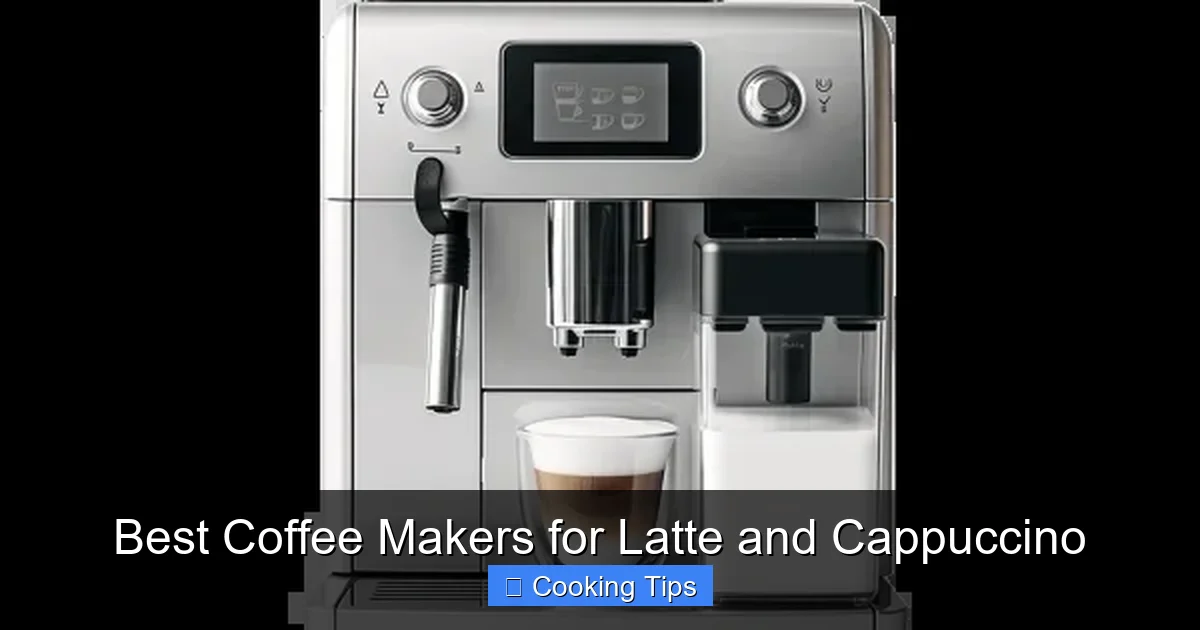
2. Fully Automatic (Super-Automatic) Espresso Machines
For ultimate convenience, these machines do almost everything for you with the push of a button.
- How They Work: You add whole beans and water, select your drink, and the machine grinds, brews, and often froths the milk automatically.
- Pros: Incredibly easy to use, saves time, consistent results with minimal effort, many offer built-in grinders and milk carafes.
- Cons: Less control over the brewing process, espresso quality might not match a well-dialed-in semi-automatic machine, can be more expensive, and maintenance can be more complex.
- Cons: Less control over the brewing process, espresso quality might not match a well-dialed-in semi-automatic machine, can be more expensive, and maintenance can be more complex.
- Best For: Busy individuals or households who want delicious lattes and cappuccinos without the fuss, but are willing to pay for convenience.
3. Manual Lever Espresso Machines
These are for the purists who want a truly hands-on experience.
- How They Work: You manually pull a lever to generate the pressure needed to brew espresso.
- Pros: Excellent control, unique brewing experience, can produce exceptional espresso when mastered, often beautiful aesthetic designs.
- Cons: Significant learning curve, requires considerable physical effort, and can be expensive.
- Best For: Dedicated hobbyists and those who appreciate the art and tradition of espresso making.
4. Capsule/Pod Coffee Makers (with Milk Frothing Capability)
While not true espresso machines, some high-end capsule systems can produce decent coffee and have integrated or companion milk frothers.
- How They Work: Insert a coffee capsule, add water, and press a button. Some systems have a separate frother or an integrated milk dispensing system.
- Pros: Extremely convenient, very little cleanup, consistent taste.
- Cons: Limited coffee choice, environmental impact of pods, espresso quality is generally inferior to dedicated machines, and milk frothing can be inconsistent.
- Best For: Those prioritizing speed and simplicity above all else, and who don’t mind the limitations.
Key Features to Look for in 2026 Coffee Makers
As you shop for your ideal latte and cappuccino coffee maker, keep these important features in mind:
Visual guide about Best Coffee Makers for Latte and Cappuccino
Image source: hollicoffee.com
1. Boiler Type
The boiler is the heart of your espresso machine, heating the water. Different types affect performance:
- Single Boiler: Heats water for both brewing and steaming, but you have to switch between modes. This can cause delays.
- Heat Exchanger (HX): Allows simultaneous brewing and steaming by routing steam through a separate pipe within the main boiler. More efficient than single boilers.
- Dual Boiler: Has separate boilers for brewing and steaming, offering the most temperature stability and allowing for simultaneous, optimal operation. The most expensive but best for consistent quality.
2. Portafilter Size
The portafilter holds your coffee grounds. Common sizes are 54mm and 58mm. Larger portafilters generally offer better heat retention and more even extraction.
3. Water Tank Capacity and Accessibility
Consider how often you’ll need to refill the water tank. Removable tanks are easier to clean and fill.
4. Steam Wand Design and Power
Look for a multi-directional steam wand that swivels easily. More powerful steam means quicker and better milk texturing.
5. Built-in Grinder vs. Separate Grinder
Many super-automatic machines have built-in grinders, which is convenient. However, for optimal freshness and control, a separate, high-quality burr grinder is often recommended for semi-automatic machines.
6. Programmable Settings
Some machines allow you to program shot volumes, temperatures, and even milk texture preferences, making it easier to get consistent results.
7. Ease of Cleaning and Maintenance
Espresso machines require regular cleaning to function well and produce good-tasting coffee. Look for machines with removable brew groups, drip trays, and descaling alerts.
Top Coffee Makers for Lattes and Cappuccinos in 2026 (Examples)
While specific models change, here are the types of coffee makers that consistently deliver for latte and cappuccino lovers:

Visual guide about Best Coffee Makers for Latte and Cappuccino
Image source: alpinemountaincoffee.com
For the Aspiring Barista (Semi-Automatic)
Breville Barista Express/Pro/Touch: These machines are consistently popular for their all-in-one approach, featuring a built-in grinder, excellent steam wand, and intuitive controls. The ‘Pro’ and ‘Touch’ models offer digital interfaces and PID temperature control for enhanced precision.
Gaggia Classic Pro: A legendary semi-automatic machine known for its robust build, powerful steam wand, and ability to produce excellent espresso for its price point. It’s a favorite among those looking to upgrade from entry-level machines.
Rancilio Silvia: A workhorse machine often lauded for its durability and commercial-grade components. It offers fantastic espresso quality but requires a good separate grinder and a bit of practice.
For Ultimate Convenience (Super-Automatic)
Jura Z10: A premium super-automatic machine that excels in both coffee and milk drinks. It features advanced brewing technologies, a spectacular cold brew function, and an intuitive touchscreen interface.
De’Longhi Dinamica Plus: Offers a wide range of customizable coffee drinks at the touch of a button, with a user-friendly interface and an integrated milk carafe for effortless lattes and cappuccinos.
Philips 3200 LatteGo: This machine stands out for its innovative LatteGo milk system, which is incredibly easy to clean and produces creamy foam without complex tubes.
For Budget-Conscious Enthusiasts
Gaggia Classic Pro: As mentioned, it’s a great value for its performance, especially if you pair it with a good grinder.
De’Longhi Dedica Arte: A compact and stylish semi-automatic machine that punches above its weight, offering decent espresso and milk frothing capabilities for its price.
How to Make a Latte and Cappuccino at Home
Once you’ve chosen your perfect coffee maker, here’s a general guide to making your favorite drinks:
Step 1: Prepare Your Espresso Machine
Heat Up: Turn on your machine and allow it to heat up thoroughly. This can take 10-30 minutes depending on the machine. Warm up your portafilter and your espresso cup.
Step 2: Grind Your Coffee Beans
Freshly Ground: Grind your coffee beans to a fine, consistent consistency suitable for espresso. If using a super-automatic, this step is done by the machine.
Step 3: Dose and Tamp Your Portafilter (Semi-Automatic)
Fill and Level: Fill the portafilter evenly with your ground coffee. Gently tap the portafilter to settle the grounds, then tamp them down firmly and levelly.
Step 4: Brew Your Espresso
Lock and Brew: Lock the portafilter into the group head. Place your pre-warmed cup underneath and start the brew cycle. Aim for a shot that extracts in 25-30 seconds, producing about 1-2 ounces of liquid.
Step 5: Steam and Froth Your Milk
Fill the Jug: Pour cold milk into your stainless steel milk jug. Fill it about halfway.
Purge the Wand: Briefly open the steam valve to clear any water from the steam wand.
Texture the Milk: Submerge the tip of the steam wand just below the surface of the milk. Open the steam valve fully. You should hear a gentle hissing sound as air is incorporated. Move the jug slightly to create a vortex.
Heat the Milk: Once you’ve incorporated enough air (a few seconds for a latte, a bit longer for a cappuccino), submerge the wand deeper into the milk to heat it. Continue until the jug is too hot to comfortably hold (around 140-150°F or 60-65°C).
Clean the Wand: Immediately wipe the steam wand with a damp cloth and purge it again to remove any milk residue.
Step 6: Pour and Enjoy
For a Latte: Pour the steamed milk into your espresso, holding back the foam initially with a spoon. Then, pour the remaining milk, allowing the foam to top the drink.
For a Cappuccino: Pour the steamed milk into your espresso, aiming for a thicker layer of foam. You might pour the milk in a way that allows more foam to settle on top.
Troubleshooting Common Issues
Even with the best coffee makers, you might encounter a few hiccups.
Espresso is too bitter:
Possible Causes: Over-extraction (too long brewing time), water too hot, grind too fine.
Solutions: Shorten brew time, adjust grind size to be coarser, check machine temperature settings if available.
Espresso is too sour:
Possible Causes: Under-extraction (too short brewing time), water too cool, grind too coarse.
Solutions: Lengthen brew time, adjust grind size to be finer, ensure machine is fully heated.
Milk isn’t frothing properly:
Possible Causes: Not enough air introduced, milk too hot, steam wand clogged, using old milk.
Solutions: Introduce air for a few seconds at the start, don’t overheat milk, clean steam wand thoroughly, use fresh cold milk.
Conclusion
Choosing the best coffee maker for lattes and cappuccinos in 2026 is an exciting journey. Whether you crave the hands-on control of a semi-automatic machine or the effortless convenience of a super-automatic, there’s a perfect option for every home barista. By understanding the essential features – from espresso pressure and temperature stability to milk steaming power and ease of use – you can confidently select a machine that will consistently deliver delicious, cafe-quality drinks.
Invest in a quality coffee maker, experiment with your beans, and practice your milk-steaming technique. Soon, you’ll be crafting perfect lattes and cappuccinos that rival your favorite coffee shop, all from the comfort of your own kitchen. Happy brewing!
