

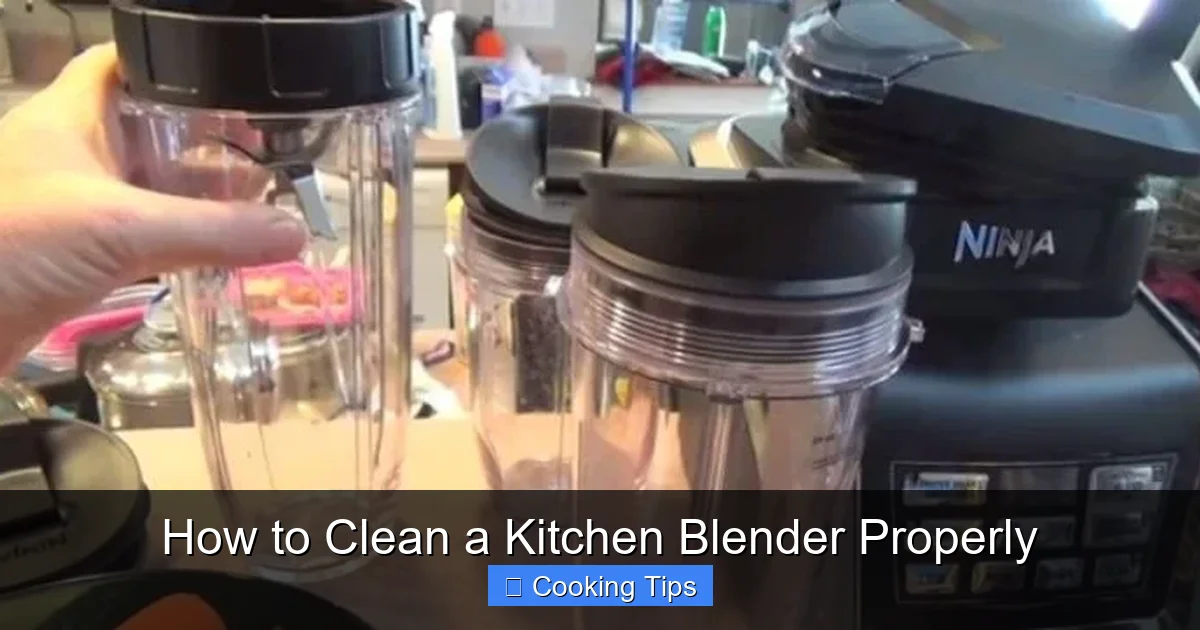
Keeping your kitchen blender clean is essential for hygiene and performance. This comprehensive guide provides detailed, step-by-step instructions to effectively clean every part of your blender, from the blade assembly to the motor base. By following these simple tips, you’ll ensure your blender remains in top condition for delicious smoothies and more. Invest in a clean blender for a healthier kitchen.
Key Takeaways
- Immediate Rinse is Key: For most blenders, rinsing the jar and lid immediately after use prevents food particles from drying and hardening, making subsequent cleaning much easier.
- Dishwasher vs. Hand Washing: While many blender jars and lids are dishwasher-safe, hand washing often proves more effective for thoroughly removing all residue, especially around the blades.
- Blade Assembly Care: The blade assembly is the most critical part. Always handle it with extreme caution and never immerse the motor base in water, as this can damage the electronics.
- Motor Base Wiping: The motor base should only be wiped clean with a damp cloth and never submerged. Ensure it’s completely dry before reassembling.
- Deep Cleaning Techniques: For stubborn residue or odors, a deep cleaning method using warm water, soap, and a baking soda or vinegar solution can revitalize your blender.
- Regular Maintenance: Consistent, proper cleaning after each use significantly extends the life of your blender and ensures it operates efficiently.
How to Clean a Kitchen Blender Properly
So, you’ve just whipped up a delicious smoothie, a creamy soup, or maybe even a batch of homemade nut butter. Your kitchen blender has done its job admirably! But now comes the not-so-fun part: cleaning it. Many people put off cleaning their blenders, which can lead to dried-on gunk, lingering odors, and a less-than-sanitary appliance. This guide, updated for 2026, will walk you through how to clean your kitchen blender properly, ensuring it stays in top shape for all your culinary adventures. We’ll cover everything from a quick rinse to a deep clean, making sure every part of your blender sparkles.
Proper cleaning isn’t just about aesthetics; it’s crucial for hygiene and maintaining the longevity of your blender. Food particles left behind can harbor bacteria, and persistent residue can affect the performance of the blades and motor. Let’s dive into making your blender cleaning routine simple and effective.
Understanding Your Blender Components
Before we start cleaning, it’s helpful to understand the basic parts of your kitchen blender:
- The Jar/Pitcher: This is where all the blending magic happens. It can be made of glass, plastic, or Tritan.
- The Lid: This seals the jar and often has a removable cap or measuring insert for adding ingredients while blending.
- The Blade Assembly: This is the sharp metal component at the bottom of the jar that does the chopping and pureeing. It’s usually integrated into the jar or removable.
- The Gasket/Seal: A rubber or silicone ring that helps create a watertight seal between the blade assembly and the jar.
- The Motor Base: This houses the motor and controls. It’s the heaviest part of the blender and should never be submerged in water.
- The Coupling/Drive Socket: The part on the motor base that connects to the blade assembly to spin it.
Knowing these parts will help you tackle the cleaning process more efficiently.
Step-by-Step Blender Cleaning Guide
Let’s get your blender sparkling clean! The best approach is usually to clean your blender right after you use it. This prevents food from drying and becoming stubborn.
Step 1: Immediate Rinse (The Golden Rule)
This is the single most important step for easy blender cleaning. As soon as you’ve poured out your creation, rinse the blender jar, lid, and blade assembly (if removable) with warm running water.
Rinse the Jar
Turn the blender upside down and let warm water run into the jar. Swish it around a bit to dislodge any immediate residue. If it looks pretty clean, you might be able to skip to drying and storing.

Visual guide about How to Clean a Kitchen Blender Properly
Image source: tinycookmate.com
Rinse the Lid and Blade Assembly
Don’t forget the lid! Any drips or splashes can dry there. If your blade assembly is removable, rinse it thoroughly under running water, being careful of the sharp blades. Ensure water gets into the crevices.
Step 2: The Self-Cleaning Method (For Light Residue)
This is a fantastic trick for blenders that aren’t heavily soiled. It’s quick, easy, and often all you need after a simple smoothie.
Fill the Jar with Warm Water
Fill the blender jar about halfway or two-thirds full with warm water. You can add a drop of dish soap if you like, but it’s often not necessary for this method alone.
Blend on Low Speed
Secure the lid tightly. Place the jar back onto the motor base and blend on a low speed for about 30-60 seconds. The spinning action of the blades will agitate the water and soap (if used), creating a vortex that helps scrub the inside of the jar clean.
Rinse Again
Pour out the soapy water and rinse the jar thoroughly with clean warm water until all soap suds are gone. Repeat the rinse if necessary.
Step 3: Hand Washing (For Moderate to Heavy Residue)
If the self-cleaning method isn’t enough, or if you’ve blended something thicker or stickier, it’s time for a more thorough hand wash.
Disassemble (If Possible)
Check your blender’s manual. Some blade assemblies are designed to be unscrewed from the bottom of the jar. If yours can be disassembled, carefully unscrew it. Handle the blades with extreme caution!
Wash the Jar and Lid
Use a soft sponge or bottle brush and warm, soapy water. Get into all the nooks and crannies of the jar. Pay special attention to the rim where the lid sits.
For the lid, wash it just as you would any other dish. Make sure to clean any removable cap or measuring insert thoroughly.
Clean the Blade Assembly Carefully
This is where caution is paramount. Use a sponge or a soft brush to clean around the blades. Never use your fingers to wipe the blades directly. If your blender’s manual advises against immersing the blade assembly in water, use a damp cloth. Ensure all food particles are removed from around the blades and the central hub.
Rinse Thoroughly
Rinse the jar, lid, and blade assembly under warm running water. Make sure no soap residue remains.
Step 4: Drying and Reassembly
Proper drying is crucial to prevent mold and mildew.
Air Dry
The best way to dry your blender jar and lid is to let them air dry completely. Place the jar upside down on a drying rack. Leave the lid off. Ensure all parts are completely dry before reassembling or storing.
Dry the Motor Base
The motor base should never be submerged in water. If it has any spills or drips on it, wipe it clean with a damp cloth. Ensure it’s completely dry before putting the jar back on.
Reassemble
Once all parts are bone dry, reassemble your blender. If you disassembled the blade assembly, carefully screw it back onto the jar.
Deep Cleaning Your Blender
Sometimes, even with regular cleaning, your blender might develop stubborn stains or persistent odors, especially if you frequently make things like garlic dips or berry smoothies. Here’s how to tackle those tougher cleaning jobs.
Cleaning Stubborn Stains and Residue
Baking Soda Paste
For tough, dried-on bits, a paste made of baking soda and a little water can work wonders. Apply the paste to the stained areas, let it sit for 10-15 minutes, then scrub gently with a sponge or soft brush. Rinse thoroughly.

Visual guide about How to Clean a Kitchen Blender Properly
Image source: kitchenhabit.com
Vinegar Soak
Vinegar is excellent for breaking down residue and neutralizing odors.
- Fill the blender jar about halfway with white vinegar.
- Add an equal amount of water to the jar.
- Let it sit for at least an hour, or even overnight for very tough stains.
- After soaking, empty the jar and wash it as usual with soap and water.
This is particularly effective for coffee or tea stains.
Deodorizing Your Blender
If your blender has taken on an unwanted smell, several methods can help.
Lemon or Citrus Peels
After washing, put a few lemon or orange peels into the blender jar. Add a little water and blend for about 30 seconds. Rinse well. The citrus oils help to freshen the blender.
Baking Soda and Water
As mentioned above, a baking soda paste can clean, but it also absorbs odors. For an odor-absorbing soak, fill the jar with water and add a tablespoon or two of baking soda. Let it sit overnight, then wash as usual.
Dishwasher vs. Hand Washing: Which is Best?
Many modern blenders boast dishwasher-safe parts. While convenient, it’s worth considering the pros and cons.
Dishwasher Benefits
- Convenience: Simply load the parts into the dishwasher and let it do the work.
- Sanitization: Dishwashers typically use hotter water than hand washing, which can offer a higher level of sanitization.
Dishwasher Drawbacks
- Effectiveness: The high speed of a dishwasher might not always get into all the tiny crevices, especially around the blades, as effectively as a dedicated scrub.
- Wear and Tear: The harsh detergents and high heat of a dishwasher can sometimes cause plastic parts to become cloudy or even warp over time, and can dull blade edges.
- Motor Base: Never put the motor base in the dishwasher. It’s an electrical appliance and will be ruined.
Hand Washing Benefits
- Thoroughness: You have direct control and can ensure every surface, especially around the blades, is meticulously cleaned.
- Gentleness: It’s a gentler method, which can prolong the life of your blender’s components.
- Immediate Action: It’s often faster to hand wash immediately after use than to wait for a dishwasher cycle.
Recommendation
For optimal results and longevity, a combination approach is often best. Use the self-cleaning method or a quick hand wash immediately after use. If parts are very dirty or you want an extra deep clean, hand wash them thoroughly. For general upkeep, and if your manual permits, you can place the jar and lid on the top rack of your dishwasher. Always check your blender’s manual for specific care instructions.

Visual guide about How to Clean a Kitchen Blender Properly
Image source: m.media-amazon.com
Troubleshooting Common Blender Cleaning Issues
Even with the best intentions, you might run into a few common problems.
Problem: Food Residue Stuck Under the Blades
Solution:
If you can’t remove the blade assembly, or if residue is truly caked on, try a stiff bottle brush or a blunt scraping tool (like a plastic spatula) to dislodge the bulk of it. Then, employ the baking soda paste or vinegar soak method described earlier.
Problem: Lingering Odors (e.g., Onion, Garlic)
Solution:
This is a persistent issue for many! After washing, try the lemon peel method. If that doesn’t work, a soak with baking soda and water overnight is often very effective. For extreme cases, some people have success with a diluted bleach solution (check your manual first!), followed by extensive rinsing and deodorizing with citrus.
Problem: Cloudy Plastic Jar
Solution:
Cloudy plastic jars are often a result of the dishwasher. To try and restore clarity, you can use a specialized plastic cleaner or a paste of baking soda and water, gently scrubbing the interior. Regular hand washing with a mild detergent will help prevent future cloudiness.
Problem: Blade Assembly Seems Loose or Leaks
Solution:
If your blade assembly seems loose or is causing leaks, it might be due to a worn-out gasket or seal. Check if the seal is cracked, hardened, or missing. Most manufacturers sell replacement seals. If the blade assembly itself feels wobbly, it might need to be replaced.
Maintaining Your Blender for Longevity
A well-maintained blender is a happy blender. Here are a few extra tips to keep yours running smoothly for years to come:
- Always read your owner’s manual: Each blender model can have specific cleaning and maintenance recommendations.
- Don’t overfill: Overfilling can put undue stress on the motor and make cleaning harder.
- Blend in stages: For tough ingredients, start on a lower speed and gradually increase. This is easier on the motor and components.
- Store properly: Ensure the jar is completely dry before storing. Store it with the lid slightly ajar or off to allow air circulation and prevent odors.
- Inspect regularly: Periodically check the jar, lid, and blade assembly for any signs of wear or damage.
Conclusion
Cleaning your kitchen blender properly might seem like a chore, but it’s a vital part of maintaining a hygienic kitchen and ensuring your appliance functions at its best. By incorporating a quick rinse immediately after use, utilizing the self-cleaning method, and knowing when to opt for a more thorough hand wash, you can keep your blender looking and performing like new. Remember to handle the blades with care, never submerge the motor base, and don’t hesitate to tackle stubborn stains or odors with simple household ingredients like baking soda and vinegar. A clean blender is a gateway to healthier, tastier meals and drinks. Happy blending, and happy cleaning!
