


High heat cooks fast, seals flavor, and gives great browning when used correctly.
I’ve spent years cooking in busy home kitchens and restaurant lines. I know which cooking on high heat tips actually work and which create smoke and stress. This guide will walk you through why high heat matters, what gear to use, step-by-step techniques, foods that thrive, foods to avoid, common fixes, and quick recipes. Read on to build confidence with cooking on high heat tips that save time and boost flavor.

Why high heat changes flavor and texture
High heat drives quick browning through the Maillard reaction. That reaction creates deep, savory flavors on steaks, chicken, and roasted veg. When you use the right cooking on high heat tips you get a crisp outside and juicy inside. Quick searing locks flavor and reduces cooking time, which helps when you need a fast, tasty meal.

Essential equipment and safety for high-heat cooking
Good tools make high-heat cooking safer and easier. Use a heavy-bottomed skillet, cast iron, or stainless steel for even heat. Keep a high smoke-point oil on hand and a reliable thermometer to check internal temps. Make sure your hood fan works and keep a lid nearby to smother small flare-ups. These simple precautions are key parts of cooking on high heat tips that prevent accidents.
Core techniques: step-by-step cooking on high heat tips
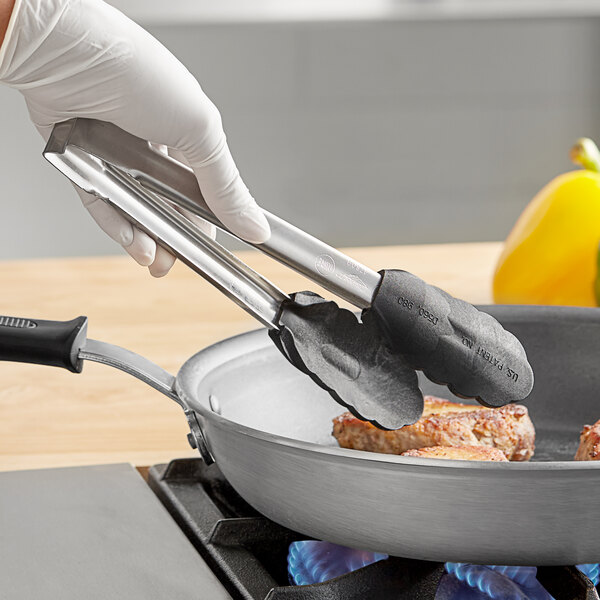
Preheat the pan until it’s very hot. Test with a drop of water — it should sizzle and dance. Pat proteins dry to promote browning, and season just before they hit the pan. Use oils with high smoke points like avocado or refined peanut oil. Don’t overcrowd the pan; give food space so heat stays high. Let the sear form without moving the food constantly. Finish thicker cuts in the oven if needed to avoid burning the surface. These techniques make most cooking on high heat tips easy to follow and effective.

Foods that benefit most from high heat
- Steak and chops: Sear to form a brown crust, then rest for juicy results. This is a top cooking on high heat tip.
- Stir-fries: High heat cooks small pieces fast and keeps veg crisp-tender.
- Seafood: Firm fish and shrimp get a lovely crust in 1–2 minutes per side.
- Vegetables: Broccoli, Brussels sprouts, and asparagus char nicely and gain smokiness.
- Flatbreads and tortillas: High heat creates blistered, chewy surfaces quickly.
Applying cooking on high heat tips here yields intense flavors and quick meals.
Foods and situations to avoid high heat
High heat is not always best. Avoid it for delicate fish like sole or thin white fillets that flake easily. Dairy-based sauces can break or separate under extreme heat. Rice, soups, and stews need steady, lower heat to cook evenly. Eggs for soft-scrambled or custards should be cooked gently. Knowing when not to use high heat is as important as knowing which cooking on high heat tips to apply.

Troubleshooting common high-heat problems
Problem: Burnt outside, raw inside. Solution: Lower heat slightly and use a two-step finish — sear then finish in oven.
Problem: Excess smoke. Solution: Raise ventilation, use a higher smoke-point oil, or lower the flame.
Problem: Food sticking. Solution: Preheat pan well and add oil just before the food; don’t flip too early. These fixes reflect real-world cooking on high heat tips I rely on during busy service.
Personal experience: mistakes, lessons, and practical tips
Early in my cooking career I chased the hottest flame for every dish. I burned several pans and a few dinners. The lesson was simple: heat is a tool, not a reflex. Now I test pans, choose oils by smoke point, and rest meats before slicing. I also learned that timing is king — a hot pan with precise timing is the core of many cooking on high heat tips. Treat each attempt like a short experiment and adjust heat and timing next time.

Quick high-heat recipes and timings
- Pan-seared steak: 1–2 minutes per side on high heat for a good crust, then 5–8 minutes in a 400°F oven for medium-rare depending on thickness. Rest 5 minutes.
- Shrimp sear: 1–1.5 minutes per side until pink and slightly charred. Avoid overcooking.
- Charred broccoli: Toss florets in oil and salt, roast or pan-sear on high for 6–8 minutes until edges blacken.
- Stir-fry veg with tofu: 3–5 minutes on high, stirring constantly for even color. These recipes are practical cooking on high heat tips you can use tonight.
Frequently Asked Questions of cooking on high heat tips
How hot should my pan be for high-heat cooking?
A pan should be hot enough that a water droplet immediately sizzles and skates. For most stoves this means medium-high to high flame, but adjust based on your cookware.
Which oils are best for high-heat cooking?
Choose oils with a high smoke point such as avocado, refined peanut, or light olive oil. Unrefined oils can smoke and break down quickly.
Can I sear frozen meat on high heat?
Searing frozen meat can create a crust while the inside thaws, but it risks uneven cooking. Thaw briefly or use lower heat to finish cooking through safely.
Why does food stick even though the pan is hot?
Food sticks when the pan isn’t properly preheated, when surface moisture exists, or when you flip too soon. Dry the food and wait until a natural release forms.
Is high-heat cooking unhealthy because of charring?
Occasional charring adds flavor and is generally safe in moderation. To reduce risk, avoid burning food repeatedly and trim heavily charred bits.
Conclusion
High heat is a powerful tool for quick, flavorful cooking when you use the right gear, timing, and techniques. Follow practical cooking on high heat tips like proper preheating, choosing the right oil, drying food, and finishing thicker cuts in the oven. Try one new tip this week, note the results, and adjust your approach as you learn. If you found this helpful, leave a comment, subscribe for more tips, or share a high-heat success of your own.
