

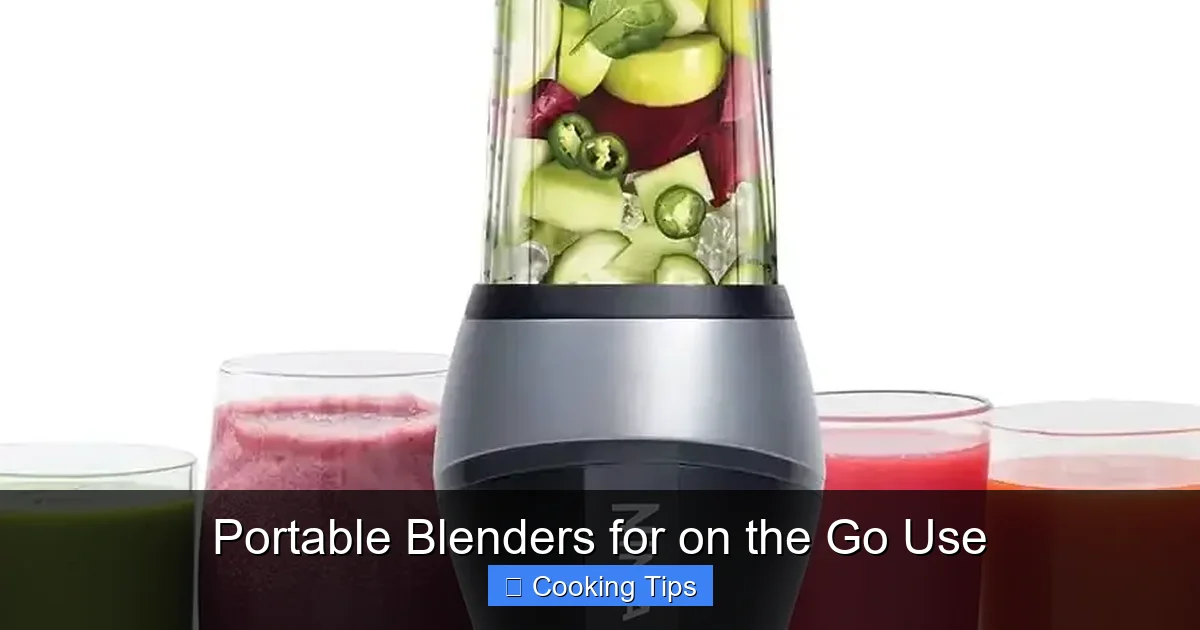
Discover the ultimate guide to portable blenders for your busy lifestyle. This comprehensive resource will equip you with the knowledge to choose the perfect portable blender, master its operation, and keep it pristine for delicious, healthy drinks wherever life takes you. From crafting perfect smoothies to essential maintenance, we’ve got you covered for effortless on-the-go nutrition in 2026.
In the fast-paced world of 2026, staying healthy and energized is more important than ever. Juggling work, family, and social commitments can make it challenging to stick to a nutritious diet. That’s where portable blenders come in! These compact powerhouses are revolutionizing how we consume healthy food and drinks, allowing us to whip up fresh smoothies, shakes, and even purees wherever we are – from the gym to the office, or even a scenic hiking trail. This guide will walk you through everything you need to know about portable blenders for on-the-go use, ensuring you can enjoy delicious, wholesome creations anytime, anywhere.
Key Takeaways
- Choosing the Right Portable Blender: Understand the key features to consider, such as battery life, blade design, capacity, and material, to find a model that fits your needs and budget.
- Mastering Operation for Perfect Blends: Learn the best practices for loading ingredients, achieving the right consistency, and utilizing pulse functions for smooth, delicious results every time.
- Powering Up and Charging: Discover the most efficient ways to charge your portable blender, understanding battery indicators and optimal charging habits for maximum longevity.
- Effortless Cleaning and Maintenance: Get step-by-step instructions on how to clean your portable blender effectively and simple maintenance tips to ensure it lasts for years.
- Troubleshooting Common Issues: Find solutions to frequent problems like weak blending power, battery drain, or unusual noises, so you can keep your portable blender working optimally.
- Maximizing Your Portable Blender’s Potential: Explore creative recipe ideas and usage tips beyond just smoothies to unlock the full versatility of your portable blending companion.
Choosing Your Perfect Portable Blender
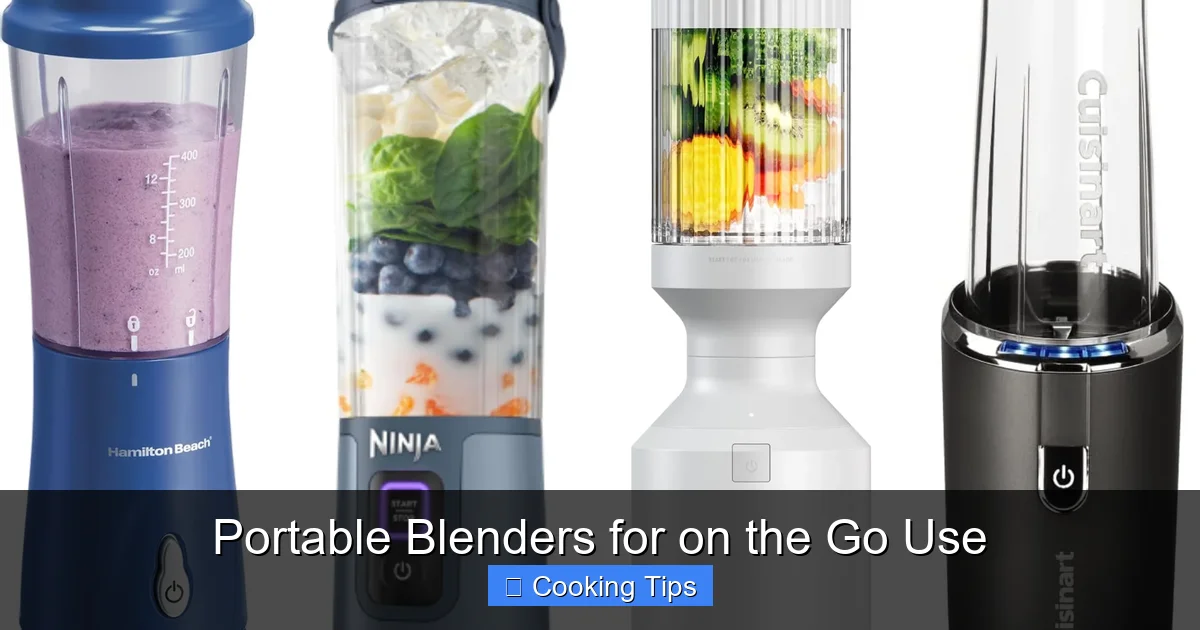
The market for portable blenders is booming, with innovative designs and features emerging constantly. But with so many options, how do you choose the one that’s right for you? Let’s break down the key considerations:
Capacity and Size
Portable blenders come in various sizes, typically ranging from 10 to 20 ounces. Consider how much you usually drink. If you’re making a single-serving smoothie, a smaller capacity might suffice. If you like larger portions or want to blend for two, opt for a larger unit. Also, think about its overall footprint – will it fit easily into your bag or lunchbox?
Power and Battery Life
This is crucial for achieving smooth blends. Look for blenders with powerful motors (measured in watts). Higher wattage generally means better blending performance, especially with tougher ingredients like frozen fruits or ice. Battery life is also paramount for on-the-go use. Check the manufacturer’s specifications for the number of blends per charge. Some models offer USB-C charging, which is convenient for topping up with a power bank.
Blade Design and Material
The blades are the heart of your blender. Most portable blenders use stainless steel blades. Look for blades that are sharp and designed for efficient pulverizing. Some blenders have a unique blade configuration that helps create a vortex for smoother blending. The durability of the blades will impact the longevity of your blender.
Material and Durability
Portable blenders are often made from BPA-free plastics or durable Tritan materials. BPA-free is essential for your health, ensuring no harmful chemicals leach into your drinks. Consider the overall build quality. Will it withstand the bumps and knocks of being carried around?
Ease of Cleaning
This is a big one! Nobody wants to spend ages scrubbing a blender. Look for models with detachable parts that are dishwasher-safe or can be easily rinsed. Some blenders are designed for a simple “blend with water and a drop of soap” cleaning cycle, which is incredibly convenient.
Safety Features
Most portable blenders have safety mechanisms, such as requiring the lid to be securely locked before the blades will spin. This is a crucial feature to prevent accidental activation. Check for certifications like ETL or UL for added peace of mind.
Mastering Your Portable Blender: Step-by-Step
Once you’ve chosen your ideal portable blender, it’s time to put it to work! Here’s how to get the best results:
Visual guide about Portable Blenders for on the Go Use
Image source: shelf.guide
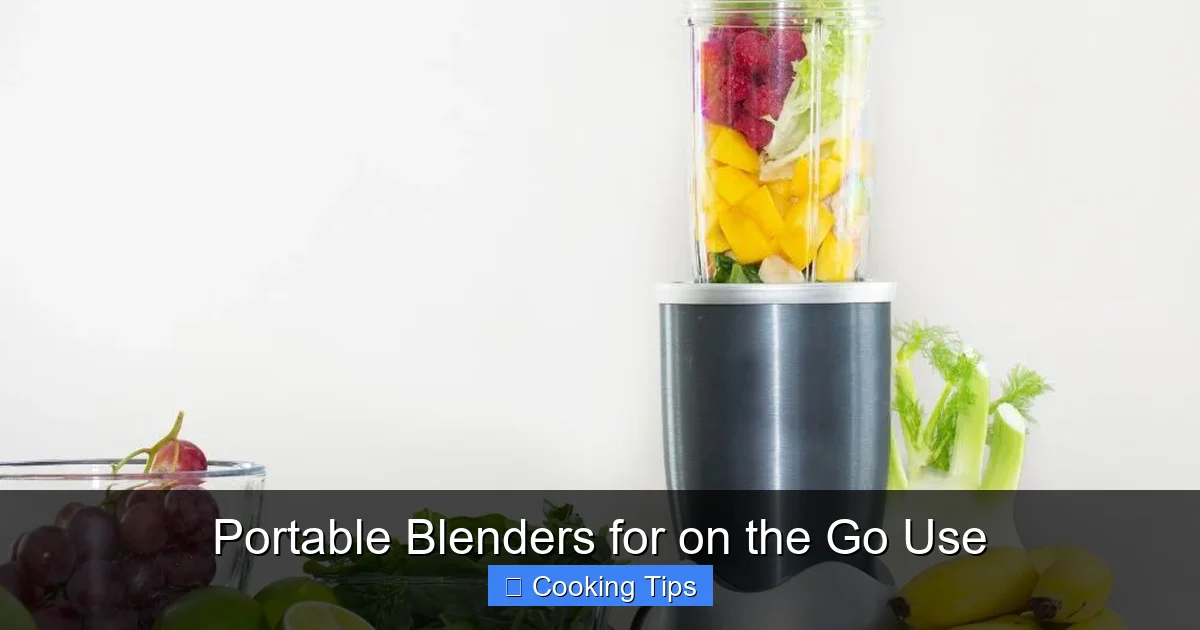
Step 1: Prepare Your Ingredients
The key to a smooth blend is in the preparation.
- Chop larger items: Cut fruits like apples or bananas into smaller, manageable chunks.
- Add liquids first: Pour your liquid base (water, milk, juice) into the blender jar first. This helps the blades move freely and prevents ingredients from getting stuck.
- Layer softer ingredients: Add softer items like yogurt, protein powder, or leafy greens next.
- Top with frozen ingredients: Finish by adding frozen fruits or ice. This pushes everything down towards the blades.
Step 2: Secure the Lid and Blend
Ensure the lid is screwed on tightly. Many portable blenders require you to press a button or twist the base to start blending.
- Start with short pulses: For tougher ingredients, use the pulse function (if available) or short bursts of blending. This helps break down larger chunks before a continuous blend.
- Continuous blending: Once ingredients are partially broken down, you can blend continuously until your desired consistency is reached.
- Shake it up: If ingredients seem to be sticking or the blend isn’t smooth, stop the blender, remove it from the base, and give it a gentle shake.
Step 3: Pour and Enjoy!
Once your smoothie is perfectly blended, carefully unscrew the lid and pour your delicious creation into a glass or drink it straight from the jar. Remember to use it promptly for the freshest taste and best nutrient absorption.
Powering Up and Charging Your Portable Blender
A dead battery can be a real buzzkill when you’re craving a healthy drink. Here’s how to keep your portable blender powered:
Visual guide about Portable Blenders for on the Go Use
Image source: popsci.com
Understanding Charging Ports
Most modern portable blenders use USB ports for charging, often USB-C for faster speeds. This means you can easily charge them using:
- Wall adapters
- Power banks
- Laptop USB ports
- Car chargers
Optimal Charging Practices
To maximize your battery’s lifespan:
- Charge when needed: Avoid constantly keeping it plugged in after it’s fully charged.
- Follow manufacturer instructions: Always refer to your blender’s manual for specific charging recommendations.
- Use the right charger: Use the charging cable and adapter that came with your blender or a compatible one.
Most blenders have an indicator light that shows when they are charging and when the battery is full. Pay attention to these indicators to avoid overcharging.
Effortless Cleaning and Maintenance for Longevity
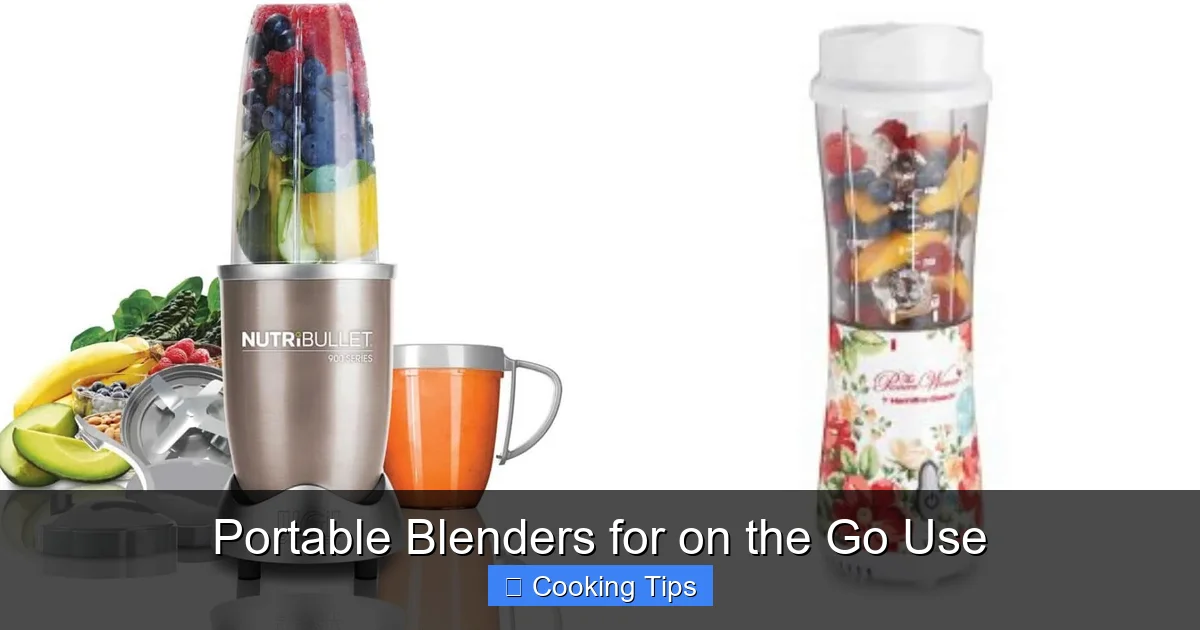
Keeping your portable blender clean is essential for hygiene and ensuring it functions well for years to come. Fortunately, cleaning these compact devices is usually straightforward.
Visual guide about Portable Blenders for on the Go Use
Image source: thekitchenmastery.com
Daily Cleaning Routine
For immediate post-use cleaning:
- Rinse immediately: As soon as you’re done, rinse the blender jar and lid with warm water to remove residue.
- Blend with soap and water: For a more thorough clean, add a drop of dish soap and some warm water to the jar. Secure the lid and blend for 30-60 seconds.
- Rinse thoroughly: Rinse the jar and lid again to ensure all soap is gone.
- Dry completely: Allow all parts to air dry completely before reassembling or storing.
Deep Cleaning (Weekly or As Needed)
Occasionally, you might need a deeper clean, especially if you notice any build-up:
- Disassemble: Carefully detach the blade assembly (if possible) and any other removable parts.
- Hand wash: Wash these parts with warm, soapy water and a soft brush or sponge. Avoid abrasive cleaners that can scratch the plastic.
- Clean the motor base: Wipe the motor base with a damp cloth. Never submerge the motor base in water.
- Check the charging port: Ensure the charging port is free of debris.
- Reassemble and dry: Once all parts are clean and dry, reassemble the blender.
Maintenance Tips
- Avoid overfilling: Don’t fill the blender beyond the maximum fill line.
- Don’t blend hot liquids: Portable blenders are not designed for hot ingredients, as the pressure build-up can be dangerous.
- Inspect blades regularly: Ensure the blades are sharp and not damaged. If they are dull, blending performance will suffer.
- Store properly: Store your blender in a cool, dry place.
Troubleshooting Common Portable Blender Issues
Even the best portable blenders can sometimes throw a minor curveball. Here are some common issues and how to fix them:
Issue: Blender Not Turning On
Possible Causes:
- Battery is dead.
- Lid or base is not secured properly.
- Safety mechanism is engaged.
Solutions:
- Charge the blender for at least an hour.
- Ensure the lid and motor base are twisted and locked into place according to the manufacturer’s instructions.
- Check your manual for specific activation sequences.
Issue: Weak Blending Power / Chunky Results
Possible Causes:
- Too many ingredients, or ingredients are too large.
- Not enough liquid.
- Blades are dull or damaged.
- Battery is low.
Solutions:
- Reduce the number of ingredients or chop them smaller.
- Add more liquid to help the ingredients circulate.
- Inspect the blades; if they are damaged, consider replacing the unit.
- Charge the blender.
Issue: Blender Leaking
Possible Causes:
- Lid is not screwed on tightly.
- Gasket or seal is damaged or missing.
- Overfilling the jar.
Solutions:
- Double-check that the lid is screwed on firmly.
- Inspect the lid and jar for any damage to the sealing mechanisms. Contact the manufacturer if a part is missing or damaged.
- Do not fill the blender beyond the recommended maximum line.
Issue: Unusual Noises During Operation
Possible Causes:
- Ingredients are too large or stuck against the blades.
- Motor is strained.
Solutions:
- Stop the blender, remove the jar, and try to dislodge any stuck ingredients, or chop them smaller.
- If the noise persists after troubleshooting, the motor may be overheating or damaged. Allow it to cool down, and if the issue continues, contact customer support.
Beyond Smoothies: Maximizing Your Portable Blender’s Potential
While smoothies are the go-to for portable blenders, their versatility extends much further:
- Protein Shakes: Perfect for post-workout recovery.
- Baby Food Purees: Blend steamed fruits and vegetables for homemade baby food on the go.
- Sauces and Dressings: Whip up simple vinaigrettes or creamy dips.
- Cocktails and Mocktails: Blend fresh fruit for refreshing beverages.
- Baby Formula Mixing: A quick and easy way to mix formula when you’re out and about.
Experiment with different ingredient combinations to discover new favorites. Think frozen banana for creaminess, spinach for a nutrient boost (you won’t taste it!), chia seeds for thickness, and a splash of citrus to brighten flavors. The possibilities are truly endless with your portable blending companion.
Conclusion
Portable blenders have become indispensable tools for anyone prioritizing health and convenience in their busy lives. By understanding how to choose, use, and maintain your portable blender, you can unlock a world of delicious, nutritious possibilities. Whether you’re a fitness enthusiast, a busy parent, or simply someone who enjoys fresh, healthy food, your portable blender is a game-changer. Embrace the freedom of blending wherever life takes you, and make healthy eating an effortless part of your daily routine in 2026 and beyond!
