


Ensuring safety and optimal performance in your kitchen starts with a simple, yet vital practice: following manufacturer instructions for safe operation. This guide, relevant for 2026 kitchens, will walk you through why this is essential and how to make it a habit. By understanding and adhering to these guidelines, you’ll protect yourself, your family, and your valuable appliances, leading to a safer, more efficient cooking experience.
Welcome to your ultimate guide on a crucial aspect of kitchen management: following manufacturer instructions for safe operation. In our fast-paced lives, especially as we navigate 2026, it’s easy to overlook the importance of these detailed guides. We’re often eager to start cooking, explore new recipes, or simply get a meal on the table quickly. However, neglecting these instructions can lead to a cascade of problems, from minor inconveniences to serious safety hazards.
This guide will equip you with a comprehensive understanding of why following manufacturer instructions is paramount. We’ll break down the benefits, provide actionable steps to make this a regular practice, and even touch upon what to do when things don’t go as planned. By the end of this article, you’ll be empowered to approach your kitchen appliances with a newfound respect for their intended use, ensuring safety, efficiency, and longevity for all your cooking adventures.
Key Takeaways
- Understanding the “Why”: Manufacturer instructions are not mere suggestions; they are meticulously crafted guides designed by experts to ensure your safety and the optimal functioning of your appliances.
- Appliance Longevity: Adhering to these instructions directly contributes to the lifespan of your kitchen equipment, preventing premature wear and tear, and saving you money on repairs and replacements.
- Safety First: The primary purpose of these instructions is to prevent accidents, such as fires, electric shocks, and other hazards, protecting you and your household from potential harm.
- Maximizing Performance: Manufacturers know their products best. Following their guidance ensures you’re using the appliance as intended, unlocking its full potential for superior cooking results.
- Warranty Protection: Many manufacturers void warranties if appliances are not used according to their specified instructions, leaving you financially exposed in case of a defect.
- Environmental Responsibility: Proper operation and maintenance, as outlined by manufacturers, can also contribute to energy efficiency and reduce waste.
Why Following Manufacturer Instructions is Non-Negotiable
Before we dive into the “how,” let’s establish the “why.” Manufacturer instructions are not arbitrary guidelines. They are the result of extensive research, rigorous testing, and a deep understanding of the product’s design, capabilities, and potential risks. Think of them as the user’s manual for your appliance’s well-being and your own safety.
Safety First, Always
This is the most critical reason. Appliances, whether it’s a sleek induction hob, a high-powered blender, or a sophisticated smart oven, involve electricity, heat, and moving parts. Improper use can lead to:
- Fire Hazards: Overheating, incorrect use of accessories, or not cleaning components as instructed can ignite flammable materials.
- Electric Shocks: Damaged cords, improper grounding, or using appliances near water when not designed to do so can be extremely dangerous.
- Mechanical Injuries: Blades that aren’t properly secured, covers that are left open, or forcing components can cause severe cuts or other injuries.
- Harmful Fumes: Some appliances, particularly when used incorrectly or with certain materials, can release toxic fumes.
Maximizing Appliance Performance and Longevity
Manufacturers design their appliances to perform at their best under specific conditions. Following their instructions ensures:
- Optimal Cooking Results: Whether it’s achieving the perfect sear on a steak in your air fryer or ensuring even baking in your convection oven, correct usage guarantees the best outcomes.
- Preventing Wear and Tear: Using an appliance for purposes it wasn’t designed for, or cleaning it with harsh chemicals, can degrade components prematurely. This leads to breakdowns and a shortened lifespan.
- Energy Efficiency: Many instructions include tips on how to use the appliance efficiently, saving you money on your energy bills and reducing your environmental footprint.
Protecting Your Investment: Warranty Matters
Most appliances come with a warranty. However, this warranty is often conditional. If an appliance fails due to misuse or improper maintenance, and this can be traced back to a deviation from the manufacturer’s instructions, your warranty could be void. This means you’ll be responsible for the full cost of repairs or replacement.
Making It a Habit: Practical Steps to Follow Instructions
Now that we understand the critical importance, let’s integrate this practice into our kitchen routines.
Step 1: Locate and Read the Manual Upon Purchase
This might seem obvious, but it’s the first hurdle for many. As soon as you unbox a new appliance:
- Find the Manual: It’s usually in the box with the appliance. Sometimes it’s a small booklet, other times a more extensive guide.
- Set Aside Time: Before you plug it in or use it for the first time, dedicate 10-15 minutes to read through the key sections.
Step 2: Identify Key Safety Information
Most manuals have a dedicated section for safety warnings. Focus on these first:
- General Safety Precautions: Look for warnings about electrical safety, fire prevention, and preventing personal injury.
- Specific Warnings: For example, an oven manual will have warnings about not placing foil directly on the bottom element, while a blender manual will warn against running it dry.
Step 3: Understand Basic Operation and Setup
Once you’ve grasped the safety aspects, familiarize yourself with the basics:
- Initial Setup: Does it require assembly? Does it need to be plugged into a specific type of outlet?
- Control Panel Explanation: What do the buttons, dials, and symbols mean? What are the different settings and what are they for?
- Recommended Usage: What are the intended uses of the appliance? What foods or ingredients are recommended or discouraged?
Step 4: Note Maintenance and Cleaning Guidelines
Proper maintenance is crucial for both safety and performance:
- Regular Cleaning: What parts need to be cleaned regularly? What cleaning agents are safe to use? What should be avoided?
- Deep Cleaning: Are there specific intervals for deeper cleaning?
- Troubleshooting Basics: The manual often includes a section on common problems and their solutions.
Step 5: Keep Manuals Accessible
Don’t let that manual get lost in a drawer! Make it easy to refer back to:
- Digital Copies: Most manufacturers offer downloadable PDFs of their manuals on their websites. Save these to your computer, tablet, or cloud storage for easy access.
- Physical Location: If you prefer physical copies, designate a specific spot in your kitchen or a binder for appliance manuals.
Step 6: Refer Back When in Doubt
It’s natural to forget details, especially with less frequently used appliances. Don’t guess!
- When Trying New Features: If you’re using a new setting or function for the first time, a quick check of the manual can prevent errors.
- If Something Seems Off: If an appliance is making unusual noises, smelling strange, or not performing as expected, consult the troubleshooting section of the manual before assuming a serious issue.
Examples of Following Instructions in Action
Let’s look at some common kitchen appliances and how following their manufacturer instructions can make a difference:

Visual guide about Follow the Manufacturer Instructions for Safe Operation
Image source: safetysign.com
Microwave Ovens
- Safety: Never operate a microwave oven empty. Do not heat sealed containers. Use microwave-safe cookware.
- Operation: Understand power levels and cooking times for different food types.
- Maintenance: Clean the interior regularly to prevent food buildup, which can cause arcing.
Blenders and Food Processors
- Safety: Never operate without the lid securely in place. Do not immerse the motor base in water. Ensure blades are properly seated before use.
- Operation: Don’t overfill the container. Cut large ingredients into smaller pieces. Pulse for better control.
- Maintenance: Disassemble and clean thoroughly after each use. Check blade sharpness and ensure seals are intact.
Electric Stovetops and Induction Cooktops
- Safety: Never leave a hot cooktop unattended. Keep flammable items away from the cooking surface. Ensure cookware is compatible (especially for induction).
- Operation: Use cookware with flat bottoms that match the size of the burner. Avoid dragging pots and pans, which can scratch the surface.
- Maintenance: Clean spills immediately to prevent them from baking on. Use recommended cleaning products for the specific surface type.
Toasters and Toaster Ovens
- Safety: Never insert metal objects into the slots. Ensure crumb trays are emptied regularly to prevent fire hazards.
- Operation: Avoid toasting items that might drip (like buttery pastries) if not designed for it.
- Maintenance: Regularly clean the crumb tray. Wipe down the exterior with a damp cloth.
Troubleshooting Common Issues by Consulting the Manual
Sometimes, even with careful operation, appliances might encounter minor hiccups. The manufacturer’s manual is your first line of defense.
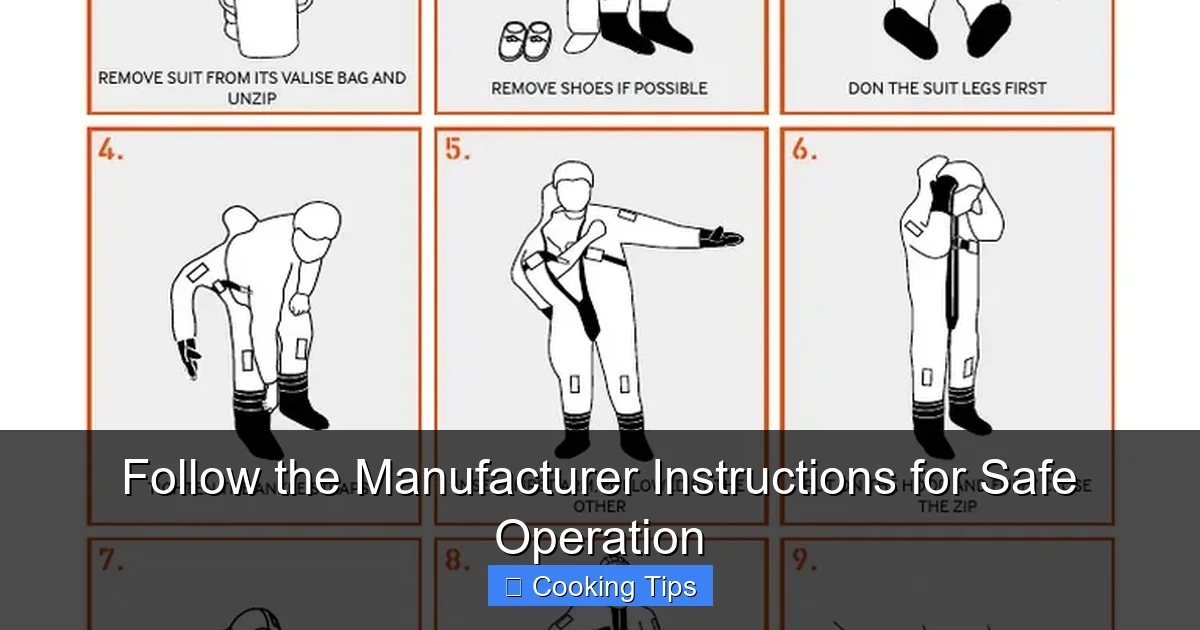
Visual guide about Follow the Manufacturer Instructions for Safe Operation
Image source: imgv2-2-f.scribdassets.com
Scenario 1: My toaster is smoking.
Consult the Manual: Look for a section on “Smoking” or “Fire Hazards.” It will likely instruct you to unplug the appliance immediately, allow it to cool, and check the crumb tray for accumulated debris. Removing and cleaning the crumb tray is often the solution.
Scenario 2: My blender isn’t blending smoothly.
Consult the Manual: Check the “Performance Issues” or “Troubleshooting” section. It might advise on the correct order of adding ingredients, the importance of not overfilling, or the need to cut ingredients into smaller pieces. It might also suggest using the pulse function for tougher items.
Scenario 3: My oven isn’t reaching the set temperature.
Consult the Manual: The manual might have a section on “Temperature Inaccuracy.” It could suggest checking if the oven door is sealing properly, ensuring there isn’t excessive moisture inside, or recommending a brief reset (unplugging for a few minutes). If the issue persists, it might indicate a need for professional service.
Scenario 4: My dishwasher is leaving streaks on dishes.
Consult the Manual: Look for advice on “Dishwashing Performance” or “Cleaning Results.” The manual will likely guide you on using the correct amount of rinse aid, ensuring the salt dispenser is filled (if applicable), and recommending the appropriate detergent type and loading techniques.
By actively consulting the manual, you often resolve minor issues yourself, saving time, money, and avoiding unnecessary service calls.
Conclusion
In the modern kitchen of 2026 and beyond, appliances are sophisticated tools that enhance our culinary experiences. However, their full potential is only unlocked, and their operation kept safe, when we respect and follow the manufacturer’s instructions for safe operation. These guides are more than just paper; they are the blueprints for safe, efficient, and long-lasting use of your valuable kitchen equipment.
Make it a practice to locate, read, and refer to your appliance manuals. Prioritize the safety warnings, understand the operational guidelines, and adhere to the maintenance recommendations. By doing so, you’re not just preventing accidents; you’re ensuring your appliances perform at their peak, extending their lifespan, and protecting your investment. Embrace this simple yet powerful habit, and transform your kitchen experience into one that is safer, more efficient, and more enjoyable.
