

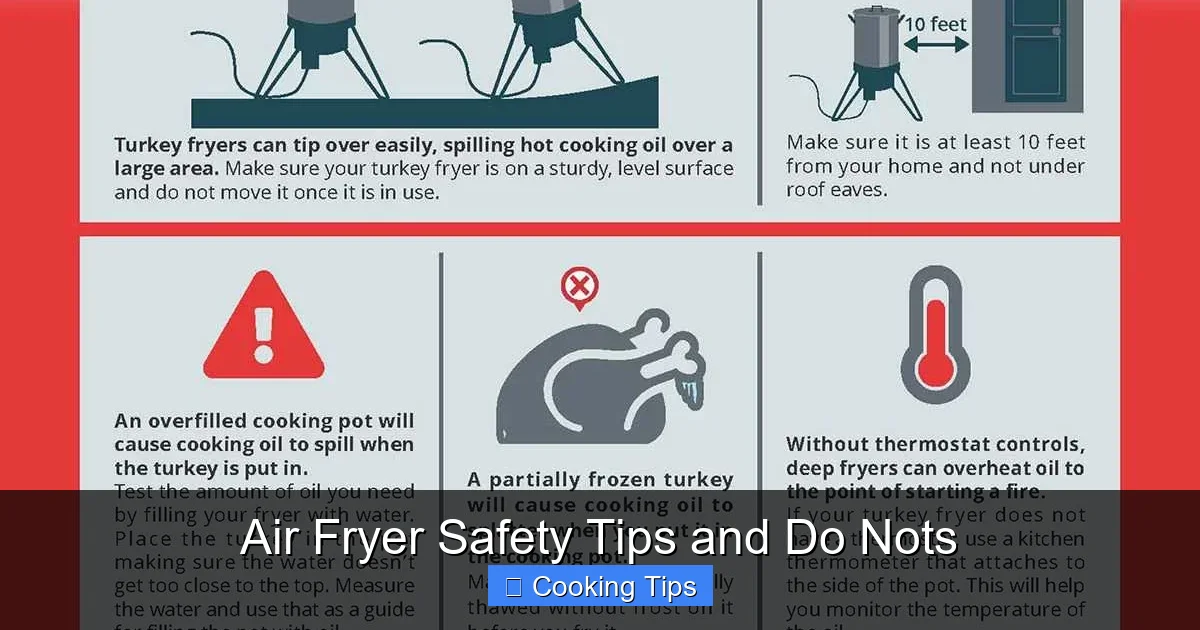
Navigate the world of air frying with confidence using our comprehensive safety guide. Learn essential tips for optimal use and understand the critical do nots to prevent accidents and ensure delicious, healthy meals. This guide will equip you to air fry with peace of mind.
Are you ready to unlock the full potential of your air fryer in 2026? These amazing kitchen gadgets offer a healthier, faster way to cook your favorite foods. From crispy fries to perfectly roasted chicken, the possibilities are endless. But with any cooking appliance, safety should always be your top priority.
This guide is your ultimate resource for mastering **air fryer safety**. We’ll walk you through essential tips and crucial “do nots” that will ensure you enjoy delicious, perfectly cooked meals without any unwelcome surprises. Get ready to air fry with confidence and peace of mind!
Key Takeaways
- Proper Ventilation is Paramount: Always ensure your air fryer has ample space around it, away from walls and cabinets, to allow hot air to escape and prevent overheating.
- Preheating Safely: Preheating is often recommended, but always do so on a stable, heat-resistant surface and never leave it unattended.
- Avoid Overcrowding: Don’t stuff your air fryer basket. Overcrowding leads to uneven cooking and can strain the appliance, potentially causing malfunctions.
- Use Appropriate Accessories: Stick to air fryer-safe accessories. Avoid materials like regular plastic or paper that can melt, ignite, or damage your appliance.
- Understand the “Do Nots”: Key prohibitions include never using it without the basket, not submerging it in water, and avoiding spraying non-stick spray directly onto the heating element.
- Regular Cleaning is Crucial: A clean air fryer cooks better and reduces fire risks. Regularly clean the basket, tray, and interior to prevent grease buildup.
Understanding Your Air Fryer
Before we dive into specific safety practices, it’s helpful to understand how your air fryer works. Air fryers use rapid, circulating hot air to cook food. This process creates a convection current that mimics the results of deep frying but with significantly less oil. The key components are the heating element and a powerful fan that pushes hot air around the food in the basket.
Knowing this helps us appreciate why certain safety measures are so important. The hot air needs to circulate freely, and the heating element needs to be kept clean and free from obstruction.
Essential Air Fryer Safety Tips
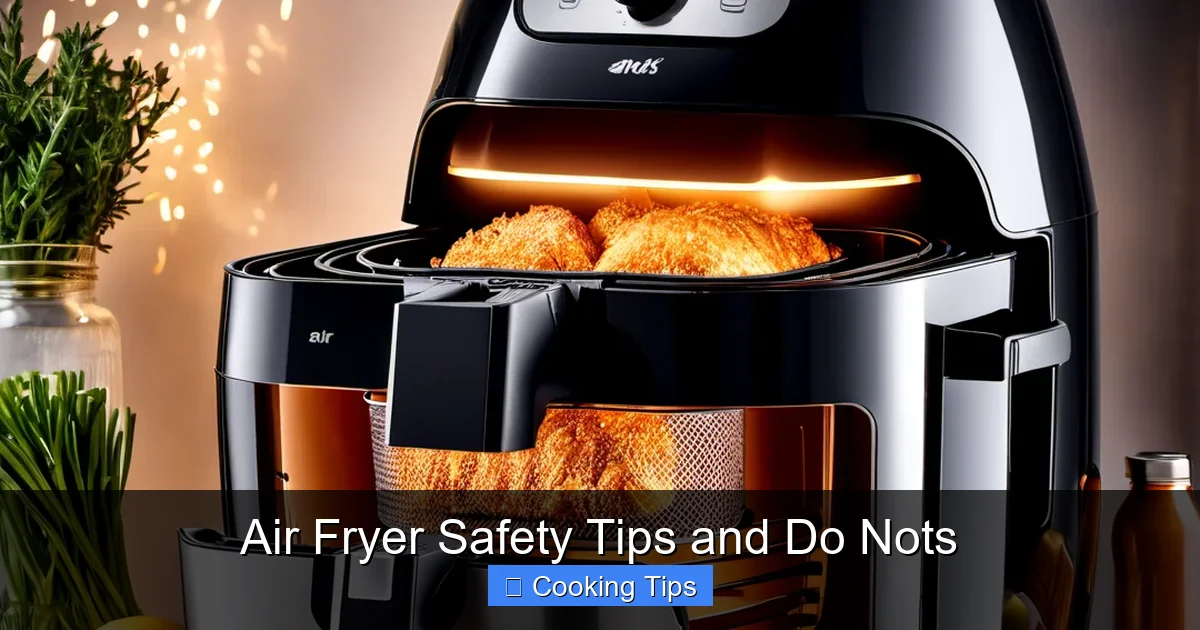
Visual guide about Air Fryer Safety Tips and Do Nots
Image source: airfryerforme.com
Following these simple tips will help you use your air fryer safely and efficiently.
H3: Choose the Right Location
Where you place your air fryer makes a big difference.
H4: Stable, Heat-Resistant Surface
Always place your air fryer on a stable, flat, and heat-resistant surface. This means your kitchen countertop is usually a good choice, provided it’s not directly under cabinets that can trap heat. Avoid placing it on surfaces that can warp or melt, like plastic tablecloths or cutting boards not designed for heat.
H4: Adequate Ventilation is Key
This is one of the most critical **air fryer safety tips**. Your air fryer needs space to breathe! Ensure there is at least 4-6 inches of clearance around all sides of the appliance, including the back and top. This allows the hot air to escape freely. Trapping hot air can lead to overheating, which is a fire hazard and can damage your appliance. Never place it directly against a wall or under low-hanging cabinets.
H4: Keep Away from Flammables
Always keep your air fryer away from flammable materials. This includes curtains, paper towels, dish towels, and any other combustible items. A stray spark or excessive heat escaping the appliance could ignite these materials.
H3: Preheating Your Air Fryer Safely
Many recipes recommend preheating your air fryer for best results.
H4: Preheating on a Stable Surface
Just like regular cooking, always preheat your air fryer on a stable, heat-resistant surface.
H4: Never Leave Unattended
While preheating is quick, never leave your air fryer unattended while it’s heating up, especially if it’s your first time using it or trying a new recipe. It’s always best practice to be present to monitor the appliance.
H4: Follow Manufacturer Instructions
Each air fryer model is slightly different. Always refer to your user manual for specific preheating instructions and recommended temperatures.
H3: Loading the Air Fryer Basket
How you fill the basket impacts both cooking and safety.
H4: Avoid Overcrowding
This is a common mistake that leads to poor results and can strain your air fryer. Overcrowding the basket prevents the hot air from circulating properly. This results in unevenly cooked, soggy food instead of crispy goodness. It can also cause the appliance to work harder, potentially leading to overheating. Cook in batches if necessary.
H4: Distribute Food Evenly
Arrange your food in a single layer as much as possible. This allows the hot air to reach all surfaces of the food for maximum crispiness.
H4: Use Appropriate Oils and Seasonings
While you use less oil in an air fryer, ensure any oil you use is suitable for high-heat cooking. If you’re using a spray, aim for an oil mister rather than a direct spray that can sometimes aerosolize and potentially damage the heating element or coat the basket unevenly. Avoid using aerosol cooking sprays that contain propellants, as they can degrade the non-stick coating over time.
H3: Using Air Fryer Accessories Safely
Accessories can enhance your air frying experience, but use them wisely.
H4: Air Fryer-Specific Accessories Only
Only use accessories that are specifically designed for air fryers. This includes parchment paper liners, silicone mats, and metal racks.
H4: Check Material Compatibility
Ensure any accessories you use are made from heat-resistant materials like silicone, stainless steel, or food-grade parchment paper. Avoid using regular plastic containers or aluminum foil unless explicitly stated as safe by the manufacturer.
H4: Parchment Paper Precautions
If using parchment paper liners, ensure they are properly weighted down by food. Never place an empty parchment liner in a preheated air fryer, as it can fly up, touch the heating element, and catch fire. Some liners have specific instructions to avoid this; always follow them.
H3: Handling and Cleaning Your Air Fryer
Proper handling and cleaning are vital for long-term safety and performance.
H4: Always Unplug and Let Cool
Before cleaning or attempting any maintenance, always unplug your air fryer from the power outlet. Allow the appliance to cool down completely. The basket and interior can remain hot for a significant time after cooking.
H4: Never Submerge in Water
This is a crucial **air fryer do not**. The main unit of your air fryer contains electrical components and should never be submerged in water or any other liquid. This can cause severe damage and pose an electrical hazard.
H4: Clean Basket and Tray Regularly
Food debris and grease can build up in the basket and tray. This buildup can smoke, create unpleasant odors, and potentially become a fire hazard. Wash the basket and tray after each use with warm, soapy water. Most are dishwasher safe, but check your manual.
H4: Wipe Down Exterior
Use a damp cloth to wipe down the exterior of your air fryer. Avoid using abrasive cleaners or scouring pads, which can scratch the finish.
Critical Air Fryer Do Nots
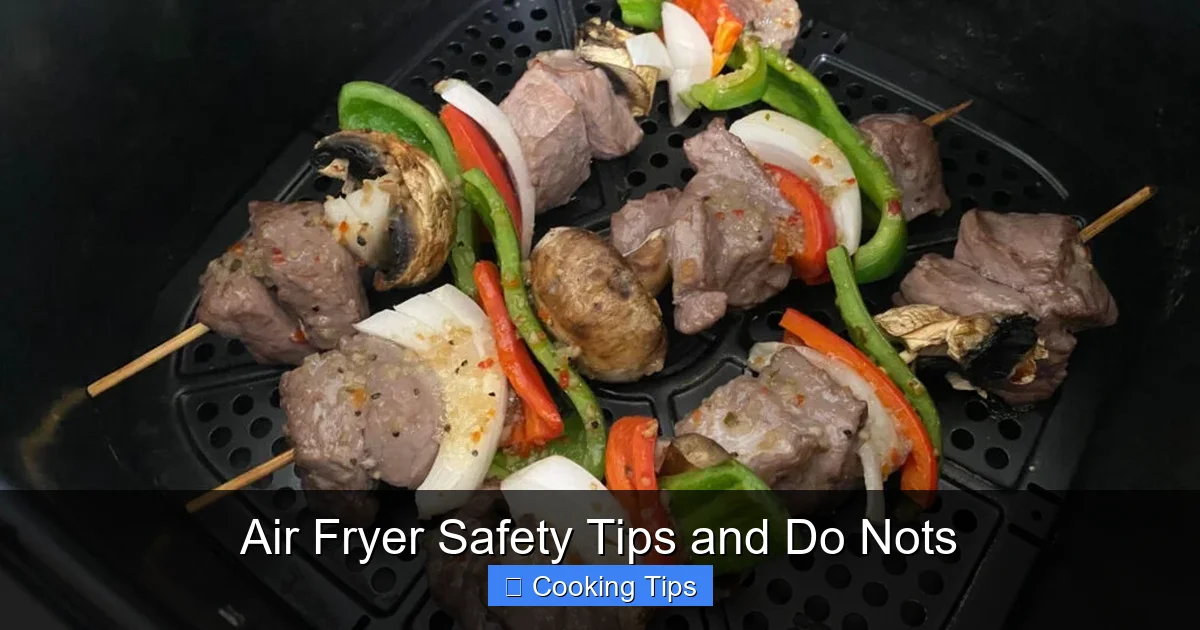
Visual guide about Air Fryer Safety Tips and Do Nots
Image source: airfryerforme.com
Understanding what *not* to do is just as important as knowing what to do. These are absolute no-nos for **air fryer safety**.
H3: Do Not Use Without the Basket
The basket is an integral part of the air fryer’s design. It’s specifically shaped to allow for proper airflow and to keep food away from the heating element. Operating your air fryer without the basket can lead to food falling directly onto the heating element, causing a mess, potential fire, and damage to the appliance.
H3: Do Not Submerge the Main Unit
As mentioned earlier, this is a critical **air fryer safety tip** and a major “do not.” The electrical components are not designed to be exposed to water. Only the removable basket and tray should be washed with water.
H3: Do Not Spray Non-Stick Spray Directly Onto the Heating Element
While using a cooking spray can be helpful, spraying it directly into the air fryer cavity, especially towards the heating element, is a big no-no. The propellants in some aerosol sprays can degrade the non-stick coating of your basket over time. More importantly, the oil can accumulate on the heating element and cause smoking or even ignition. If you must use spray, use an oil mister filled with your preferred cooking oil and spray it onto your food *before* placing it in the basket, or lightly mist the basket itself.
H3: Do Not Overload the Basket
We’ve touched on this in the “tips” section, but it bears repeating as a “do not.” Overloading the air fryer is detrimental to both the cooking process and the appliance’s safety. It leads to poor circulation, uneven cooking, and increased strain on the motor and heating element, raising the risk of overheating.
H3: Do Not Use Damaged Accessories or Cords
If your air fryer basket, tray, or power cord shows signs of damage – such as cracks, fraying, or exposed wires – do not use the appliance. Damaged electrical components are a serious fire and electrocution risk. Contact the manufacturer for replacement parts or to inquire about servicing.
H3: Do Not Block Air Vents
The air fryer has specific vents designed to release hot air and ensure proper circulation. Never block these vents by placing the appliance too close to walls or other objects, or by putting anything over them. Doing so will impede airflow, leading to overheating and potential damage or fire.
H3: Do Not Use Regular Plastic or Paper Products
Unless they are specifically labeled as air fryer safe, do not use ordinary plastic containers or paper products (other than approved parchment liners) inside your air fryer. Regular plastic can melt, deform, or even ignite at air fryer temperatures. Standard paper products can also catch fire easily.
H3: Do Not Operate While Empty for Extended Periods
While preheating briefly is common, running your air fryer empty for long periods can cause it to overheat. The food inside helps to absorb and distribute some of the heat, and without it, the appliance can reach unnecessarily high temperatures.
Troubleshooting Common Air Fryer Issues
Visual guide about Air Fryer Safety Tips and Do Nots
Image source: airfryerworld.com
Even with careful use, you might encounter minor issues.
H3: Smoking Air Fryer
If your air fryer is smoking excessively, it’s usually due to grease buildup in the basket or on the heating element.
* Solution: Unplug the appliance, let it cool completely, and thoroughly clean the basket, tray, and the area around the heating element (if accessible and safe to do so according to your manual). Ensure you’re using appropriate oils and not overcrowding.
H3: Uneven Cooking
This is often a sign of overcrowding or not shaking the basket.
* Solution: Ensure you’re not overfilling the basket and that food is in a single layer. For items like fries or wings, shake the basket halfway through the cooking time to promote even browning.
H3: Strange Noises
While some fan noise is normal, unusual rattling or grinding could indicate a problem.
* Solution: First, check that the basket is properly seated. If the noise persists and is concerning, unplug the unit and contact the manufacturer.
Conclusion
Your air fryer is a fantastic tool for creating delicious and healthier meals. By adhering to these **air fryer safety tips and do nots**, you can ensure that your cooking experience is always enjoyable and safe. Remember to always prioritize proper placement, ventilation, and cleaning. Avoid common pitfalls like overcrowding and using inappropriate accessories.
Treat your air fryer with respect, follow the manufacturer’s guidelines, and you’ll be enjoying perfectly crispy results for years to come. Happy air frying in 2026!
