

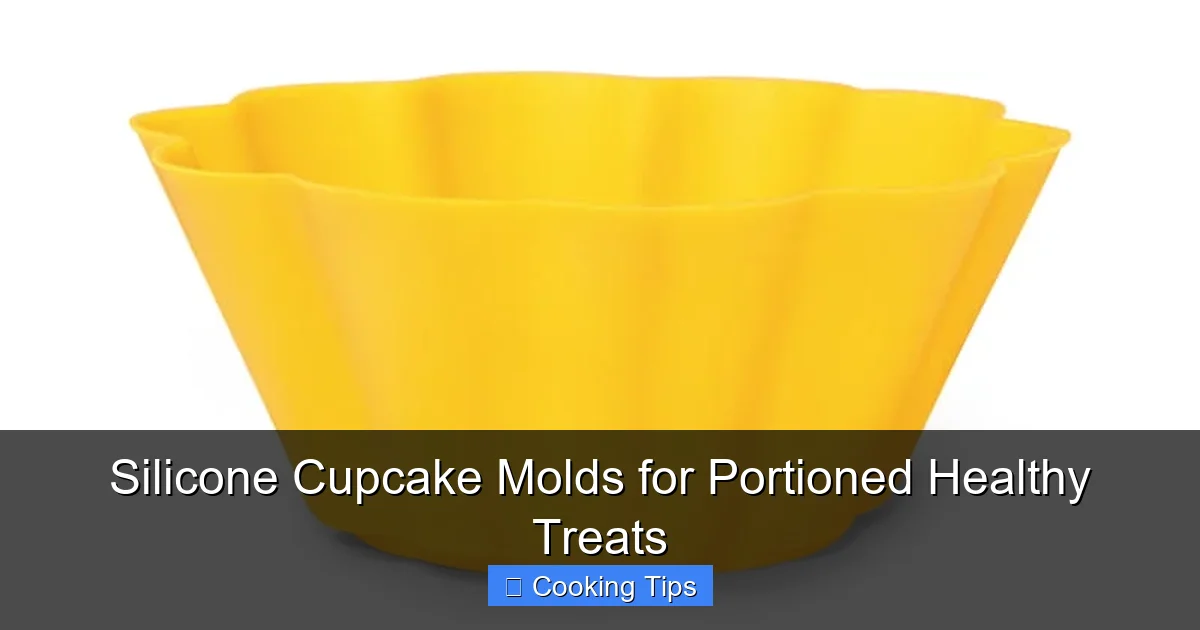
Discover how to use silicone cupcake molds to create delicious and perfectly portioned healthy treats. This comprehensive guide covers everything from choosing the right molds to baking, cleaning, and getting creative with your recipes. Unlock the secret to guilt-free indulgence and effortless healthy eating with these versatile baking tools.
Key Takeaways
- Versatility of Silicone Molds: Silicone cupcake molds are not just for cupcakes; they’re ideal for a wide range of healthy snacks, from mini frittatas to energy bites and even frozen yogurt pops.
- Portion Control Made Easy: Their pre-defined cavities naturally help with portion control, making it simpler to manage calorie intake and serving sizes for healthier eating habits.
- Effortless Release: The non-stick nature of silicone ensures that your healthy treats release easily without sticking, preventing breakage and reducing the need for greasing.
- Durability and Safety: High-quality silicone molds are durable, oven-safe, freezer-safe, and dishwasher-safe, offering a safe and long-lasting alternative to traditional bakeware.
- Creative Recipe Potential: Silicone molds open up a world of creative possibilities for healthy recipes, allowing you to experiment with different ingredients and shapes.
- Simple Cleaning and Maintenance: Cleaning silicone molds is a breeze, often requiring just a quick wash with soap and water, or they can be placed in the dishwasher for ultimate convenience.
Silicone Cupcake Molds for Portioned Healthy Treats
In 2026, healthy eating is more than a trend; it’s a lifestyle. And at the heart of this lifestyle often lies the desire for delicious, satisfying foods that don’t derail our wellness goals. This is where the humble yet mighty silicone cupcake mold steps in. Far from being just for sweet cupcakes, these flexible wonders are your secret weapon for creating perfectly portioned healthy treats that are as fun to make as they are to eat.
This guide is your comprehensive companion to unlocking the full potential of silicone cupcake molds for your healthy eating journey. We’ll walk you through everything you need to know, from selecting the best molds to mastering the art of baking, cleaning, and getting incredibly creative with your recipes. Get ready to transform your kitchen into a haven of wholesome, delicious snacks!
Why Silicone Cupcake Molds Are a Healthy Baker’s Best Friend
Before we dive into the how-to, let’s understand *why* silicone cupcake molds are such a game-changer for healthy eating in 2026.
* Natural Portion Control: Each cavity is a pre-set portion size. This inherent feature makes it incredibly easy to manage how much you’re eating, which is crucial for calorie awareness and balanced nutrition. No more guessing or overserving!
* Versatility Beyond Sweetness: Think beyond cake batter. Silicone molds are perfect for mini quiches, frittatas, energy bites, protein bars, frozen yogurt snacks, and even savory muffins. They adapt to your healthy cravings.
* Non-Stick Magic: The inherent non-stick properties of silicone mean your healthy creations slide out with ease. This eliminates the need for excessive greasing (often with unhealthy oils) and ensures your treats come out looking perfect, every time.
* Durability and Safety: Good quality silicone molds are made from food-grade silicone, which is BPA-free, oven-safe, freezer-safe, and microwave-safe. They can withstand a wide range of temperatures, making them incredibly versatile for various culinary applications.
* Easy Cleanup: Let’s be honest, who enjoys scrubbing baking pans? Silicone molds are a dream to clean. Most are dishwasher-safe, and even handwashing is a breeze due to their smooth, non-stick surface.
* Space-Saving Storage: Silicone molds are flexible and can often be nested or stacked, taking up less valuable kitchen space compared to rigid metal pans.
Choosing the Right Silicone Cupcake Molds
Not all silicone molds are created equal. Here’s what to look for to ensure you’re getting the best for your healthy baking endeavors.
Understanding Food-Grade Silicone
The most important factor is ensuring your molds are made from 100% food-grade silicone. This means they are safe for contact with food and do not leach harmful chemicals. Look for certifications or labels that indicate BPA-free and FDA-approved materials.
Mold Size and Shape Variety
Silicone cupcake molds come in various sizes, from standard cupcake size to mini muffin tins and even larger, deeper molds. Consider what kind of treats you envision making.
* Standard Cupcake Size: Ideal for larger portions of muffins, mini loaves, or even single-serving casseroles.
* Mini Muffin Size: Perfect for bite-sized energy balls, mini frittatas, or small portions of baked oatmeal.
* Specialty Shapes: You can also find molds in heart, star, or animal shapes, adding a fun element to healthy snacks for kids (and adults!).
Durability and Thickness
A good quality silicone mold will feel sturdy, not flimsy. Thicker silicone is generally more durable and less likely to warp or tear. Gently try to bend a corner of the mold; if it feels robust, it’s likely a good choice.
Color Considerations
While color doesn’t affect performance, lighter colors might be easier to monitor for browning when baking, especially if you’re new to silicone.
Getting Started: Baking with Silicone Cupcake Molds
Baking with silicone is slightly different from traditional metal pans. Here’s how to get perfect results every time.
Step 1: Prepare Your Molds (Sometimes!)
For most recipes, especially those with natural fats like eggs or oils, you won’t need to grease silicone molds. The non-stick surface usually does all the work. However, for very dry batters or if you’re concerned about sticking, a light spray of cooking oil or a brush of melted butter can be used. *Tip:* Use a neutral oil like avocado or coconut oil for a healthier option.
Step 2: Fill Your Molds
Spoon or pour your batter, mixture, or filling into each cavity. Be careful not to overfill, as this can cause your treats to spread and bake unevenly. A good rule of thumb is to fill about two-thirds of the way full for batters that will rise.
Step 3: Baking and Temperature
Silicone molds are oven-safe, but it’s essential to follow the recipe’s recommended temperature and baking time. Silicone conducts heat slightly differently than metal.
* **Consistency:** Silicone holds heat well, which can sometimes lead to slightly quicker baking times or browner edges if you’re not careful. Keep an eye on your treats, especially during the first few tries.
* **Support if Needed:** For very wet batters or if your mold is particularly floppy, placing the silicone mold on a sturdy baking sheet before placing it in the oven provides extra support and makes transfer easier.
Step 4: Cooling and Demolding
This is where the magic of silicone truly shines.
* Allow to Cool Slightly: Let your baked goods cool in the mold for a few minutes after removing them from the oven. This allows them to firm up.
* Gentle Demolding: Once slightly cooled, gently peel the silicone mold away from the sides of each treat. The treat should pop out with minimal effort. If it seems stuck, let it cool a bit longer.
* Cool Completely: Transfer the treats to a wire rack to cool completely, especially if they are delicate.
Creative Healthy Treat Ideas for Silicone Molds
Now for the fun part! Let’s explore some delicious and healthy recipes perfect for your silicone cupcake molds.
1. Mini Frittatas or Egg Muffins
* Base: Whisk eggs with a splash of milk (dairy or non-dairy), salt, and pepper.
* Fillings: Add chopped vegetables (spinach, bell peppers, onions, mushrooms), cooked lean protein (chicken, turkey, black beans), or a sprinkle of cheese.
* Bake: Pour into greased or ungreased mini silicone molds and bake until set.
* Portion Control: One or two mini frittatas make a perfect breakfast or light lunch.
2. Energy Bites or Bliss Balls
* Base: Combine rolled oats, nut butter (peanut, almond, cashew), a natural sweetener (honey, maple syrup, dates), and a binder like chia seeds or flax seeds.
* Add-ins: Stir in shredded coconut, mini chocolate chips (sugar-free), dried fruit, or protein powder.
* Form: Roll into small balls and press firmly into mini silicone molds.
* Chill: Refrigerate or freeze until firm. These are great for a quick energy boost.
3. Baked Oatmeal Cups
* Base: Mix cooked oatmeal with eggs, milk, a touch of sweetener, and cinnamon.
* Add-ins: Incorporate berries, chopped nuts, or seeds.
* Bake: Spoon into standard or mini silicone molds and bake until firm.
* Perfect for Breakfast: Make a batch on the weekend for grab-and-go breakfasts during the week.
4. Protein Pudding or Mousse
* Base: Blend Greek yogurt or silken tofu with protein powder, a natural sweetener, and flavorings like cocoa powder or vanilla extract.
* Pour and Chill: Spoon into molds and refrigerate until set.
* Dessert Alternative: A healthier, portion-controlled dessert option.
5. Frozen Yogurt Bark Bites
* Base: Swirl yogurt with fruit puree or a touch of honey.
* Add-ins: Sprinkle with fresh berries, granola, or chopped nuts.
* Freeze: Spoon into molds and freeze until solid.
* **Refreshing Snack:** Ideal for a hot day.
6. Savory Muffins or Bites
* Base: Whole wheat flour, whole grain flour, or almond flour mixed with milk, eggs, and healthy fats.
* Savory Add-ins: Grated zucchini, shredded carrots, chopped herbs, feta cheese, or sundried tomatoes.
* Bake: Bake in standard or mini molds until golden brown.
* **Healthy Side or Snack:** A wholesome accompaniment to soups or salads.
Cleaning and Caring for Your Silicone Molds
Proper care will ensure your silicone cupcake molds last for years to come.
Everyday Cleaning
* Handwashing: For most messes, simply wash with warm, soapy water and a soft sponge or cloth. Rinse thoroughly.
* Dishwasher Safe: Most high-quality silicone molds are dishwasher safe. Place them on the top rack if possible to avoid direct contact with heating elements.
Dealing with Stubborn Residue
If you encounter baked-on food or slight discoloration, try these methods:
* Soaking: Soak the mold in warm, soapy water for an hour or two.
* Baking Soda Paste: Create a paste of baking soda and water. Gently scrub the affected areas with the paste.
* Boiling (for Sanitizing): For a deep clean or to sanitize, you can boil silicone molds in water for a few minutes. Ensure they are fully submerged.
Avoiding Damage
* **No Sharp Objects:** Never use abrasive scrubbers, steel wool, or sharp utensils on your silicone molds, as they can scratch or cut the material.
* **Oven Rack Placement:** Always place molds on a sturdy baking sheet before putting them in or taking them out of the oven to prevent spills and to make handling easier.
* **Avoid Direct Flame:** Silicone is not meant for direct contact with open flames.
Troubleshooting Common Silicone Mold Issues
Even with the best intentions, you might encounter a hiccup. Here are solutions to common problems.
* **Treats Sticking:** This is rare with quality silicone. Ensure your recipe has enough fat or moisture. If it persists, a very light greasing might be necessary for that specific recipe. Also, make sure you are letting the treats cool sufficiently before attempting to demold.
* **Uneven Baking:** Ensure your oven temperature is accurate and that the batter is evenly distributed in each cavity. Avoid overfilling. Using a baking sheet underneath helps with even heat distribution.
* **Mold Odor:** Sometimes, new silicone molds can have a faint odor. Washing them thoroughly with hot, soapy water and air-drying them can help. You can also try soaking them in a solution of equal parts vinegar and water for a few hours. Some people also find that baking them empty at a low temperature (around 300°F or 150°C) for 20-30 minutes can help eliminate odors.
Conclusion: Embrace the Healthy Portioned Lifestyle
Silicone cupcake molds are more than just bakeware; they are an investment in a healthier, more controlled, and more enjoyable way of eating. Their innate ability to facilitate portion control, combined with their incredible versatility and ease of use, makes them an indispensable tool in any modern kitchen in 2026.
From quick breakfasts and post-workout snacks to guilt-free desserts, these molds empower you to create wholesome, delicious treats tailored to your dietary needs and preferences. So, go ahead, experiment, get creative, and embrace the simplicity and satisfaction of perfectly portioned healthy treats. Your taste buds and your well-being will thank you!
