

This guide tackles the common kitchen dilemma of using metal utensils with baskets, often found in fryers, steamers, or certain cookware. We’ll walk you through practical strategies to prevent scratches, ensuring your baskets remain in pristine condition. Learn essential techniques and best practices to extend the lifespan of your kitchen tools and maintain a beautiful cooking environment.
Key Takeaways
- Understand the Risk: Recognize that metal utensils can indeed scratch and damage the surface of various types of baskets, leading to wear and tear.
- Material Matters: The type of metal in your utensil and the material of your basket significantly influence the likelihood and severity of scratching.
- Gentle Techniques are Key: Employing softer, more deliberate movements when interacting with your baskets is crucial for preventing damage.
- Consider Alternative Utensils: Explore and utilize non-metal or coated utensils as a primary defense against scratching your baskets.
- Proper Maintenance is Vital: Regular cleaning and inspection of both utensils and baskets can highlight potential issues before they worsen.
- Invest in Quality: Higher-quality baskets and utensils, often with more robust finishes, are generally more resistant to scratching.
Using Metal Utensils That Scratch the Basket: A 2026 Guide to Prevention
Welcome to our comprehensive guide on navigating the often-tricky relationship between metal utensils and your kitchen baskets! In 2026, our kitchens are brimming with innovative tools, and while many are designed for durability, we often face the challenge of preventing wear and tear, especially when metal meets metal. This guide is here to empower you with the knowledge and techniques to use your metal utensils without causing unsightly scratches or structural damage to your beloved baskets. We’ll cover everything from understanding why scratches happen to practical, step-by-step solutions and smart alternatives. Get ready to extend the life of your kitchenware and keep everything looking as good as new!
Why Do Metal Utensils Scratch Baskets?
It’s a simple concept rooted in material science. Metal utensils, by their very nature, are often harder than the materials used to construct many baskets. Think about the microscopic differences in surface texture. When you slide a metal fork across a stainless steel basket or a non-stick fryer basket, the harder metal can gouge into the softer surface. This creates those irritating scratches we all want to avoid.
The Role of Hardness
The Mohs Hardness Scale is a good way to understand this. Diamond is a 10, the hardest. Many common metals used in utensils, like stainless steel or even aluminum, fall in the middle range. Basket materials can vary widely. Some are stainless steel, others are coated metals, and some are even woven materials. If your utensil’s metal is harder than your basket’s material, scratching is almost inevitable with vigorous use.
Surface Finish Matters
A polished, smooth metal utensil is less likely to scratch than a rough, unfinished one. Similarly, a basket with a thick, robust coating or a highly polished finish will resist scratches better than a basket with a thinner coating or a brushed finish. Over time, even resistant surfaces can develop micro-scratches that become more noticeable.
Friction and Force
It’s not just about hardness; it’s about how you use your utensils. Applying excessive force, scraping vigorously, or twisting metal against the basket surface significantly increases the friction and pressure. This magnifies the potential for damage, even with materials that are relatively close in hardness.
Understanding Your Basket Types
Before we dive into prevention, it’s crucial to identify the type of basket you’re working with. Different materials require different approaches.
Stainless Steel Baskets
These are common in commercial kitchens and for home deep fryers. While durable, stainless steel can still be scratched by harder metals. The finish can range from brushed to polished, affecting scratch visibility.
Non-Stick Coated Baskets
Found in air fryers, some steamer baskets, and specialized cookware, these coatings are designed to prevent food from sticking. They are generally softer than bare metal and are particularly vulnerable to scratches that can compromise the non-stick properties and lead to premature wear.
Enamel-Coated Baskets
These baskets have a glass-like coating that can chip or scratch if subjected to sharp or hard metal objects.
Woven or Perforated Metal Baskets
These might have finer wires or smaller perforations. While they might seem more forgiving, sharp edges of utensils can bend or damage the individual strands or edges.
Practical Steps to Prevent Scratching with Metal Utensils
Now that we understand the ‘why,’ let’s get to the ‘how.’ Here are actionable steps you can take.
Step 1: Choose Your Utensils Wisely
Visual guide about Using Metal Utensils That Scratch the Basket
Image source: iupilon.com
The first line of defense is selecting the right tool for the job.
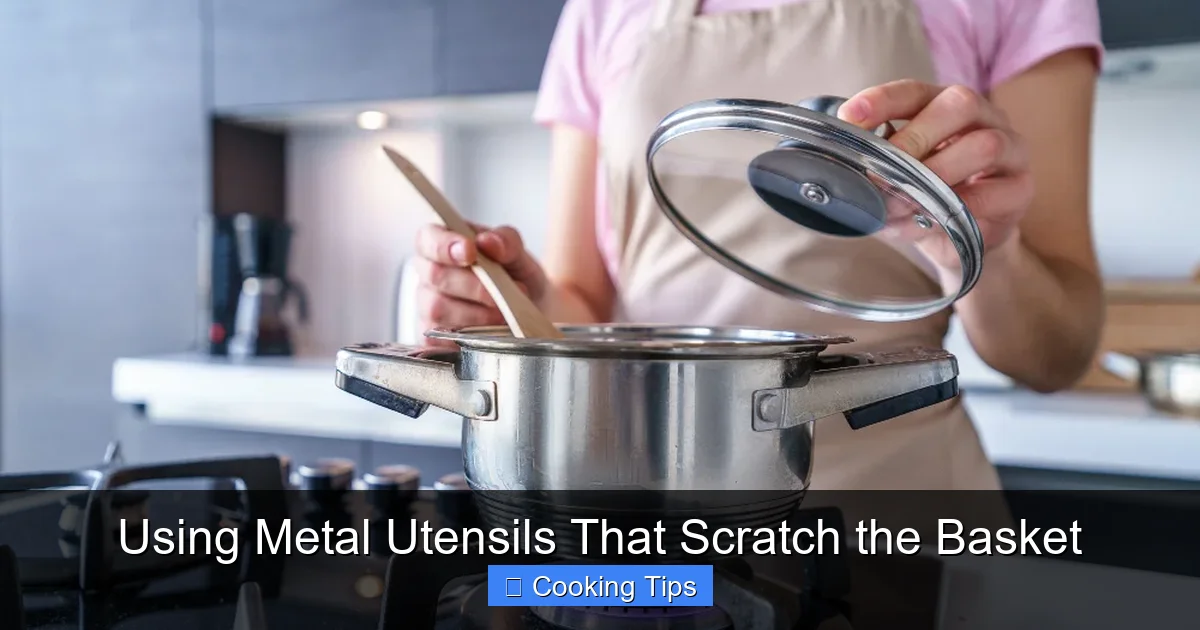
Opt for Non-Metal Utensils
This is the most effective strategy. Consider these alternatives:
- Silicone Utensils: These are incredibly versatile, heat-resistant, and gentle on all surfaces. Spatulas, tongs, and slotted spoons made of silicone are excellent choices. Ensure they are food-grade and high-quality for durability.
- Nylon or Plastic Utensils: For tasks where extreme heat isn’t a concern, nylon or heat-resistant plastic utensils are a good option. They are soft enough to avoid scratching most basket materials.
- Wooden or Bamboo Utensils: These classic kitchen tools are natural and kind to your cookware. Wooden spoons, spatulas, and tongs are great for stirring and lifting. Just be aware that wood can absorb odors and stains over time.
Consider Coated Metal Utensils
If you prefer the feel and functionality of metal, look for utensils with coatings:
- Silicone-Coated Metal Utensils: Some manufacturers offer metal utensils (like tongs or whisks) with silicone coatings on the gripping surfaces or entire utensil. These provide the strength of metal with the gentleness of silicone.
- Nylon-Coated Metal Utensils: Similar to silicone coatings, nylon can offer a protective layer against scratching.
Step 2: Employ Gentle Utensil Handling Techniques
Visual guide about Using Metal Utensils That Scratch the Basket
Image source: m.media-amazon.com
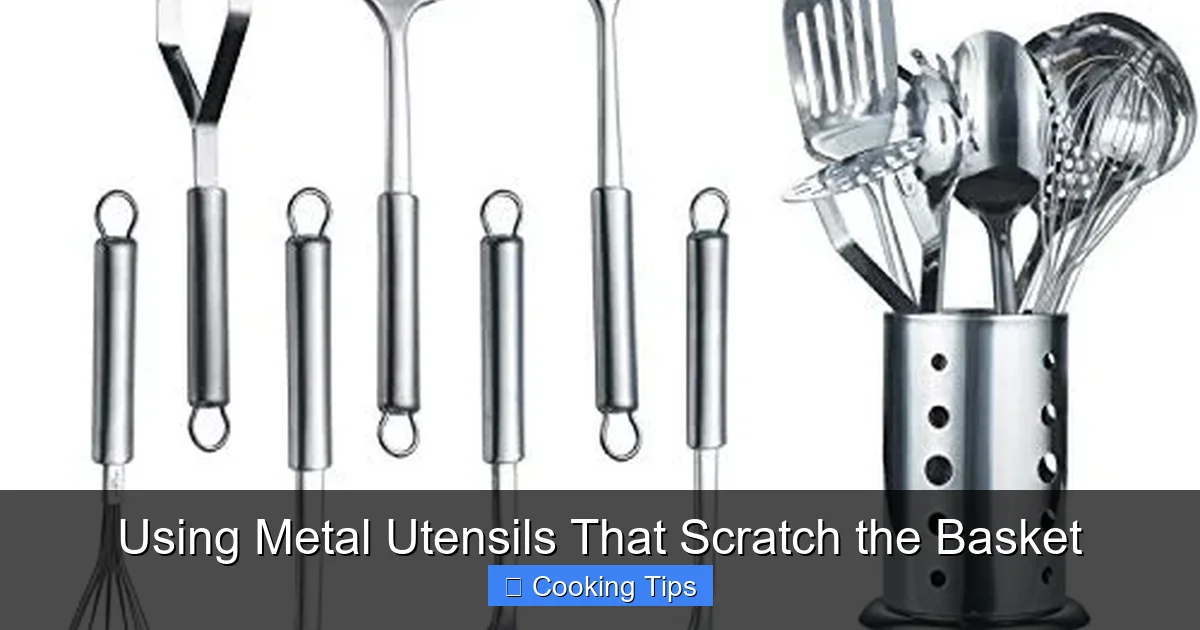
Even with metal utensils, your technique can make a huge difference.
The Art of the Gentle Lift
Instead of scraping or digging, focus on a gentle lifting motion. When removing food from a basket, try to get under the food item with the utensil without dragging the utensil along the bottom or sides of the basket.
Avoid Scraping and Digging
This is a common mistake. When trying to dislodge food, resist the urge to scrape forcefully. Instead, try to maneuver the utensil to lift the food. If food is stuck, a gentle wiggle or a slight change in angle might release it without damaging the basket.
Smooth, Deliberate Movements
Think of your movements as fluid and intentional. Avoid jerky, aggressive actions. Slow down and be mindful of the utensil’s contact with the basket.
Mindful Tossing and Turning
If you’re tossing ingredients in a fryer basket or steamer, use a scooping motion rather than a forceful stir. For tongs, grip the food gently rather than squeezing it against the basket.
Step 3: Proper Basket Usage and Maintenance
Visual guide about Using Metal Utensils That Scratch the Basket
Image source: png.pngtree.com
Taking care of your baskets is as important as choosing the right utensils.
Don’t Overfill Baskets
Overfilling can lead to food getting jammed, making it harder to remove and increasing the likelihood of aggressive utensil use.
Pre-Soak Stuck-On Food
If you notice food is sticking, don’t force it out. Soak the basket in warm, soapy water for a while. This will loosen the food and make it easier to remove with less risk of scratching.
Regular Cleaning is Essential
After each use, clean your baskets thoroughly. Food residue can harden and become more difficult to remove, tempting you to use more force. Use a non-abrasive sponge or brush.
Inspect Your Baskets Regularly
Periodically check your baskets for any existing scratches or damage. This will give you a clear idea of their current condition and help you be more mindful of your utensil use.
Step 4: When Metal Utensils Are Unavoidable
Sometimes, you might find yourself needing to use a metal utensil with a metal basket. In these situations, extra caution is paramount.
Understand the Material Match-Up
If you have a stainless steel basket, using a softer metal utensil, like aluminum or even a well-worn stainless steel utensil, might be less damaging than using a much harder utensil. However, the best advice remains to avoid metal on metal whenever possible.
Focus on the Angle of Contact
When a metal utensil must interact with a metal basket, try to keep the angle of contact as shallow as possible. Instead of pressing straight down, aim for a glancing or sliding motion that is less likely to dig in.
Use the Edge of the Basket as a Guide, Not a Scraper
If you need to dislodge something from the side, use the utensil to gently nudge it away from the edge rather than scraping along it.
Step 5: Consider Specialized Basket Liners or Protectors
For high-use baskets, especially those in air fryers or fryers, specialized liners can offer an additional layer of protection.
Perforated Parchment Paper
For air fryers, perforated parchment liners are a fantastic way to prevent food from sticking and also protect the basket surface from direct utensil contact.
Silicone Basket Liners
These reusable liners can be a good alternative to parchment, providing a soft surface that is easy to clean and protects the original basket.
Troubleshooting: What If I’ve Already Scratched My Basket?
Accidents happen! If you’ve already noticed some scratches, don’t despair.
Assess the Damage
Minor scratches are often cosmetic. They might not affect the functionality of the basket. For non-stick coatings, however, even minor scratches can be a precursor to peeling.
For Non-Stick Coatings
If the scratch is superficial and the coating is still intact, you might be able to continue using it with very careful handling. However, if the coating is compromised, it’s best to consider replacing the basket to ensure food safety and optimal performance.
For Stainless Steel Baskets
Minor scratches on stainless steel are usually not a functional concern. You can try to polish them out with specialized stainless steel polish, but this is often a cosmetic fix. The scratches themselves don’t typically impact the use of the basket unless they are deep gouges that create rough edges.
Conclusion: Embrace Gentle Cooking
Using metal utensils that scratch the basket is a common challenge in any kitchen. However, by understanding the underlying principles of material interaction and adopting mindful cooking practices, you can significantly reduce or even eliminate this issue. Prioritize non-metal utensils whenever possible. When metal is necessary, employ gentle handling techniques and remember that regular maintenance of your baskets is key. By following these tips in 2026 and beyond, you’ll not only preserve the beauty and functionality of your kitchenware but also enjoy a more efficient and less frustrating cooking experience. Happy cooking!
