

Forgetting to check food doneness is a common kitchen mishap with serious consequences. This comprehensive guide will equip you with essential techniques and tools to ensure your meals are perfectly cooked every time. We’ll cover visual cues, temperature checks, and testing methods for various food types. Mastering food doneness is crucial for safety and flavor.
Forgetting to Check Food Doneness Before Serving
We’ve all been there. The dinner is plated, guests are seated, and you take a triumphant bite, only to realize… your chicken is still pink inside, or your steak is drier than the Sahara. Forgetting to check food doneness before serving is a common kitchen pitfall. It’s not just about disappointing taste buds; it’s also about food safety. In 2026, with an increased focus on health and wellness, ensuring your food is cooked thoroughly is more important than ever. This guide is your comprehensive roadmap to avoiding this culinary blunder. You’ll learn practical techniques, understand the science behind doneness, and gain the confidence to serve perfectly cooked meals every single time. Let’s dive in and elevate your cooking game!
Key Takeaways
- Understand the Risks: Serving undercooked food can lead to foodborne illnesses, while overcooked food loses flavor and texture.
- Embrace Visual Cues: Learn to recognize the color, texture, and clarity changes that indicate doneness for different ingredients.
- Invest in a Thermometer: A reliable food thermometer is your best friend for accurate temperature checks, especially for meats and poultry.
- Master the Touch Test: Develop your tactile senses for checking the firmness and bounce of meats and baked goods.
- Know Your Cooking Times: While not absolute, understanding general cooking times helps you anticipate when to start checking.
- Practice Makes Perfect: Regular cooking and conscious observation will build your intuition for determining food doneness.
Why Checking Food Doneness Matters
Before we get into the “how,” let’s quickly touch on the “why.” The consequences of not checking food doneness can range from mildly embarrassing to seriously concerning.
Food Safety First
Undercooked meats, poultry, and eggs can harbor harmful bacteria like Salmonella, E. coli, and Listeria. These pathogens can cause severe foodborne illnesses, leading to symptoms like nausea, vomiting, diarrhea, and fever. In vulnerable populations, such as children, the elderly, or those with compromised immune systems, these illnesses can be life-threatening. In 2026, awareness of foodborne pathogens and their prevention is at an all-time high, making this a non-negotiable aspect of cooking.
Flavor and Texture Preservation
Overcooking is just as detrimental to your meal’s enjoyment. Meats can become tough and dry, vegetables lose their vibrant color and crispness, and baked goods can turn into hockey pucks. Proper doneness ensures that the natural flavors and textures of your ingredients shine through, creating a truly delicious dining experience.
Maximizing Your Culinary Skills
Consistently achieving perfect doneness demonstrates a mastery of your cooking. It shows attention to detail and a respect for the ingredients you’re using. This guide will help you develop those skills and impress yourself and your guests.
Mastering the Art of Visual Cues
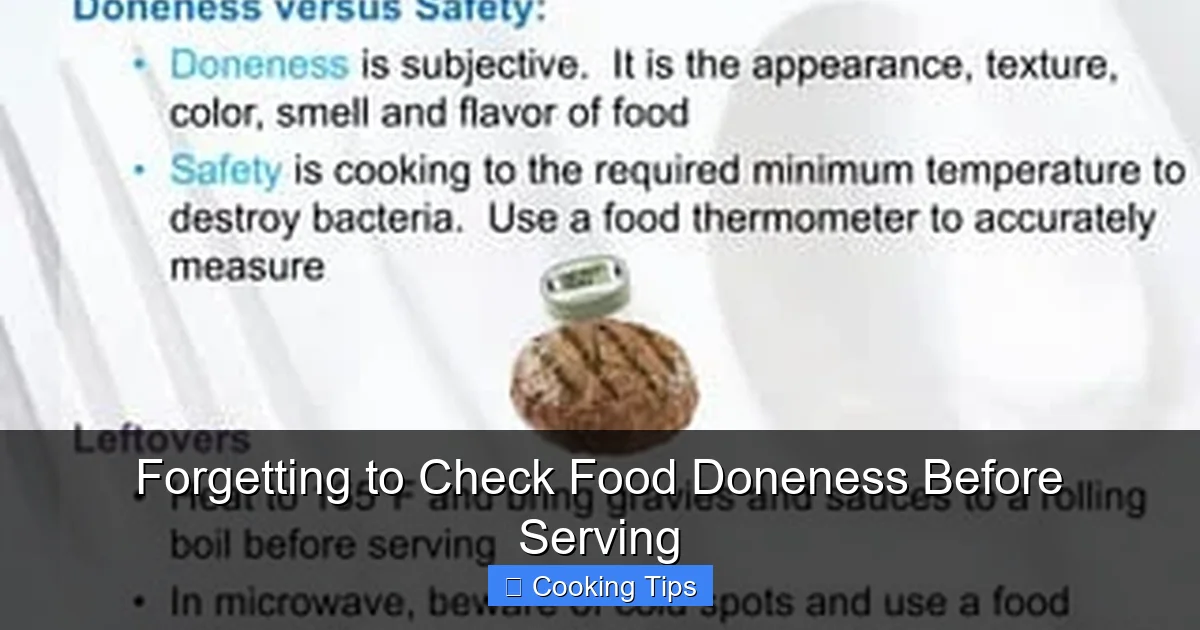
Visual guide about Forgetting to Check Food Doneness Before Serving
Image source: image.slidesharecdn.com
Your eyes are your first line of defense in checking food doneness. Different foods exhibit distinct visual changes as they cook. Learning to recognize these will give you a significant head start.
Poultry: The Pink and the Clear
Chicken, turkey, and duck are prime examples where visual cues are crucial, especially if you don’t have a thermometer handy.
Color of the Meat
- Undercooked: Raw poultry will have a distinctly pink or reddish hue throughout.
- Nearly Done: As it cooks, the pink will start to recede, giving way to opaque white or light brown meat.
- Perfectly Cooked: The meat should be uniformly opaque white or light brown, with no pink remaining. For darker meats like turkey legs, it might be slightly darker but still fully opaque.
Juices: The Dripping Detective
The juices that run from poultry are excellent indicators.
- Undercooked: Juices will be pink or bloody.
- Nearly Done: Juices will start to run clearer, perhaps with a hint of pink.
- Perfectly Cooked: Juices should run completely clear.
Beef, Lamb, and Pork: The Spectrum of Pink
These red meats offer a wider range of acceptable doneness levels, from rare to well-done.
Color of the Interior
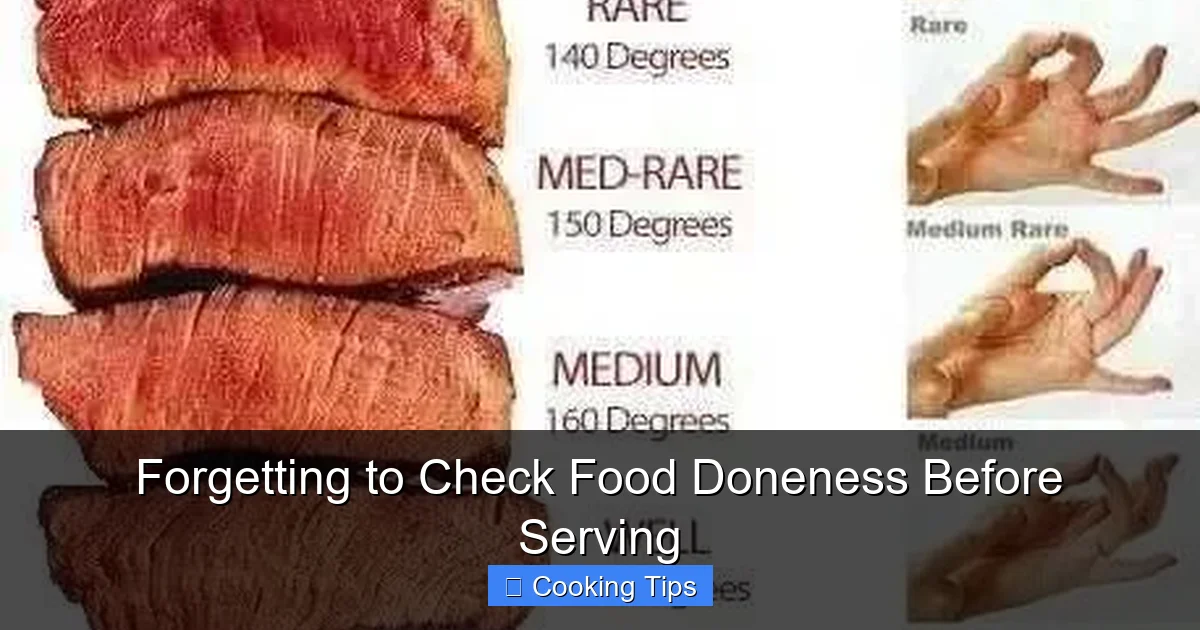
- Rare: Deep red center.
- Medium-Rare: Bright red center.
- Medium: Pink center.
- Medium-Well: Slightly pink center.
- Well-Done: No pink, uniformly brown.
This is where visual checks become more subjective and where a thermometer is highly recommended for precision. However, you can still get a good idea by making a small cut into the thickest part of the meat.
Surface Browning
A good sear on the outside is a sign of good cooking, but it doesn’t tell you about the inside. Look for even browning across the surface.
Fish: From Translucent to Opaque
Fish cooks relatively quickly and its transformation is quite dramatic.
Color and Opacity
- Undercooked: The flesh will appear translucent and almost shiny.
- Nearly Done: The flesh will start to turn opaque, especially around the edges.
- Perfectly Cooked: The flesh should be opaque and flake easily when gently pressed with a fork. It should not be dry or chalky.
Flaking Test
This is a classic test for fish. Insert the tip of a fork into the thickest part of the fillet and gently twist. If the fish flakes into distinct sections, it’s done.
Vegetables: Brightness and Tenderness
Visual cues for vegetables are less about internal color and more about their overall appearance and texture.
Color
- Undercooked: Vegetables like broccoli, green beans, and asparagus will be a duller, less vibrant green.
- Perfectly Cooked: They should be bright green and show a slight sheen.
Texture (Visual)
You can often see the crisp-tender quality. Overcooked vegetables will look limp and mushy.
Baked Goods: Golden Brown and Firm
For cakes, cookies, and bread, visual cues are key.
Color
- Cakes: Should be golden brown around the edges and on top.
- Cookies: Edges should be golden brown, with the center still appearing slightly soft. They will continue to set as they cool.
- Bread: The crust should be a deep golden brown.
Surface Appearance
A cake will often pull away slightly from the sides of the pan when done. A cookie will look set, not wet or doughy in the center.
The Indispensable Food Thermometer
Visual guide about Forgetting to Check Food Doneness Before Serving
Image source: keeshaskitchen.com
While visual cues are helpful, for ultimate accuracy and safety, a reliable food thermometer is an absolute game-changer. This is arguably the most important tool for anyone serious about cooking. In 2026, digital instant-read thermometers are affordable, fast, and incredibly accurate.
Types of Food Thermometers
Instant-Read Thermometers
These are the most versatile. You insert the probe into the food, and it gives you a reading in seconds. They are excellent for checking meats, poultry, fish, and even baked goods (by inserting into the center).
Probe Thermometers (Leave-In)
These have a probe that stays in the food during cooking and a cable that connects to a display unit outside the oven or grill. They are great for roasts and larger cuts of meat, allowing you to monitor temperature without opening the oven door.
How to Use a Food Thermometer
For Meats and Poultry
Insert the thermometer into the thickest part of the meat, avoiding bone, fat, or gristle. For poultry, ensure you insert it into the thickest part of the thigh, not touching the bone.
For Baked Goods
Insert the thermometer into the center of the cake or bread.
For Fish
Insert into the thickest part of the fillet.
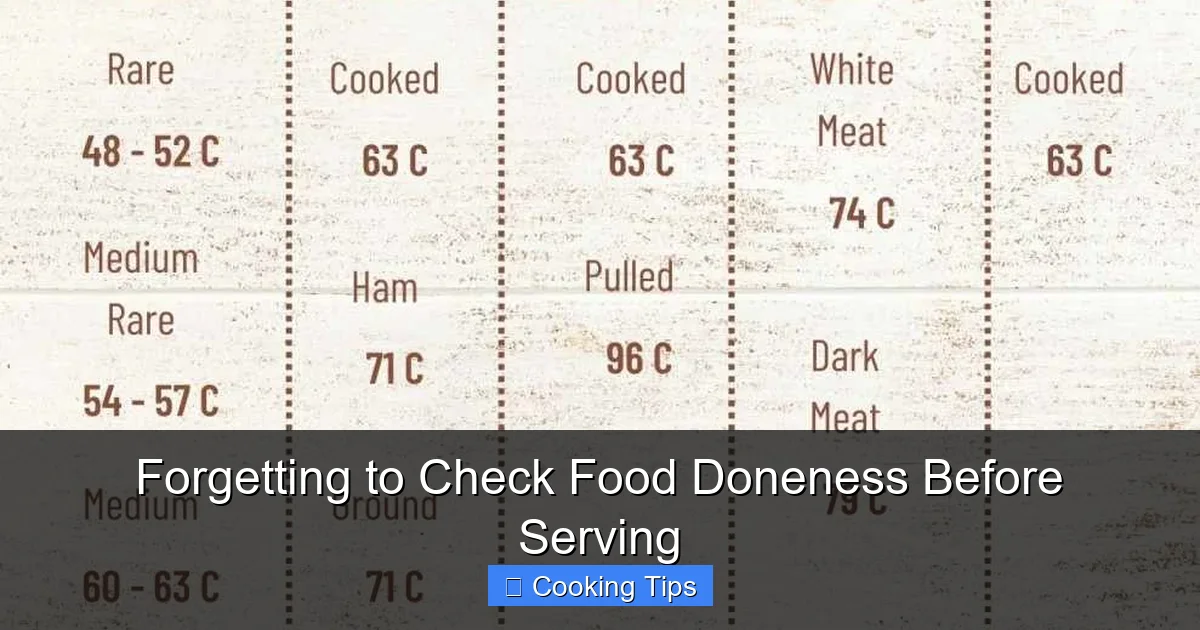
Key Internal Temperatures to Know (2026 Guidelines)
These are general guidelines from food safety authorities. Always check for the most up-to-date recommendations.
- Poultry (Chicken, Turkey, Duck): 165°F (74°C)
- Ground Meats (Beef, Pork, Lamb): 160°F (71°C)
- Whole Cuts of Beef, Lamb, Pork (Steaks, Roasts, Chops):
- Rare: 125°F (52°C)
- Medium-Rare: 130-135°F (54-57°C)
- Medium: 140-145°F (60-63°C)
- Medium-Well: 150-155°F (66-68°C)
- Well-Done: 160°F+ (71°C+)
- Fish: 145°F (63°C)
- Casseroles and Leftovers: 165°F (74°C)
Important Note on Resting Meat: For whole cuts of meat like steaks and roasts, the temperature will continue to rise by 5-10°F (3-6°C) after you remove it from the heat (this is called carryover cooking). This is why you often pull meat off the heat a few degrees below your target temperature.
The Tactile Sense: The Touch Test
Visual guide about Forgetting to Check Food Doneness Before Serving
Image source: tossedtastes.com
Your hands can also provide valuable clues, especially for meats and baked goods. This takes practice, but once you develop this skill, it’s a quick and easy way to check doneness.
Meats: The Firmness Test
The principle here is to compare the firmness of the cooked meat to the firmness of the fleshy part of your hand between your thumb and index finger.
- Rare: Similar to the fleshy part of your hand when your hand is relaxed and open.
- Medium-Rare: When you gently touch your thumb to your index finger.
- Medium: When you gently touch your thumb to your middle finger.
- Medium-Well: When you gently touch your thumb to your ring finger.
- Well-Done: When you gently touch your thumb to your pinky finger (your hand will feel quite firm).
This test is best for thicker cuts of meat. Remember to touch the meat gently with the back of your finger.
Baked Goods: The Gentle Press
For cakes and muffins, you can often tell if they are done by gently pressing the surface with your fingertip.
- Undercooked: The surface will feel soft and may indent deeply, or even spring back slowly.
- Perfectly Cooked: The surface should spring back immediately when gently pressed.
Don’t Forget the Little Things: Other Doneness Tests
Beyond sight, temperature, and touch, other methods can help you determine if your food is ready.
The Skewer or Toothpick Test for Baked Goods
This is a classic for cakes, muffins, and brownies. Insert a wooden skewer or toothpick into the center of the baked good.
- Undercooked: If wet batter clings to the skewer, it needs more time.
- Perfectly Cooked: A few moist crumbs attached to the skewer indicate it’s done. If it comes out completely clean, it might be slightly overdone, but still acceptable.
The Sound of Sizzling (for Sautéing/Frying)
While not a direct measure, the sound your food makes in the pan can offer clues. A gentle, consistent sizzle usually indicates even cooking. An aggressive, sputtering sound might mean the heat is too high, potentially leading to overcooking on the outside before the inside is done. A lack of sizzle might mean it’s not hot enough.
Smell
Your sense of smell can be a surprising indicator. As food cooks, it releases aromas. An overcooked item might smell burnt or acrid. Freshly cooked food has a pleasant, appetizing aroma.
Practical Tips for Success
Here are some actionable tips to help you remember and implement these doneness checks consistently.
Read Your Recipe Thoroughly
Recipes often provide doneness cues or target temperatures. Don’t skim these! Understand what the recipe author intends for the final dish.
Know Your Oven and Stove
Ovens and stovetops vary in temperature. What cooks perfectly in one might overcook or undercook in another. Learn how your appliances behave. An oven thermometer can help verify your oven’s actual temperature.
Don’t Overcrowd the Pan
Overcrowding causes food to steam rather than sear or roast, leading to uneven cooking and potentially undercooked interiors. Cook in batches if necessary.
Rest Your Meats
As mentioned, resting allows juices to redistribute, making the meat more tender and moist. It also allows for carryover cooking, so factor this into your temperature checks.
Practice with Familiar Foods
Start by focusing on mastering the doneness of foods you cook frequently. This builds confidence and intuition.
Use a Timer as a Reminder, Not an Absolute Dictator
Set timers for estimated cooking times, but don’t rely on them solely. Use them as a cue to start checking for doneness.
Troubleshooting Common Doneness Issues
Even with the best intentions, mistakes happen. Here’s how to handle some common problems.
My Chicken is Still Pink Inside!
* Small Pieces: If it’s a small cut like a chicken breast or thigh, you can often return it to the pan or oven for a few more minutes, checking frequently.
* Larger Pieces/Whole Chicken: If it’s a significant amount of pink, it’s safer to discard and start over, especially if you’re unsure about the temperature. Food safety is paramount.
* In the Future: Use a thermometer! This is the most reliable way to avoid this.
My Steak is Too Well-Done!
* Save It: You can often salvage a slightly overcooked steak by slicing it thinly against the grain and serving it with a flavorful sauce or in a dish like stir-fry or tacos.
* In the Future: Pull the steak off the heat a few degrees earlier. Trust your thermometer and the resting period.
My Cake is Doughy in the Middle!
* **Return to Oven:** If it’s not too far gone, you can often pop it back into a slightly lower oven for a few more minutes. Keep a close eye on it.
* **In the Future:** Ensure your oven is accurately preheated. Use the skewer test more diligently. Make sure you’re not opening the oven door too often, as this can cause temperature fluctuations.
Conclusion
Forgetting to check food doneness is a simple mistake with significant consequences for safety, flavor, and your reputation as a cook. By embracing a combination of visual cues, the reliable accuracy of a food thermometer, and the tactile feedback of the touch test, you can ensure every meal you serve is perfectly cooked. In 2026, with readily available technology and a growing emphasis on food quality and safety, there’s no excuse to serve undercooked or overcooked food. Make these techniques a habit, and you’ll transform your cooking from guesswork to confident creation. Happy cooking!
