

High heat chars surfaces, dries interiors, and destroys flavors, textures, and nutrients quickly.
As a cook and food writer with years in busy kitchens and home test runs, I’ve seen the same mistake again and again: people crank the heat and expect perfection. This article explains why cooking on high heat ruins food, breaks down the science, and gives clear, simple fixes you can use tonight. You’ll learn how high heat affects taste, texture, and nutrition, plus practical steps to avoid common traps and get better results with less stress.

How high heat damages food: the science and simple facts
High heat speeds up chemical reactions. Proteins tighten fast and squeeze out moisture. This makes meat tough and chewy instead of tender.
High heat also causes caramelization and charring. Those can add good flavor when controlled, but they form bitter compounds when they go too far. Over-charring also creates harmful substances that many studies flag as undesirable.
Heat breaks down vitamins and delicate oils. Bright herbs and citrus notes vanish quickly at extreme temperatures. That is one reason soups and sauces can taste flat after a hard boil.
Common problems caused by cooking on high heat
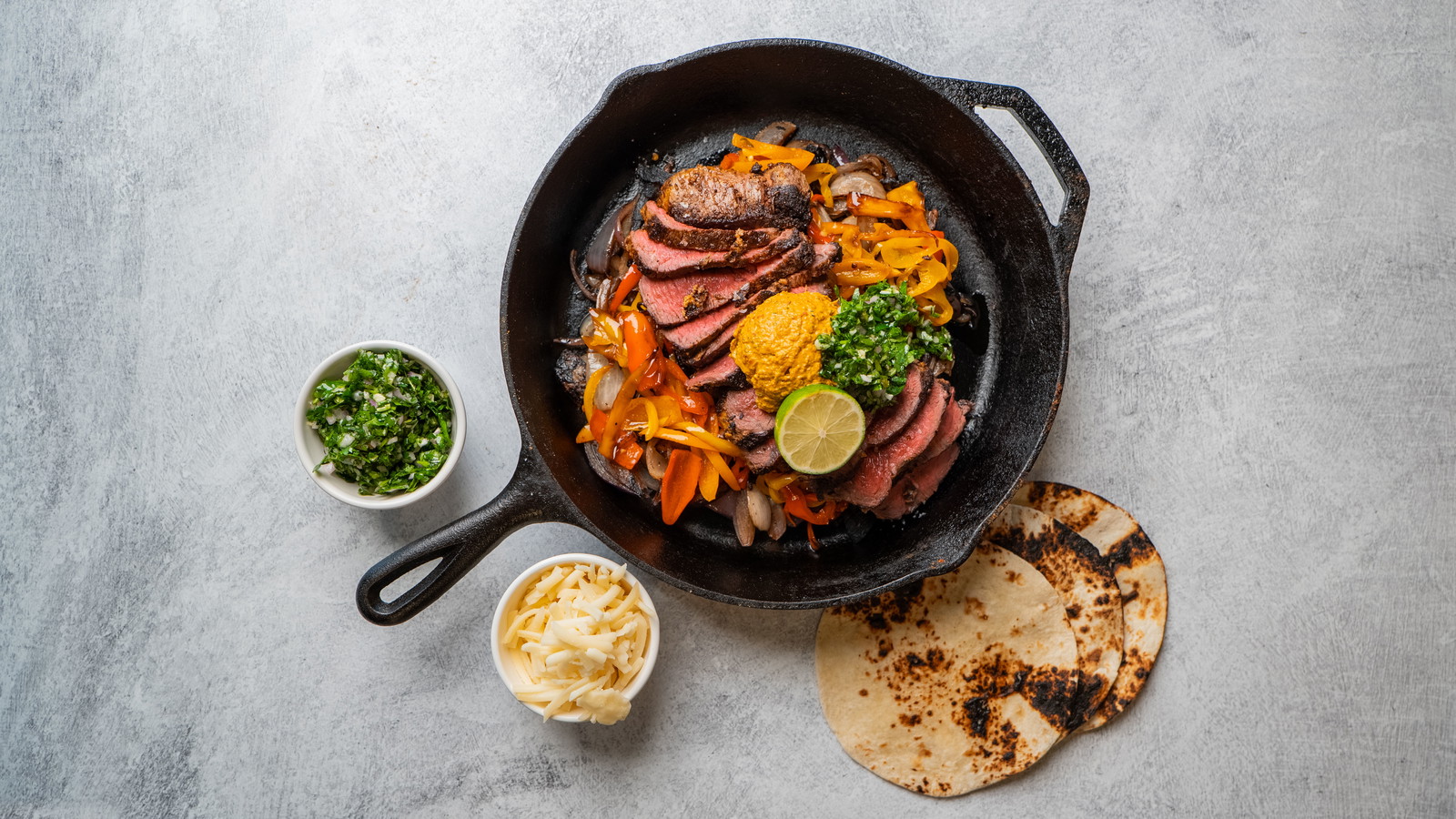
Protein becomes dry and tough quickly. Steak, chicken, and fish can be overcooked outside while raw inside if the heat is too high.
Sauces and custards separate or curdle when heated too fast. Cream and eggs need gentle heat to stay smooth and glossy.
Vegetables lose color and become mushy. The bright green and crisp texture vanish when water or steam leaves too fast. This is why quick, moderate heat methods keep veggies vibrant.

Foods most harmed by high heat
Fish and delicate seafood are the first to suffer. Their thin flesh cooks in seconds and goes from tender to rubbery fast. That is why chefs use gentle pan temps or fast, controlled sears.
Eggs and dairy-based dishes are fragile. Scrambled eggs become dry and curds form when heat is too high. Custards and sauces can split or scramble.
Leafy greens and herbs lose flavor. Their volatile oils evaporate quickly under fierce heat, leaving bland greens and flat tasting dishes.
How to cook instead: techniques and temperature basics
Use moderate heat for steady cooking. Moderate heat gives you control and even doneness. It prevents tough textures and preserves flavor.
Use searing only when needed and finish in lower heat. Sear quickly for color, then lower the heat to finish cooking through. This balances Maillard flavor and tender texture.
Use gentle methods for eggs and dairy. Low and slow on the stovetop or a water bath for custards keeps them smooth.

Practical tips and timings you can use tonight
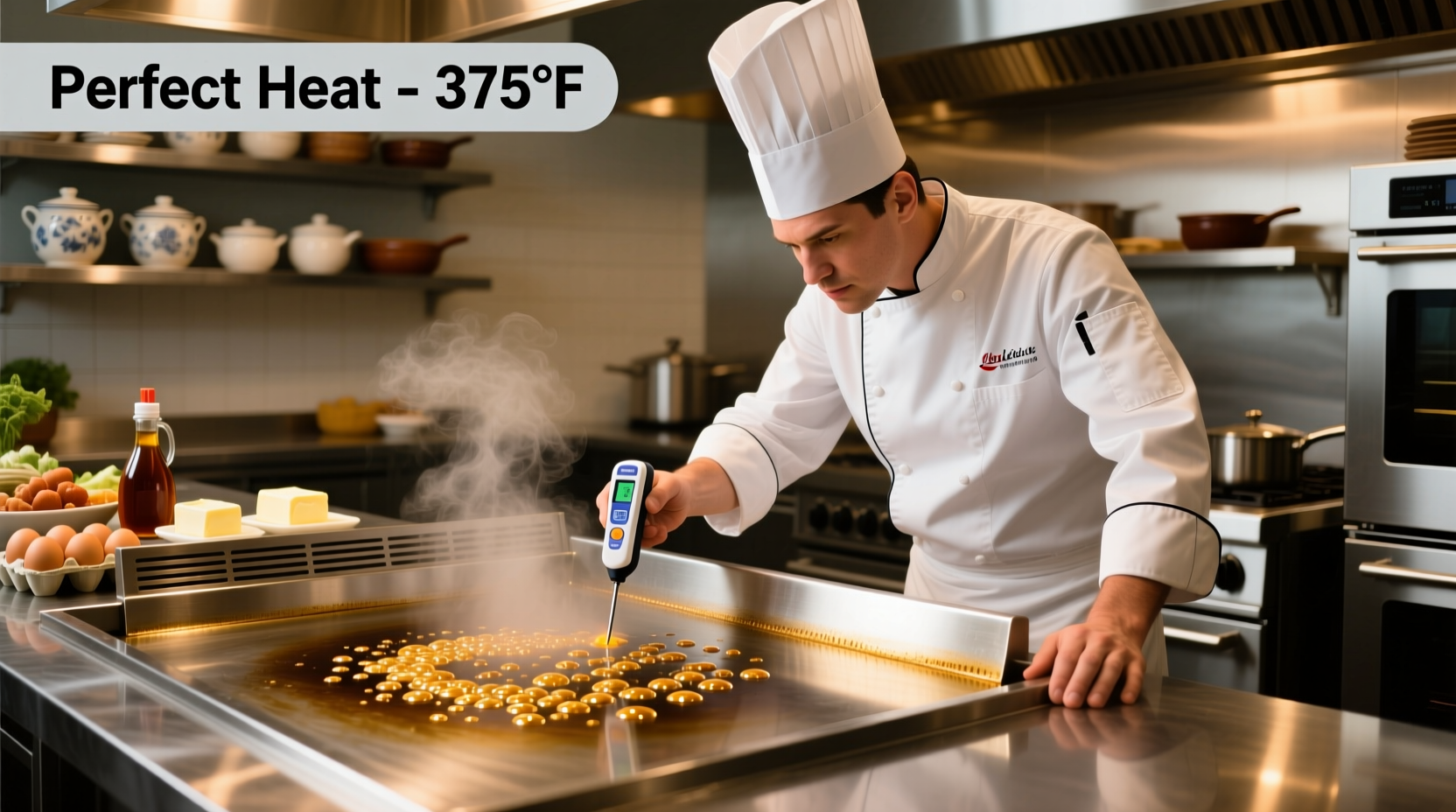
Preheat your pan but do not let it smoke. A hot pan should sizzle, not burn oil or food. That small step prevents a burnt taste and keeps foods moist.
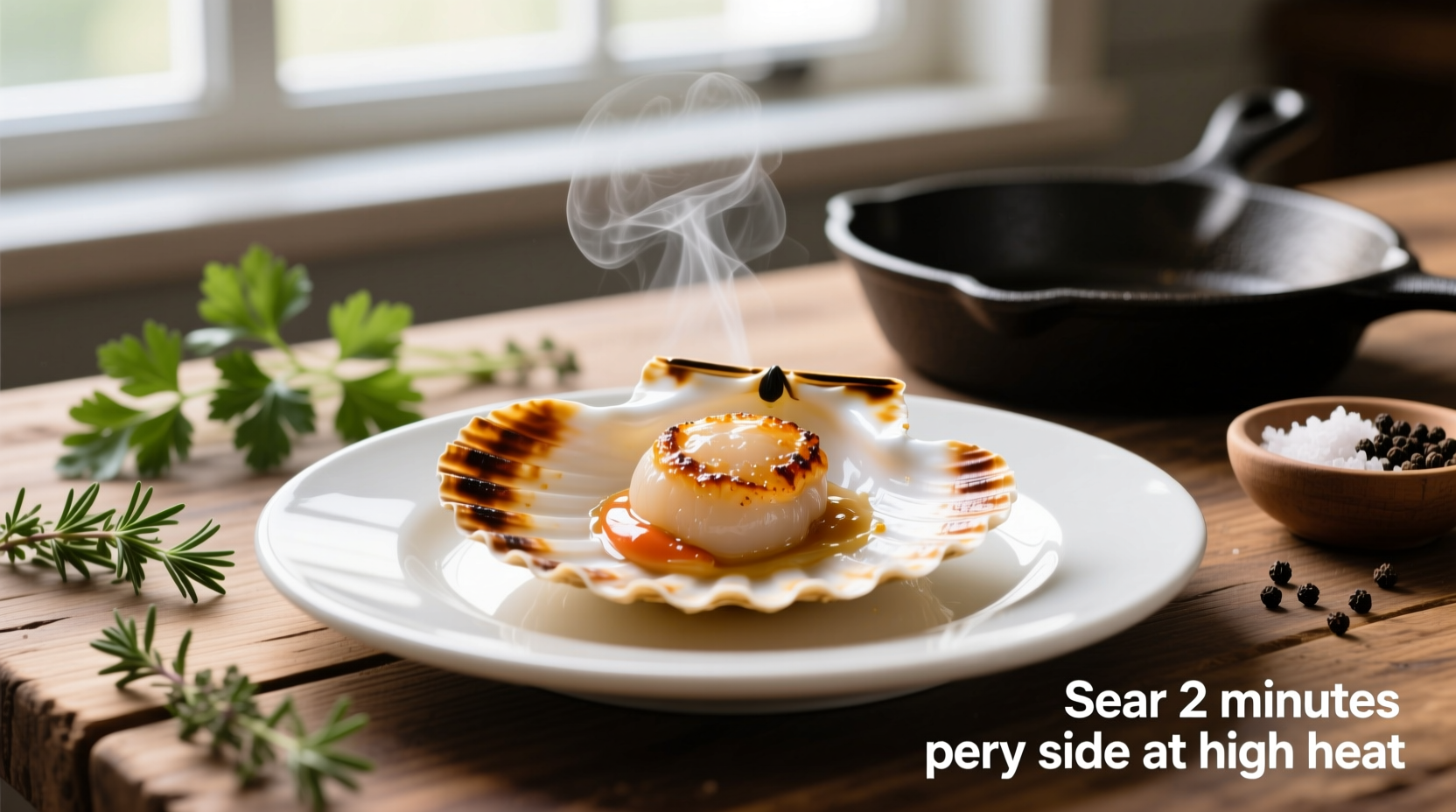
Cook steaks with a two-stage approach. Sear 1–2 minutes per side then finish in the oven or lower heat to your target temperature. This avoids burned crust with raw center.
Blanch greens for a minute then shock in ice water. This preserves color, crunch, and vitamins better than prolonged high heat.
My kitchen lessons: mistakes I made and how I fixed them
Early in my cooking days I seared everything on the highest flame. I learned the hard way that char is not the same as flavor. My chicken was dry and my sauces were bitter.
I switched to controlled heat and timed tests. I now use a thermometer and simple timers. That change saved time and gave me food that tasted like it should.
One simple trick that helped: lower the pan heat after a good sear. It keeps the nice crust and lets the inside cook gently. Try it on steak, pork chops, and thick fish fillets.
Frequently Asked Questions of why cooking on high heat ruins food
What specifically happens to meat when cooked on too high heat?
Meat proteins contract rapidly and push out moisture. The result is a dry, tough texture and uneven doneness between crust and center.
Can high heat ever be good for flavor?
Yes. High heat creates browning and Maillard reactions that add savory notes. The key is short, controlled exposure followed by lower heat to finish cooking.
Why do sauces break when boiled too fast?
Rapid heat makes proteins in dairy and eggs form clumps. Gentle heating keeps them suspended and smooth.
How does high heat affect vegetables’ nutrients?
High heat speeds nutrient loss by breaking down vitamins and volatile oils. Shorter cooking times and gentler heat retain more vitamins and color.
Is searing worse than slow cooking for taste?
Searing adds flavor through browning, but it can ruin texture if overdone. Slow cooking builds tenderness and depth in tougher cuts and preserves delicate flavors.
Conclusion
High heat can add appealing color and aroma, but when used incorrectly it ruins texture, masks subtle flavors, and reduces nutrients. By understanding why cooking on high heat ruins food and using simple fixes—moderate heat, two-stage cooking, and short high-heat bursts—you can turn mistakes into reliable meals. Try one tip tonight: sear fast, then lower heat to finish. If this article helped, leave a comment, share your experience, or subscribe for more practical kitchen tips.
