

Learning how to boil water in an electric kettle is a fundamental kitchen skill. This comprehensive guide will walk you through the simple steps for safe and efficient boiling, ensuring you get perfectly heated water every time. From filling to serving, we cover everything you need to know for this essential task, making your morning routine and culinary adventures a breeze.
Key Takeaways
- Easy Operation: Electric kettles are designed for simplicity, requiring minimal steps to boil water quickly and safely.
- Safety First: Always ensure the kettle is placed on a stable, flat surface and avoid overfilling to prevent accidents.
- Water Quality Matters: Using fresh, cold water from the tap generally yields the best results for taste and kettle longevity.
- Versatile Applications: Boiled water from your electric kettle is ideal for beverages, cooking, and even sanitizing.
- Energy Efficiency: Modern electric kettles are often more energy-efficient than stovetop boiling methods.
- Maintenance is Key: Regular descaling will keep your electric kettle performing optimally and extend its lifespan.
How to Boil Water in an Electric Kettle
Welcome to your ultimate guide on how to boil water using an electric kettle! In today’s fast-paced world, efficiency and convenience are key in the kitchen. Electric kettles have become indispensable appliances for many households, offering a quick, safe, and often energy-efficient way to heat water. Whether you’re a seasoned cook or just starting your culinary journey, mastering this simple skill will open up a world of possibilities, from brewing the perfect cup of tea to preparing instant meals and beyond. This guide, tailored for the year 2026, will cover everything you need to know, from the basic steps to helpful tips and troubleshooting advice. Let’s get your electric kettle boiling!
Understanding Your Electric Kettle
Before we dive into the how-to, let’s quickly familiarize ourselves with the basic components of a typical electric kettle. While designs can vary, most share common features:
The Body: This is the main vessel that holds the water. It can be made from various materials like stainless steel, glass, or BPA-free plastic. Some kettles also feature double-wall insulation for better heat retention and cooler exteriors.
The Heating Element: This is usually concealed at the base of the kettle. It’s an electrical component that rapidly heats the water when the kettle is switched on.
The Lid: This covers the opening and often has a button or lever to release steam. Some lids are designed to open automatically when the water reaches boiling point.
The Spout: For pouring the hot water safely.
The Power Base: This is where the kettle connects to the electricity supply. It typically has a cord and a connector that fits into the base of the kettle. The on/off switch is often located on the kettle itself or on the power base.
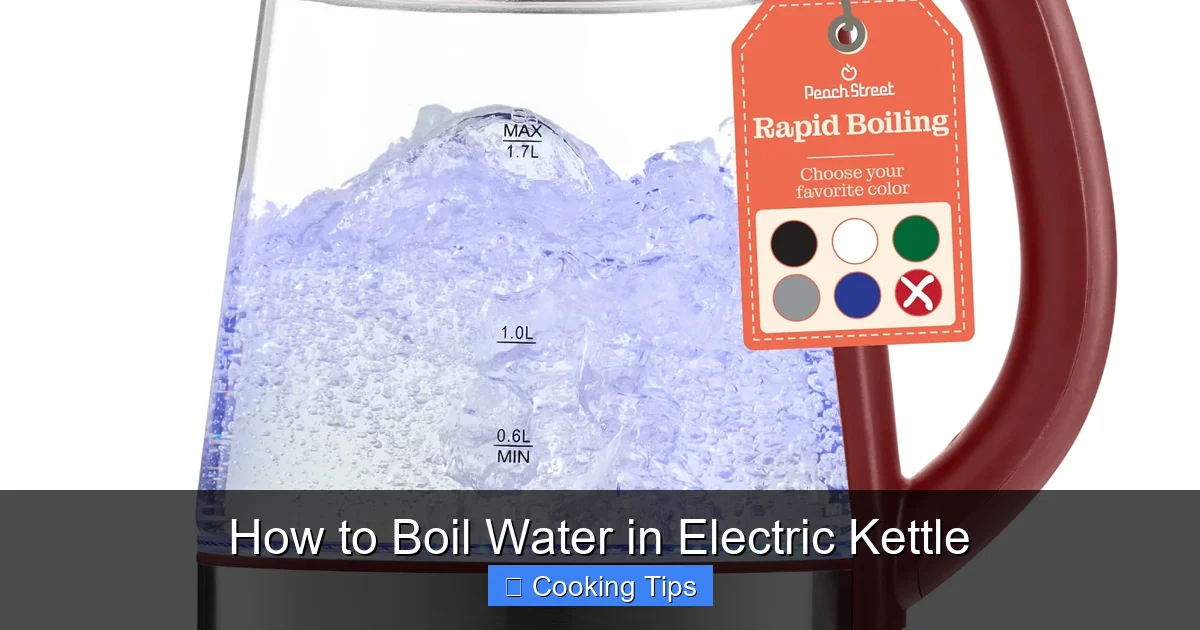
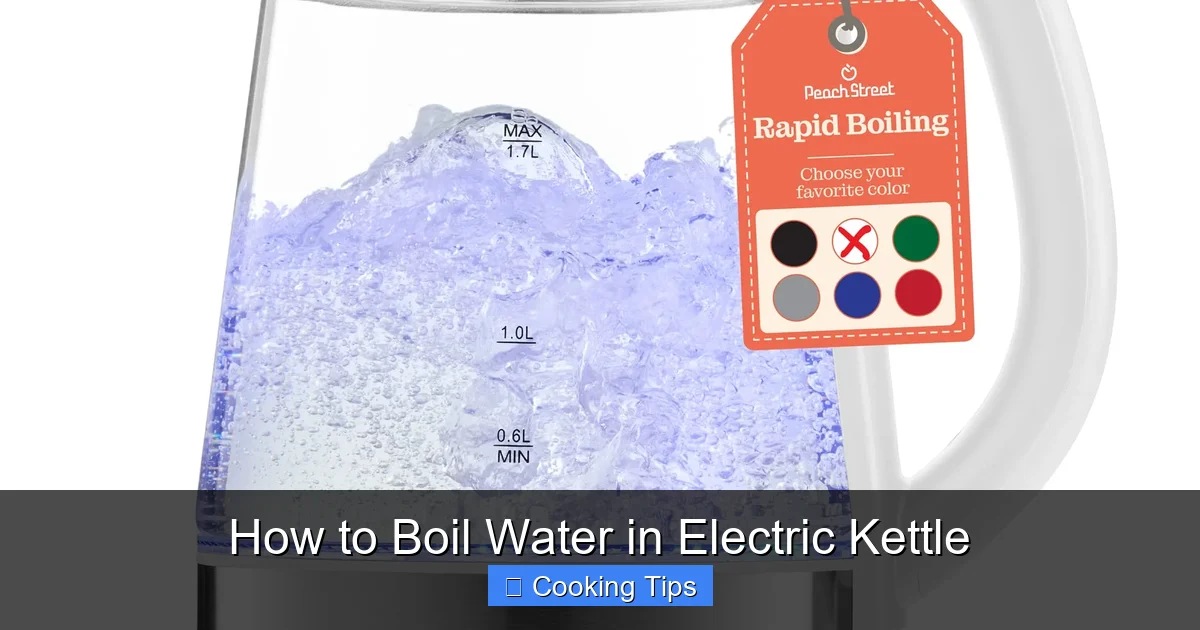
Water Level Indicator: Most kettles have markings inside or outside to show the minimum and maximum water levels. It’s crucial to pay attention to these for safety and optimal performance.
Step-by-Step Guide to Boiling Water
Boiling water in an electric kettle is remarkably straightforward. Follow these simple steps for a safe and effective result:
1. Prepare Your Electric Kettle
The first step is to ensure your kettle is clean and ready for use. A quick visual inspection is usually sufficient. If you notice any mineral buildup (limescale), consider descaling it before proceeding, especially if it’s been a while since its last clean. You can find specific descaling instructions later in this guide.
Visual guide about How to Boil Water in Electric Kettle
Image source: m.media-amazon.com
2. Fill the Kettle with Water
This is a crucial step that requires attention to the water level indicators.
Visual guide about How to Boil Water in Electric Kettle
Image source: images-na.ssl-images-amazon.com
a. Use Fresh, Cold Water
Always start with fresh, cold water directly from the tap. Avoid using hot water from your faucet or previously boiled water. Fresh water contains more dissolved oxygen, which can contribute to better taste, and it helps prevent mineral buildup within the kettle over time.
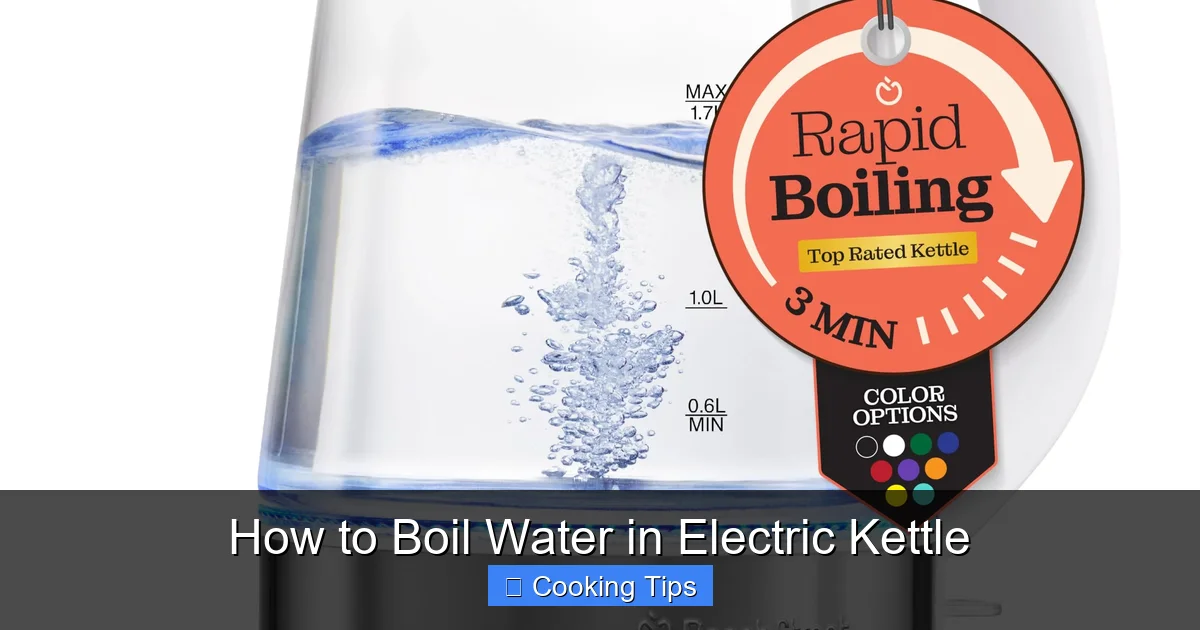
b. Observe the Minimum and Maximum Fill Lines
Locate the water level indicator on your kettle. Most electric kettles have markings that denote the minimum and maximum amount of water you should fill.
- Minimum Line: Filling below this line can cause the heating element to overheat and potentially damage the kettle. It also means the kettle might not switch off properly.
- Maximum Line: Overfilling the kettle can lead to boiling water spilling out of the spout or lid when it reaches a boil. This is a significant safety hazard, as it can cause burns or damage to your countertop.
Fill the kettle to a level that is above the minimum line but below the maximum line, depending on how much hot water you need.
3. Place the Kettle on its Power Base
Once filled, securely place the kettle onto its power base. Ensure the connector on the base aligns with the receptacle on the kettle. It should sit snugly and stably. Always make sure the power base is on a dry, flat, and heat-resistant surface, away from the edge of your counter.
Visual guide about How to Boil Water in Electric Kettle
Image source: m.media-amazon.com
4. Connect to Power and Switch On
Plug the power cord of the base into a suitable electrical outlet. Locate the on/off switch. This is usually a button or a lever on the kettle itself, often illuminated when in the ‘on’ position. Flick the switch to the ‘on’ position.
You’ll typically hear a click as the switch engages, and for many models, an indicator light will illuminate, signifying that the heating process has begun.
5. Wait for the Water to Boil
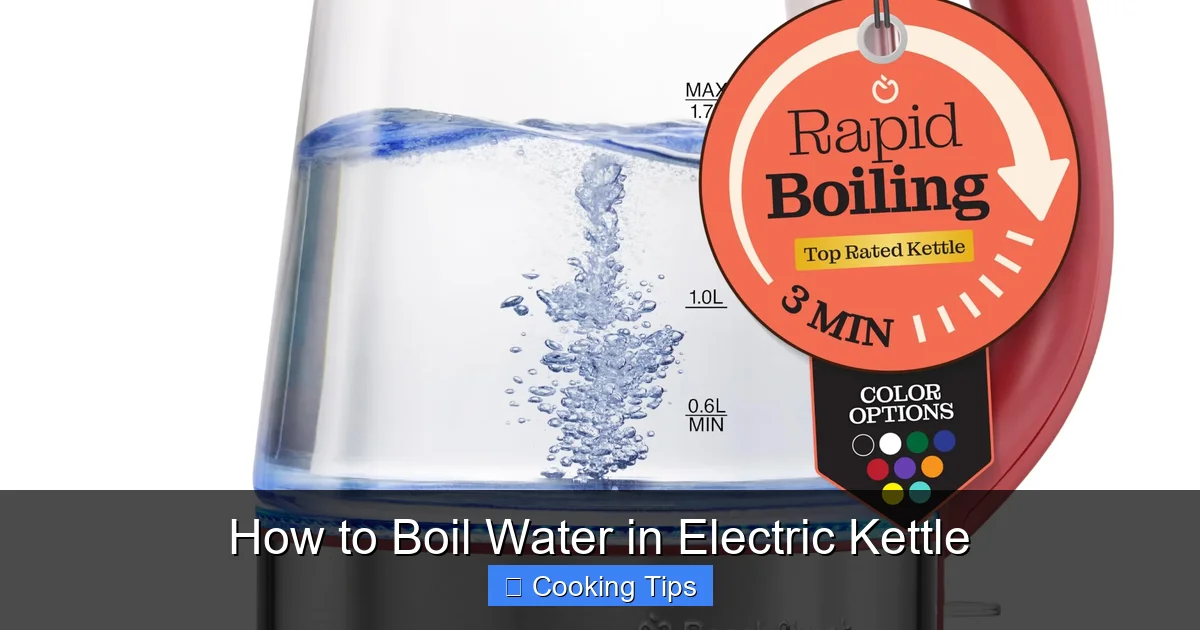
This is where the magic happens! Electric kettles are designed for speed. Depending on the wattage of your kettle and the amount of water inside, it usually takes between 2 to 5 minutes for the water to reach a rolling boil.
You might hear the water starting to bubble and gurgle as it heats up. Most modern electric kettles are equipped with an automatic shut-off feature. Once the water reaches boiling point, the kettle will sense the steam and automatically switch itself off, usually with another audible click.
6. Pour and Enjoy!
Once the kettle has switched off, it’s ready for use. Carefully lift the kettle from its power base. Always hold the handle firmly and pour slowly and steadily to avoid spills.
Be mindful of the steam that escapes from the spout, especially immediately after the boil. It’s very hot!
Practical Tips for Using Your Electric Kettle
To get the most out of your electric kettle and ensure its longevity, consider these practical tips:
- Don’t Overfill: As mentioned, this is a crucial safety precaution. It’s better to boil a little extra water than to risk a scalding incident.
- Don’t Boil Dry: Never operate an empty electric kettle. This can severely damage the heating element and potentially be a fire hazard. The automatic shut-off is designed for when there is water present.
- Use for Intended Purposes: Electric kettles are designed to boil water. Avoid putting milk, coffee grounds, or other substances directly into the kettle. This can damage the appliance and make it difficult to clean.
- Keep the Exterior Dry: Ensure the exterior of the kettle, especially the base and connector, is dry before placing it on the power base and plugging it in.
- Unplug When Not in Use: For added safety and energy conservation, unplug the kettle from the power outlet when it’s not in use for extended periods.
- Educate Others: If you have children or others in your household who will be using the kettle, make sure they understand these safety guidelines.
Descaling Your Electric Kettle
Over time, mineral deposits from tap water can accumulate inside your electric kettle, forming a white, chalky layer known as limescale. This can affect the kettle’s efficiency, heating time, and even the taste of your water. Regular descaling is essential.
How to Descale
There are several effective methods:
Method 1: Vinegar Solution
This is a common and effective household solution.
- Fill the kettle about halfway with a mixture of equal parts white vinegar and water.
- Bring the mixture to a boil.
- Let it sit for about 15-30 minutes (or longer for heavy buildup).
- Empty the kettle and rinse thoroughly with clean water several times to remove any vinegar residue and smell.
- Boil a full kettle of fresh water and discard it to ensure no lingering taste.
Method 2: Baking Soda
Baking soda is a gentler alternative.
- Add a tablespoon or two of baking soda to the kettle.
- Fill the kettle with water.
- Boil the mixture.
- Let it sit for about 15 minutes.
- Empty and rinse thoroughly.
Method 3: Commercial Descalers
You can also purchase dedicated descaling solutions specifically designed for kettles and coffee makers. Follow the instructions on the product packaging carefully.
Frequency: Descaling frequency depends on your water hardness and how often you use your kettle. Once a month is a good general guideline, but you may need to do it more or less often.
Troubleshooting Common Issues
Even with their simplicity, electric kettles can sometimes present minor issues. Here’s how to tackle them:
Kettle Won’t Turn On
- Check the Power: Ensure the kettle is properly plugged into the power base and the base is plugged into a working wall outlet. Try a different outlet.
- Is it Seated Correctly? Make sure the kettle is sitting firmly and squarely on its power base.
- Clean the Connectors: Sometimes, mineral buildup on the electrical contacts can interfere with the connection. Unplug the kettle and base, and gently clean the contacts with a dry cloth or a cotton swab.
- Overheating Protection: If the kettle was recently used, it might have a safety mechanism that prevents it from turning on again immediately after shutting off. Let it cool down for a few minutes.
Kettle Won’t Shut Off Automatically
- Check the Water Level: Ensure you are not below the minimum fill line. If there’s too little water, the kettle might not generate enough steam for the auto shut-off mechanism to engage.
- Lid Not Sealing Properly: Make sure the lid is closed securely. A loose lid can prevent steam from reaching the sensor.
- Mineral Buildup: Limescale can sometimes interfere with the steam sensor. Descale your kettle as described above.
- Faulty Sensor or Mechanism: If descaling and checking these basic points don’t resolve the issue, the automatic shut-off mechanism might be faulty, and you may need to consider replacing the kettle. Never leave a kettle unattended if you suspect this issue.
Water Tastes Off
- Use Fresh Water: Ensure you’re always using fresh, cold tap water.
- Clean the Kettle: Mineral buildup or residue from previous uses can affect taste. Descale and clean your kettle thoroughly.
- Rinse After Descaling: If you’ve recently descaled, make sure you’ve rinsed the kettle very well to remove any residual cleaning agent.
Conclusion
You’ve now learned the essential steps and best practices for how to boil water in an electric kettle. This seemingly simple task is made even easier and safer with modern electric kettles. By following these guidelines, you can confidently use your appliance for a multitude of daily needs, from crafting the perfect hot beverage to preparing quick meals. Remember to prioritize safety by always observing fill lines and placing your kettle on a stable surface. Regular maintenance, like descaling, will ensure your kettle performs efficiently and lasts for years to come. Enjoy the convenience and speed that an electric kettle brings to your kitchen in 2026 and beyond!
