

Preventing rust on your electric kettle is crucial for its longevity and the purity of your water. This guide offers practical steps to clean thoroughly, dry completely, and employ preventative measures. By following these tips, you can ensure your electric kettle remains in excellent condition and continues to provide hot water without unsightly and potentially harmful rust.
Key Takeaways
- Regular Cleaning is Essential: Consistent cleaning prevents mineral buildup and residue that can lead to rust.
- Thorough Drying Prevents Moisture: Always ensure your kettle is completely dry after each use to eliminate the primary cause of rust.
- Vinegar Power for Descaling: Natural descaling with vinegar effectively removes mineral deposits that can corrode the kettle’s interior.
- Gentle Cleaning Tools are Key: Avoid abrasive scrubbers that can scratch the kettle’s surface and invite rust.
- Proper Storage Matters: Storing your kettle in a dry environment further reduces the risk of rust formation.
- Inspect Regularly for Early Signs: Catching early signs of rust allows for prompt action before it becomes a major issue.
How to Keep Electric Kettle from Rusting
An electric kettle is a staple in many modern kitchens, prized for its speed and convenience. Whether you’re brewing your morning tea, making instant coffee, or preparing hot water for cooking, this appliance is a true workhorse. However, like any kitchen gadget exposed to water and heat, electric kettles are susceptible to a common enemy: rust. Rust not only looks unsightly, but it can also affect the taste of your water and potentially compromise the appliance’s lifespan.
In this comprehensive guide, we’ll walk you through everything you need to know to keep your electric kettle from rusting. We’ll cover detailed cleaning techniques, essential maintenance practices, and proactive measures to prevent rust from ever forming. By the end of this article, you’ll be equipped with the knowledge to ensure your electric kettle remains a clean, efficient, and reliable part of your kitchen for years to come.
Understanding Why Electric Kettles Rust
Before we dive into the solutions, it’s helpful to understand the root causes of rust in electric kettles. The primary culprit is exposure to moisture combined with certain metals. Most electric kettles are made with stainless steel, glass, or plastic components. While stainless steel is resistant to rust, it’s not entirely immune. Over time, especially with prolonged exposure to water and mineral deposits, the protective layer on stainless steel can be compromised, allowing rust to form.

Visual guide about How to Keep Electric Kettle from Rusting
Image source: irrorwxhiqijjr5q.ldycdn.com
Here are the main factors contributing to rust:
- Mineral Buildup (Limescale): Tap water contains minerals like calcium and magnesium. When water is heated, these minerals can precipitate and form a hard scale on the interior surfaces of the kettle. This limescale can trap moisture and create an environment conducive to rust.
- Incomplete Drying: Leaving a kettle wet after use, even just a little residual moisture, provides the perfect breeding ground for rust, especially if it’s stored with the lid closed, trapping that humidity.
- Scratches and Damage: If the interior surface of the kettle is scratched or damaged, the protective layer is breached, making the underlying metal more vulnerable to oxidation and rust.
- Corrosive Substances: Certain cleaning agents or accidentally adding substances that are too harsh can also contribute to corrosion.
Step-by-Step Guide to Cleaning Your Electric Kettle
Regular cleaning is your first and most effective line of defense against rust. The frequency of cleaning will depend on your water hardness and how often you use the kettle. For most households, a thorough descaling and cleaning once a month is a good starting point.
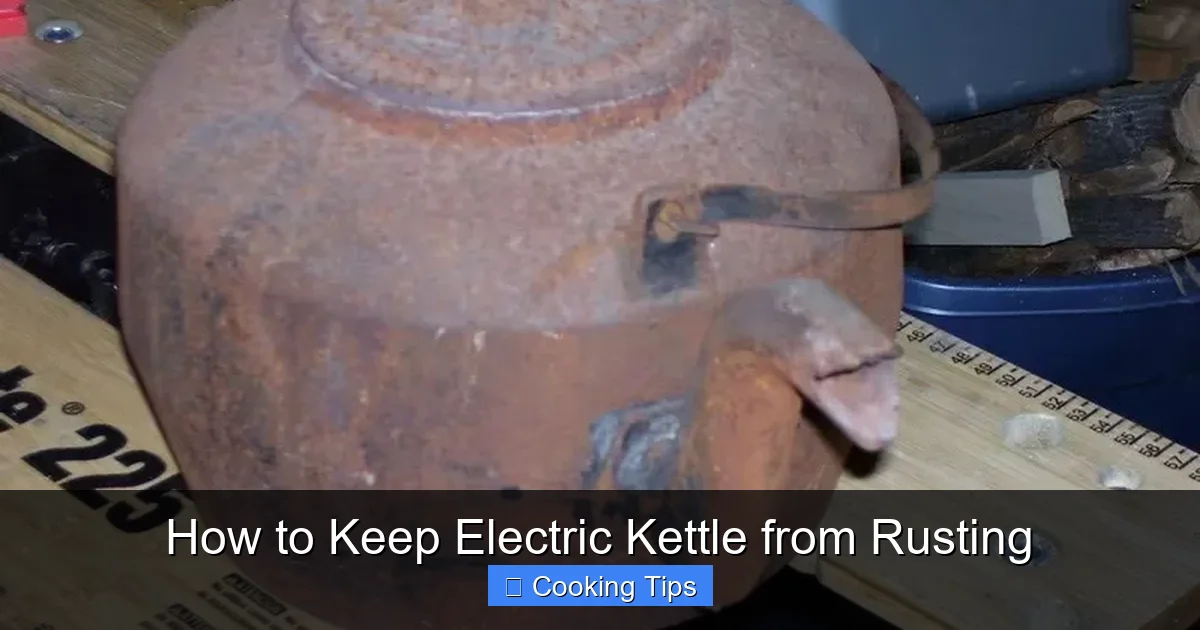
Visual guide about How to Keep Electric Kettle from Rusting
Image source: irrorwxhiqijjr5q.ldycdn.com
1. Unplug and Cool Down
Safety first! Before you begin any cleaning, always ensure your electric kettle is unplugged from the power source. Allow the kettle to cool down completely if it has been recently used. Attempting to clean a hot kettle can lead to burns and damage the appliance.
2. Empty the Kettle
Pour out any remaining water from the kettle. This step is crucial for inspecting the interior and for the cleaning process itself.
3. The Vinegar Power: Descaling the Interior
White vinegar is a fantastic, natural, and inexpensive solution for removing limescale and preventing rust. Its acidity helps to break down mineral deposits.
a. Prepare the Vinegar Solution
Mix equal parts white vinegar and water. For a standard kettle, a cup of vinegar and a cup of water is usually sufficient. If you have significant limescale buildup, you can use a slightly higher ratio of vinegar to water, but avoid using undiluted vinegar as it can be too harsh for some materials.
b. Fill the Kettle
Pour the vinegar and water mixture into the kettle, ensuring the mineral deposits are submerged. Do not fill the kettle beyond its maximum fill line.
c. Let it Soak (and Boil, If Necessary)
For mild buildup, letting the mixture sit for about 30 minutes to an hour might be enough. For tougher limescale, you can gently heat the mixture in the kettle by plugging it in and bringing it to a near boil. Do not let it boil vigorously, as this can create excessive fumes. Once heated, unplug the kettle and let the solution soak for at least an hour, or even overnight for stubborn deposits.
d. Scrub Gently (If Needed)
After soaking, empty the vinegar solution. You might see much of the limescale has loosened. If there are still some stubborn bits, use a soft sponge or a non-abrasive cloth to gently scrub the interior. Avoid using steel wool, abrasive scrubbers, or harsh brushes, as these can scratch the stainless steel and create new areas where rust can form.
4. Rinse Thoroughly
This is a critical step to remove all traces of vinegar and loosened mineral deposits. Rinse the kettle with clean water multiple times. Fill the kettle with fresh water, bring it to a boil, and then discard the water. Repeat this process at least two to three times to ensure no vinegar residue remains, which could affect the taste of your future beverages.
5. Clean the Exterior
While the interior is your main concern for rust prevention, don’t forget the exterior. Wipe down the outside of the kettle with a damp cloth. For stubborn marks or fingerprints on stainless steel exteriors, a little mild dish soap can be used. Always wipe in the direction of the grain for stainless steel to avoid creating visible scratches. Rinse the cloth and wipe again to remove any soap residue.
6. Dry Completely!
This is arguably the most important step in rust prevention. After cleaning and rinsing, ensure every bit of moisture is removed from both the interior and exterior of the kettle. Open the lid and let the kettle air dry completely. You can also use a clean, soft, lint-free cloth to wipe down the interior and exterior surfaces. Pay special attention to crevices and the area around the spout and lid hinge.
Preventative Measures to Keep Rust at Bay
Beyond regular cleaning, several proactive steps can significantly reduce the likelihood of your electric kettle developing rust.
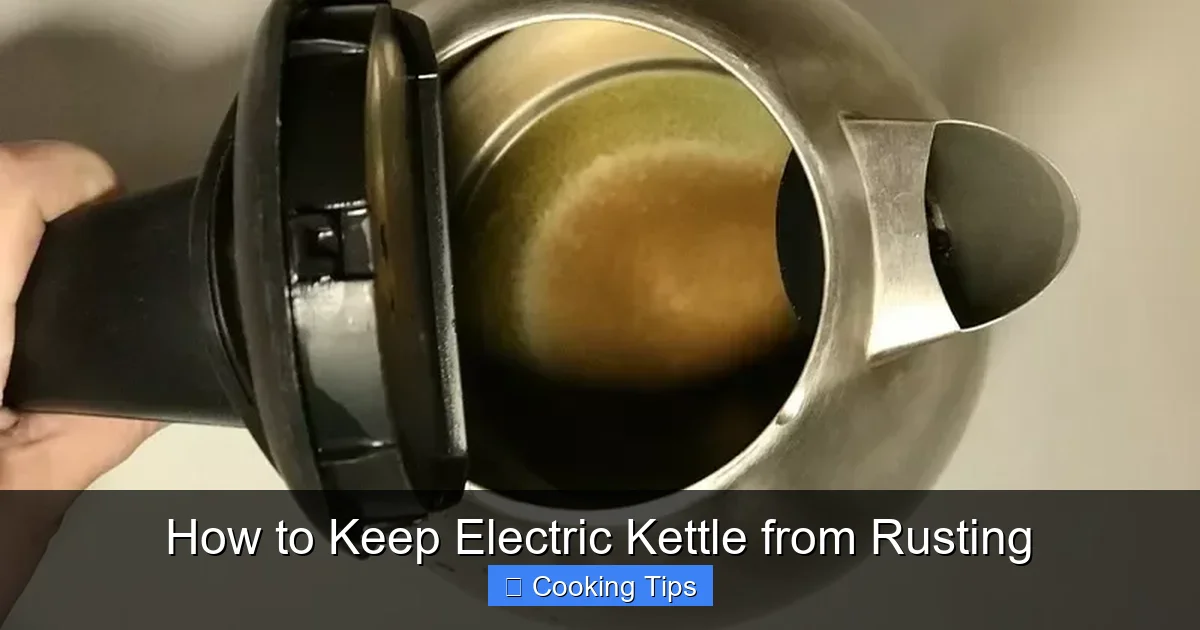
Visual guide about How to Keep Electric Kettle from Rusting
Image source: a2.ldycdn.com
1. Empty After Each Use
Make it a habit to empty any leftover water from your electric kettle after each use. Leaving water sitting in the kettle, even for a short period, contributes to moisture buildup and can accelerate rust formation.
2. Air Dry Open
Whenever possible, leave the lid of your electric kettle open after drying. This allows for better air circulation and ensures that any residual moisture can evaporate freely. If your kettle has a condensation collector, make sure to empty and dry it regularly as well.
3. Consider Water Softeners or Filters
If you live in an area with very hard water, limescale buildup will be a persistent problem. Investing in a water softener for your home or using a water filter pitcher to fill your kettle can significantly reduce the mineral content in your water, thereby minimizing scale formation and its associated rust risks.
4. Avoid Abrasive Cleaning Tools
We’ve mentioned this before, but it bears repeating. Always use soft cloths, sponges, or specialized kettle brushes. Abrasive materials will damage the kettle’s protective coating and make it more susceptible to rust.
5. Inspect Regularly
Take a moment to glance at the inside of your kettle periodically. Look for any signs of discoloration, specks of rust, or unusual buildup. Early detection allows you to address the issue before it becomes a significant problem.
6. Proper Storage
Store your electric kettle in a dry place. Avoid placing it in damp cupboards or near sinks where it’s constantly exposed to humidity. Ensure it’s completely dry before putting it away for longer periods.
Troubleshooting Common Rust Issues
Even with the best intentions, you might encounter rust. Here’s how to tackle it:
Q: I see small orange-brown spots inside my kettle. Is it rust?
A: These are likely early signs of rust. The best course of action is to perform a thorough descaling with vinegar as described in the cleaning section. If the spots are superficial, they should come off with proper cleaning. If they persist and seem to be pitting the metal, it might indicate more severe corrosion.
Q: My kettle’s warranty is still valid. Should I contact the manufacturer?
A: If your kettle is relatively new and you’ve diligently followed cleaning and maintenance steps, and you’re seeing significant rust, it’s worth contacting the manufacturer. There might be a manufacturing defect. However, most manufacturers consider rust caused by mineral buildup or improper care as normal wear and tear.
Q: Can I still use my kettle if there’s a bit of rust?
A: While a tiny amount of rust might not be immediately harmful, it’s not ideal. Rust can affect the taste of your water, and over time, it can spread and compromise the integrity of the kettle. It’s always best to try to remove it. If you cannot remove it completely or if the rust is extensive, it might be time to consider replacing the kettle.
Conclusion
Keeping your electric kettle rust-free is a straightforward process that involves consistent cleaning, thorough drying, and mindful usage. By understanding the causes of rust and implementing the simple steps outlined in this guide, you can significantly extend the life of your appliance and ensure you’re always enjoying pure, clean-tasting hot water. Make these practices a regular part of your kitchen routine, and your electric kettle will continue to serve you efficiently and beautifully for years to come.
