

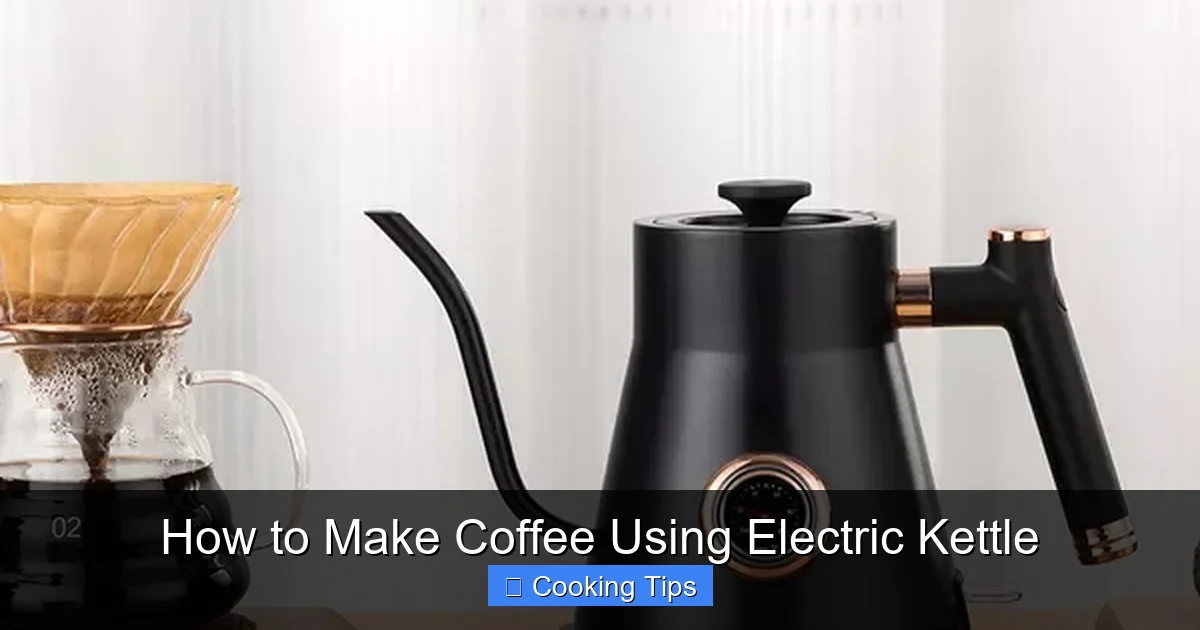
Master the art of making coffee with an electric kettle! This guide breaks down the simple process, from heating water to brewing your favorite cup. Discover essential tips for a perfect result, whether you prefer pour-over, French press, or even instant coffee. Get ready to enjoy café-quality coffee at home with minimal effort.
How to Make Coffee Using Electric Kettle
Welcome to the future of your morning routine! In 2026, we’re all about efficiency and great taste, especially when it comes to that essential first cup of coffee. If you thought making coffee was complicated, think again! Your electric kettle, that humble kitchen appliance, is a surprisingly powerful tool for crafting a delicious brew. Forget waiting for stovetop water to boil or guessing temperatures. With an electric kettle, you have precision and speed at your fingertips.
This guide is designed to demystify the process. We’ll walk you through every step, from selecting your beans to enjoying that first glorious sip. Whether you’re a seasoned coffee enthusiast looking to refine your technique or a complete beginner curious about brewing methods beyond instant coffee, you’ve come to the right place. We’ll explore how to get the most out of your electric kettle, ensuring you can make fantastic coffee at home, any time. Let’s dive into the simple, satisfying world of electric kettle coffee!
Key Takeaways
- Mastering Water Temperature: The electric kettle allows precise temperature control, crucial for extracting the best flavor from your coffee grounds.
- Convenience and Speed: Electric kettles heat water quickly and efficiently, making your coffee routine faster and simpler.
- Versatility in Brewing Methods: This guide explains how to adapt your electric kettle’s hot water for various brewing methods like pour-over, French press, and Aeropress.
- Grind Size Matters: Understanding the importance of the correct coffee grind size for your chosen brewing method is key to avoiding under or over-extraction.
- Freshness is Paramount: Always use freshly ground coffee beans for the most aromatic and flavorful cup.
- Cleanliness Enhances Taste: Regularly cleaning your electric kettle and brewing equipment prevents off-flavors and ensures a pure coffee taste.
Understanding Your Electric Kettle
Before we start brewing, let’s get acquainted with your electric kettle. Modern electric kettles are marvels of convenience. They heat water rapidly, often featuring auto shut-off functions for safety and energy efficiency. Many also offer temperature control settings, which is a game-changer for coffee brewing. Different coffee beans and brewing methods thrive at specific water temperatures. Having a kettle that allows you to select the ideal temperature means you’re one step closer to the perfect cup.
Gathering Your Coffee Essentials
Visual guide about How to Make Coffee Using Electric Kettle
Image source: kitchenadvising.com
To make coffee using an electric kettle, you’ll need a few key items. Having these ready before you start will make the brewing process smooth and enjoyable.
Coffee Beans
The foundation of great coffee is, of course, great coffee beans. For the best flavor, always opt for whole beans and grind them just before brewing.
Coffee Grinder
A grinder, whether burr or blade, is essential for achieving the right consistency for your chosen brewing method.
Brewing Equipment
This will vary depending on your preferred method. Popular options include:
- Pour-Over Dripper: A cone-shaped device that holds a filter.
- French Press: A glass or metal carafe with a plunger.
- Aeropress: A versatile, compact brewing device.
- Moka Pot: A stovetop espresso maker (though we’re focusing on electric kettle methods, some use its hot water).
- Mug: For your delicious final product!
Water Filter (Optional but Recommended)
Filtered water can significantly improve the taste of your coffee by removing impurities that can affect flavor.
Scale (Optional but Recommended)
For precision and consistency, a kitchen scale to measure coffee grounds and water is highly beneficial.
The Electric Kettle Coffee-Making Process: Step-by-Step
Visual guide about How to Make Coffee Using Electric Kettle
Image source: irrorwxhiqijjr5q.ldycdn.com
Now, let’s get brewing! We’ll cover the general steps, and then touch upon how to adapt them for popular brewing methods.
Step 1: Fill Your Electric Kettle
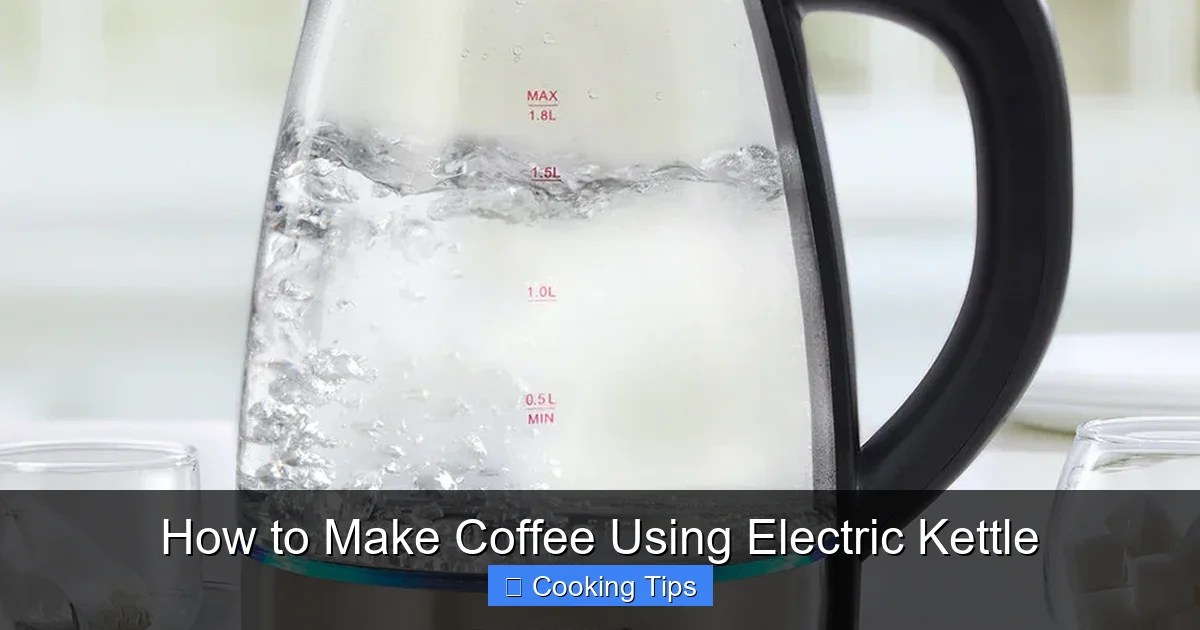
Start by filling your electric kettle with fresh, cold water. Use filtered water if you have it. Be sure not to overfill it; check the minimum and maximum fill lines on your kettle. Heating too little water can be inefficient, while too much might cause overflow or excessive boiling.
Step 2: Select and Heat Water to the Correct Temperature
This is where your electric kettle truly shines. The ideal water temperature for brewing coffee is generally between 195°F and 205°F (90.5°C to 96°C).
* For kettles with temperature control: Select your desired temperature. If you’re unsure, aim for 200°F (93°C) as a good starting point.
* For kettles without temperature control: Fill the kettle and bring it to a boil. Once it boils, turn it off and let it sit for about 30 seconds to a minute. This allows the water to cool slightly to the optimal brewing range. Overly hot water can scorch your coffee grounds, leading to a bitter taste.
Step 3: Prepare Your Coffee Grounds
While your water is heating, grind your coffee beans. The grind size is crucial and depends entirely on your brewing method.
* Coarse Grind: Resembles sea salt. Ideal for French Press and cold brew.
* Medium Grind: Similar to sand. Good for pour-over methods like Chemex or V60, and Aeropress.
* Fine Grind: Like table salt. Best for espresso machines or Moka pots.
Tip: Grinding your beans right before brewing preserves their volatile aromatic compounds, resulting in a much more flavorful cup. Aim to use about 1-2 tablespoons of coffee grounds per 6 ounces (180ml) of water, or about a 1:15 to 1:17 coffee-to-water ratio if using a scale.
Step 4: Prepare Your Brewing Equipment
Make sure your brewing device is clean. If using a filter, rinse it with hot water. This removes any papery taste from paper filters and pre-heats your brewing vessel, which helps maintain a stable brewing temperature.
Step 5: Brew Your Coffee
This step will vary depending on your chosen method. Here are common examples:
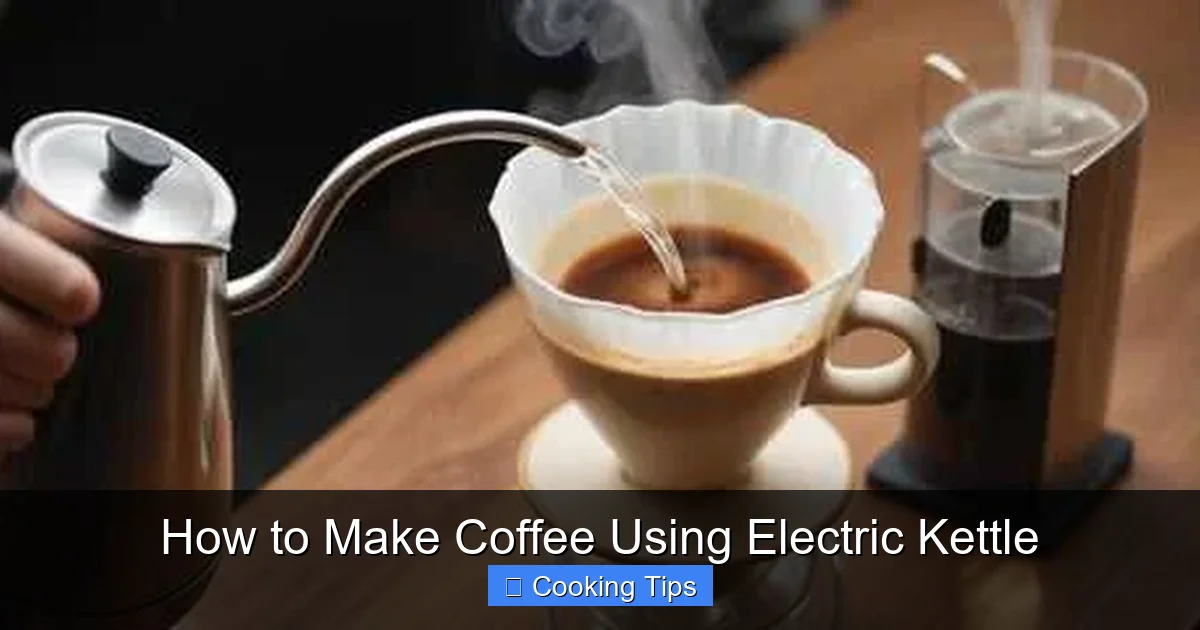
Pour-Over Method
1. Place your dripper and filter over your mug or carafe.
2. Add your medium-ground coffee to the filter.
3. Gently pour a small amount of hot water (from your electric kettle) over the grounds, just enough to saturate them. This is called the “bloom.” Let it sit for about 30 seconds; you’ll see the grounds expand and release CO2.
4. Slowly and steadily pour the remaining hot water in a circular motion, ensuring all grounds are evenly saturated. Avoid pouring water directly down the sides of the filter.
5. Allow all the water to drip through. Discard the filter and grounds, and enjoy!
French Press Method
1. Add your coarse-ground coffee to the bottom of the French press carafe.
2. Pour hot water (around 200°F or 93°C) over the grounds, ensuring they are all wet.
3. Place the lid on the French press, but don’t press the plunger down yet.
4. Let the coffee steep for about 4 minutes.
5. Slowly and evenly press the plunger all the way down.
6. Serve immediately to prevent over-extraction.
Aeropress Method
1. Assemble your Aeropress according to the instructions (inverted or standard method).
2. Add your medium-ground coffee to the chamber.
3. Pour hot water (around 175°F-185°F or 80°C-85°C for a smoother taste, or higher for a stronger brew) over the grounds.
4. Stir for about 10 seconds.
5. Insert the plunger and press down slowly and steadily for about 20-30 seconds.
6. Your concentrated coffee is ready to be enjoyed as is or diluted with hot water to taste.
Step 6: Serve and Enjoy!
Once your coffee is brewed, pour it into your favorite mug and savor the fruits of your labor. The rich aroma and satisfying taste are your reward!
Practical Tips for the Best Coffee
Visual guide about How to Make Coffee Using Electric Kettle
Image source: myborosil.com
Achieving a consistently delicious cup of coffee with your electric kettle is all about the details. Here are some tips to elevate your brew:
* **Use Fresh, Quality Beans:** This is the single biggest factor in coffee flavor. Buy beans roasted within the last few weeks, and store them in an airtight container away from light, heat, and moisture.
* **Grind Just Before Brewing:** Pre-ground coffee loses its flavor very quickly. Invest in a good grinder for a significant upgrade in taste.
* **Master Your Water-to-Coffee Ratio:** While the general guideline is 1:15 to 1:17, don’t be afraid to experiment to find what you prefer. A scale makes this process much more accurate.
* **Pre-heat Your Mug:** A warm mug will keep your coffee hotter for longer. You can rinse it with hot water from your kettle.
* **Experiment with Temperatures:** If your kettle has temperature control, play around with different settings. A slightly lower temperature might be better for darker roasts to avoid bitterness, while a higher temperature can extract more flavor from lighter roasts.
* **Don’t Over-Extract:** For methods like French press, pressing the plunger too hard or leaving the coffee to steep for too long can result in a bitter, unpleasant taste.
* **Clean Your Equipment Regularly:** Coffee oils can build up and impart a stale flavor. Rinse your kettle and brewing equipment after each use, and perform a deeper clean periodically. For electric kettles, descaling them regularly with vinegar or a descaling solution will keep them running efficiently and prevent mineral buildup that can affect water taste.
Troubleshooting Common Coffee Issues
Even with the best intentions and equipment, sometimes your coffee might not turn out as expected. Here are some common problems and how to fix them:
My Coffee Tastes Bitter
This is often due to over-extraction or using water that is too hot.
- Solution: Ensure your water isn’t boiling hot when it hits the grounds. If using an electric kettle without temperature control, let it cool for an extra 15-30 seconds after boiling. Check your grind size; a grind that’s too fine can also lead to over-extraction. If using a French press, don’t let it steep for longer than recommended.
My Coffee Tastes Weak or Sour
This usually indicates under-extraction.
- Solution: Ensure your water is hot enough. For pour-over methods, make sure you’re saturating all the grounds evenly. Your grind might be too coarse for the brewing method. Try a finer grind. Also, consider increasing your coffee-to-water ratio slightly if you prefer a stronger cup.
My Coffee Tastes “Off” or Stale
This can be due to old beans, stale grounds, or dirty equipment.
- Solution: Use freshly roasted and freshly ground coffee beans. Ensure your grinder and brewing equipment are clean. Rinse your electric kettle periodically to remove any mineral buildup.
My Electric Kettle Is Slow or Not Heating Properly
Mineral deposits can build up inside your kettle over time, affecting its performance.
- Solution: Descale your electric kettle. Fill the kettle with equal parts white vinegar and water, bring it to a boil, let it sit for about 30 minutes, then rinse thoroughly. Repeat if necessary.
The Future of Electric Kettle Coffee in 2026
As we move further into the 2020s, the electric kettle remains a cornerstone of accessible, high-quality home coffee brewing. Smart kettles are becoming more integrated with home ecosystems, offering pre-programmed brewing profiles for different coffee types. Beyond precise temperature control, some advanced models even feature built-in timers and connectivity to apps that guide you through brewing recipes.
However, the core principles remain the same. The electric kettle’s ability to deliver water at the perfect temperature, quickly and reliably, empowers everyone to make a fantastic cup of coffee. Whether you’re a minimalist who appreciates the simplicity of a French press or a devotee of the nuanced pour-over, your electric kettle is your gateway to a more enjoyable coffee experience.
Conclusion
Making coffee with an electric kettle is an accessible, efficient, and rewarding process. By understanding the basic principles of water temperature, grind size, and your chosen brewing method, you can transform your daily coffee ritual into a moment of pure enjoyment. The convenience of an electric kettle, especially those with precise temperature control, removes many of the variables that can lead to disappointing coffee. So, grab your favorite beans, power up your kettle, and get ready to brew a cup that rivals your local café. Happy brewing!
