

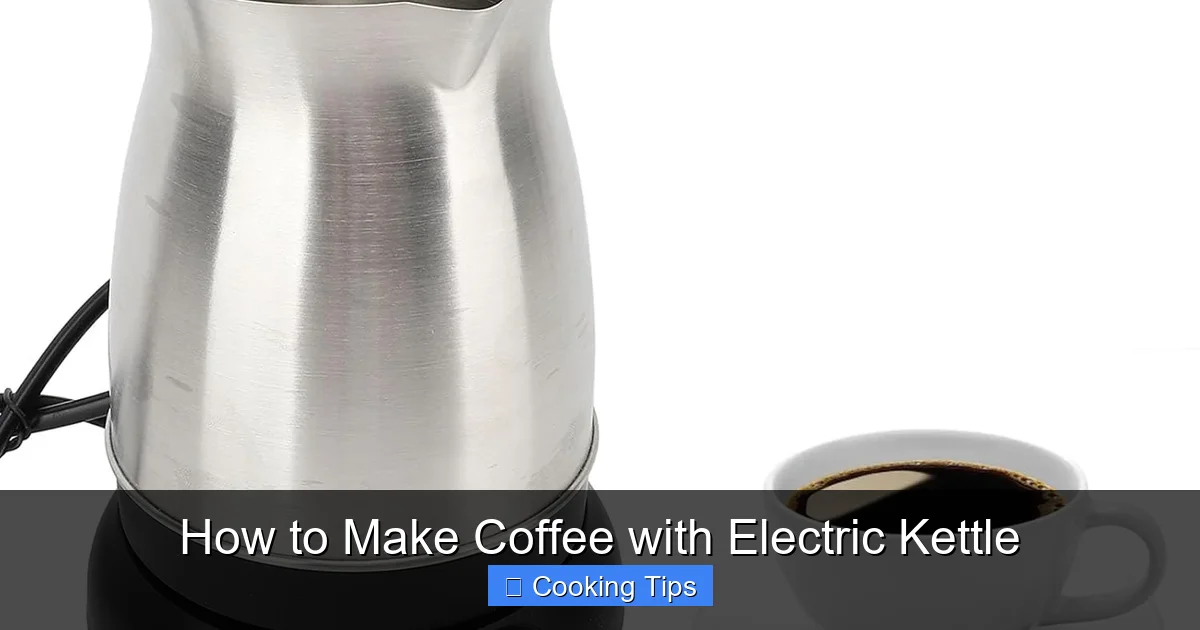
Discover how to brew your favorite coffee using a modern electric kettle, a fast and convenient method for busy mornings in 2026. This guide provides a comprehensive, step-by-step approach, covering everything from selecting your coffee beans to achieving the perfect pour. You’ll learn to master this simple technique for consistently delicious results, whether you prefer a quick cup or a more involved brew.
Key Takeaways
- Easy to Use: Electric kettles offer a straightforward way to heat water quickly and efficiently for coffee brewing, making them ideal for beginners.
- Precise Temperature Control: Many modern electric kettles allow you to set specific water temperatures, crucial for extracting the best flavor from your coffee grounds.
- Speed and Convenience: Electric kettles heat water much faster than stovetop kettles, saving you valuable time, especially during rushed mornings.
- Versatile Brewing Methods: This guide will show you how to adapt electric kettle water for various coffee brewing methods, including pour-over, French press, and AeroPress.
- Optimizing Flavor: Understanding the relationship between water temperature, coffee grind size, and brewing time is key to unlocking the full flavor profile of your coffee.
- Safety First: Always use your electric kettle on a stable, flat surface and be mindful of the hot water to prevent accidents.
How to Make Coffee with an Electric Kettle: Your 2026 Guide to a Perfect Cup
In the fast-paced world of 2026, your morning coffee ritual should be as enjoyable and effortless as possible. While fancy espresso machines and complex brewing setups might seem intimidating, you might be surprised to learn that your trusty electric kettle can be a powerful ally in crafting a truly exceptional cup of coffee. Forget the days of waiting for a stovetop kettle to whistle – modern electric kettles offer speed, precision, and versatility, making them a fantastic tool for any coffee lover.
This comprehensive guide will walk you through everything you need to know to make delicious coffee using your electric kettle. We’ll cover the basics, explore different brewing methods, and share tips to ensure every cup is a delight. Whether you’re a seasoned barista at home or just starting your coffee journey, you’ll learn how to unlock the full potential of your electric kettle for the perfect brew.
Understanding Your Electric Kettle and Coffee Basics
Before we dive into the brewing process, let’s quickly touch upon what makes an electric kettle so useful for coffee and the fundamental elements of good coffee.
Why Electric Kettles are Great for Coffee
Electric kettles have revolutionized how we heat water. Here’s why they are a coffee lover’s best friend:
- Speed: They heat water significantly faster than traditional stovetop kettles. This means less waiting and more sipping.
- Accuracy: Many electric kettles offer precise temperature control. This is crucial for coffee, as different beans and brewing methods thrive at specific temperatures.
- Safety: Features like automatic shut-off and boil-dry protection make them safer to use.
- Convenience: Simply fill, plug in, set your temperature (if applicable), and walk away.
The Essentials for Great Coffee
To make great coffee, you need a few key ingredients and tools:
- Fresh Coffee Beans: The fresher, the better! Look for whole beans and grind them just before brewing.
- Quality Water: Filtered or spring water is recommended, as tap water can sometimes affect the taste.
- A Grinder: A burr grinder is ideal for a consistent grind size, which is vital for even extraction.
- Your Chosen Brewing Device: This could be a pour-over cone, French press, AeroPress, or even a simple drip coffee maker that uses kettle-heated water.
Now, let’s get to the exciting part: making coffee!
Step-by-Step: Making Coffee with an Electric Kettle
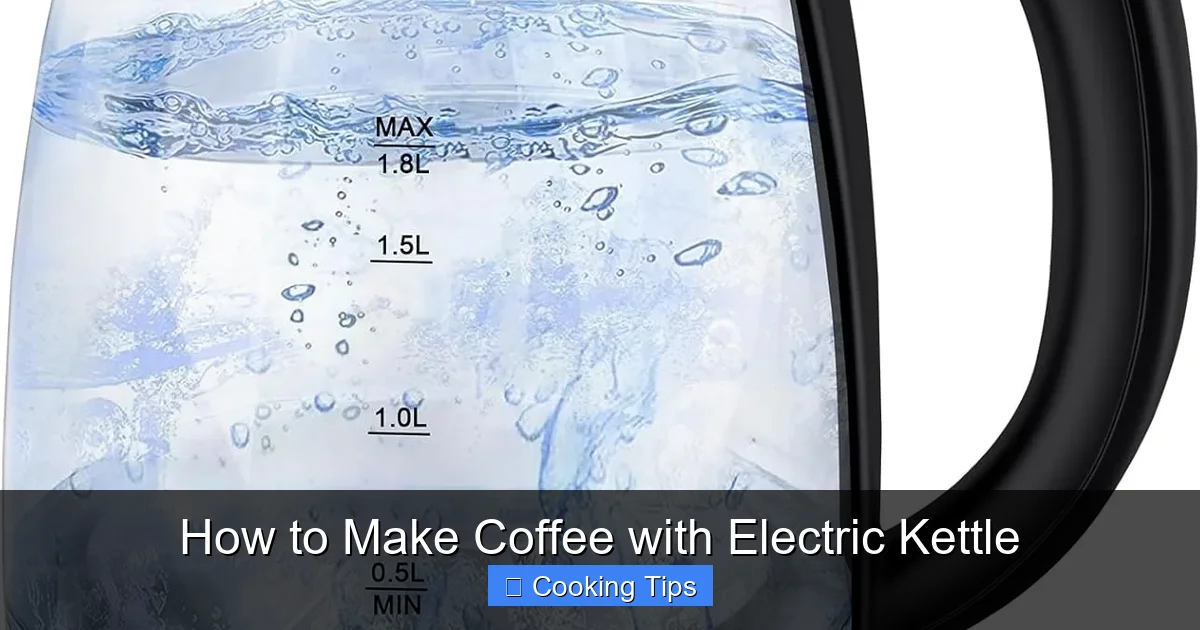
Visual guide about How to Make Coffee with Electric Kettle
Image source: m.media-amazon.com
The beauty of using an electric kettle for coffee is its adaptability. The core process involves heating water to the correct temperature and then using it to brew your coffee. We’ll break this down into manageable steps.
Step 1: Gather Your Supplies
Before you begin, make sure you have everything ready. This ensures a smooth brewing process without any last-minute scrambling.
- Your electric kettle
- Freshly roasted coffee beans
- A coffee grinder
- Your preferred brewing device (e.g., pour-over cone, French press, AeroPress)
- A coffee filter (if your brewing device requires one)
- Your favorite mug
- A scale (optional, but highly recommended for precise coffee-to-water ratios)
Step 2: Measure and Grind Your Coffee Beans
The amount of coffee you use is crucial for flavor. A good starting point is a ratio of 1:15 or 1:16, meaning 1 gram of coffee for every 15 or 16 grams of water. For a standard mug (around 250ml or 8-9 oz), this would be roughly 15-17 grams of coffee.
Sub-step: Grinding the Beans
The grind size depends on your brewing method:
- French Press: Coarse grind (resembles sea salt).
- Pour-Over: Medium grind (similar to granulated sugar).
- AeroPress: Fine to medium-fine grind (depends on the recipe, but often finer than drip).
- Drip Coffee Maker: Medium grind.
**Tip:** Grind your beans right before brewing. Pre-ground coffee loses its aroma and flavor quickly.
Step 3: Heat Your Water in the Electric Kettle
This is where your electric kettle shines. The ideal brewing temperature for most coffee is between 195°F and 205°F (90°C and 96°C).
Sub-step: Setting the Temperature (If Applicable)
If your electric kettle has temperature control, select your desired temperature. If not, here’s how to approximate:
- For 205°F (96°C): Bring the water to a full boil and then let it sit for about 30 seconds.
- For 200°F (93°C): Bring the water to a full boil and then let it sit for about 1 minute.
- For 195°F (90°C): Bring the water to a full boil and then let it sit for about 1.5 to 2 minutes.
Important Note: Never use boiling water directly on coffee grounds. It can scorch the grounds and result in a bitter taste.
Sub-step: Boiling the Water
If your kettle doesn’t have specific temperature settings, simply fill it with fresh, cold water to the desired level (enough for your coffee plus a little extra for rinsing filters or warming vessels). Close the lid and switch it on. The kettle will heat the water and typically shut off automatically once it reaches boiling point.
Step 4: Prepare Your Brewing Device
While your kettle is heating water, take a moment to get your brewing setup ready.
Sub-step: Rinsing Paper Filters
If you’re using a pour-over cone or a drip coffee maker with a paper filter, rinse the filter with some of the hot water from your kettle. This removes any papery taste and also preheats your brewing device. Discard the rinse water.
Sub-step: Preheating Other Devices
For methods like the French press or AeroPress, pouring a little hot water into the vessel and swirling it around will preheat it. This helps maintain a stable brewing temperature. Discard the rinse water.
Step 5: Brew Your Coffee
Now, the magic happens! The exact steps here will vary slightly depending on your brewing device.
Option A: Pour-Over Coffee
1. Place your ground coffee into the rinsed filter in your pour-over cone.
2. Gently pour a small amount of hot water (about twice the weight of the coffee) over the grounds, ensuring they are all saturated. This is called the “bloom.”
3. Wait for about 30 seconds for the coffee to degas.
4. Slowly and steadily pour the remaining hot water over the grounds in a circular motion, trying to keep the water level consistent and avoiding pouring directly onto the filter paper.
5. Allow all the water to drip through.
Option B: French Press Coffee
1. Add your coarsely ground coffee to the preheated French press.
2. Pour about half of your hot water over the grounds and stir gently.
3. Add the remaining hot water, filling the French press.
4. Place the lid on top, but do not press the plunger down yet.
5. Let the coffee steep for 4 minutes.
6. Slowly and evenly press the plunger all the way down.
7. Pour immediately to prevent over-extraction.
Option C: AeroPress Coffee
There are many AeroPress recipes, but a common method is:
1. Assemble your AeroPress (inverted or standard).
2. Add your medium-fine ground coffee.
3. Pour hot water over the grounds to the desired level.
4. Stir for about 10 seconds.
5. Insert the plunger and press down gently and steadily until you hear a hiss.
6. Dilute with hot water if making an espresso-style concentrate.
Step 6: Enjoy Your Coffee!
Once brewed, pour your delicious coffee into your preheated mug and savor the aroma and flavor. Congratulations, you’ve successfully made coffee with your electric kettle!
Practical Tips for Electric Kettle Coffee Perfection
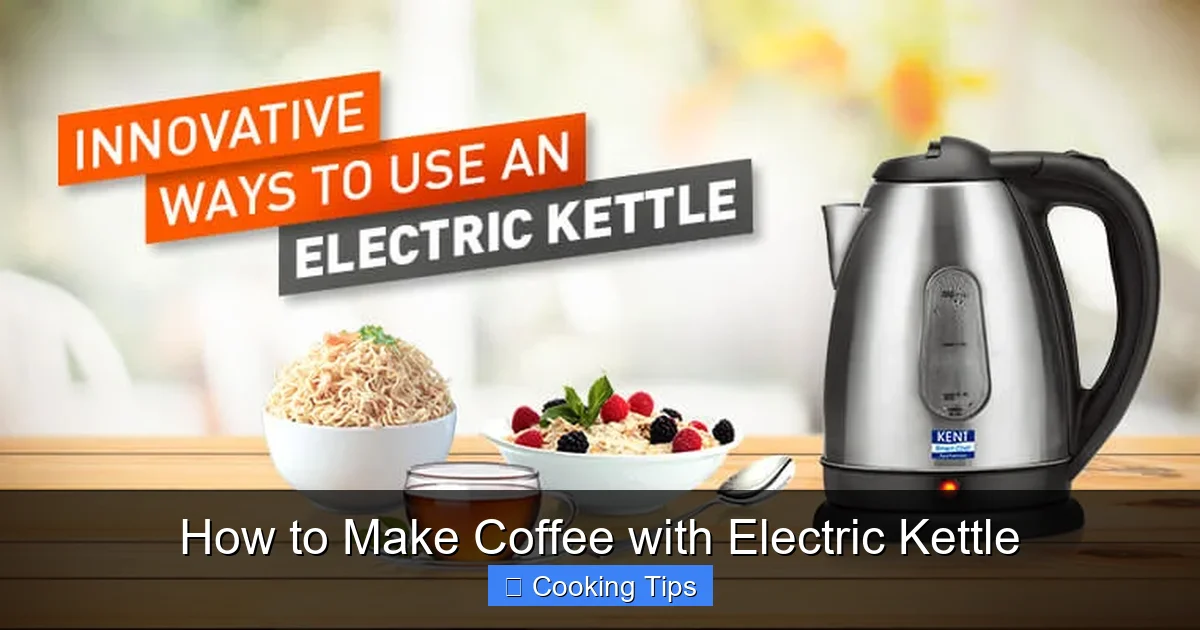
Visual guide about How to Make Coffee with Electric Kettle
Image source: kent.co.in
To elevate your coffee game even further, consider these practical tips:
- Water Quality Matters: If your tap water has a strong taste, use filtered water. This is one of the simplest ways to improve your coffee.
- Consistency is Key: Using a kitchen scale to measure both coffee beans and water ensures you get the same great result every time.
- Experiment with Temperatures: While 195-205°F is a general guideline, some lighter roasts might benefit from slightly cooler water, and darker roasts from slightly hotter water. Adjust to your taste!
- Don’t Overfill Your Kettle: Leave enough space in the kettle to avoid splashing when it boils.
- Cleanliness is Next to Godliness: Regularly descale your electric kettle to ensure optimal performance and prevent mineral buildup from affecting your water’s taste.
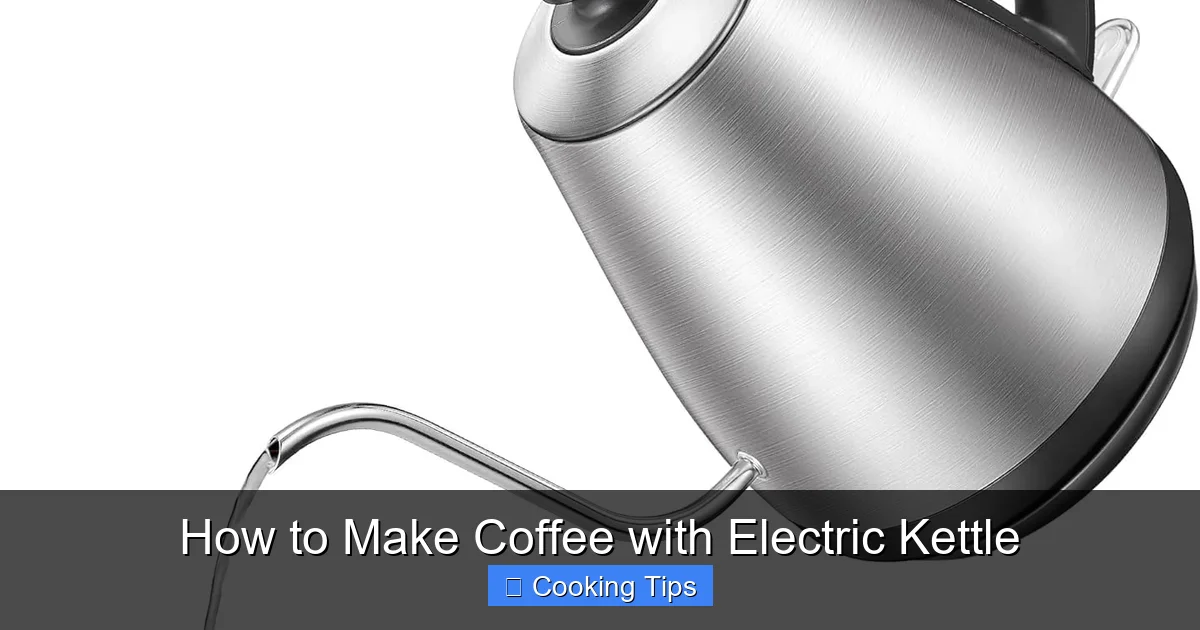
- Use a Gooseneck Kettle (Optional but Recommended for Pour-Over): If you’re serious about pour-over, a gooseneck electric kettle offers more control over the water flow for a more even extraction.
- Keep it Simple: Don’t feel pressured to buy the most expensive kettle. A basic electric kettle can do a fantastic job if you pair it with good beans and a decent grinder.
Troubleshooting Common Coffee Issues
Visual guide about How to Make Coffee with Electric Kettle
Image source: m.media-amazon.com
Even with the best tools, sometimes things don’t go as planned. Here are a few common coffee problems and how to fix them when using an electric kettle:
My Coffee Tastes Bitter
This is often due to over-extraction.
- Possible Cause: Water was too hot, grind was too fine, or brew time was too long.
- Solution: Try using slightly cooler water (e.g., 195°F instead of 205°F), use a coarser grind, or shorten your brew time.
My Coffee Tastes Sour or Weak
This usually means under-extraction.
- Possible Cause: Water was not hot enough, grind was too coarse, or brew time was too short.
- Solution: Ensure your water is in the correct temperature range (195-205°F), use a finer grind, or increase your brew time slightly.
My Electric Kettle Is Not Heating Water
- Possible Cause: The kettle is not properly plugged in, there’s no water inside, or there might be an internal issue.
- Solution: Check the power connection and ensure there’s enough water in the kettle. If it still doesn’t work, consult your kettle’s manual or contact the manufacturer.
Conclusion: Your Electric Kettle, Your Coffee Command Center
Making coffee with an electric kettle in 2026 is a remarkably simple yet rewarding experience. It’s a testament to how efficient modern appliances can be, allowing you to enjoy a café-quality cup right in your own kitchen without fuss. By understanding the basic principles of coffee brewing and leveraging the speed and precision of your electric kettle, you are well on your way to mastering your morning brew.
Remember, the journey to the perfect cup is one of experimentation. Play with different coffee beans, adjust your grind size, and fine-tune your water temperature. Your electric kettle is a versatile tool that can support a variety of brewing methods, from the classic French press to the innovative AeroPress. So, embrace the ease, enjoy the process, and most importantly, savor every delicious sip! Your electric kettle is ready to become your personal coffee command center.
