

Thinking about a DIY electric kettle? This comprehensive guide walks you through the process of making your own electric kettle at home. We’ll cover the necessary components, step-by-step assembly, crucial safety precautions, and tips for ensuring your homemade creation is both functional and reliable. Empower yourself with knowledge and discover the satisfaction of building your own appliance.
How to Make Electric Kettle at Home
Welcome to our in-depth guide on how to make an electric kettle at home! In an era where understanding our appliances is becoming increasingly important, building your own can be a rewarding and educational experience. You might be wondering if it’s even possible to construct a working electric kettle from scratch. The answer is yes, and this guide is here to show you exactly how. We’ll break down the process into manageable steps, covering everything from the essential components you’ll need to the critical safety considerations.
By the end of this tutorial, you’ll have a clear understanding of the principles behind an electric kettle and the practical knowledge to assemble one yourself. We’ll focus on safety, functionality, and using readily available (or easily sourced) materials, keeping in mind the technology and component availability of 2026. So, grab your toolkit and let’s dive into the exciting world of DIY appliance creation!
Key Takeaways
- Understand the Core Components: Successfully building an electric kettle at home requires familiarizing yourself with key parts like the heating element, thermostat, power cord, and housing.
- Prioritize Safety First: Electrical projects carry inherent risks. This guide emphasizes crucial safety measures, including proper insulation, grounding, and handling of electrical components.
- Step-by-Step Assembly: Detailed instructions will guide you through each stage of the building process, from preparing the housing to connecting the electrical elements.
- Choosing the Right Materials: Selecting heat-resistant, food-grade, and electrically safe materials is essential for both the functionality and longevity of your homemade kettle.
- Testing and Troubleshooting: Learn how to safely test your completed kettle and identify common issues that might arise, along with solutions.
- Maintenance for Longevity: Simple maintenance tips can help ensure your DIY electric kettle operates efficiently and safely for a longer period.
📑 Table of Contents
Understanding the Anatomy of an Electric Kettle
Before we start building, it’s vital to understand the main parts that make an electric kettle work. Knowing these components will make the assembly process much clearer and help you identify them when gathering your materials.
The Heating Element
This is the heart of your electric kettle. It’s a resistor that converts electrical energy into heat. In most electric kettles, this is a coil or a flat disc made of a high-resistance material like nichrome wire. When electricity flows through it, it gets very hot, transferring that heat to the water surrounding it.
The Thermostat (Automatic Shut-off)
This is a crucial safety feature. The thermostat is designed to detect when the water has reached boiling point (or a pre-set temperature) and automatically cut off the power supply. This prevents the kettle from overheating and boiling dry, which can be a fire hazard. Many modern thermostats use bimetallic strips that bend when heated, breaking the electrical circuit.
The Power Cord and Plug
This is how your kettle connects to the electricity supply. It needs to be of adequate gauge to handle the current required by the heating element without overheating. The plug must be compatible with your country’s electrical outlets.
The Housing and Lid
This is the outer shell of your kettle. It needs to be made of a material that is durable, heat-resistant, and ideally insulated to prevent you from burning yourself. Common materials include stainless steel, plastic, or glass. The lid is important for retaining heat and preventing steam from escaping too quickly.
The Base and Connections
The base typically houses the electrical connections from the power cord to the heating element and thermostat. It also often includes a mechanism to securely hold the kettle and make the electrical connection when the kettle is placed on it.
Gathering Your Materials and Tools
For a DIY project like this, sourcing the right components is key. Safety and functionality depend on using appropriate materials. Here’s a list of what you’ll likely need.
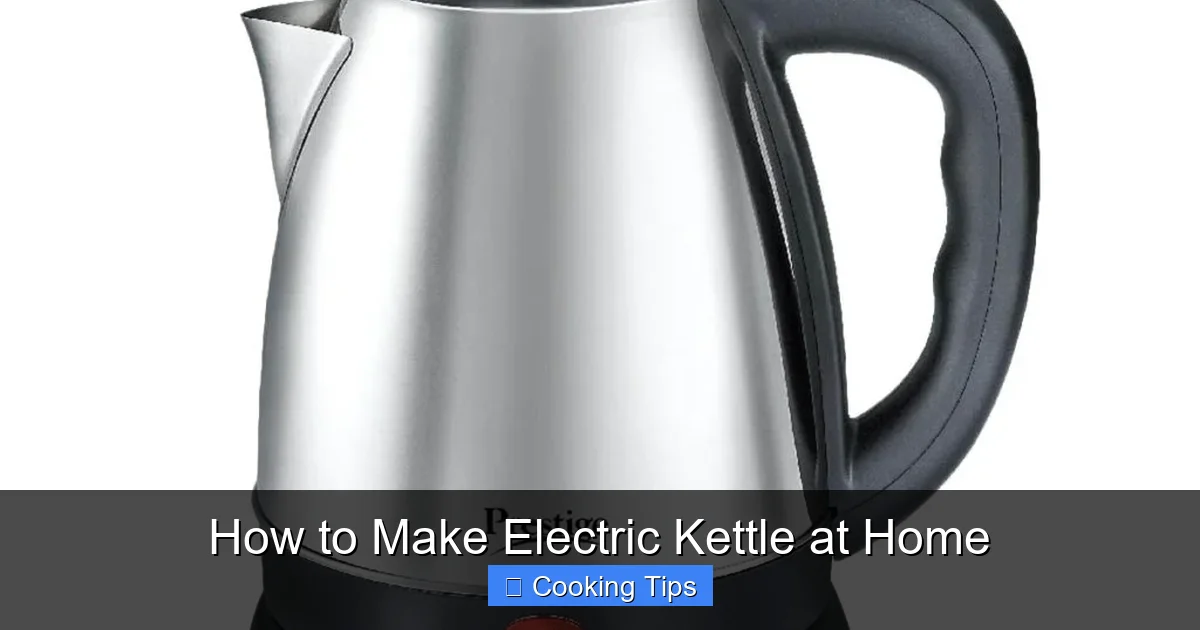
Visual guide about How to Make Electric Kettle at Home
Image source: maintenanceskill.com
Essential Electrical Components
- Heating Element: Look for a submersible immersion heater designed for water. Ensure it has a wattage appropriate for a kettle (e.g., 1000-1500 watts). It should come with a thermostat integrated or as a separate unit.
- Thermostat: If not integrated with your heating element, you’ll need a suitable bimetallic thermostat rated for the amperage and voltage of your heating element.
- Power Cord and Plug: A heavy-duty power cord (e.g., 14-gauge or 12-gauge, depending on wattage) with a grounded plug.
- Insulated Wire: High-temperature, insulated electrical wire for internal connections.
Housing and Structural Components
- Kettle Body: A heat-resistant, non-conductive material is best. Consider a stainless steel carafe from an old coffee maker, a glass beaker, or a sturdy, heat-resistant plastic container designed for food use.
- Base Material: A sturdy, non-conductive material for the base, such as heat-resistant plastic or Bakelite.
- Lid: A lid that fits the kettle body securely.
Hardware and Miscellaneous
- Screws and Nuts: For securing components.
- Heat-Resistant Sealant/Adhesive: To ensure watertight seals around the heating element entry point.
- Wire Connectors: For making safe electrical connections.
- Insulation Material (Optional but Recommended): For added safety around electrical parts.
Tools Required
- Screwdriver set
- Wire strippers
- Pliers
- Drill with various drill bits
- Soldering iron and solder (optional, but for more robust connections)
- Multimeter (for testing connections and continuity)
- Safety glasses
- Heat-resistant gloves
Safety First: Crucial Precautions
Working with electricity can be dangerous if not done correctly. Your safety is paramount. Please read and understand these precautions thoroughly before you begin.
Visual guide about How to Make Electric Kettle at Home
Image source: stainlesssteelteakettles.com
- Always Disconnect Power: Before making any connections or adjustments, ensure the appliance is unplugged from the mains.
- Use a Grounded Plug: A grounded plug provides an extra layer of safety by diverting stray electrical current to the ground in case of a fault.
- Proper Insulation: Ensure all electrical connections are well-insulated to prevent short circuits and accidental contact. Use heat-shrink tubing or electrical tape rated for high temperatures.
- Watertight Seals: The point where the heating element enters the kettle body must be perfectly watertight to prevent water from reaching the electrical components.
- Use Heat-Resistant Materials: All components that come into contact with heat or electricity should be made of materials that can withstand high temperatures and are safe for use with food.
- Never Immerse the Base: The electrical base should never be submerged in water.
- Test Thoroughly: Before using the kettle to boil water, perform thorough electrical tests to ensure everything is working correctly and safely.
Step-by-Step Assembly Guide
Now that you have your materials and understand the safety aspects, let’s get building. This guide assumes you are using a salvaged stainless steel carafe or a similar vessel.
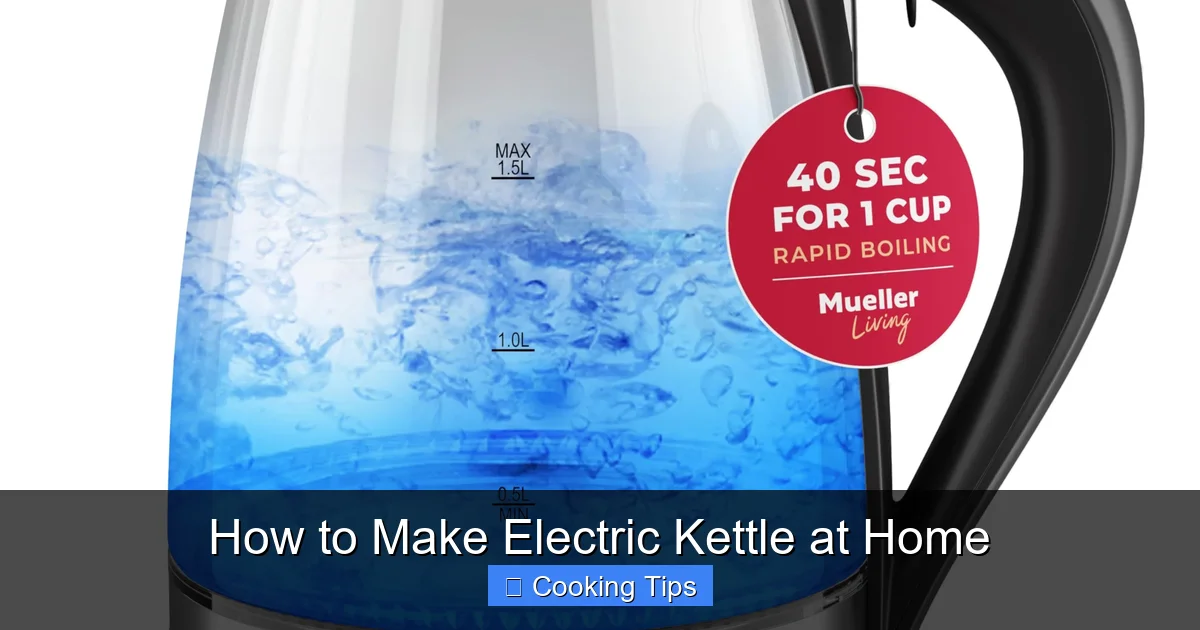
Visual guide about How to Make Electric Kettle at Home
Image source: m.media-amazon.com
Step 1: Prepare the Kettle Body
This is where your chosen vessel comes into play. You need to create an opening for the heating element and any necessary wiring.
H3: Measure and Mark
Carefully measure the diameter of your heating element’s immersion tube or base. Mark a corresponding spot on the side or bottom of your kettle body. Ensure this location is suitable for submersion when the kettle is filled with water.
H3: Drill the Opening
Using a drill bit that matches the diameter of your heating element’s entry point, carefully drill a hole. If using a metal carafe, start with a smaller pilot hole and gradually increase the drill bit size. Smooth any rough edges with a file.
H3: Install the Heating Element
Insert the heating element into the drilled hole. It should fit snugly. Apply a generous amount of heat-resistant, food-grade sealant around the outside of the hole where the element enters the kettle body. This is critical for creating a watertight seal. Allow the sealant to cure completely according to the manufacturer’s instructions.
Step 2: Prepare the Base
The base will house the electrical connections and provide stability.
H3: Design the Base Layout
Determine how the kettle will sit on the base. You might need to create a recess for the kettle’s bottom or ensure it has a stable, flat resting surface. Plan where the power cord will enter the base and where the internal wiring will run to the heating element and thermostat.
H3: Mount the Power Cord
Drill a hole in the base for the power cord to enter. Feed the power cord through this hole. Secure the cord to prevent it from being pulled out – a strain relief grommet is ideal for this. Inside the base, you will connect the wires from the power cord to your thermostat and heating element connections.
H3: Mount the Thermostat (if separate)
If your thermostat is not integrated with the heating element, you’ll need to mount it within the base, in a location where it can effectively sense the temperature of the kettle or the heating element. Some thermostats have mounting holes; others might be secured with adhesive or a bracket.
Step 3: Wiring the Components
This is the most critical electrical part of the process. Work carefully and double-check all connections.
H3: Connect Power to Thermostat
Take one wire from the power cord (typically the live or hot wire) and connect it to one terminal of the thermostat. Use appropriate wire connectors. Ensure the connection is secure.
H3: Connect Thermostat to Heating Element
From the other terminal of the thermostat, connect another piece of insulated wire. This wire will go to one of the terminals on your heating element. If your thermostat has more than two terminals, consult its wiring diagram.
H3: Connect Heating Element to Power Cord (Neutral)
Take the neutral wire from your power cord and connect it directly to the remaining terminal on your heating element. If your heating element has multiple terminals, consult its specifications. The ground wire from the power cord should be connected to any metal parts of the kettle or base that might become live in a fault situation (ensure your kettle body is properly grounded).
H3: Secure Internal Wiring
Ensure all internal wires are neatly routed and secured to prevent them from being pinched or damaged. Use zip ties or electrical tape. Make sure no bare wires are exposed.
Step 4: Assemble the Kettle and Base
Bring all the pieces together.
H3: Secure the Kettle to the Base
If your design involves the kettle sitting directly on the base, ensure it’s stable. You might need to add non-slip feet to the base. If the kettle has a connector to the base for power, ensure this connection is made correctly.
H3: Install the Lid
Attach the lid to your kettle body. Ensure it fits snugly to retain heat.
H3: Final Check of Electrical Connections
With the kettle unplugged, perform a final visual inspection of all your wiring. Ensure all connections are tight, insulated, and that no wires are kinked or stressed.
Step 5: Testing Your Homemade Electric Kettle
This is a crucial step for safety and functionality. Do not skip it.
H3: Dry Test (No Water)
Plug in the kettle. Listen for any unusual sounds or smells. Check if the indicator light (if your heating element has one) turns on. After a minute or two, carefully unplug the kettle and touch the heating element (use heat-resistant gloves). It should be warm but not excessively hot, as there’s no water to dissipate the heat.
H3: Water Test
Fill the kettle with a small amount of water (enough to cover the heating element). Plug it in again. The water should start to heat up. Monitor the process closely. The kettle should automatically shut off once the water boils. If it doesn’t shut off, unplug it immediately and proceed to troubleshooting.
H3: Electrical Continuity Test (Optional but Recommended)
Using a multimeter set to continuity mode, you can test your connections. With the kettle unplugged, test continuity between the power cord’s live and neutral pins and the corresponding terminals on the heating element. You should also test the continuity through the thermostat. This can help identify breaks in your circuit.
Troubleshooting Common Issues
Even with careful construction, you might encounter a few hiccups. Here’s how to address them.
Kettle Doesn’t Turn On
- Check the power plug: Ensure it’s fully inserted into the socket.
- Check the power cord: Inspect for any visible damage.
- Verify wiring connections: Double-check that all wires are securely connected to the thermostat, heating element, and power cord. A loose connection is a common culprit.
- Test the thermostat: Ensure the thermostat is functioning. If it’s stuck in the off position, it won’t allow power to flow.
Kettle Heats Continuously and Doesn’t Shut Off
- Faulty thermostat: The thermostat may be damaged and not sensing the water temperature correctly. This is a serious safety issue, and the thermostat needs to be replaced.
- Improper installation: Ensure the thermostat is making proper contact with the heating element or the kettle body to accurately sense temperature.
- Overloading the circuit: Ensure the wattage of your heating element is not too high for your home’s electrical circuit.
Water Leaks
- Sealant failure: The seal around the heating element entry point may not be watertight. You may need to drain the kettle, clean the area, and reapply the sealant, ensuring it cures properly.
- Cracked housing: Inspect the kettle body for any cracks or damage.
Maintenance and Care
To ensure your homemade electric kettle remains functional and safe, follow these simple maintenance tips:
- Regular Cleaning: Descale your kettle regularly, just as you would a store-bought one, to remove mineral buildup. Use vinegar or a descaling solution and follow product instructions.
- Inspect Wiring: Periodically check the power cord and internal wiring for any signs of wear or damage.
- Check Seals: Ensure the seal around the heating element remains intact and watertight.
- Handle with Care: Avoid dropping the kettle or subjecting it to excessive force.
Conclusion
Congratulations! You’ve now explored the detailed process of how to make an electric kettle at home. This project requires a blend of careful planning, precise execution, and an unwavering commitment to safety. By understanding the components, following the step-by-step instructions, and heeding all safety warnings, you can successfully build a functional electric kettle.
Remember, building your own appliances is not just about the end product; it’s about the knowledge gained and the satisfaction of creating something with your own hands. Always prioritize safety, and if at any point you feel unsure, it’s best to seek assistance or re-evaluate the steps. Enjoy your homemade electric kettle, a testament to your ingenuity and diligence!
