

Learn how to make delicious, creamy mayonnaise effortlessly using just your blender. This simple guide breaks down the process into easy steps, ensuring you get a perfect emulsion every time. Say goodbye to store-bought mayo and enjoy fresh, flavorful, homemade goodness!
Making mayonnaise from scratch might sound intimidating, but with the right tools and a little know-how, it’s surprisingly simple. In this comprehensive guide, we’ll walk you through the process of making perfect, creamy mayonnaise using your trusty blender. Forget those store-bought versions filled with preservatives; we’re talking about fresh, vibrant, homemade mayonnaise that will elevate all your favorite dishes.
You’ll learn the science behind emulsification, why ingredient temperature is so important, and how your blender can be your secret weapon for a smooth, stable mayonnaise. By the end of this guide, you’ll be whipping up batches of your own custom mayonnaise with confidence, ready to impress yourself and everyone you cook for.
Key Takeaways
- Mastering Emulsification: Understanding how oil and liquid ingredients bind together is key to successful mayonnaise.
- Temperature Matters: Using room-temperature ingredients is crucial for a stable and creamy mayonnaise emulsion.
- The Blender Advantage: A blender’s high speed creates the necessary friction and aeration for quick and easy mayonnaise.
- Customization is Easy: Once you’ve mastered the basic recipe, you can easily add herbs, spices, or citrus for unique flavors.
- Troubleshooting Common Issues: Learn how to fix a broken or thin mayonnaise to save your batch.
- Storage Best Practices: Properly storing your homemade mayonnaise ensures its freshness and safety.
The Magic of Emulsification
At its core, mayonnaise is an emulsion. An emulsion is a mixture of two liquids that don’t normally mix, like oil and water (or, in this case, oil and egg yolk/lemon juice). Egg yolk contains lecithin, a natural emulsifier that helps to bind the oil and water-based ingredients together, creating that smooth, creamy texture we love. In traditional mayonnaise making, this is achieved through slow, steady whisking or drizzling. However, a blender takes this process to the next level, creating the necessary shear and aeration much faster. The high-speed blades of a blender work the oil into the other ingredients, creating a stable emulsion in a fraction of the time. Understanding this fundamental principle will help you achieve mayonnaise success every time.
Gather Your Ingredients
Before you even think about blending, it’s essential to have all your ingredients ready. For the best results, and to avoid a broken mayonnaise, make sure all your ingredients are at room temperature. This is probably the most critical tip for successful homemade mayonnaise. Cold ingredients can shock the emulsion, causing it to break.
Here’s what you’ll need for a basic, delicious blender mayonnaise:
- 1 large Egg Yolk: This is your emulsifier. Use a fresh, good-quality egg.
- 1 teaspoon Dijon Mustard: This adds a bit of tang and also helps with emulsification.
- 1 tablespoon Lemon Juice or White Vinegar: This provides acidity, which balances the richness of the oil and helps stabilize the emulsion.
- ½ teaspoon Salt: For flavor. Adjust to your taste.
- ¾ cup Neutral Oil: This is the bulk of your mayonnaise. Good options include canola oil, grapeseed oil, or a light olive oil. Avoid very strong-flavored olive oils, as they can overpower the mayonnaise.
Preparing Your Blender
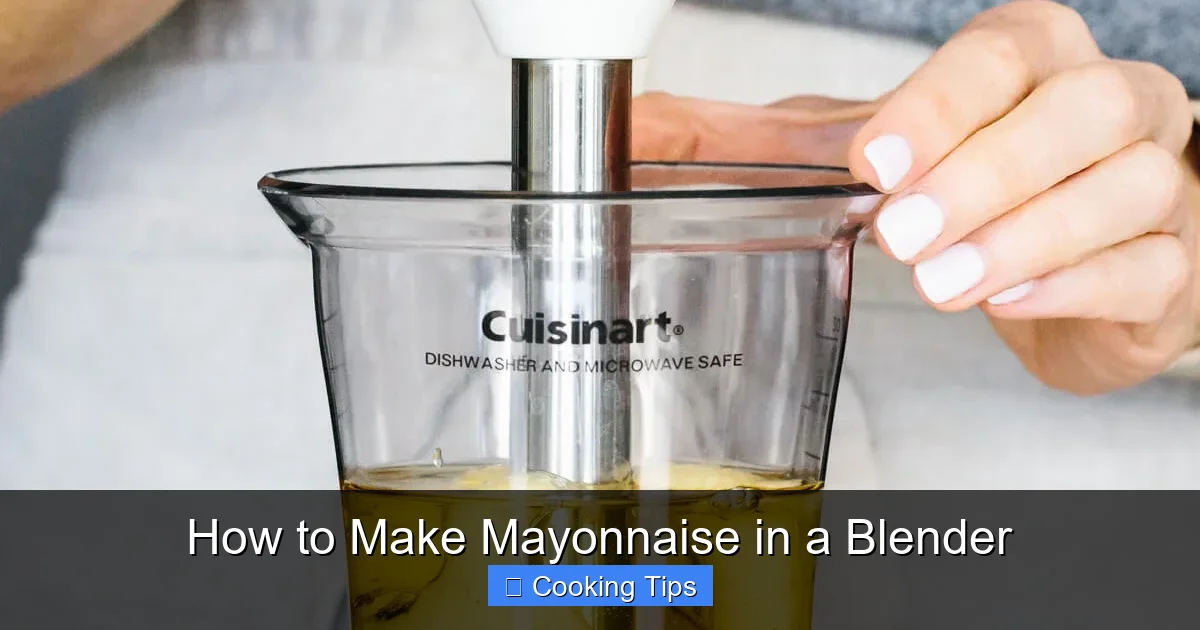
Ensure your blender is clean and completely dry. Any residual water can interfere with the emulsion. If you’re using a smaller blender or immersion blender, make sure the head is submerged properly to create the vortex needed for emulsification. For standard blenders, a tall, narrow container works best.
Step-by-Step Blender Mayonnaise
Now that you have your ingredients and blender ready, let’s get blending!
Step 1: Combine the Base Ingredients
H3: Add Yolks, Mustard, and Acid
In the blender container, add the egg yolk, Dijon mustard, lemon juice (or vinegar), and salt.
This forms the flavor base and the emulsifying agent for your mayonnaise.
Visual guide about How to Make Mayonnaise in a Blender
Image source: forksandfoliage.com
Visual guide about How to Make Mayonnaise in a Blender
Image source: blenderchauffant.net
Visual guide about How to Make Mayonnaise in a Blender
Image source: img.cuisineaz.com
Step 2: Start Blending the Base
H3: Initial Blend
Put the lid on your blender and process these ingredients for about 30 seconds to a minute. You want them to be well combined and slightly frothy. This ensures everything is thoroughly mixed before you start adding the oil.
Step 3: The Crucial Oil Addition
This is where the magic happens, and it’s important to do it correctly.
H3: Drizzle the Oil Slowly
With the blender running on a low to medium speed, begin to *very slowly* drizzle in your neutral oil. This is the most critical step in creating a stable mayonnaise. Think of it as a thin, steady stream, almost like a trickle.
The blender needs time to incorporate the oil into the egg mixture. If you add the oil too quickly, the emulsion will break, and you’ll end up with a greasy, separated mess.
Continue to drizzle the oil in a thin, continuous stream. You’ll notice the mixture in the blender starting to thicken and turn creamy. Keep the blender running throughout this entire process.
Step 4: Observe the Thickening
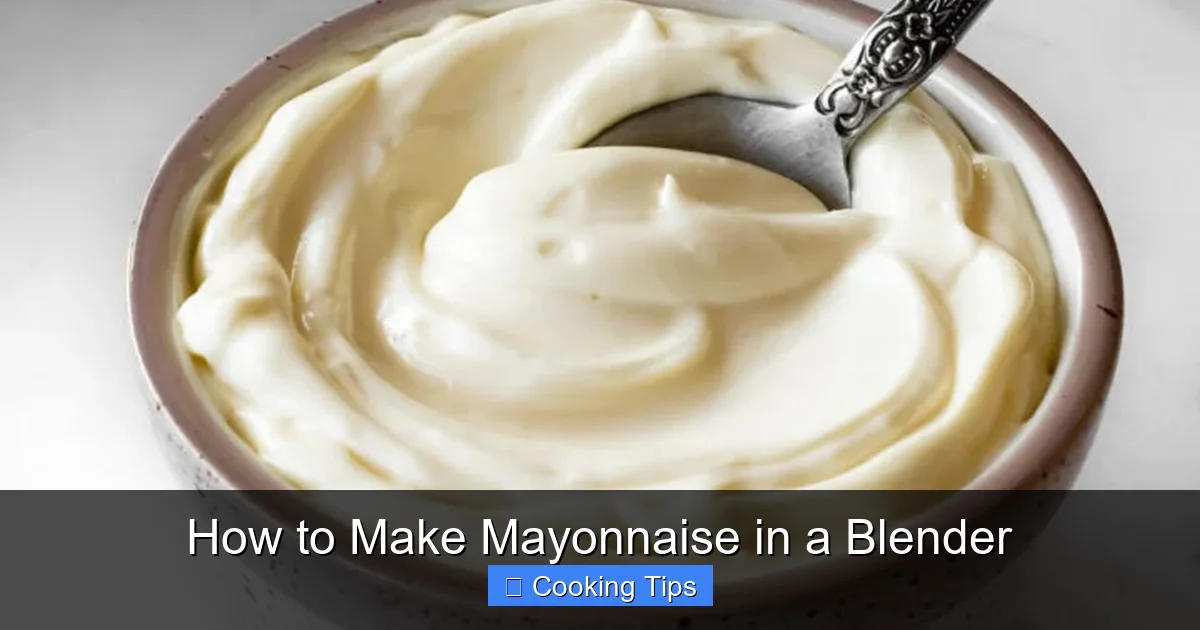
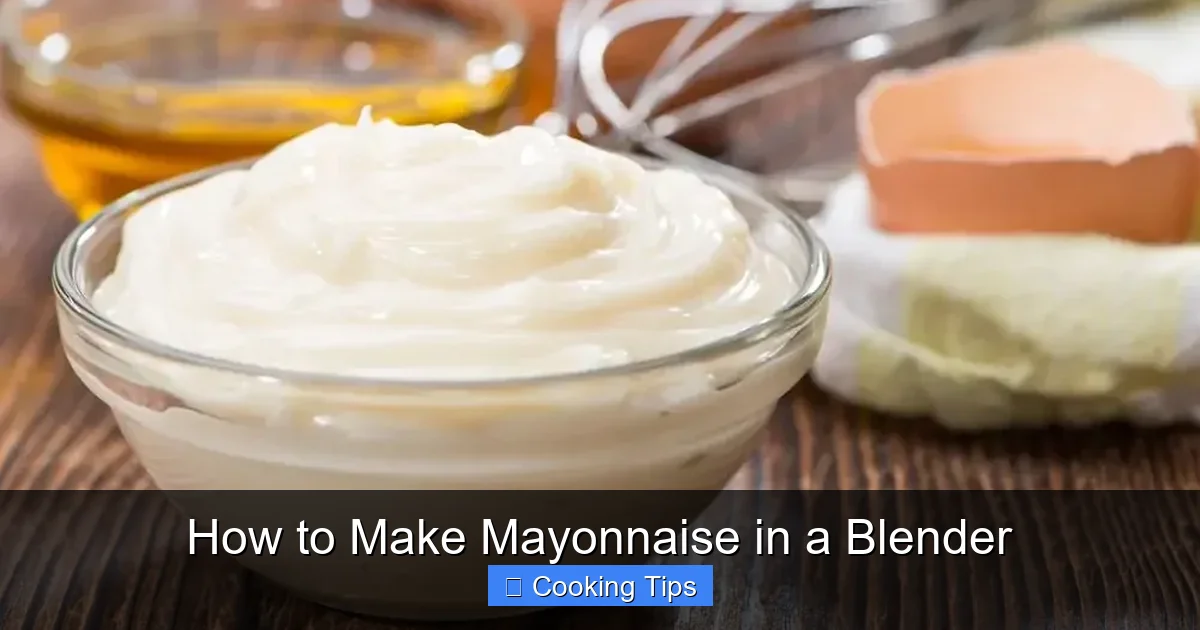
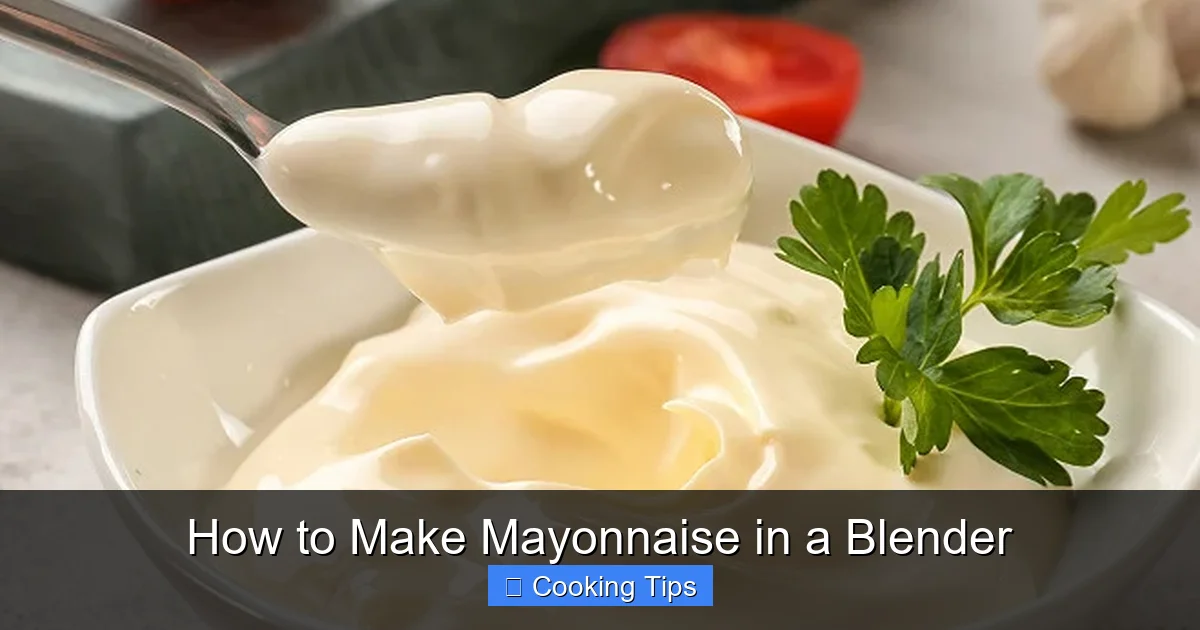
As you continue to drizzle in the oil, you will see the mayonnaise transforming. It will go from a thin liquid to a thick, creamy emulsion.
H3: Watch for Consistency
Keep blending and drizzling until you’ve added all the oil and the mayonnaise has reached your desired thickness. Most of the oil should be incorporated. If it seems too thick, you can add a tiny bit more lemon juice or a tablespoon of water to thin it slightly, but do so very gradually.
Step 5: Final Adjustments and Taste
Once all the oil is incorporated and your mayonnaise is thick and creamy, stop the blender.
H3: Taste and Season
Taste your homemade mayonnaise and adjust the seasoning if needed. You might want to add a little more salt, a touch more lemon juice for tanginess, or even a pinch of black pepper. Blend briefly to incorporate any additions.
Step 6: Transfer and Store
Your delicious homemade mayonnaise is ready!
H3: Store in an Airtight Container
Carefully transfer the mayonnaise to a clean, airtight container. Store it in the refrigerator.
Because this mayonnaise doesn’t contain preservatives, it’s best consumed within 4-7 days. Always use clean utensils when serving to keep it fresh.
Practical Tips for Blender Mayonnaise Success
Here are some extra tips to ensure your blender mayonnaise is a triumph:
- Room Temperature is King: We can’t stress this enough. Ensure your egg, lemon juice, and mustard are all at room temperature. You can do this by leaving them out for about 30 minutes before you start.
- Slow and Steady Wins the Race: The drizzle of oil must be slow and consistent. Patience here is rewarded with perfect mayonnaise.
- Use the Right Blender: While most blenders can work, a smaller, personal blender or an immersion blender often provides more control and a better vortex for emulsification. If using a large blender, a tall, narrow container is ideal.
- Neutral Oil is Your Friend: For a classic mayonnaise flavor, stick with neutral oils like canola, grapeseed, or sunflower. If you love olive oil flavor, use a light olive oil, or a mix of neutral oil and olive oil.
- Don’t Over-Blend: Once the mayonnaise is thick and emulsified, stop blending. Over-blending can sometimes break the emulsion.
- Cleanliness Counts: Always use clean equipment and containers. This prevents spoilage and off-flavors.
Customizing Your Mayonnaise
The beauty of homemade mayonnaise is its versatility. Once you’ve mastered the basic recipe, the flavor possibilities are endless.
Here are some ideas for custom mayonnaise:
- Garlic Aioli: Add 1-2 cloves of minced fresh garlic or roasted garlic to the blender along with the egg yolk.
- Herb Mayonnaise: Blend in 2-3 tablespoons of finely chopped fresh herbs like parsley, chives, dill, or tarragon.
- Spicy Mayo: Add a pinch of cayenne pepper, a dash of hot sauce, or some sriracha to the blender.
- Smoked Paprika Mayo: Blend in ½ teaspoon of smoked paprika for a smoky, Spanish-inspired flavor.
- Lemon-Herb Mayo: Combine fresh lemon zest with your favorite herbs for a bright, zesty mayonnaise.
When adding extra ingredients, consider their moisture content. If you’re adding something wet, you might need to adjust the amount of lemon juice or vinegar slightly.
Troubleshooting Common Mayonnaise Problems
Even with the best intentions, sometimes things go awry. Don’t despair; most mayonnaise issues can be fixed.
My Mayonnaise is Thin or Runny
This usually means the emulsion didn’t form properly, or you added the oil too quickly.
The Fix: Take a clean bowl or your blender. Add a fresh egg yolk (room temperature) and 1 teaspoon of Dijon mustard. Whisk or blend them together. Then, very slowly, drizzle your broken mayonnaise mixture into the egg yolk mixture while continuously whisking or blending. This second emulsification should rescue your mayonnaise.
My Mayonnaise Broke (Separated)
This is a common issue, often caused by adding the oil too fast, using cold ingredients, or over-blending. You’ll see the oil and egg mixture separated, looking oily and unappetizing.
The Fix: Similar to the thin mayonnaise fix. Place a fresh egg yolk (room temperature) and a teaspoon of Dijon mustard in a clean bowl or your blender. Whisk or blend until combined. Then, start adding your broken mayonnaise *very slowly*, drop by drop at first, while whisking or blending constantly. Gradually increase the drizzle to a thin stream as the new emulsion forms.
My Mayonnaise Tastes Bland
This is a simple fix!
The Fix: Taste your mayonnaise and add more salt, lemon juice, or vinegar gradually, blending or whisking after each addition until you reach your desired flavor. A tiny pinch of sugar can also help balance out flavors.
Conclusion
Making mayonnaise in a blender is a rewarding culinary endeavor that yields a superior product to most store-bought options. It’s quick, easy, and allows for endless customization. By following these steps, paying attention to ingredient temperature, and drizzling the oil slowly, you’ll consistently create light, creamy, and delicious homemade mayonnaise. So, ditch the jar and embrace the joy of fresh, homemade condiments. Your sandwiches, salads, and dips will thank you! Happy blending!
