

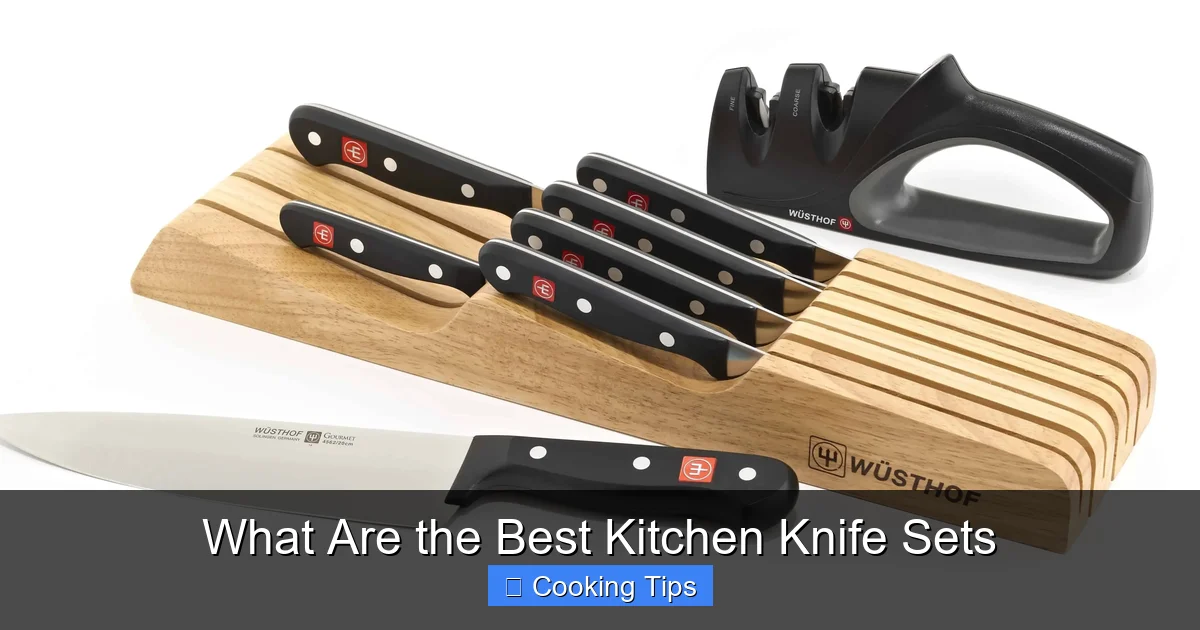
Finding the best kitchen knife sets is crucial for any home cook. This comprehensive guide will walk you through everything you need to know, from understanding knife types and materials to making informed purchasing decisions. We’ll cover essential set components, maintenance tips, and help you select a set that elevates your cooking experience for years to come.
What Are the Best Kitchen Knife Sets?
Welcome to your ultimate guide to finding the best kitchen knife sets! In 2026, the kitchen is more than just a place to prepare food; it’s a creative hub. And what’s a painter without their brushes? A chef without their knives! The right set of knives can transform your cooking experience, making prep work faster, safer, and more enjoyable. But with so many options out there, how do you choose? This guide will demystify the world of kitchen knives, helping you select a set that perfectly suits your needs, skill level, and budget.
- Understanding Knife Types is Key: Different knives serve specific purposes; a good set includes versatile blades like chef’s knives, paring knives, and serrated knives.
- Material Matters for Performance and Durability: High-carbon stainless steel is generally considered the gold standard for excellent sharpness, edge retention, and rust resistance.
- Tang Construction Affects Balance and Strength: A full tang (metal extending through the entire handle) provides superior balance, durability, and control compared to a partial tang.
- Handle Comfort and Ergonomics are Crucial: Choose a handle material and shape that feels comfortable and secure in your hand to prevent fatigue and improve safety during use.
- Consider Your Cooking Style and Needs: A beginner might need a basic set, while an experienced cook may opt for specialized knives or a more extensive collection.
- Maintenance is Essential for Longevity: Proper cleaning, drying, and regular sharpening will keep your knives performing at their best and extend their lifespan.
- Budget Wisely for Value, Not Just Price: Invest in a quality set that balances performance and durability with your budget, as a good set is a long-term kitchen investment.
Understanding the Anatomy of a Great Knife
Before we dive into sets, let’s get to know the parts of a knife. Understanding these components will help you evaluate the quality and suitability of any knife.
The Blade
This is where the magic happens. The blade is responsible for cutting. Its material, shape, and edge are critical.
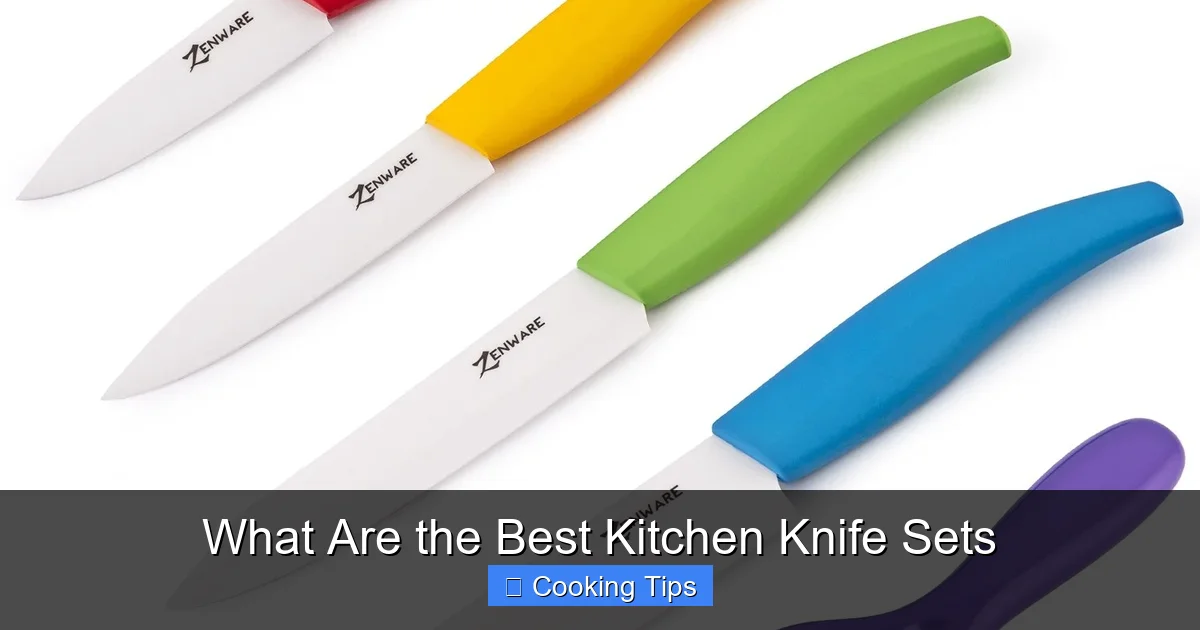
- Material: The most common and highly recommended material is high-carbon stainless steel. This blend offers excellent sharpness, good edge retention (meaning it stays sharp longer), and resistance to rust and staining. Some premium knives might use Damascus steel (a layered steel known for its beauty and strength) or ceramic (incredibly sharp but brittle).
- Edge: This is the sharpest part of the blade. It can be straight (plain edge) or serrated. Straight edges are versatile for most tasks, while serrated edges are best for cutting through tough exteriors with soft interiors, like bread or tomatoes.
The Tang
The tang is the part of the blade that extends into the handle. Its length and how it’s integrated into the handle are important for balance, durability, and stability.
- Full Tang: The metal of the blade extends all the way through the handle. This is the hallmark of a high-quality knife, offering excellent balance, strength, and durability. You can often see the metal running along the spine of the handle.
- Partial Tang: The metal only extends partway into the handle. These knives are generally less durable and can be less balanced than full-tang knives.
The Handle
The handle is your connection to the knife. It needs to be comfortable, secure, and durable.
- Material: Common materials include wood (can be beautiful but requires more care), plastic (durable and easy to clean), composite materials (like Pakkawood, a blend of wood and resin, which is very durable), and metal.
- Ergonomics: A good handle should fit your hand well, providing a secure grip without causing fatigue, even during extended use.
Essential Knives Every Kitchen Needs
A good knife set doesn’t necessarily mean a huge block full of knives. It means having the right knives for the job. Here are the core components you’ll typically find in a versatile set:
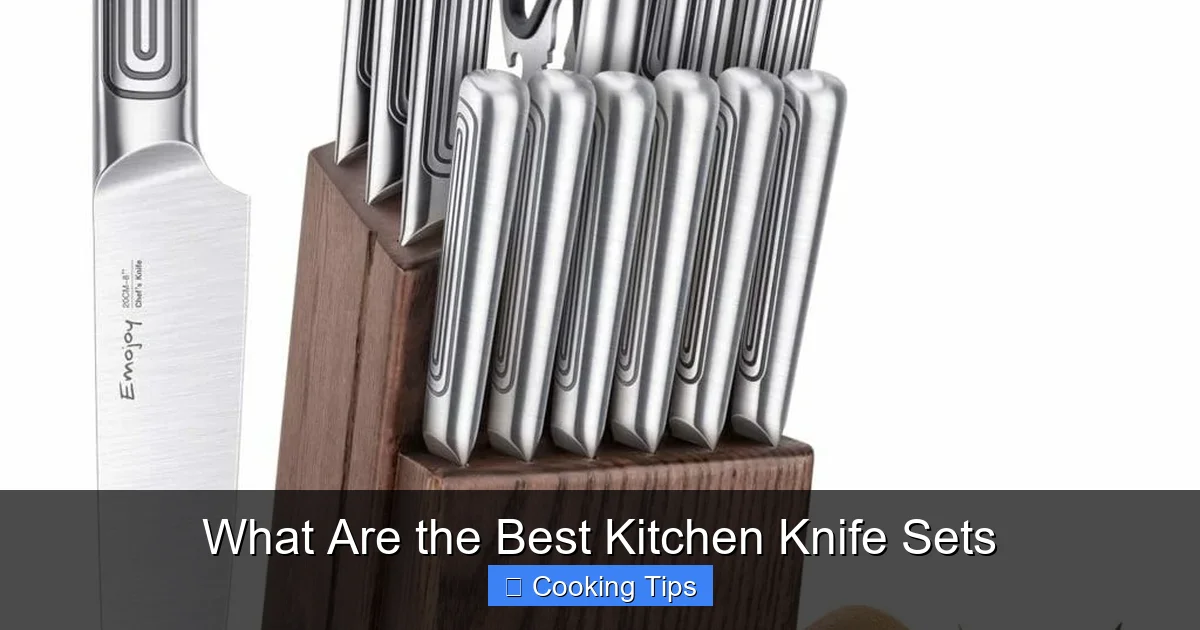
Visual guide about What Are the Best Kitchen Knife Sets
Image source: bestchoicereviews.org
The Chef’s Knife
This is arguably the most important knife in your collection. It’s your workhorse, perfect for chopping, slicing, mincing, and dicing a wide variety of ingredients. Look for one that feels comfortable in your hand, typically between 8 and 10 inches long.
The Paring Knife
Small and nimble, the paring knife is ideal for intricate tasks like peeling, trimming, and coring fruits and vegetables, or deveining shrimp. A 3- to 4-inch blade is standard.
The Serrated Knife (Bread Knife)
The long, saw-like edge of this knife is perfect for slicing through items with a hard crust and soft interior without crushing them. Think bread, but also ripe tomatoes or citrus fruits.
The Utility Knife
Positioned between a chef’s knife and a paring knife in size, a utility knife is great for smaller slicing tasks that are too big for a paring knife but too delicate for a chef’s knife. It’s excellent for slicing smaller fruits, vegetables, and sandwiches.
Many sets will also include other knives like a Santoku (a Japanese-style chef’s knife), a boning knife, or a slicing knife. Consider if these additions align with your cooking habits.
Choosing the Right Kitchen Knife Set: A Step-by-Step Approach
Now that you understand the basics, let’s get into how to select the best kitchen knife set for your home.
Visual guide about What Are the Best Kitchen Knife Sets
Image source: bhg.com
Step 1: Assess Your Cooking Habits and Needs
This is the most crucial first step. Be honest with yourself about how you cook.
- Beginner Cook: A basic set with a chef’s knife, paring knife, and serrated knife is likely sufficient. You can always add specialized knives later as your skills and needs evolve.
- Enthusiast Cook: You might benefit from a slightly larger set that includes a Santoku, a utility knife, or even a carving knife.
- Gourmet or Professional: You might be looking for individual high-performance knives rather than a pre-packaged set, or a very comprehensive set with specialized blades.
Think about the types of food you prepare most often. Do you bake a lot of bread? Do you carve roasts frequently? Do you spend a lot of time prepping vegetables?
Step 2: Determine Your Budget
Kitchen knife sets can range from under $50 to over $1,000. It’s essential to set a realistic budget. Remember, a higher price often reflects better materials, craftsmanship, and durability, but there are excellent value options at various price points.
- Entry-Level ($50-$150): Good for beginners or those on a tight budget. You’ll find decent quality stainless steel knives, but edge retention might be less impressive.
- Mid-Range ($150-$400): This is often the sweet spot for quality and value. You’ll find knives made from high-carbon stainless steel with full tang construction and comfortable handles.
- High-End ($400+): For serious cooks and professionals. These sets feature premium materials, exceptional craftsmanship, and often come with lifetime warranties.
Step 3: Prioritize Blade Material and Construction
As we discussed, high-carbon stainless steel is generally the best choice for most home cooks. Look for knives that are:
- Forged vs. Stamped: Forged knives are made from a single piece of steel heated and hammered into shape. This process generally results in a stronger, more durable, and better-balanced blade. Stamped knives are cut from a sheet of steel, making them typically lighter and less expensive. While good stamped knives exist, forged blades are often preferred for their superior quality.
- Full Tang: Always opt for full tang for better balance and durability.
Step 4: Consider Handle Comfort and Grip
A knife that feels good in your hand is a safe and effective knife. If possible, try to hold the knives before buying.
- Material: Consider how easy the handle is to grip when wet. Materials like composite or resin-infused wood offer good grip and durability.
- Shape: Does the handle fit the contours of your hand? Is it too thick or too thin?
Step 5: Evaluate the Set’s Components and Storage
Does the set include the knives you’ll actually use? Avoid sets with too many specialty knives you’ll never reach for.
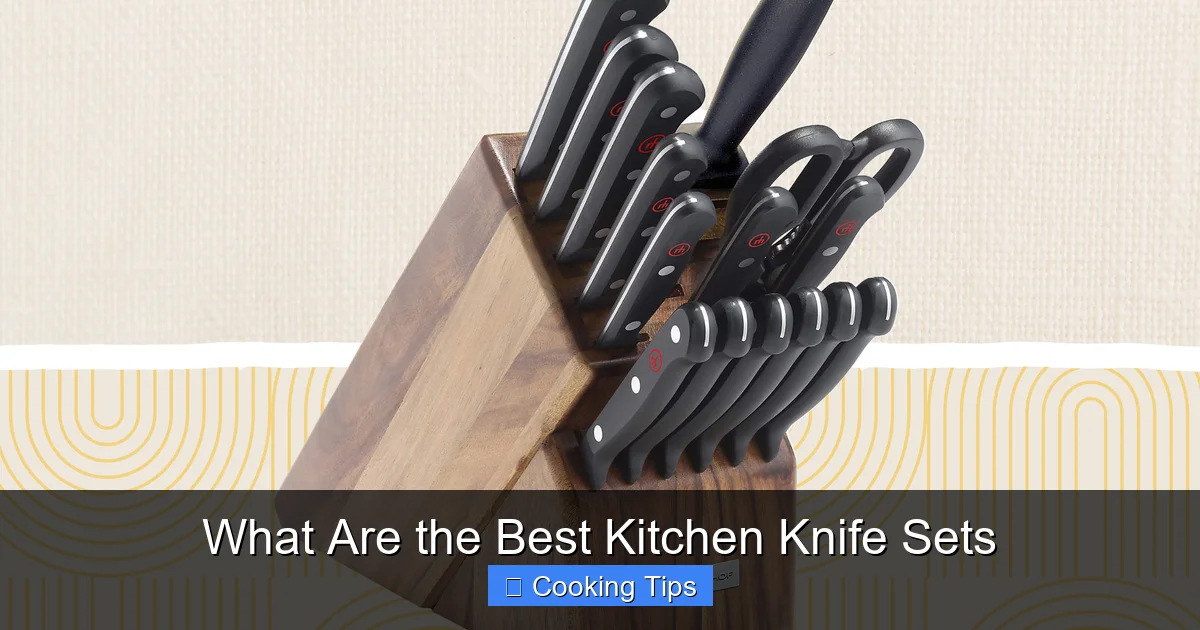
- Knife Block: Most sets come with a wooden knife block. Ensure it’s stable and has enough slots for your current and potential future knives. Some blocks are designed to sit horizontally to protect the blades better.
- Other Storage: Some sets might offer magnetic strips or in-drawer organizers.
Step 6: Read Reviews and Research Brands
Once you’ve narrowed down your options, dive into online reviews. Look for patterns in feedback regarding sharpness, durability, and customer service. Established brands often have a reputation for quality and reliability.
Top Kitchen Knife Set Recommendations for 2026 (Based on Trends)
While specific models change, certain brands and types of sets consistently offer excellent value and performance in 2026. Here’s what to look for:
Visual guide about What Are the Best Kitchen Knife Sets
Image source: topvaluereviews.net
- Wüsthof: A German brand known for its durable, high-performance forged knives. Their Classic and Grand Prix lines are popular mid-range to high-end options.
- Zwilling J.A. Henckels: Another reputable German manufacturer offering a range of quality knives from their Pro line to more budget-friendly options.
- Shun: A Japanese brand celebrated for its exquisite Damascus steel blades and razor-sharp edges. Shun knives are often considered an investment in artistry and performance.
- Global: Known for their distinctive, all-metal design, Global knives are lightweight, incredibly sharp, and easy to clean. They are a favorite among many professional chefs.
- Victorinox: This Swiss brand is renowned for its exceptional value, offering durable and sharp knives at very accessible price points. Their Fibrox line is a fantastic entry-level option.
When looking at specific sets, prioritize those with fewer, more essential knives made from quality materials over larger sets filled with less useful blades.
Maintaining Your Kitchen Knives for Longevity
The best kitchen knife set is only as good as its maintenance. Proper care will ensure your knives stay sharp, safe, and beautiful for years to come.
Cleaning
Hand wash all your knives immediately after use with warm, soapy water. Avoid harsh detergents or abrasive scrubbers. Never put your knives in the dishwasher! The high heat, aggressive detergents, and jostling can dull the blades, damage the handles, and even cause them to chip or rust.
Drying
After washing, dry your knives thoroughly with a soft cloth. This is crucial to prevent water spots and rust, especially for carbon steel blades.
Sharpening
Sharp knives are safer knives because they require less force to cut, reducing the risk of slippage. Hone your knives regularly (weekly or bi-weekly) with a honing steel to realign the blade’s edge. Sharpen them with a whetstone or electric sharpener when they start to feel dull (typically every few months, depending on usage).
Storage
Store your knives properly to protect their edges and prevent accidents. Use a knife block, a magnetic strip, or in-drawer knife guards. Avoid simply tossing them into a drawer where they can bang against other utensils.
Troubleshooting Common Knife Issues
Even the best knives can encounter minor problems. Here’s how to address them.
My knives aren’t sharp anymore.
This is usually due to dulling from use, improper washing, or lack of honing. Refer to the sharpening section above. Regularly honing will extend the time between sharpenings.
My knives are showing signs of rust.
This is most common with carbon steel or improperly cared-for stainless steel. For minor rust spots, a paste of baking soda and water, or a specialized rust remover for knives, can often work. Ensure thorough drying and consider oiling carbon steel blades lightly after drying.
The handle feels loose.
If you have a full-tang knife, this is rare. It might indicate a manufacturing defect or damage. For wooden handles, they might need tightening or re-sealing. If the issue is significant, contact the manufacturer, especially if it’s under warranty.
Conclusion: Investing in Your Culinary Journey
Choosing the best kitchen knife set is an investment in your culinary journey. By understanding the components, considering your needs, and prioritizing quality materials and construction, you can select a set that will serve you faithfully for years. Remember that proper maintenance is key to unlocking the full potential of your knives. Whether you’re a beginner just starting your cooking adventures or a seasoned home chef looking to upgrade, the right set of knives will undoubtedly make your time in the kitchen more efficient, enjoyable, and ultimately, more delicious.
