

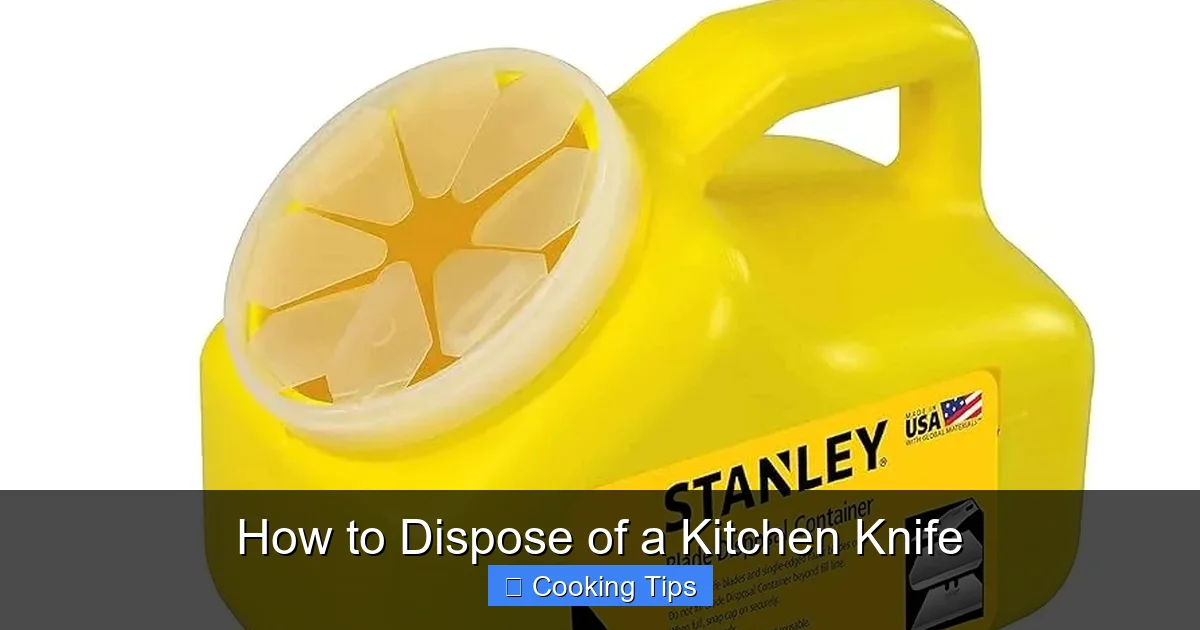
Discover the safest ways to dispose of a kitchen knife in 2026. This guide provides clear, step-by-step instructions on how to prepare your knife for disposal, ensuring the safety of yourself and waste handlers. Learn about proper packaging, labeling, and alternative disposal options, making it a stress-free process.
Are you wondering what to do with that old, dull, or even broken kitchen knife? Perhaps you’ve upgraded your cutlery and your trusty old chef’s knife is ready for retirement. Whatever the reason, safely and responsibly disposing of a kitchen knife is more important than you might think. In 2026, with increasing awareness of waste management and safety protocols, understanding the right way to say goodbye to your kitchen blades is essential for everyone’s well-being. This comprehensive guide will walk you through everything you need to know, from simple wrapping techniques to understanding local regulations.
We’ll cover the safest methods to prepare your kitchen knife for disposal, ensuring that neither you nor the people who handle your waste are put at risk. We’ll explore practical tips, consider different scenarios like broken blades, and touch upon alternatives for knives that might still have some life left in them. Let’s get started on making sure your old kitchen knife is disposed of properly and without incident.
Key Takeaways
- Understand the Risks: A sharp kitchen knife, even if unwanted, poses a significant safety hazard to anyone handling it. Proper disposal is crucial to prevent injuries.
- Prioritize Safe Packaging: Always wrap the knife securely to cover the blade and prevent accidental cuts during transit and disposal.
- Clear Labeling is Essential: Label the package clearly as containing a “Sharp Object” or “Knife” to alert waste handlers to the potential danger.
- Choose the Right Disposal Method: Follow local regulations, which typically involve placing wrapped knives in regular trash, but some areas may have specific drop-off points or requirements.
- Consider Donation or Recycling for Usable Knives: If the knife is still in good condition, explore options like donating to charity or checking for specialized knife recycling programs.
- Handle Damaged Knives with Extra Care: Knives with broken blades or loose handles require even more robust packaging and careful handling to avoid further injury.
- Be Aware of Local Ordinances: Disposal rules can vary significantly by municipality. Always check your local waste management guidelines.
Why Proper Disposal Matters
It might seem straightforward – just toss it in the bin, right? Not quite. A kitchen knife, even one that’s seen better days, can be a dangerous object. Sharp blades can easily cut through trash bags, posing a serious risk of injury to sanitation workers, waste management employees, and even members of your own household if the trash isn’t handled with extreme care. In 2026, safety is paramount, and this extends to every aspect of our lives, including how we dispose of everyday items.
Think about it: these knives are designed to cut through food, and they can do the same to skin and flesh if mishandled. A dull knife might seem less threatening, but it can still have sharp edges, and the act of trying to cut something with a dull blade can lead to slips and accidents. A broken knife, with jagged edges or loose parts, can be even more unpredictable and dangerous. Therefore, taking a few extra moments to dispose of a kitchen knife correctly is a small effort with a significant impact on safety.
Step-by-Step Guide to Disposing of a Kitchen Knife
Disposing of a kitchen knife is a simple process when you follow these clear steps. The goal is to make the knife as harmless as possible before it leaves your kitchen.
Step 1: Assess the Knife’s Condition
Before you do anything else, take a moment to look at the kitchen knife you intend to dispose of.
Is the Blade Intact?
If the blade is in one piece, even if it’s dull or chipped, the primary concern is its sharpness. You’ll need to protect that edge.
Visual guide about How to Dispose of a Kitchen Knife
Image source: cdn.mos.cms.futurecdn.net
Is the Blade Broken or Jagged?
A broken blade presents a more immediate hazard. Jagged edges can be sharp and unpredictable. This will require extra reinforcement in your packaging.
Is the Handle Loose?
A wobbly handle can make the knife difficult and dangerous to hold, even when you’re trying to wrap it. Ensure the handle is as stable as possible or take extra precautions.
Step 2: Secure the Blade
This is the most critical step. You need to create a barrier around the sharp part of the knife. There are several effective ways to do this.
Method A: Cardboard and Tape
This is a widely recommended and effective method. You’ll need a piece of sturdy cardboard, slightly larger than the knife blade. You’ll also need strong tape, like packing tape or duct tape.
Sub-step 2.1: Cut the Cardboard
Lay the knife on the cardboard and trace the shape of the blade. Then, cut out two identical shapes from the cardboard. Alternatively, you can cut a single piece of cardboard and fold it over the blade.
Sub-step 2.2: Position the Cardboard
Place one cardboard cutout on top of the blade, aligning it as closely as possible. If you’re using a single folded piece, place the blade in the center and fold the cardboard over it.
Sub-step 2.3: Secure with Tape
Use your tape to firmly secure the cardboard to the blade. Ensure there are no gaps where the blade’s edge or tip can protrude. Wrap the tape generously around the cardboard and the knife. If you used two pieces of cardboard, tape them together securely around the blade. Make sure the tape covers the entire length of the blade and extends slightly onto the handle for extra stability.
Method B: Thick Paper or Multiple Layers of Newspaper
For less sharp or very dull knives, you can use thick paper like brown paper bags or several layers of newspaper. This method is less robust than cardboard but can be sufficient for duller blades.
Sub-step 2.1: Fold and Wrap
Tear off a generous amount of newspaper or paper bag material. Fold it several times to create a thick, protective layer. Lay the knife on the folded paper and wrap the paper tightly around the blade, tucking in any loose ends.
Sub-step 2.2: Secure with Tape
Once the blade is completely covered and feels protected, use tape to secure the paper wrapping. Ensure the entire blade is enclosed and the paper won’t unravel easily.
Method C: Plastic Sheeting or Bubble Wrap (for less sharp knives)
If the knife is very dull or you’re primarily concerned about it scratching other items, a few layers of plastic sheeting or bubble wrap can offer some protection. However, this is generally not recommended as the primary method for sharp knives due to its lack of puncture resistance.
Sub-step 2.1: Wrap Generously
Wrap the blade multiple times, ensuring there are no exposed sharp edges.
Sub-step 2.2: Reinforce with Tape
Use tape to hold the wrapping in place and add a layer of protection. For sharper knives, this should be used *in addition* to cardboard or a thicker material.
Step 3: Secure the Handle (Optional but Recommended)
If the handle is loose or might snag on something, consider securing it as well.
Wrap the Handle
You can use a bit of tape or an extra piece of paper to wrap around the handle, ensuring it’s less likely to cause issues during disposal.
Step 4: Place in a Sturdy Bag or Container
Once the blade is securely wrapped, it’s time to put it in something that will contain it and prevent any accidental punctures.
Use a Thick Plastic Bag
A sturdy garbage bag or a heavy-duty plastic bag is a good option. Avoid thin, flimsy grocery bags.
Consider a Cardboard Box
For extra safety, especially with broken knives, placing the wrapped knife inside a small, sturdy cardboard box can provide an additional layer of protection. You can then place this box into your regular trash bag.
Step 5: Label the Package Clearly
This is a crucial step that often gets overlooked. Proper labeling ensures that anyone handling the trash is aware of the potential hazard inside.
What to Write
Use a permanent marker to clearly write “SHARP OBJECT,” “KNIFE,” or “DANGER: SHARP BLADE” on the outside of the bag or box. Make the writing large and visible.
Where to Label
Label the most prominent side of the bag or box so it’s immediately visible when the trash is moved or sorted.
Step 6: Dispose of the Knife
Now that your kitchen knife is safely packaged and labeled, you can dispose of it.
Regular Trash Disposal
In most municipalities in 2026, the safest and most common method for disposing of unwanted kitchen knives is to place them in your regular household trash. Ensure the bag is tied securely and placed in your trash bin.
Check Local Regulations
While regular trash is the norm, it’s always a good idea to confirm with your local waste management authority. Some areas might have specific guidelines or designated drop-off points for sharp objects. A quick search on your city or county’s website for “waste disposal sharp objects” or “knife disposal” should provide the necessary information.
Special Considerations
Sometimes, the situation with your kitchen knife isn’t standard. Here’s how to handle those scenarios.
Disposing of a Broken Kitchen Knife
A broken kitchen knife, especially one with a jagged or snapped blade, requires extra attention.
Reinforce Packaging
Use the cardboard method described earlier, but ensure you use multiple layers of thick cardboard and very strong tape. If the break is severe, consider placing the wrapped knife inside a small, rigid box before putting it in a trash bag.
Visual guide about How to Dispose of a Kitchen Knife
Image source: cdn.mos.cms.futurecdn.net
Handle with Extreme Caution
When handling a broken knife, wear thick gloves if possible to avoid cuts. Be mindful of where you place it and avoid touching the broken edges directly.
Disposing of a Very Rusty or Unusable Knife
If your knife is beyond repair due to rust or damage, the primary concern is still safely containing the blade. The methods described above still apply. You are not trying to preserve it; you are trying to make it safe for disposal.
What About Knives with Non-Metallic Blades?
While most kitchen knives are metallic, some may have ceramic or other composite blades. These can be brittle and still sharp. The same principles of wrapping and labeling apply. Cardboard and tape are still excellent choices for containing the sharp edges.
Alternatives to Trashing Your Kitchen Knife
Before you resort to tossing your kitchen knife, consider if there are other options.
Donation
If the knife is still in good, usable condition, consider donating it.
Charitable Organizations
Many local charities, homeless shelters, or community organizations may accept donations of kitchenware, including knives. Always call ahead to confirm their policies on accepting knives.

Visual guide about How to Dispose of a Kitchen Knife
Image source: cdn.mos.cms.futurecdn.net
Friends or Family
Perhaps a friend or family member needs a spare kitchen knife. Offering it to someone you know is a great way to give it a new life.
Reselling
If you have a high-quality or branded knife that you no longer need, you might be able to sell it online through auction sites or platforms that specialize in kitchenware. Be sure to clearly state its condition and follow the platform’s guidelines for listing.
Recycling
While traditional curbside recycling programs typically do not accept knives (they are considered a hazard and often made of mixed materials), some specialized metal recycling facilities might.
Check Local Recycling Centers
Contact your local metal recycling center to see if they accept knives. If they do, they may have specific instructions on how to prepare and drop them off.
Troubleshooting Common Issues
* Problem: Tape won’t stick well to the blade.
* Solution: Ensure the blade is clean and dry before applying tape. You might need to use a stronger type of tape, like duct tape, or use multiple layers.
* Problem: The cardboard wrapping feels flimsy.
* Solution: Use thicker cardboard, like from a shipping box, and fold it multiple times. Ensure the blade is fully enclosed and tape the edges securely.
* Problem: I can’t find any sturdy cardboard.
* Solution: Look for old packaging, delivery boxes, or even thick magazines. If absolutely necessary, you can use many layers of newspaper or paper bags, but reinforce this heavily with tape.
* Problem: I’m worried about the tip of the knife.
* Solution: When using the cardboard method, make sure to extend the cardboard and tape past the tip. For extra security, you can fold a small piece of cardboard into a point and tape it over the very tip before wrapping the rest of the blade.
Conclusion
Disposing of a kitchen knife in 2026 doesn’t have to be a chore or a safety concern. By following these simple, actionable steps, you can ensure that your old blades are handled with the care and respect they deserve, preventing potential harm to others. Remember to always prioritize safety by securely wrapping the blade, clearly labeling your package, and checking your local disposal guidelines. Whether it’s a dull utility knife or a beloved chef’s knife ready for retirement, a little bit of effort goes a long way. By adopting these practices, you contribute to a safer environment for everyone involved in the waste disposal chain. So, the next time you need to dispose of a kitchen knife, you’ll know exactly how to do it with confidence and responsibility.
