

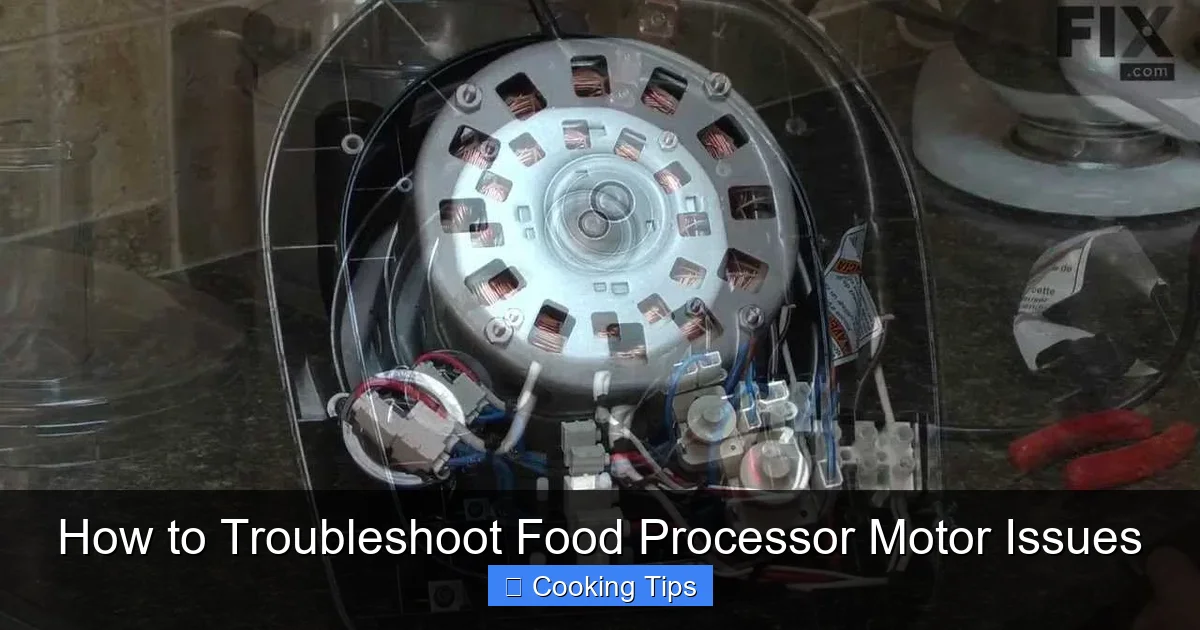
Experiencing problems with your food processor’s motor? This guide offers a step-by-step approach to diagnose and fix common motor issues. We’ll cover everything from simple checks to more involved troubleshooting, helping you get your food processor back in working order. With practical tips and clear instructions, you’ll be equipped to handle many common food processor motor problems, saving you time and money.
Your food processor is a kitchen workhorse, capable of chopping, pureeing, blending, and more. But what happens when its motor starts acting up? A silent motor or one that sputters and stops can be incredibly frustrating. Fortunately, many food processor motor issues are fixable with a little troubleshooting. This comprehensive guide will walk you through diagnosing and resolving common problems so you can get back to creating culinary masterpieces.
We’ll start with the basics and move towards more complex solutions. Understanding how your food processor works and what might be causing the motor trouble is key. Let’s dive in and get your appliance humming again!
Key Takeaways
- Power and Connections are Crucial: Always begin by checking the power source, outlet, and cord for any visible damage or loose connections.
- Assembly Matters: Ensure all parts, especially the bowl and lid, are correctly locked into place as most food processors have safety interlocks.
- Overheating is a Common Culprit: If the motor suddenly stops, it might have overheated. Allow it to cool down completely before trying again.
- Listen for Unusual Sounds: Strange noises like grinding or buzzing can indicate mechanical issues within the motor or its components.
- Simple Reset Might Work: Sometimes, a simple unplug-and-replug cycle or checking the reset button can resolve temporary glitches.
- When to Seek Professional Help: Recognize when a problem is beyond DIY and requires a qualified technician for repair.
Understanding Your Food Processor Motor
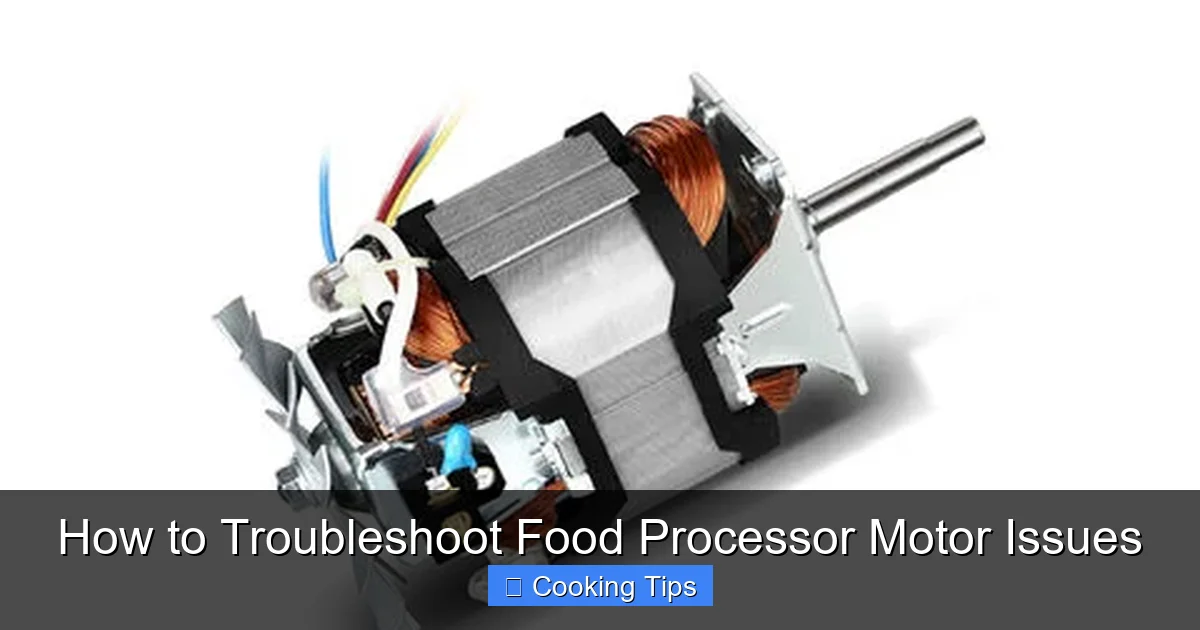
Before we start troubleshooting, it’s helpful to understand the basics of how your food processor’s motor functions. The motor is the heart of your appliance. It’s typically an electric motor located in the base of the food processor. When you turn it on, it drives a shaft that connects to the blades or attachments. Safety features are built into most modern food processors to prevent the motor from running if the bowl or lid isn’t properly secured.
Step 1: Basic Checks – The First Line of Defense
Most food processor motor problems are surprisingly simple to fix. Before you panic, let’s go through these fundamental checks. They’re often overlooked but are incredibly effective.
Visual guide about How to Troubleshoot Food Processor Motor Issues
Image source: p.globalsources.com
Check the Power Source
This might seem obvious, but it’s the most common reason for a non-functioning appliance. Is the food processor plugged in? Is the outlet working? Try plugging in another small appliance, like a toaster or a lamp, into the same outlet to confirm it has power. If the outlet is dead, check your home’s circuit breaker box to see if a breaker has tripped.
Inspect the Power Cord
Carefully examine the entire length of the power cord. Look for any signs of damage, such as cuts, nicks, fraying, or melted spots. A damaged cord is a safety hazard and can prevent the motor from receiving power. If you find any damage, do not use the food processor and consider replacing the cord if possible, or the appliance altogether if it’s not feasible or safe to repair.
Ensure Proper Assembly
Modern food processors have safety interlocks. This means the motor will not engage unless all components are correctly assembled and locked in place.
- Bowl and Lid: Make sure the processing bowl is securely seated on the base.
- Lid Lock: Ensure the lid is firmly attached and the locking mechanism is engaged. Many food processors have a small switch or tab that needs to be depressed by the lid for the motor to operate.
- Feed Tube: Check that the feed tube is properly in place, as some models won’t run without it.
Refer to your food processor’s user manual for specific assembly instructions and safety interlock locations for your model.
Step 2: Addressing Overheating
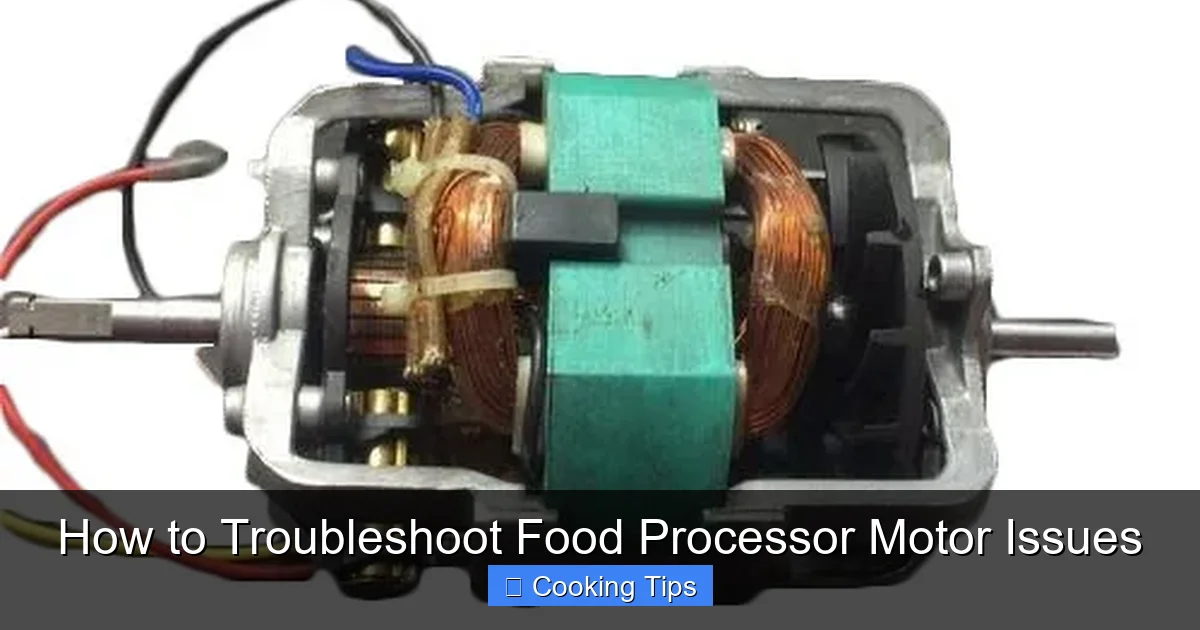
Food processor motors can overheat, especially during demanding tasks or extended use. This is a built-in safety feature to prevent damage.
Visual guide about How to Troubleshoot Food Processor Motor Issues
Image source: 4.imimg.com
Recognize the Signs of Overheating
If your food processor suddenly stops working, especially after a few minutes of continuous use, overheating is a strong possibility. You might also notice a burning smell, although this isn’t always present. The motor might feel warm to the touch.
Allow for Cooling
The simplest solution is to unplug the food processor and let it cool down completely. This can take anywhere from 15 to 30 minutes, or even longer, depending on how hot it got. Once it’s cool, try operating it again. If it works, great! If it stops again shortly after, you might be pushing its limits or there could be an underlying issue.
Preventative Measures for Overheating
- Don’t Overload: Avoid filling the bowl beyond the maximum fill line.
- Process in Batches: For large quantities, process the food in smaller batches.
- Give it Breaks: If you’re doing a long processing session, give the motor a short break every few minutes.
- Check Blade Rotation: Ensure the blades are rotating freely. If they are clogged or obstructed, the motor will work harder and can overheat.
Step 3: Investigating Unusual Sounds
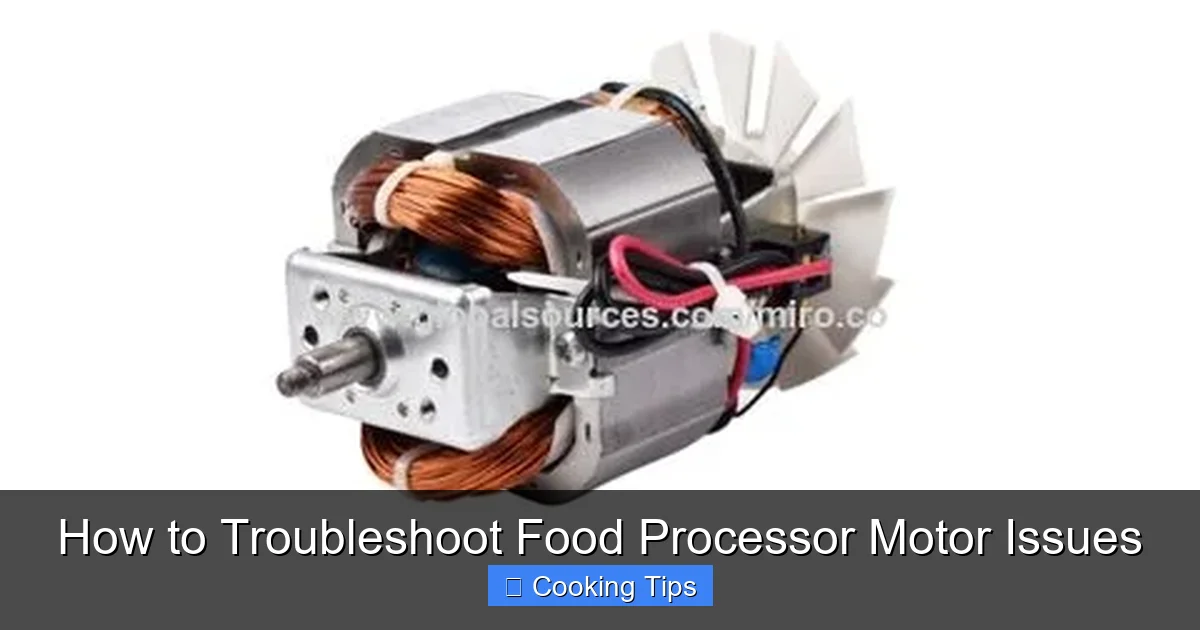
A food processor motor should run relatively smoothly. If you hear strange noises, it’s a sign something isn’t right.
Visual guide about How to Troubleshoot Food Processor Motor Issues
Image source: p.globalsources.com
Grinding or Scraping Sounds
These sounds often indicate that something is physically obstructing the motor’s rotation or that internal components are worn or damaged.
- Check for Obstructions: Ensure no food debris is stuck between the motor shaft and the bowl or base.
- Blade Assembly: Make sure the blade assembly is properly seated and not hitting the sides of the bowl.
- Worn Parts: In some cases, this could point to worn-out gears or bearings within the motor unit, which might require professional repair.
Buzzing Sounds
A loud buzzing noise, especially without any rotation, can sometimes indicate that the motor is receiving power but is unable to turn.
- Stuck Motor: The motor might be temporarily stuck. Try gently wiggling the blade assembly or the bowl to see if it dislodges anything.
- Electrical Issue: It could also point to an internal electrical fault within the motor itself.
Humming Sounds (When Nothing Happens)
If you hear a humming sound but the blades aren’t turning, it’s similar to a buzzing sound. This means power is reaching the motor, but it’s not engaging the drive mechanism.
- Interlock Switch: Double-check the safety interlock switches. A faulty switch might engage partially, allowing power to reach the motor but not allowing it to spin.
- Motor Coupling: The coupling that connects the motor to the blade drive might be damaged or dislodged.
Step 4: The Reset Button and Other Quick Fixes
Some food processors have a built-in reset button, usually located on the underside of the base. This button can sometimes resolve minor electrical glitches.
Locate and Press the Reset Button
Unplug your food processor. Turn it over and look for a small button, often recessed. Use a pen tip or a similar pointed object to press it. Then, plug the appliance back in and try to operate it.
The Unplug-Replug Cycle
Sometimes, a simple power cycle can reset the internal electronics of the food processor.
- Unplug the food processor.
- Wait for about 60 seconds.
- Plug it back in.
- Attempt to use it again.
Step 5: Troubleshooting Specific Motor Problems
Here are some specific scenarios and how to approach them.
Motor Runs, But Blades Don’t Spin
This is a common issue and usually points to a problem with the drive mechanism between the motor and the blades.
- Motor Coupling: Most food processors have a plastic or rubber coupling at the top of the motor shaft that engages with the blade assembly. This coupling can wear out or break. Check if it’s intact and properly seated. If it’s damaged, it will need to be replaced.
- Drive Shaft: The drive shaft itself could be misaligned or damaged.
- Blade Assembly: Ensure the blade assembly is correctly inserted and fully engaged with the drive shaft. Sometimes, it might not click into place properly.
Motor Smells Burnt
A burnt smell coming from the motor is a serious indicator of potential damage.
- Immediate Action: Unplug the appliance immediately. Do not attempt to use it again.
- Internal Damage: This smell usually signifies that the motor’s internal windings have overheated and possibly burned out.
- Professional Assessment: In most cases, a burnt motor requires professional repair or replacement of the food processor. The cost of repairing a burnt motor often outweighs the cost of a new appliance.
Motor is Weak or Slow
If your food processor seems to be struggling, even with light tasks, it might have a weakened motor or an issue with power delivery.
- Overheating History: Has the motor overheated frequently? This can weaken it over time.
- Voltage Issues: While less common, inconsistent voltage from your home’s power supply could affect performance.
- Internal Wear: Internal components of the motor might be worn, reducing its power output.
- Food Processor Age: Older food processors might naturally lose some of their power over time.
If the weakness is significant, it might be time to consider repair or replacement. If it’s a minor decrease in power, ensure you’re not overloading the machine and that all parts are clean and moving freely.
Step 6: When to Call a Professional
While many food processor motor issues are DIY-friendly, some problems are best left to the experts.
Signs You Need Professional Help
- Persistent Smells: If you continue to smell burning, even after cooling.
- Loud, Unexplained Noises: Persistent grinding, rattling, or clunking sounds.
- Visible Damage: If you see smoke, sparks, or physical damage to the motor housing.
- Intermittent Functionality: If the motor works sometimes but not others, and basic troubleshooting hasn’t helped.
- Lack of Confidence: If you’re uncomfortable performing any of the diagnostic steps.
Finding a Repair Service
Contact the manufacturer of your food processor. They may offer repair services or recommend authorized service centers. You can also look for local appliance repair shops. Be sure to get an estimate before authorizing any work.
Maintenance Tips to Prevent Future Issues
Preventing motor problems is easier than fixing them. Regular maintenance can extend the life of your food processor.
- Clean Regularly: After each use, disassemble your food processor and wash all parts thoroughly. Ensure no food particles are left behind, especially near the motor shaft or base.
- Dry Completely: Make sure all parts are completely dry before reassembling to prevent rust or corrosion.
- Store Properly: Store your food processor in a clean, dry place.
- Follow Manufacturer Guidelines: Always adhere to the usage and maintenance instructions in your user manual.
- Avoid Harsh Cleaners: Use mild soap and water. Harsh chemicals can damage plastic parts and seals.
Conclusion
Troubleshooting food processor motor issues can seem daunting, but by following a systematic approach, you can often identify and resolve the problem yourself. From simple power checks and assembly verification to understanding overheating and unusual noises, this guide provides the tools you need. Remember to prioritize safety, consult your user manual, and don’t hesitate to seek professional help when necessary. With a little care and attention, you can keep your food processor running smoothly for years to come.
