


Discover how to select and effectively use grinders for creating your own flavorful homemade masala blends. This guide covers different grinder types, preparation steps, grinding techniques, and essential maintenance, ensuring you can achieve aromatic spice perfection in your kitchen. Elevate your cooking by making custom spice mixes tailored to your taste.
Grinders for Making Homemade Masala Blends
Are you tired of store-bought spice blends that lack that certain something? Do you dream of infusing your dishes with the authentic, vibrant aromas of freshly ground spices? Making your own masala blends at home is a rewarding culinary adventure that can transform your cooking. The key to unlocking this flavor potential lies in the right tool: a grinder.
This comprehensive guide will walk you through everything you need to know about choosing, using, and caring for grinders specifically for making homemade masala blends. We’ll demystify the options, provide step-by-step instructions, and share tips to ensure your spice game is elevated to new heights. Get ready to create aromatic masterpieces that will tantalize your taste buds and impress your guests.
Key Takeaways
- Choosing the Right Grinder: Understand the differences between blade grinders, burr grinders, and mortar and pestles to select the best tool for your masala-making needs.
- Preparing Spices for Grinding: Learn the importance of toasting whole spices to enhance their aroma and flavor before grinding.
- Grinding Techniques for Flavor: Discover how to grind spices for different textures and optimal aroma release, whether you prefer fine powders or coarser blends.
- Maintaining Your Grinder: Proper cleaning and maintenance are crucial for preventing flavor contamination and extending the life of your grinder.
- Safety First: Always follow safety precautions, such as ensuring blades are stopped before opening, to prevent injuries.
- Experimentation is Key: Encourage readers to experiment with different spice combinations to create unique and personalized masala blends.
Understanding Your Grinder Options
Before you can grind, you need to choose your weapon! There are several types of grinders suitable for making masala blends, each with its own strengths. Understanding these will help you pick the best one for your needs and budget.
Blade Grinders (Electric Spice Grinders)
These are the most common and often the most affordable electric grinders. They work by using fast-spinning blades, similar to a blender, to chop and pulverize spices.
Pros:
- Quick and efficient for most spices.
- Relatively inexpensive.
- Easy to find and use.
Cons:
- Can produce uneven grinds, sometimes turning finer spices into powder while leaving larger pieces.
- Heat can build up from friction, potentially affecting the delicate oils and aromas of some spices.
- Can be difficult to clean thoroughly, leading to flavor cross-contamination.
Burr Grinders (Electric and Manual)
Burr grinders use two abrasive surfaces (burrs) that crush or grind the spices between them. They offer more control over the grind size, producing a more consistent result.
Pros:
- Consistent grind size, ideal for specific textures.
- Less heat generation compared to blade grinders, preserving spice flavor.
- Better control over the coarseness or fineness of the spice.
Cons:
- Generally more expensive than blade grinders.
- Some models can be slower for very hard spices.
- Manual burr grinders require physical effort.
Mortar and Pestle
This is the traditional, ancient way of grinding spices. A mortar is a bowl, and a pestle is a heavy, blunt tool used to crush ingredients against the inside of the mortar.
Pros:
- Excellent for releasing essential oils and creating intensely aromatic pastes.
- Provides complete control over the grind, from coarse to fine.
- No heat generation, preserving delicate flavors.
- Easy to clean and maintain.
- A beautiful and functional addition to any kitchen.
Cons:
- Requires significant manual effort, especially for hard spices or large batches.
- Can be time-consuming.
- Best for smaller quantities.
Preparing Your Spices for Grinding
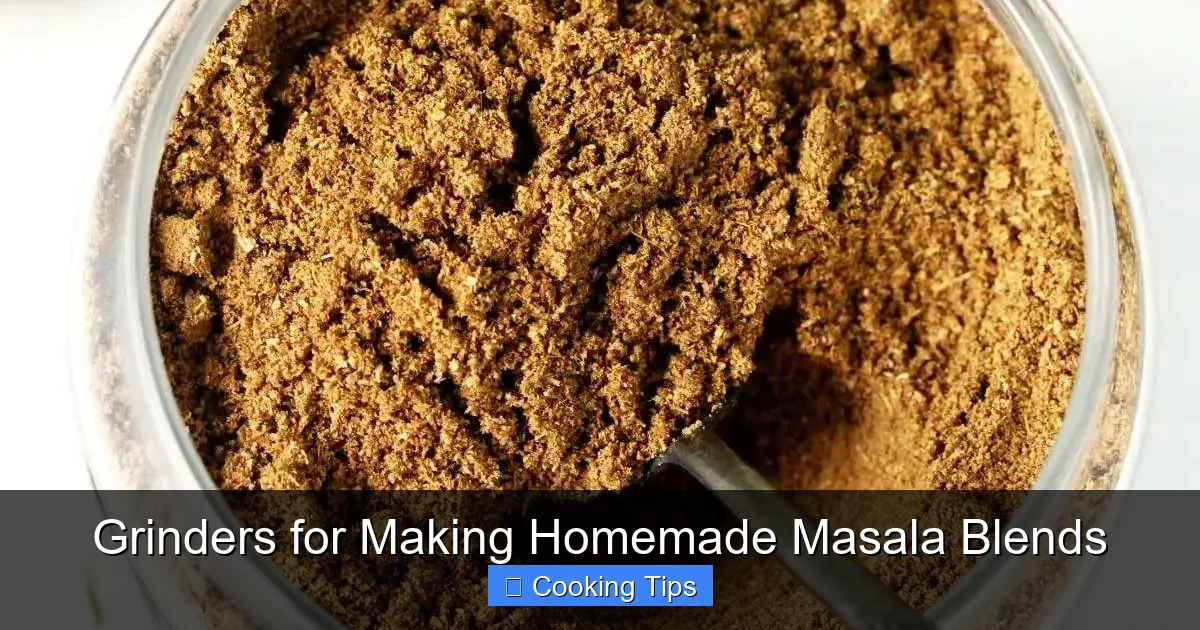
Visual guide about Grinders for Making Homemade Masala Blends
Image source: kitchenadvising.com
The magic of homemade masala doesn’t just come from the grinding; it starts with the quality of your whole spices and how you prepare them.
Choosing Whole Spices
Always opt for whole spices whenever possible. They retain their flavor and aroma much longer than pre-ground spices. Look for vibrant colors and a strong scent. Avoid spices that look faded or smell dull.
Toasting Spices: The Flavor Booster
Toasting whole spices before grinding is a crucial step that significantly enhances their flavor and aroma. It awakens their essential oils and adds depth to your masala blends.
How to Toast Spices:
- Use a Dry Pan: Heat a heavy-bottomed skillet or pan over medium-low heat. Avoid high heat, which can burn the spices.
- Add Whole Spices: Add your whole spices to the dry pan.
- Toast Gently: Stir or swirl the pan constantly. You’ll start to smell their fragrance intensify within a few minutes. Be careful not to burn them; this can happen quickly!
- Cool Down: Once fragrant and slightly darker, immediately remove the spices from the pan and spread them on a plate or baking sheet to cool completely. This is important before grinding, as warm spices can clump and create excess moisture.
Tip: For even toasting, try to use spices of similar size. If you have very different sizes (e.g., cumin seeds and cinnamon sticks), it might be better to toast them separately or add larger pieces later in the toasting process.
Step-by-Step: Grinding Your Masala Blends
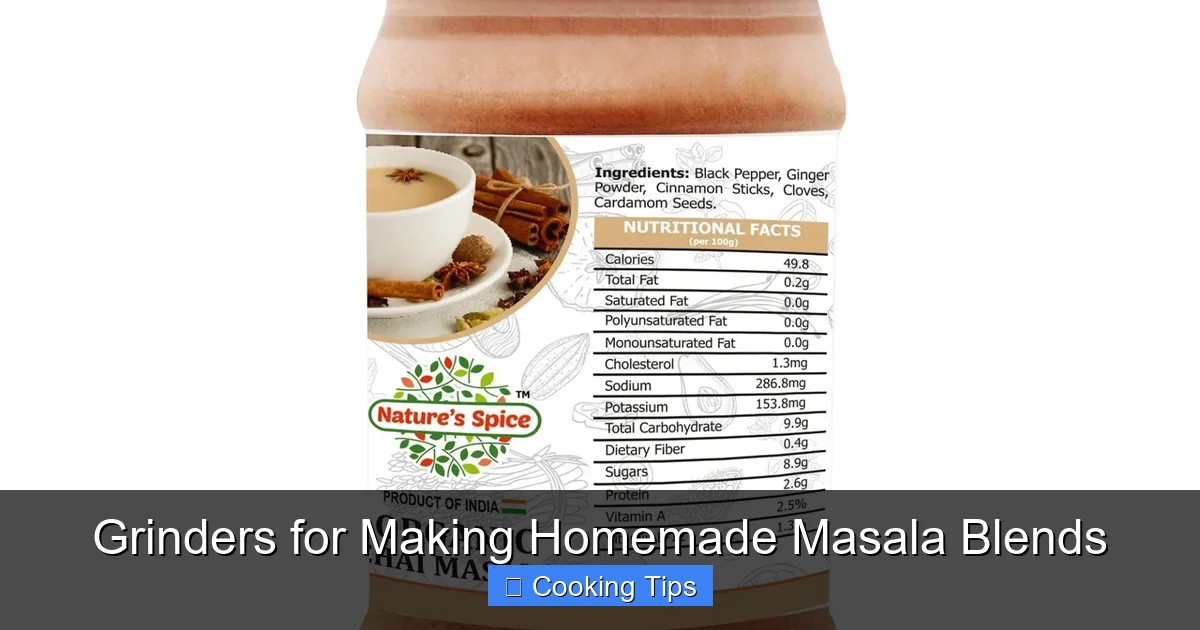
Visual guide about Grinders for Making Homemade Masala Blends
Image source: natures-spice.com
Now that your spices are prepped and ready, it’s time to grind! The technique you use will depend on your chosen grinder and the desired texture of your masala.
Step 1: Measure Your Spices
Decide on the spices you want in your blend and their proportions. For a classic garam masala, you might use coriander, cumin, cardamom, cinnamon, cloves, and black peppercorns. Start with a simple recipe and then experiment.
Step 2: Add Spices to the Grinder
- Blade Grinder: Add a small to moderate amount of cooled, toasted whole spices to the grinder cup. Don’t overfill it, as this can lead to uneven grinding and potential overheating.
- Burr Grinder: Add spices according to the manufacturer’s instructions. Most burr grinders have a hopper for whole beans or seeds.
- Mortar and Pestle: Add a small amount of spices to the mortar.
Step 3: Grind Your Spices
- Blade Grinder: Secure the lid. Pulse the grinder in short bursts (5-10 seconds at a time), shaking the grinder gently between pulses if needed. This helps to achieve a more even grind. Continue until you reach your desired consistency. It’s crucial to wait for the blades to stop spinning completely before opening.
- Burr Grinder: If using an electric burr grinder, select your desired grind size and turn it on. If using a manual burr grinder, crank the handle until the spices are ground.
- Mortar and Pestle: Use a crushing and grinding motion with the pestle against the spices in the mortar. Start by crushing larger pieces, then work them into a finer powder.
Step 4: Check Consistency and Grind Further if Needed
Open your grinder and check the texture. For some masalas, a fine powder is desired. For others, a coarser grind might be better to release different aromas as the spices cook. If you need a finer grind, continue grinding, using short bursts for blade grinders. For mortars and pestles, simply continue the grinding motion.
Step 5: Combine and Store
Once you have achieved your desired grind, transfer the freshly ground spices to a clean, airtight container. If you’ve ground multiple spices separately, combine them now according to your recipe. Store your homemade masala blend in a cool, dark place.
Tips for the Perfect Masala Blend

Visual guide about Grinders for Making Homemade Masala Blends
Image source: natures-spice.com
* Start Simple: Don’t try to create overly complex blends initially. Master a few basic masalas like garam masala or curry powder.
* Taste as You Go: While not always possible with raw spices, get a feel for the aroma of individual spices and how they might pair.
* Balance Flavors: Think about the balance of hot (chili), pungent (mustard, ginger), aromatic (cardamom, cinnamon), and earthy (cumin, coriander) notes.
* Consider Heat Levels: Different spices contribute different levels of heat. Understanding how heat affects spices during cooking is also key to using your blends effectively. For instance, some spices are best added early to release their flavor, while others can burn easily and should be added later. This is similar to how you manage heat control tips for home cooking.
* Freshness is Key: Homemade masala blends are best used within 3-6 months for optimal flavor. Label your containers with the date.
* Experiment with Textures: A mix of fine powder and slightly coarser pieces can add interesting textural elements to dishes.
* Don’t Forget Salt (or No Salt): Some masalas include salt, while others are designed to be salt-free, allowing you to control the saltiness of your dish separately.
Maintaining Your Grinder for Longevity and Flavor Purity
Proper care of your grinder is essential to prevent stale flavors from lingering and contaminating your fresh spice blends.
Cleaning Blade Grinders
* Immediate Wipe-Down: After each use, unplug the grinder. Wipe the inside of the grinding cup with a dry paper towel to remove as much residual spice as possible.
* Deep Clean (for non-removable cups):
- Rice Method: Add a small amount of uncooked white rice (about 1/4 cup) to the grinder. Grind the rice until it becomes a fine powder. The rice absorbs residual oils and odors. Discard the rice powder.
- Vinegar or Lemon Solution: For stubborn odors, you can try a solution of equal parts white vinegar and water, or lemon juice. Grind this mixture for a few seconds, then wipe clean with a damp cloth and dry thoroughly. Ensure no moisture remains, as this can lead to rust or damage.
* Removable Cups: If your grinder has a removable grinding cup, these can often be washed with warm, soapy water. Ensure they are completely dry before reassembling.
* Never Submerge: Do not submerge the motor base of any electric grinder in water.
Cleaning Burr Grinders
* **Follow Manufacturer Instructions:** Burr grinders often come with specific cleaning brushes or instructions. Always consult your manual.
* **Brush Away Residue:** Use a small brush (often included) to brush away spice particles from the burrs and surrounding areas.
* **Occasional Deeper Clean:** Some burr grinders allow for disassembly of the burrs for a more thorough cleaning. Again, refer to your manual.
Cleaning Mortars and Pestles
* Rinse and Scrub: For most materials (granite, marble, ceramic), rinse with warm water. Use a stiff brush to scrub away any residual spice particles.
* Avoid Soap (Mostly): For natural stone mortars, it’s often recommended to avoid soap as it can penetrate the pores. If you must use soap, use a very mild, unscented one and rinse thoroughly.
* Dry Completely: Ensure the mortar and pestle are completely dry before storing to prevent mold or mildew.
Troubleshooting Common Grinding Issues
* Uneven Grinding (Blade Grinder): You’re likely grinding too much at once, or not pulsing enough. Reduce the amount of spice and use shorter, more frequent pulses, shaking the grinder between them.
* **Spices Clumping:** This can happen if spices are too warm when ground, or if there’s excess moisture. Ensure spices are fully cooled and the grinder is dry. For very oily spices, a mortar and pestle might be better.
* **Grinder Smells Stale:** This indicates inadequate cleaning. Perform a deep clean using the rice or vinegar method for blade grinders, or thoroughly brush burrs on burr grinders.
* **Overheating (Blade Grinder): If you notice the grinder getting hot, stop immediately. Let it cool down completely before continuing. Grind in shorter bursts. This is a good indicator that your spices might be too fine for this type of grinder, or you’re trying to grind too much.
Conclusion
Making your own masala blends with the right grinder is a simple yet profound way to elevate your home cooking. From the satisfying crush of a mortar and pestle to the efficiency of an electric grinder, each tool offers a unique path to unlocking vibrant, fresh flavors. By understanding your options, preparing your spices properly, and committing to regular cleaning, you’ll be well on your way to creating personalized spice blends that will transform your kitchen into an aromatic haven. So, go forth, experiment, and enjoy the incredible taste of homemade!
—
