

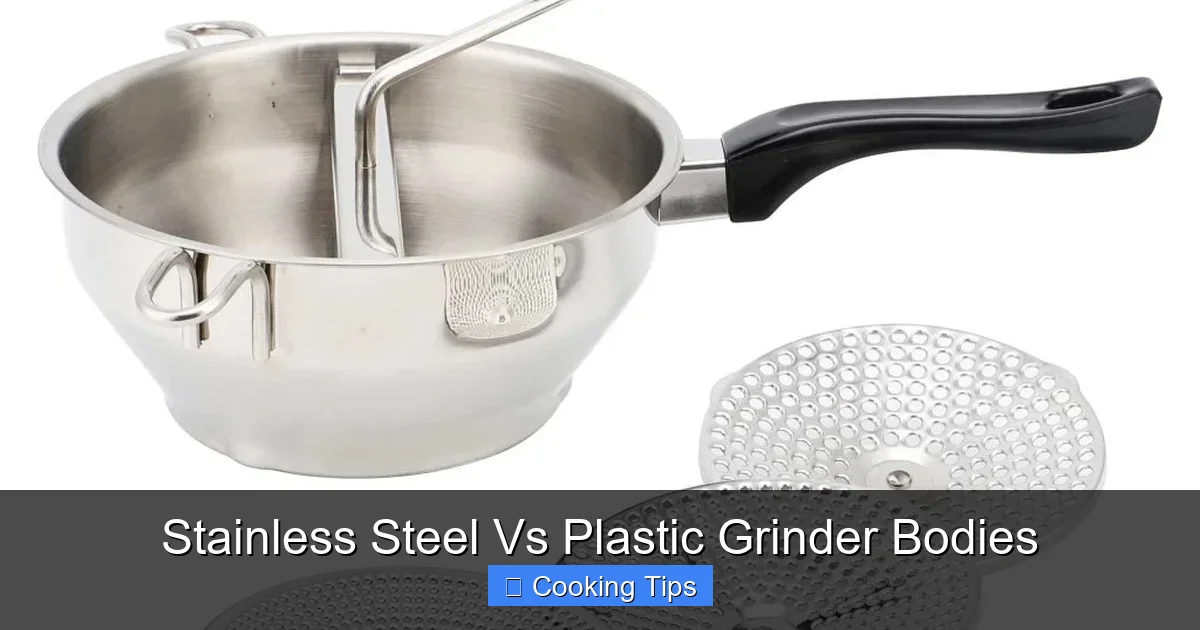
Choosing between a stainless steel and a plastic grinder body is a key decision for kitchen enthusiasts. Stainless steel grinders offer superior durability, heat resistance, and a premium feel, but often come at a higher price. Plastic grinders are budget-friendly and lightweight, making them accessible for everyday use, though they may be less robust and prone to staining or odors.
Stainless Steel Vs Plastic Grinder Bodies: Making the Right Choice for Your Kitchen
When it comes to kitchen appliances, especially grinders, the material of the body can make a big difference in performance, durability, and even how you use it. You’ve likely noticed that grinders come with either sleek stainless steel bodies or lighter, often more affordable, plastic exteriors. But what’s the real difference between them? And which one is the right fit for your kitchen needs?
In this comprehensive guide, we’ll dive deep into the world of grinder bodies. We’ll explore everything from their construction and key features to their pros and cons. By the end, you’ll have a clear understanding of stainless steel versus plastic grinder bodies, empowering you to make an informed decision that suits your budget, cooking style, and desire for a long-lasting, reliable kitchen tool. Let’s get grinding!
Key Takeaways
- Durability and Longevity: Stainless steel bodies are significantly more durable and resistant to impact, scratches, and warping compared to plastic.
- Heat Resistance: Stainless steel can withstand higher temperatures, making it a safer choice for grinders that might generate heat during operation or be placed near heat sources.
- Hygiene and Odor: Stainless steel is non-porous, making it resistant to stains, odors, and the growth of bacteria, leading to easier cleaning and better food safety. Plastic can absorb odors and stains over time.
- Aesthetics and Feel: Stainless steel offers a sleek, modern, and premium look and feel that many users prefer. Plastic can sometimes feel less substantial.
- Cost: Plastic grinder bodies are generally much more affordable than stainless steel, making them a popular choice for budget-conscious consumers.
- Weight and Portability: Plastic is lighter than stainless steel, which can be an advantage for grinders that need to be moved frequently.
- Environmental Impact: While both materials have environmental considerations, stainless steel is more durable and recyclable, potentially leading to a longer lifespan and less waste compared to some plastics.
Understanding Grinder Body Materials
At its core, the grinder body is the outer shell that houses the motor, blades, and grinding mechanism. Its primary functions are to protect these internal components and provide a comfortable, safe interface for the user. The choice of material—primarily stainless steel or plastic—significantly impacts these functions.
Think of it like choosing between a sturdy metal suitcase and a lightweight fabric one. Both serve the purpose of carrying your belongings, but they offer different levels of protection, weight, and aesthetics. The same applies to your grinder.
Stainless Steel Grinder Bodies: The Premium Option
Stainless steel is a popular choice for kitchen appliances due to its inherent strength, durability, and resistance to corrosion. When you see a grinder with a stainless steel body, you’re often looking at a product designed for longevity and high performance.

Visual guide about Stainless Steel Vs Plastic Grinder Bodies
Image source: cdn.sheetstainlesssteel.com
The Allure of Stainless Steel: Key Advantages
Stainless steel offers a range of benefits that make it a highly desirable material for grinder bodies:
- Exceptional Durability: This is perhaps the biggest advantage. Stainless steel is incredibly strong. It’s resistant to dents, scratches, and cracks. If you drop a stainless steel grinder, it’s far more likely to survive unscathed than its plastic counterpart. This makes it ideal for busy kitchens where accidents can happen.
- Heat Resistance: Grinding can sometimes generate a bit of heat, especially with tougher ingredients or during extended use. Stainless steel handles heat much better than plastic. It won’t warp, melt, or release potentially harmful fumes when exposed to warmth. This is particularly important if your grinder is used for prolonged periods or if you’re processing ingredients that require a bit of friction. For example, when you’re searing meats, you often use high heat, and knowing your appliances can handle proximity to warmth is crucial.
- Hygienic and Easy to Clean: Stainless steel is non-porous. This means it doesn’t absorb food particles, odors, or bacteria. Cleaning is usually a simple wipe-down with a damp cloth. Spills and residue don’t tend to linger or penetrate the surface. This is a significant plus for food safety and maintaining a fresh-smelling kitchen. Unlike some plastics that can stain from spices like turmeric or curry, stainless steel usually wipes clean.
- Aesthetics and Premium Feel: Let’s be honest, stainless steel often looks fantastic. It gives appliances a sleek, modern, and professional appearance that many people love. It feels substantial and well-made, adding a touch of elegance to your countertop.
- Corrosion and Rust Resistance: As the name suggests, stainless steel is resistant to rust and corrosion, even when exposed to moisture. This ensures that your grinder will maintain its good looks and structural integrity for years to come.
Potential Downsides of Stainless Steel
While stainless steel has many advantages, there are a couple of points to consider:
- Cost: Generally, grinders with stainless steel bodies are more expensive than those made from plastic. This is due to the higher cost of raw materials and manufacturing processes.
- Weight: Stainless steel is heavier than plastic. While this contributes to its sturdy feel, it might make the grinder less portable if you need to move it around your kitchen frequently.
- Scratch Visibility: While durable, very fine scratches can be visible on polished stainless steel surfaces over time. These are usually superficial and don’t affect performance, but they can alter the pristine look.
Plastic Grinder Bodies: The Affordable and Lightweight Choice
Plastic grinder bodies have become ubiquitous in the market, largely due to their cost-effectiveness and lighter weight. They are found in a wide range of grinders, from basic models to more feature-rich ones.
Visual guide about Stainless Steel Vs Plastic Grinder Bodies
Image source: geerpres.com
The Appeal of Plastic: Key Advantages
Plastic offers several advantages that make it an attractive material for grinder bodies:
- Affordability: This is the primary driver for the popularity of plastic grinders. They are significantly cheaper to produce, making them accessible to a broader range of consumers. If you’re on a tight budget or just need a grinder for occasional use, a plastic model can be a great starting point.
- Lightweight: Plastic is much lighter than stainless steel. This makes plastic grinders easier to lift, move, and store. If counter space is limited or you prefer to tuck your appliances away when not in use, a lighter model can be more convenient.
- Variety of Colors and Designs: Plastic can be molded into virtually any shape and dyed in a wide array of colors. This allows for more design flexibility, and you can often find plastic grinders that match your kitchen’s decor more easily than the standard stainless steel finish.
- Impact Resistance (Certain Types): While not as inherently robust as metal, some high-quality plastics are designed to be quite impact-resistant. They might flex rather than crack upon impact, offering a degree of protection against drops.
Downsides of Plastic Grinder Bodies
Despite their advantages, plastic bodies do have some drawbacks:
- Durability Concerns: Plastic is generally less durable than stainless steel. It can crack, scratch, or warp over time, especially with heavy use or exposure to heat. Cheaper plastics can become brittle and may break easily if dropped.
- Heat Sensitivity: Plastic does not handle heat well. Prolonged grinding can cause some plastics to become warm, and if the grinder is placed too close to a heat source like a stove, it could potentially warp or even melt. This can also lead to concerns about chemicals leaching into your food at higher temperatures.
- Odor and Stain Absorption: Many plastics are porous and can absorb strong odors from food ingredients, like garlic, onions, or certain spices. They can also be prone to staining from brightly colored foods like turmeric or tomato sauce. Over time, this can affect the grinder’s appearance and even transfer unwanted smells to subsequent ingredients.
- Less Premium Feel: While there are exceptions, many plastic grinders can feel less substantial and durable than their stainless steel counterparts. The aesthetic might be less sophisticated, which might not appeal to everyone looking for a high-end kitchen appliance.
- Environmental Impact: While both materials have environmental considerations, the lifespan of plastic products can be shorter, potentially leading to more frequent replacement and disposal compared to durable stainless steel items.
Comparing Performance and User Experience
Beyond the materials themselves, how do stainless steel and plastic grinder bodies affect the actual user experience and performance?

Visual guide about Stainless Steel Vs Plastic Grinder Bodies
Image source: geerpres.com
Grinding Performance
For most common grinding tasks (like coffee beans or spices), the primary grinding mechanism (blades, burrs, motor) is the main determinant of performance, not the body material. However, the body material can play a subtle role:
- Heat Dissipation: A stainless steel body might offer slightly better heat dissipation due to its thermal conductivity, which could be beneficial during longer grinding sessions to keep the motor cooler. However, this effect is usually minor in typical home grinders.
- Stability: The weight and rigidity of a stainless steel body can contribute to a more stable grinding experience, especially if you are grinding a large quantity or very hard items. A lighter plastic grinder might vibrate or shift more.
Ease of Cleaning and Maintenance
This is where the difference is often most noticeable:
- Stainless Steel: Wipe down with a damp cloth and mild soap. For tougher residue, a gentle scrub with a non-abrasive pad is usually sufficient. It resists staining and odor retention, making it easier to keep truly clean and hygienic.
- Plastic: Requires similar wiping, but you might need to be more diligent about removing all residue to prevent staining and odor buildup. Some plastics can be dishwasher safe, but it’s always best to check the manufacturer’s instructions, as high heat in a dishwasher can sometimes degrade plastic over time. If it absorbs an odor, it can be challenging to remove completely.
Durability and Longevity
If you want a grinder that will last for many years and withstand regular use, stainless steel usually wins. It’s more resistant to physical damage and wear and tear. A plastic grinder might be perfectly functional for a few years, but it’s more susceptible to developing cracks, becoming brittle, or showing significant cosmetic wear.
Cost-Benefit Analysis
When deciding, consider your budget and how you plan to use the grinder:
- Budget-Friendly: If cost is your primary concern, a plastic grinder is the way to go. You can get a functional appliance without breaking the bank.
- Long-Term Investment: If you plan to use your grinder frequently, for a variety of tasks, and want an appliance that will last, the higher upfront cost of a stainless steel grinder can be a worthwhile investment. Its durability means you won’t have to replace it as often.
Choosing the Right Grinder Body for You
So, how do you make the final call?
Consider Your Usage Habits
- Occasional Use: For infrequent tasks like grinding a small amount of coffee once a week, a plastic grinder is likely sufficient and more budget-friendly.
- Frequent Use/Heavy Duty: If you grind spices regularly, process nuts, or use your grinder daily, the durability of stainless steel will serve you better. Think about how you approach cooking; if you’re often using high heat in your kitchen, like when searing ingredients, you might appreciate the resilience of stainless steel. Check out tips on simmer vs. sear tips to understand different cooking intensities.
Assess Your Budget
Be realistic about what you can spend. While stainless steel might be ideal, a good quality plastic grinder can still serve you well if your budget is limited.
Think About Aesthetics and Kitchen Style
Do you prefer a sleek, modern look? Or do you prioritize functionality and are happy with a more basic appliance? Stainless steel generally offers a more premium aesthetic.
Prioritize Hygiene and Odor Control
If you are very particular about food safety, odor prevention, and easy cleaning, especially when dealing with pungent ingredients, stainless steel’s non-porous nature is a significant advantage.
Troubleshooting Common Grinder Issues
Regardless of the body material, grinders can sometimes experience issues. If your grinder isn’t performing as expected, here are a few common problems and potential solutions:
Grinder Not Turning On
This is a common issue. First, ensure the grinder is properly plugged into a working outlet. Check if there’s a safety lock or mechanism that needs to be engaged. For more detailed steps, you might find it helpful to read about how to fix a kitchen grinder that is not turning on.
Uneven Grinding
This can happen with both plastic and stainless steel grinders. Ensure you are not overfilling the grinder. For dry ingredients, try grinding in pulses rather than continuously. If the issue persists, the blades might be dull or damaged, which is a mechanical issue rather than related to the body material.
Plastic Grinder Smells or Stains
If your plastic grinder has absorbed odors, try filling it with baking soda and a little water, letting it sit for a few hours, then rinsing thoroughly. For stains, a paste of baking soda and water can sometimes help lift them. Persistent odors or stains might indicate that the plastic is degrading or has absorbed them too deeply.
Conclusion
The choice between a stainless steel and a plastic grinder body boils down to a balance of durability, cost, aesthetics, and user preferences. Stainless steel offers a premium, long-lasting, and hygienic solution, making it an excellent investment for frequent users who value quality and longevity. Plastic, on the other hand, provides an affordable and lightweight alternative that is perfectly adequate for occasional use and budget-conscious consumers.
Ultimately, the best grinder body material for you depends on your individual needs and priorities. By understanding the strengths and weaknesses of each, you can confidently select a grinder that will serve you well in your culinary adventures. Remember that regardless of the body material, proper care and maintenance will help extend the life of any grinder. Whether you’re grinding coffee for your morning brew or spices for a gourmet meal, your grinder is a valuable kitchen companion, and choosing the right one is the first step to delicious results!
