

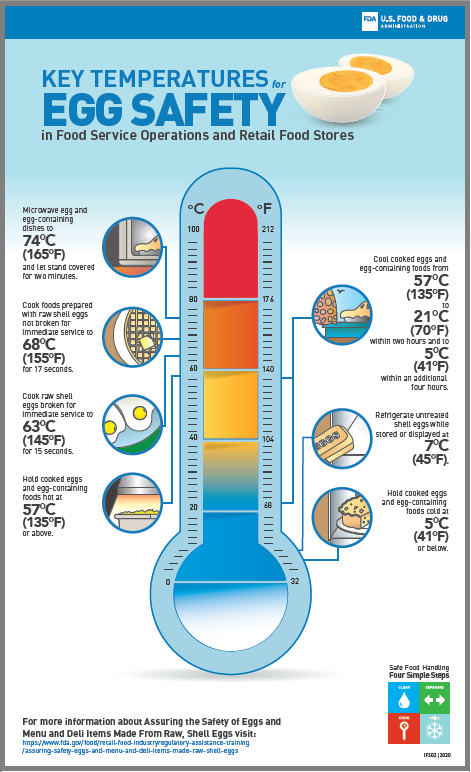
Medium-low heat (about 250–300°F / 120–150°C) works best for most eggs for even, gentle cooking.
I’ve cooked hundreds of eggs in home kitchens and small restaurants, and I can tell you that the best heat setting for cooking eggs is about control, not maximum flame. This guide explains why heat level matters, how to pick the right setting for scrambled, fried, poached, boiled, and baked eggs, and how to adjust for your stovetop and pan. Read on for clear steps, troubleshooting tips, and real-world tricks that make every egg turn out just right.
Why the best heat setting for cooking eggs matters
Eggs are mostly water and proteins. If you cook them too hot, proteins tighten and squeeze out moisture. That makes eggs rubbery, dry, or browned in spots.
Gentle, steady heat lets proteins set slowly. You get creamy scrambled eggs, tender fried eggs, and poached whites that stay intact. Choosing the best heat setting for cooking eggs also prevents burned butter and uneven centers.
Experience shows that small changes in heat change texture a lot. Once you learn the right setting for your stove and pan, your eggs will be consistent and reliable.
:max_bytes(150000):strip_icc()/__opt__aboutcom__coeus__resources__content_migration__serious_eats__seriouseats.com__images__2013__10__20131004-sous-vide-101-egg-chorizo-corn-crouton-temperature-primary-cc301238d0db478283203d8d8d207617.jpg)
Best heat setting for different egg styles
Scrambled eggs
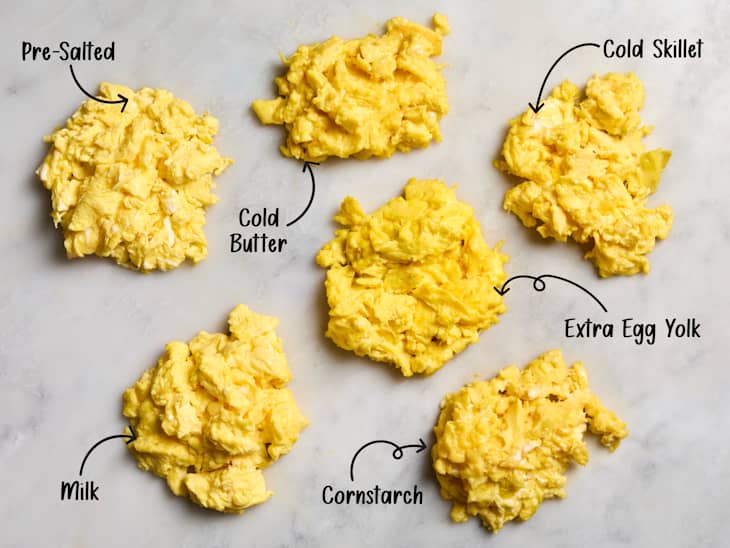
Cook scrambled eggs on medium-low heat. Stir slowly and cook until curds form but remain soft. Low heat keeps them creamy and prevents overcooking.
Sunny-side and fried eggs
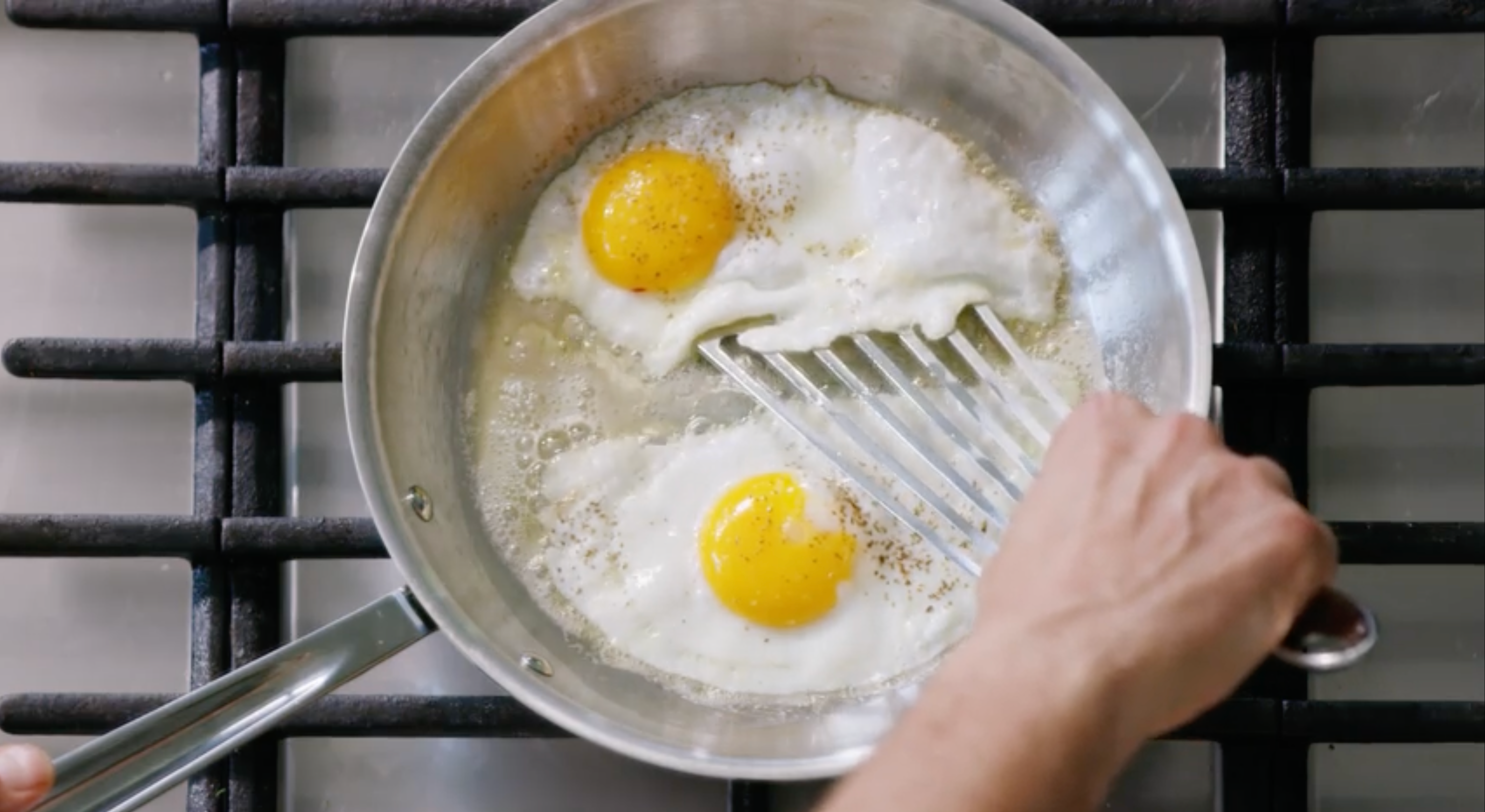
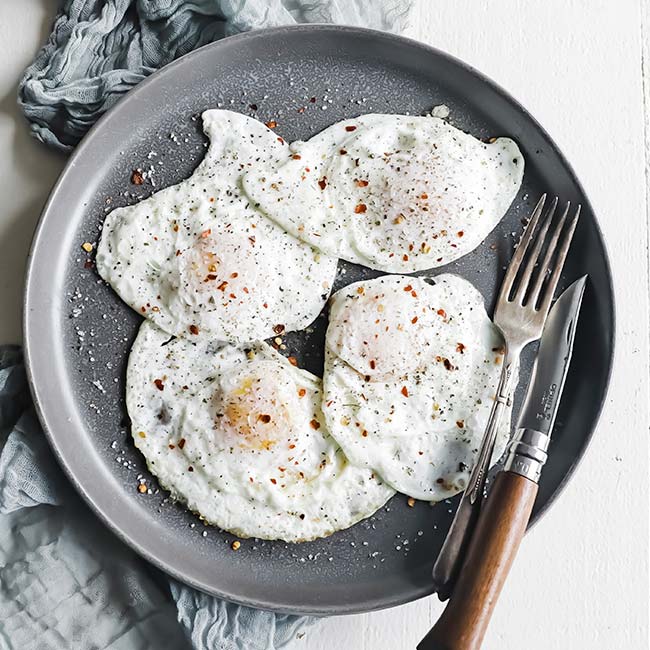
Use low to medium-low heat for fried eggs. A lid or basting with butter helps set the top without flipping. High heat makes crispy edges and a hard yolk quickly.
Over-easy, over-medium, over-hard
Start on medium-low and flip once edges are set. For over-easy, keep the pan lower so the yolk stays runny; raise heat slightly only if the white is too loose.
Poached eggs
Bring water to a gentle simmer (not a rolling boil). Aim for tiny bubbles and 180–190°F (82–88°C). Vigorous boiling breaks the white and ruins shape.
Soft and hard boiled eggs
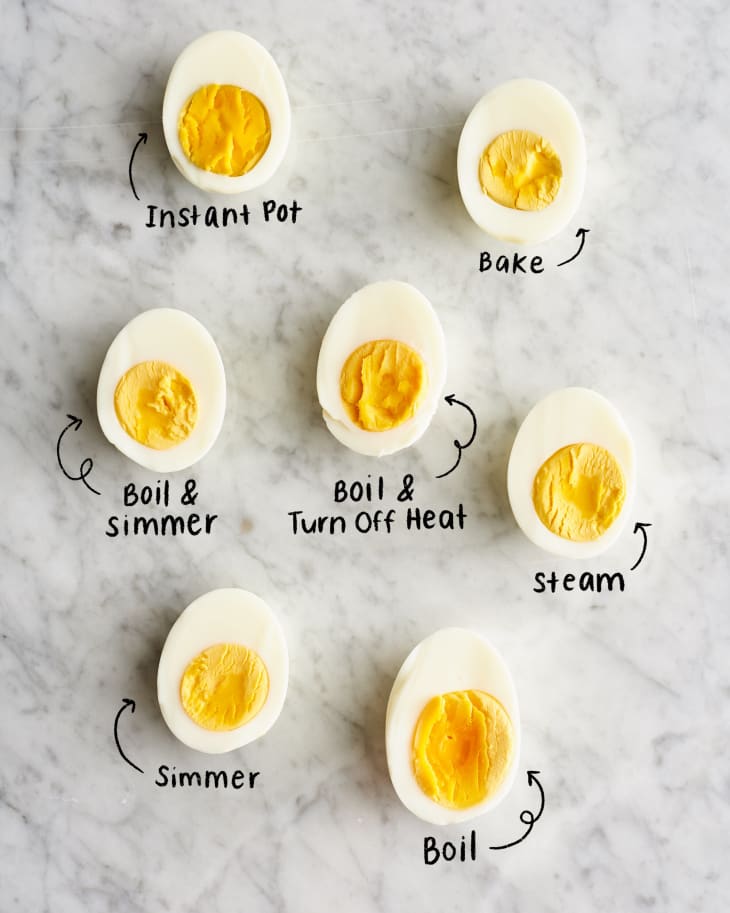
Use medium-high heat to bring water to a boil, then lower to a gentle simmer. For soft-boiled, 6 minutes after simmer; for hard-boiled, 10–12 minutes gives a fully set yolk without rubbery white.
Omelets and frittatas
Cook omelets on medium-low so the bottom sets slowly and you can fold without browning. For frittatas baked after stovetop, cook on medium-low until edges start to set, then finish in the oven.
How stove type affects the best heat setting for cooking eggs
Gas stoves respond fast and show flame size. Use low flame for most egg cooking and adjust quickly if the pan gets too hot. Electric coil and ceramic stoves heat slower and keep heat longer, so use slightly lower settings than you would on gas.
Induction heats fastest and most evenly. Use a lower setting than you think; induction can overcook eggs quickly. Test your stove: if butter browns in 30 seconds on a “low” setting, drop the heat more.
Knowing your stove helps you pick the best heat setting for cooking eggs every time. I tested the same recipe on gas and induction; the induction needed one notch lower to match texture.
 thermometer tips to nail temperature”
style=”max-width: 100%; height: auto; border: 2px solid black; border-radius: 10px; display: block; margin: 0 auto;”
loading=”lazy”
/>
Tools and thermometer tips to nail temperature
- Use a small digital instant-read thermometer to check pan surface or water for poaching.
- For pan eggs, aim for a surface temperature near 250–300°F (120–150°C).
- For poaching, maintain water at 180–190°F (82–88°C).
- Use a nonstick or well-seasoned pan for gentle heat and less sticking.
- Use clarified butter or a mix of butter and oil to avoid quick browning on medium-low heat.
I started using a pan thermometer and my eggs became more consistent. Once you measure a few times, you can go by eye and feel.

Step-by-step cooking guide for perfect eggs
-
Scrambled eggs — gentle heat, slow stir
- Whisk eggs with a pinch of salt and milk or cream if desired.
- Heat pan on medium-low with butter until melted but not browned.
- Pour eggs and stir slowly until curds form and eggs are creamy. Remove just before fully set.
-
Sunny-side up — low heat, cover if needed
- Heat pan on low with a thin layer of butter or oil.
- Crack egg into pan and cook slowly until white is set.
- Cover 30–45 seconds to finish top or baste with hot fat.
-
Poached eggs — gentle simmer
- Bring water to a gentle simmer and add a splash of vinegar.
- Create a small whirlpool, slip in the egg, and cook 3–4 minutes for runny yolk.
- Remove with a slotted spoon and drain on a towel.
-
Boiled eggs — bring up, then gentle simmer
- Place eggs in cold water, bring to a boil on medium-high.
- Once boiling, reduce to a gentle simmer and start timing.
- Soft-boil 6 minutes, hard-boil 10–12 minutes, then cool in ice water.
These steps reflect years of cooking and testing. Adjust times slightly for altitude or larger eggs.

Common mistakes and troubleshooting
- Cooking on high heat and getting rubbery whites or chalky yolks. Lower the temperature and cook longer.
- Using too-small pan that crowds eggs and causes uneven cooking. Use a pan sized to eggs to spread heat evenly.
- Browning butter or oil before adding eggs. Add eggs when fat is hot but not smoking.
- Not letting pan heat stabilize. Let pan heat for 30–60 seconds on low to reach steady temperature.
- Poaching in boiling water. Drop to gentle simmer to keep shape.
When I rushed eggs over high heat, I learned that texture matters more than speed. Slow works better for eggs.
Personal tips and lessons learned
- Preheat the pan on low and watch the fat, not the burner number. The best heat setting for cooking eggs is the one that keeps fat warm but not smoking.
- Use a lid briefly to finish tops of fried eggs instead of blasting with high heat.
- Taste and adjust: if your scrambled eggs finish too fast, lower heat next time and cook longer.
- Keep a simple stove test: melt butter and time how long until it browns; that tells you how hot your low/medium settings actually are.
- Don’t be afraid to practice—eggs teach you your stove faster than any other dish.

Frequently Asked Questions of best heat setting for cooking eggs
What is the best heat setting for cooking eggs on a gas stove?
Use medium-low to low for most egg dishes on gas. Gas moves fast, so start low and inch up if you need more browning.
Can I cook eggs on high heat for speed?
High heat cooks eggs fast but ruins texture. For creamy scrambled or tender fried eggs, avoid high heat unless you want crisp edges.
How do I know my pan temperature is right?
Watch the fat: it should shimmer, not smoke. A quick thermometer check should read near 250–300°F (120–150°C) for pan-cooked eggs.
Should I cover eggs while cooking?
Covering helps set tops without raising heat and works great for sunny-side or folded eggs. Use cover for short bursts to finish cooking evenly.
Does egg size or freshness change the heat setting?
Freshness affects poaching and texture more than heat. Use the same gentle temperatures but adjust times slightly for very large eggs.
Is induction better for cooking eggs than gas?
Induction is fast and precise but can overcook quickly. Use a lower setting than gas and test to match textures.
How long should I poach eggs at the right heat?
Poach for 3–4 minutes at a gentle simmer for a runny yolk. Keep water at 180–190°F (82–88°C) to avoid breaking whites.
Conclusion
Choosing the best heat setting for cooking eggs comes down to gentle, steady heat and knowing your equipment. Use medium-low to low for most egg styles, test your pan, and adjust slightly for your stove and pan type. Try the step-by-step methods here and practice a few times to build confidence.
Make small tweaks and taste the difference—your next batch of eggs can be reliably creamy, tender, and perfect. If you found these tips useful, try them at breakfast tomorrow, subscribe for more cooking guides, or leave a comment with your favorite egg method.
