

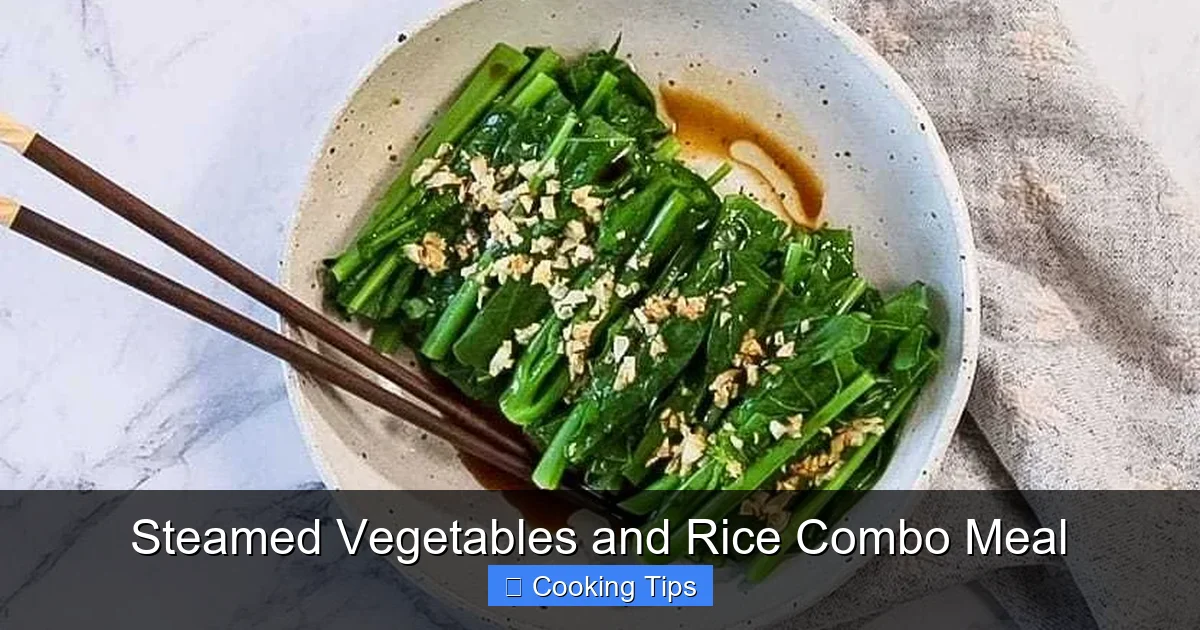
Learn to create a delicious and nutritious Steamed Vegetables and Rice Combo Meal with this comprehensive guide. We’ll walk you through selecting your ingredients, preparing them, and steaming them to perfection. Achieve tender vegetables and fluffy rice for a simple yet satisfying meal, perfect for any occasion.
Welcome to your ultimate guide on creating the perfect Steamed Vegetables and Rice Combo Meal! This is a meal that’s as healthy as it is delicious, and incredibly easy to make. You’re about to learn everything you need to know to whip up a satisfying dish that’s packed with nutrients and flavor. We’ll cover choosing your ingredients, preparing them just right, and the art of steaming to achieve tender vegetables and perfectly fluffy rice.
This meal is a champion for several reasons. It’s incredibly versatile – you can swap out vegetables, change your rice, and experiment with different seasonings. It’s also a powerhouse of nutrition, thanks to the gentle steaming method that preserves vital nutrients. Plus, it’s a fantastic option for anyone looking for a simple, quick, and healthy meal. Whether you’re a beginner cook or an experienced chef, this guide will help you master this delightful combination.
Let’s get started on creating your perfect Steamed Vegetables and Rice Combo Meal!
- Versatile Meal Base: Steamed vegetables and rice form a fantastic foundation for countless flavor combinations, easily adaptable to your preferences.
- Nutrient Preservation: Steaming is one of the best cooking methods to retain the vitamins, minerals, and vibrant colors of your vegetables.
- Perfect Rice Texture: Mastering the rice-to-water ratio and cooking time is key to achieving fluffy, separate grains, not mushy or undercooked rice.
- Vegetable Selection: Choose a variety of vegetables for a balanced meal, considering cooking times to ensure everything is perfectly tender.
- Flavor Enhancements: Elevate your steamed combo with simple seasonings, herbs, spices, or a light sauce to make it truly shine.
- Time-Saving Technique: Steaming is a quick and efficient cooking method, making this combo meal ideal for busy weeknights.
Gathering Your Ingredients
The beauty of this combo meal lies in its simplicity and the freedom to customize. Here’s a breakdown of what you’ll need:
For the Rice:
- Rice: Long-grain white rice, brown rice, jasmine rice, or basmati rice all work wonderfully. The type of rice will affect cooking time and texture.
- Water: The correct amount of water is crucial for perfectly cooked rice. Check your rice package for specific recommendations or consult a guide like what is the ratio of water to rice in a rice cooker.
- Salt (Optional): A pinch of salt can enhance the flavor of the rice.
For the Vegetables:
- A Variety of Vegetables: Aim for a colorful assortment. Good choices include:
- Harder Vegetables: Broccoli florets, cauliflower florets, carrots (sliced or julienned), green beans (trimmed), asparagus (woody ends snapped).
- Softer Vegetables: Zucchini (sliced), bell peppers (cut into chunks), snap peas, snow peas, corn kernels, mushrooms (halved or quartered).
- Leafy Greens: Spinach, kale (stems removed, roughly chopped). These cook very quickly.
- Water for Steaming: Enough to create steam without touching the vegetables.
- Seasonings (Optional): Salt, pepper, garlic powder, onion powder, herbs like parsley or cilantro, a drizzle of soy sauce or tamari, a touch of lemon juice.
Preparing the Rice
Perfect rice is the foundation of your meal. Follow these steps carefully.
Rinsing the Rice
This step removes excess starch, which helps prevent mushy rice. Place your chosen rice in a fine-mesh sieve and rinse it under cold running water until the water runs clear. This is especially important for white rice.
Measuring Water and Rice
The ratio of water to rice is critical. For most long-grain white rice, a 1:2 ratio (1 cup rice to 2 cups water) is standard. Brown rice typically requires more water and a longer cooking time. Always refer to the package instructions or a reliable guide. If you’re using a rice cooker, like a Black and Decker model, refer to its specific guidelines on how to use a Black and Decker rice cooker.
Cooking the Rice
There are a few ways to cook your rice:
Stovetop Method:
- Combine the rinsed rice, water, and salt (if using) in a saucepan with a tight-fitting lid.
- Bring the water to a boil over medium-high heat.
- Once boiling, reduce the heat to the lowest setting, cover tightly, and simmer for about 15-20 minutes for white rice, or 40-45 minutes for brown rice, or until the water is absorbed. Avoid lifting the lid during cooking to keep the steam in.
- Once cooked, remove from heat and let it stand, covered, for 5-10 minutes. This allows the steam to redistribute and the rice to become fluffy.
- Fluff the rice gently with a fork before serving. If you’re struggling with consistent results, you might be making mistakes while cooking rice at home.
Rice Cooker Method:
- Add the rinsed rice and the correct amount of water to your rice cooker pot.
- Select the appropriate setting (e.g., white rice, brown rice) and start the cooker.
- Most rice cookers will automatically switch to a “warm” setting when done. Let it sit on warm for 10-15 minutes before fluffing.
Preparing the Vegetables
The key to perfectly steamed vegetables is to cut them into uniform sizes and to be mindful of their different cooking times.
Washing and Chopping
- Thoroughly wash all your vegetables under cold running water.
- Prepare them by cutting them into bite-sized, uniform pieces. This ensures they cook evenly.
- Broccoli and Cauliflower: Cut into florets, about 1-1.5 inches in size.
- Carrots: Slice thinly on the diagonal, or julienne into matchsticks.
- Green Beans: Trim the ends.
- Bell Peppers: Cut into roughly 1-inch chunks.
- Zucchini: Slice into ½-inch thick rounds or half-moons.
- Asparagus: Snap off the tough, woody ends.
- If you’re using a mix of harder and softer vegetables, you might want to prepare them separately or add the softer ones later in the steaming process. This helps avoid overcooking. Proper preparation is key to preventing why vegetables become soggy when cooked.
The Steaming Process
Steaming is a gentle cooking method that locks in nutrients and flavor. Here’s how to do it right.
Using a Steamer Basket or Insert
You can use a dedicated steamer basket that fits inside a pot, a bamboo steamer, or even a colander placed over a pot of simmering water. The essential part is that the water does not touch the vegetables.
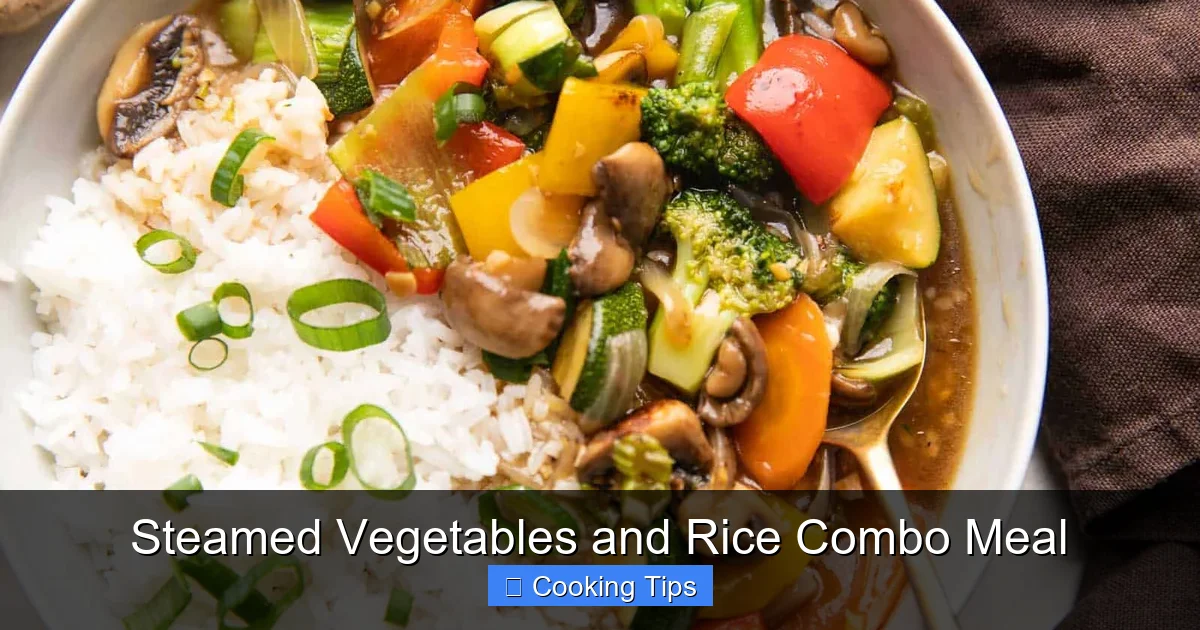
Visual guide about Steamed Vegetables and Rice Combo Meal
Image source: myfoodstory.com
Visual guide about Steamed Vegetables and Rice Combo Meal
Image source: cmsbcd.com
Setting Up Your Steamer
- Fill a pot with about 1-2 inches of water.
- Place your steamer basket or insert into the pot, ensuring the bottom of the basket is above the water level.
- Bring the water to a rolling boil over medium-high heat. A good boil is essential for creating enough steam. You need to maintain a consistent steam, so understanding the difference between simmer and boil temperature is useful here.
Steaming the Vegetables
- Once the water is boiling and producing ample steam, carefully add your prepared vegetables to the steamer basket. Arrange them in a single layer as much as possible for even cooking.
- Cover the pot tightly with the lid. This traps the steam.
- Steaming times will vary depending on the vegetables:
- Harder vegetables (broccoli, cauliflower, carrots, green beans): 5-8 minutes.
- Softer vegetables (zucchini, bell peppers, asparagus, snap peas): 3-5 minutes.
- Leafy greens (spinach, kale): 1-2 minutes, or until just wilted.
- You can steam vegetables in batches if necessary, or add softer vegetables partway through the cooking time of harder ones. For example, start with carrots for 3 minutes, then add broccoli for 5 minutes.
- Check for doneness by piercing a piece with a fork. They should be tender-crisp, not mushy. Avoid overcooking, as this is a common mistake when mistakes while boiling vegetables.
Assembling and Flavoring Your Combo Meal
Once your rice and vegetables are cooked, it’s time to bring it all together and add your personal touch.
Combining the Elements
- Fluff the cooked rice with a fork.
- Gently transfer the steamed vegetables to a serving bowl.
- You can serve them side-by-side, or gently mix the vegetables into the rice.
Adding Flavor
Plain steamed vegetables and rice are healthy, but a little seasoning can make them extraordinary.
- Simple Seasoning: A sprinkle of salt and freshly ground black pepper is often all that’s needed.
- Herbs and Spices: Freshly chopped parsley, cilantro, chives, or a pinch of garlic powder or onion powder can add depth.
- Sauces and Dressings: A light drizzle of soy sauce, tamari, sesame oil, a squeeze of lemon juice, or a simple vinaigrette can transform the dish. Consider a light ginger-garlic sauce.
- For a richer flavor: You can briefly sauté some aromatics like minced garlic and ginger in a little oil before adding your steamed vegetables and rice. However, be mindful of the best heat level for sautéing vegetables to avoid burning them.
Experiment to find your favorite flavor combinations. This is where your creativity can really shine!
Troubleshooting Common Issues
Even with the best intentions, sometimes things don’t turn out perfectly. Here are solutions to common problems:
Rice is Mushy or Gummy
Cause: Too much water, not rinsing the rice, or over-stirring.
Rice is Dry or Undercooked
Cause: Not enough water, cooking on too high heat, or not letting it rest.
Vegetables are Waterlogged or Soggy
Cause: Too much water in the pot, lid not fitting tightly, or overcooking.
Vegetables are Still Too Hard
Cause: Not enough steaming time or vegetables are cut too large.
Tips for Success
* Uniformity is Key: Cut all your vegetables into similar sizes so they cook evenly.
* Don’t Overcrowd: Avoid packing the steamer basket too full; allow steam to circulate.
* Taste as You Go: If you’re adding seasonings or sauces, taste and adjust as needed.
* Fresh is Best: Use fresh, high-quality vegetables for the best flavor and texture.
* Meal Prep Friendly: You can steam rice and chop vegetables ahead of time for quick assembly later in the week.
Conclusion
You’ve now got the roadmap to creating a perfect Steamed Vegetables and Rice Combo Meal. This simple yet incredibly satisfying dish is a testament to how healthy eating can be absolutely delicious and approachable. By following these steps, you’re well-equipped to produce tender, vibrant vegetables and fluffy, flavorful rice every time.
Remember, the beauty of this meal lies in its adaptability. Don’t be afraid to experiment with different types of rice, a wider array of vegetables, and your own unique spice blends and sauces. This is more than just a recipe; it’s a foundation for countless healthy and delicious meals to come. So, go ahead, gather your ingredients, and enjoy the simple pleasure of a perfectly steamed meal. Happy cooking!
