

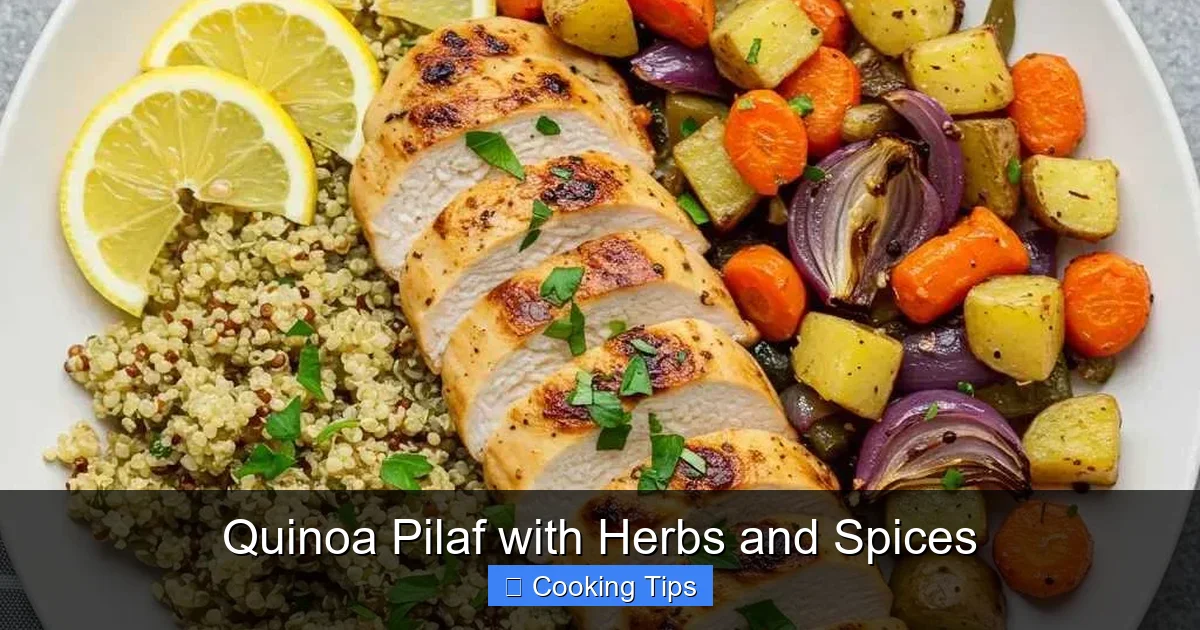
Discover how to create a vibrant and flavorful Quinoa Pilaf with Herbs and Spices! This guide offers clear, step-by-step instructions to master this healthy grain dish. You’ll learn essential techniques for perfectly cooked quinoa and how to infuse it with aromatic herbs and warm spices for a meal that’s both satisfying and delicious.
Are you looking for a healthy, flavorful, and versatile dish that can be served as a side or a light main? Look no further than Quinoa Pilaf with Herbs and Spices! Quinoa is a nutritional powerhouse, packed with protein and fiber, and when combined with aromatic herbs and warm spices, it transforms into a culinary delight. In this guide, you’ll learn everything you need to know to create a perfect quinoa pilaf, from selecting your ingredients to mastering the cooking techniques that will make your dish shine. We’ll cover how to achieve fluffy, perfectly cooked quinoa, how to infuse it with incredible flavor, and offer tips for customization and troubleshooting. Get ready to elevate your grain game!
## Understanding Quinoa Pilaf
Quinoa pilaf is essentially quinoa cooked in a flavorful liquid, often with added aromatics like onions and garlic, and enhanced with a blend of herbs and spices. Unlike simply boiling quinoa, a pilaf method involves toasting the quinoa grains slightly and cooking them in broth or seasoned water, which deepens their flavor and improves their texture. This technique is similar to how rice pilaf is made, resulting in distinct, fluffy grains that are infused with deliciousness.
## Ingredients You’ll Need
The beauty of quinoa pilaf lies in its adaptability. Here’s a basic list to get you started, but feel free to get creative!
* **Quinoa:** 1 cup (any color works – white, red, or black, or a tri-color blend). Rinse it thoroughly.
* **Liquid:** 2 cups (vegetable broth, chicken broth, or water). Broth adds more flavor.
* **Aromatics:**
* 1/2 medium onion, finely chopped
* 2 cloves garlic, minced
* **Fat:** 1-2 tablespoons olive oil or butter
* **Herbs:**
* 1 tablespoon fresh parsley, chopped (plus more for garnish)
* 1 tablespoon fresh cilantro, chopped (optional)
* 1 teaspoon dried oregano or thyme
* **Spices:**
* 1/2 teaspoon cumin
* 1/4 teaspoon turmeric (for color and subtle flavor)
* Pinch of red pepper flakes (optional, for a little heat)
* Salt and freshly ground black pepper to taste
## Step-by-Step Guide to Making Quinoa Pilaf
Follow these simple steps to create your delicious quinoa pilaf.
## Step 1: Prepare Your Quinoa
This is a crucial first step for fluffy quinoa.
### Rinse the Quinoa
Quinoa has a natural coating called saponin, which can make it taste bitter or soapy. Rinsing removes this.
* Place the quinoa in a fine-mesh sieve.
* Rinse under cold running water for about 30-60 seconds, agitating the grains with your fingers.
* Let it drain well.
### Toast the Quinoa (Optional but Recommended)
Toasting the dry, rinsed quinoa grains before adding liquid enhances their nutty flavor and helps them stay separate during cooking.
* Heat 1 tablespoon of olive oil or butter in a medium saucepan over medium heat.
* Add the drained quinoa to the saucepan.
* Stir and cook for 2-3 minutes, until the quinoa is fragrant and looks slightly dry and golden. Be careful not to burn it.
## Step 2: Sauté the Aromatics
Building flavor starts with these foundational ingredients.
### Cook the Onion
* Add the finely chopped onion to the saucepan with the toasted quinoa (or directly into the pan with the oil/butter if you skipped toasting).
* Cook, stirring occasionally, until the onion is softened and translucent, about 3-5 minutes.
### Add Garlic and Spices
* Add the minced garlic and cook for another minute until fragrant. Be careful not to burn the garlic.
* Stir in your dried spices: cumin, turmeric, and red pepper flakes (if using). Cook for about 30 seconds, stirring constantly, until the spices are fragrant. This blooming process releases their oils and intensifies their flavor. Mistakes when adding spices while cooking can often be avoided by toasting them briefly like this.
## Step 3: Add Liquid and Bring to a Boil
Now we introduce the cooking medium.
### Pour in the Broth or Water
* Pour the 2 cups of broth or water into the saucepan.
* Scrape the bottom of the pan with a wooden spoon to loosen any bits that may have stuck. This adds more flavor to the pilaf.
### Bring to a Boil
* Increase the heat to high and bring the liquid to a rolling boil.
## Step 4: Simmer and Cook the Quinoa
This is where the magic happens. Understanding the difference between simmer and boil temperature is key here. A rolling boil is needed initially, but then you want to reduce the heat to a gentle simmer.
### Reduce Heat and Cover
* Once boiling, immediately reduce the heat to the lowest setting.
* Cover the saucepan tightly with a lid. This is important for even cooking and to prevent moisture loss. If you’re unsure about lid usage, check out these common mistakes while cooking with lid on.
### Cook for the Right Amount of Time
* Let the quinoa simmer undisturbed for about 15-20 minutes, or until most of the liquid has been absorbed and the quinoa grains have “popped” open, revealing a little white spiral.
* Avoid the temptation to lift the lid and stir frequently, as this lets steam escape and can lead to uneven cooking.
## Step 5: Rest and Fluff the Quinoa
Patience here is rewarded with perfect texture.
### Let It Rest
* Once the cooking time is up, remove the saucepan from the heat but keep the lid on.
* Let the quinoa rest for 5-10 minutes. This allows the residual steam to finish cooking the grains and ensures they are tender.
### Fluff with a Fork
* Remove the lid. The quinoa should be fluffy and all the liquid should be absorbed.
* Use a fork to gently fluff the quinoa. This separates the grains and gives it a light, airy texture.
## Step 6: Add Fresh Herbs and Season
This is where you add the vibrant finishing touches.
### Stir in Fresh Herbs
* Gently stir in your chopped fresh parsley and cilantro (if using). The residual heat will warm them and release their fresh aroma.
### Season to Perfection
* Taste the quinoa pilaf and season generously with salt and freshly ground black pepper. Adjust seasonings as needed. Don’t be afraid to add a little more if it tastes bland.
## Step 7: Serve Your Quinoa Pilaf
Your delicious and healthy quinoa pilaf is ready to be enjoyed!
### Serving Suggestions
* **As a Side Dish:** This pilaf is a fantastic accompaniment to grilled chicken, fish, roasted vegetables, or a hearty stew.
* **As a Light Main Course:** Top it with a fried egg, a dollop of yogurt or tahini dressing, and some chopped nuts for a satisfying vegetarian meal.
* **In Salads:** Let it cool completely and add it to your favorite grain salad for extra texture and flavor.
## Customization Ideas for Your Quinoa Pilaf
The basic recipe is a wonderful canvas. Here are some ways to make it your own:
### Add Vegetables
* **Sautéed Vegetables:** Add finely diced carrots, bell peppers, zucchini, or peas along with the onions and garlic. Cook until tender-crisp.
* **Leafy Greens:** Stir in a handful of spinach or kale during the last few minutes of resting time. The residual heat will wilt them perfectly.
### Nuts and Dried Fruits
* **Crunchy Texture:** Stir in toasted chopped almonds, walnuts, or pecans for a delightful crunch. Add them after fluffing.
* **Sweetness and Chewy Texture:** Incorporate dried cranberries, raisins, or chopped apricots for a touch of sweetness. Add these with the fresh herbs.
### Citrus Zest
* A little lemon or lime zest stirred in at the end adds a bright, fresh note that complements the herbs and spices beautifully.
### Different Broths and Liquids
* **Mushroom Broth:** For a deeper, earthier flavor.
* **Coconut Milk (diluted):** For a creamy, slightly tropical twist. Use about 1 cup of coconut milk mixed with 1 cup of water or broth.
### Spices to Explore
* **Smoked Paprika:** For a smoky depth.
* **Coriander:** Pairs wonderfully with cumin.
* **Garam Masala:** For a warm, complex Indian-inspired flavor.
* **Sumac:** Adds a tangy, lemony note.
## Troubleshooting Common Quinoa Pilaf Problems
Even the best cooks encounter occasional hiccups. Here’s how to fix them:
### My Quinoa is Mushy
This usually happens due to too much liquid, not enough cooking time, or stirring too much.
* **Fix:** If it’s still a bit wet, try cooking it uncovered for a few extra minutes over low heat to let some moisture evaporate. Be gentle when fluffing.
### My Quinoa is Sticking to the Pan
This can happen if the pan is too hot or if there wasn’t enough fat.
* **Fix:** Ensure you use a non-stick pan or a well-seasoned cast-iron skillet. If it’s sticking during cooking, gently loosen it with a wooden spoon. If it’s stuck after cooking, add a little more liquid and let it steam for a minute.
### My Quinoa is Bland
This is often due to not enough salt or seasonings, or not toasting the spices properly.
* **Fix:** Taste and add more salt and pepper. Consider adding a splash of lemon juice or a pinch more of your favorite spices. Toasting dried spices before adding them really helps to develop their flavor. This is one of those common beginner cooking mistakes and solutions.
### My Quinoa Isn’t Cooked Through
This might mean it needs more liquid or more time.
* **Fix:** Add a tablespoon or two of hot water or broth, cover, and cook for another 5-10 minutes on the lowest heat.
## Conclusion
Making Quinoa Pilaf with Herbs and Spices is a simple yet incredibly rewarding culinary experience. By following these steps, you’ll not only master the technique for perfectly cooked quinoa but also unlock a world of flavor through herbs and spices. This versatile dish is a healthy staple that can be adapted to suit any taste or occasion. Enjoy experimenting with different herb and spice combinations, and soon you’ll be whipping up this delicious pilaf like a pro!
Key Takeaways
- Perfectly Cooked Quinoa: Learn the ideal quinoa to liquid ratio and cooking method to achieve fluffy, separate grains every time, avoiding mushiness.
- Herb and Spice Harmony: Understand which herbs and spices complement quinoa best and how to layer their flavors for maximum impact.
- Flavor Infusion Techniques: Discover methods for toasting spices and sautéing aromatics to unlock their full potential before combining with the quinoa.
- Customization Options: Get ideas for variations, including adding vegetables, nuts, dried fruits, and different protein sources to personalize your pilaf.
- Troubleshooting Common Issues: Address potential problems like blandness, overcooking, or sticking, and learn how to fix them.
- Serving Suggestions: Find inspiration for how to serve your quinoa pilaf as a side dish or a light main course.
