

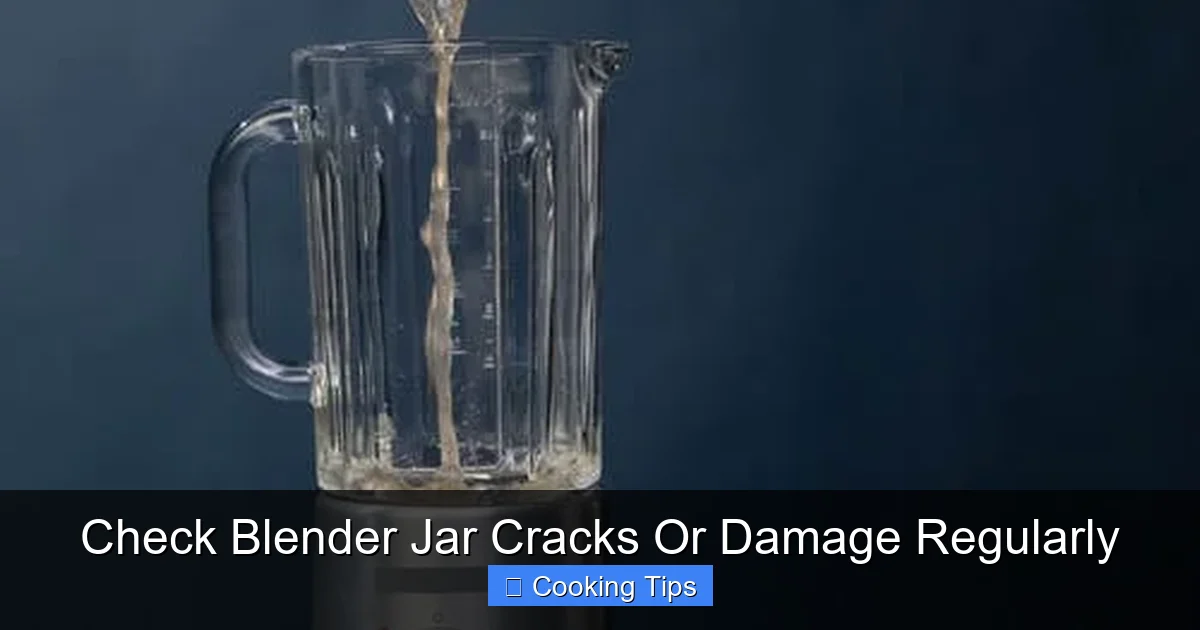
Keeping your blender in top condition is crucial for both safety and performance. This guide will teach you how to regularly inspect your blender jar for any cracks or damage. Following these simple steps will help you avoid accidents and ensure your blender lasts longer, so you can keep enjoying delicious smoothies and soups with confidence.
Key Takeaways
- Regular inspection is vital: You should make it a habit to check your blender jar for cracks or damage before every use or at least weekly.
- Visual inspection is key: Look for any hairline cracks, chips, deep scratches, or cloudiness in the plastic or glass of the jar.
- Pay attention to the base and lid: Don’t forget to check the area where the blades attach and the lid for any signs of wear or damage.
- Small cracks can cause big problems: Even minor cracks can weaken the jar, leading to leaks, potential breakage, and safety hazards during operation.
- When in doubt, replace: If you find any significant damage or are unsure about the integrity of the jar, it’s best to replace it to ensure safety.
- Proper care extends lifespan: Gentle handling, appropriate cleaning, and avoiding extreme temperatures can help prevent damage to your blender jar.
Check Blender Jar Cracks Or Damage Regularly
Your blender is a kitchen workhorse, blending everything from ice-cold smoothies to silky smooth soups. But like any appliance, it needs a little care to keep it running safely and efficiently. One of the most important, yet often overlooked, aspects of blender maintenance is regularly checking the blender jar for cracks or other damage. Ignoring this simple step can lead to messy accidents, reduced performance, and even dangerous situations.
In this comprehensive guide, we’ll walk you through exactly why this is so important, how to perform a thorough inspection, and what to do if you find any issues. By the end of this guide, you’ll have the knowledge and confidence to keep your blender jar in excellent condition, ensuring safe and successful blending for years to come.
Why Regular Blender Jar Checks Are Essential
It might seem like a minor detail, but a damaged blender jar can be a serious problem. Here’s why making this a regular habit is so crucial:
Preventing Leaks and Messes
The most obvious consequence of a cracked blender jar is leakage. Even a tiny hairline crack can allow liquids to seep out during operation. This can create a huge mess on your countertops, cabinets, and floor. Imagine blending a hot soup and having it spray out unexpectedly – it’s not a pleasant thought!
Ensuring Safety During Blending
Blenders operate at high speeds, creating significant force. If the jar is compromised by a crack or chip, it could shatter or break apart while in use. This can send glass or plastic shards flying, posing a severe risk of injury. Small cracks, while seemingly insignificant, can weaken the structural integrity of the entire jar, making it more susceptible to catastrophic failure.
Maintaining Blending Performance
A damaged jar can affect how efficiently your blender works. Cracks can create turbulent airflow inside the jar, hindering the smooth blending process. This might result in unevenly blended ingredients, chunks in your smoothies, or a longer blending time. Over time, this can also put more strain on your blender’s motor.
Extending the Lifespan of Your Blender
By catching minor issues early and addressing them, you can prevent them from escalating into bigger problems. A well-maintained blender jar contributes to the overall longevity of your appliance. Replacing a damaged jar promptly is often more cost-effective than replacing the entire blender.
Protecting Your Ingredients
If your blender jar is damaged, especially with deep scratches or chips, it can harbor bacteria. These small crevices are difficult to clean thoroughly and can become breeding grounds for germs. This can contaminate your food, compromising the safety and taste of your blended creations.
How to Inspect Your Blender Jar: A Step-by-Step Guide
Inspecting your blender jar doesn’t take long, and doing it consistently will give you peace of mind. Follow these simple steps for a thorough check:
Step 1: Gather Your Tools and Find Good Lighting
You don’t need fancy equipment. All you really need is good, clear light. Natural daylight is ideal, but a bright kitchen lamp will also work. Make sure you can see all angles of the jar clearly. If you’re checking a glass jar, it might be helpful to have a soft cloth to wipe away any condensation or residue that might obscure a crack.
Step 2: Empty and Detach the Blender Jar
Always start with an empty blender jar. Remove it from the blender base. This allows you to get a good look at the jar from all sides, including the bottom. If your blender jar is detachable from its blade assembly, it’s a good idea to detach that as well. This allows for a more thorough inspection of the sealing surfaces and the base of the jar.
Step 3: Perform a Visual Inspection – Outside and Inside
This is the core of the inspection. You need to be meticulous. Start by holding the jar up to the light. Rotate it slowly, examining every inch of the exterior. Look for:
- Hairline Cracks: These are often the most dangerous because they can be hard to spot. They might look like faint lines, especially around the base or where the lid attaches.
- Chips: Look for any small pieces missing from the rim, base, or sides of the jar.
- Deep Scratches: While minor scratches are normal with use, deep ones can weaken the material.
- Cloudiness or Discoloration: For plastic jars, excessive cloudiness or yellowing can sometimes indicate material fatigue or stress.
Now, turn the jar over and inspect the interior. Shine your light inside. Again, look for the same signs of damage. Pay close attention to the bottom of the jar, as this area often experiences the most impact during blending, especially when crushing ice.
Step 4: Inspect the Base and Blade Assembly Area
The point where the jar attaches to the blade assembly, and the blades themselves, are critical. If you’ve detached the blade assembly:
- Check the Threads: Examine the threads on both the jar and the blade assembly for any signs of damage or wear.
- Inspect the Gasket/Seal: Look at the rubber gasket or seal around the blade assembly. Is it cracked, brittle, or damaged? A worn seal can lead to leaks even if the jar itself is intact.
- Blade Condition: While not directly part of the jar’s structural integrity, ensure the blades are not bent, chipped, or loose. Damaged blades can put undue stress on the jar.
If the blade assembly is not detachable, carefully inspect the exterior where it connects to the jar. Look for any gaps or signs of damage around the connection point.
Step 5: Examine the Lid and its Seal
Don’t forget the blender lid! The lid is just as important for safe and efficient blending. Inspect it for:
- Cracks or Chips: Check the entire lid, especially around the edges and any hinged parts.
- Warping: Ensure the lid sits snugly on the jar without any gaps. A warped lid won’t create a proper seal.
- Seal Condition: If the lid has a rubber or silicone seal, check its condition. It should be pliable and free from tears or cracks.
Step 6: Test for Wobbling or Looseness (If Applicable)
If your blender jar has a base that screws onto the jar, or if the blade assembly attaches externally, gently try to wiggle it. Any excessive wobbling or looseness that isn’t inherent to the design could indicate a problem with the threading or the connection point.
When to Take Action: What to Do If You Find Damage
Discovering damage in your blender jar doesn’t have to be a cause for panic, but it does require prompt action. Here’s how to handle different scenarios:
Minor Scratches
It’s normal for blender jars, especially plastic ones, to develop minor scratches over time from use with utensils or ingredients. If these are superficial and don’t compromise the integrity of the jar (i.e., they are not deep enough to catch a fingernail or show signs of cracking), they are usually not a cause for immediate concern. However, be aware that deep scratches can become weak points.
Hairline Cracks
This is where you need to be cautious. Even a very fine hairline crack can be a sign of structural weakness. If you find a hairline crack, especially on a glass jar, it’s often best to err on the side of caution and replace the jar. For plastic jars, a hairline crack is also a significant warning sign. Do not use the blender until the jar is replaced.
Chips or Larger Cracks
Any visible chip on the rim or base, or any crack that is more than a hairline, means the jar is compromised. Do not use the blender. The risk of breakage during operation is too high, and the potential for leaks is significant. You will need to replace the blender jar.
Damaged Lid or Seal
A damaged lid or seal is just as important to address as a damaged jar. If the lid doesn’t fit securely, or if the seal is cracked or brittle, it can lead to leaks and a loss of blending power. You may be able to purchase a replacement lid or seal separately for your blender model.
Troubleshooting: Common Blender Jar Issues
Sometimes, you might notice oddities that aren’t immediately obvious cracks. Here are a few common issues and what they might mean:
- Jar feels excessively hot after blending: This could indicate friction from a worn blade assembly or a bowl that is not spinning freely due to internal damage. It’s worth inspecting the jar and blade assembly very carefully.
- Strange noises during blending: While some noises are normal, a grinding or scraping sound could mean something is loose or hitting the blades. Check the jar for any internal damage that might be causing this.
- Ingredients not blending properly despite optimal technique: This could be a sign that the jar’s shape has been subtly distorted, or that cracks are affecting airflow.
Practical Tips for Preventing Blender Jar Damage
Prevention is always better than cure. By following these tips, you can help keep your blender jar in excellent condition for longer:
Handle with Care
Avoid dropping the blender jar or banging it against hard surfaces. Treat it gently when washing and storing it.
Wash Properly
Wash your blender jar soon after each use. Use warm, soapy water and a soft sponge or cloth. Avoid abrasive scrubbers, steel wool, or harsh detergents, which can scratch or weaken the material, especially plastic jars.
- For stubborn residue: If you have food stuck at the bottom, fill the jar with warm water, add a drop of dish soap, and blend for a few seconds. Then wash as usual.
Avoid Extreme Temperature Changes
Don’t pour boiling hot liquids into a cold blender jar, or plunge a hot jar into cold water. This sudden temperature shock, known as thermal shock, can cause glass jars to crack and can stress plastic jars.
Don’t Overfill
Respect the maximum fill line on your blender jar. Overfilling can put undue stress on the jar and the motor, and can also lead to leaks around the lid.
Use Appropriate Utensils
When scraping ingredients from the sides, use silicone or rubber spatulas. Avoid metal utensils, which can scratch and damage the jar.
Store Correctly
When storing the blender jar, ensure it’s completely dry to prevent mildew. Some people prefer to store the jar upside down to allow air circulation, while others store it on the base. Whatever method you choose, ensure it’s stable and won’t be knocked over.
When is it Time to Replace Your Blender Jar?
The decision to replace your blender jar usually comes down to the severity of the damage.
- Any crack, no matter how small, especially if it shows signs of deepening or widening.
- Any chip on the rim or base of the jar.
- Significant cloudiness or discoloration in a plastic jar that doesn’t come off with cleaning.
- Warping that prevents the lid from sealing properly.
- If the blade assembly feels loose or wobbly in a way that indicates damage to the jar’s threading or connection point.
If you’re unsure, it’s always better to be safe than sorry. Contact the manufacturer or a reputable appliance repair shop for advice, or simply invest in a new jar. Many manufacturers offer replacement parts for their blenders, which can be a more economical solution than buying a whole new appliance.
Conclusion
Your blender jar is the heart of your blending operations. By incorporating a quick, regular check for cracks or damage into your routine, you’re not just performing basic maintenance; you’re actively ensuring your safety, preserving the performance of your appliance, and preventing unnecessary messes and potential hazards. A few moments spent inspecting your blender jar can save you a lot of trouble down the line. So, next time you reach for your blender, remember to take a moment, grab some good light, and give that jar a thorough once-over. Happy blending!
