

Unlock the secret to perfect air frying by understanding when not to dry your ingredients. This guide explores how moisture can be your friend, leading to tender interiors and perfectly crisp exteriors without over-drying. Learn which foods benefit most and how to harness their natural moisture for superior air-fried dishes.
Not Drying Ingredients Before Air Frying
Air frying has become a kitchen superhero, promising crispy, golden-brown results with less oil. Many guides emphasize patting ingredients dry to achieve maximum crispiness. And for many foods, this is absolutely true! But what if we told you that sometimes, the secret to the *best* air-fried results actually involves *not* drying your ingredients?
It might sound counterintuitive, but there are specific situations and types of food where retaining a little moisture can elevate your air-fried creations from good to absolutely spectacular. In this guide, we’ll delve into the surprising world of air frying without pre-drying. You’ll learn which foods benefit most from a little moisture, how to leverage it for incredible texture and flavor, and when to embrace the “wet” approach for your air fryer meals. Get ready to rethink your air frying routine and unlock a new level of deliciousness!
Key Takeaways
- Embrace Moisture for Tender Results: Certain foods, like marinated meats or battered items, benefit from retaining moisture, leading to a tender interior and a crispy exterior.
- Marinades and Sauces are Your Friends: Don’t feel compelled to wipe off marinades or sauces; they add flavor and help create a desirable crust when air fried.
- Battered and Coated Items Thrive: Ingredients coated in batter or breadcrumbs often require moisture to help the coating adhere and cook to a golden crisp.
- Vegetables Can Benefit from Natural Juices: Some vegetables, especially those with higher water content, can be air-fried without pre-drying to retain tenderness.
- Avoid Over-Drying for Texture: Pre-drying can sometimes lead to tough or dry results, especially in delicate ingredients.
- Balance is Key: While not drying is beneficial for some foods, knowing when to pat dry is still crucial for achieving optimal crispiness in other applications.
Why the “Dry” Rule Exists (And When It’s Right)
Before we dive into the exceptions, let’s quickly touch on why patting ingredients dry is often recommended. The primary reason is to remove excess surface moisture. When food is wet, the hot air in the air fryer has to work harder to evaporate that water before it can start to crisp the food’s surface. Think of it like trying to sear a steak – if it’s dripping wet, you’ll steam it instead of searing it. For things like potatoes for fries, chicken wings, or even vegetables you want super crispy, removing excess moisture is key to that satisfying crunch.
When Not Drying is Your Secret Weapon
Now, let’s explore the exciting scenarios where leaving ingredients slightly moist or even wet works wonders in the air fryer. These are the times when moisture contributes to tenderness, helps coatings adhere, and infuses flavor.
Marinated and Sauced Ingredients
This is perhaps the most common and impactful category where you should absolutely *not* dry your ingredients before air frying.
The Magic of Marinades
Marinades are designed to infuse flavor and tenderize ingredients, especially meats. They contain liquids like soy sauce, oil, citrus juices, vinegars, and spices. If you rinse or vigorously pat dry your marinated chicken, fish, or tofu, you’re essentially washing away all that delicious flavor you worked so hard to impart.
How it Works:
When marinated ingredients go into the air fryer, the liquid in the marinade doesn’t just evaporate. Some of it caramelizes, creating a beautiful glaze and an incredibly flavorful crust. The sugars present in many marinades help with browning, giving you that coveted crispy, slightly sticky exterior that is packed with taste.
Visual guide about Not Drying Ingredients Before Air Frying
Image source: vegpursuits.com
Practical Tips:
- Scrape the Bowl: Don’t be afraid to include a bit of the excess marinade that’s left in the bottom of your marinating bowl.
- Thicker Marinades are Best: Marinades that are slightly thicker, or have ingredients like honey or brown sugar, will create an even better glaze.
- Adjust Cooking Time: Be aware that the sugars in marinades can cause food to brown faster. Keep an eye on your ingredients and reduce the temperature slightly if needed to prevent burning.
- Example: Imagine air-frying teriyaki chicken. If you were to dry off the teriyaki sauce, you’d lose the essence of the dish. Instead, let that glossy sauce cling to the chicken as it air fries to perfection.
Glazed and Sauced Foods
Similar to marinades, any food that is already coated in a sauce or glaze before air frying should not be dried. This includes things like BBQ ribs, glazed salmon, or even pre-sauced chicken pieces.
How it Works:
The sauce acts as a barrier, keeping the interior moist while the exterior cooks and thickens. The sugars and other components in the sauce contribute to browning and a delicious, slightly chewy or crispy finish.
Practical Tips:
- Sauce Towards the End: For some items, you might want to apply a thicker glaze or sauce in the last few minutes of cooking to prevent it from burning.
- Consistency Matters: Very thin, watery sauces might require a slightly different approach, but most typical glazes and BBQ sauces will benefit from being left on.
- Example: Air-fried BBQ chicken wings. The sticky, sweet BBQ sauce becomes even more irresistible when it caramelizes slightly in the air fryer.
Battered and Coated Foods
This is another category where moisture is your ally. If you’re making homemade tempura, fish and chips, or even chicken tenders with a breadcrumb coating, you often want a bit of moisture to help things adhere and to create that perfect crunch.
The Power of Batter
When you dip food into a wet batter (like a flour-based tempura batter or a beer batter), the moisture in the batter is what allows it to stick to the food. If you were to dry the food beforehand, the batter might not adhere as well, leading to a less cohesive coating.
How it Works:
The air fryer’s hot air cooks the batter, causing it to puff up and become crispy. The moisture within the batter helps it expand and achieve a lighter, airier texture. Importantly, the batter often creates a protective layer, keeping the interior food steaming and tender.
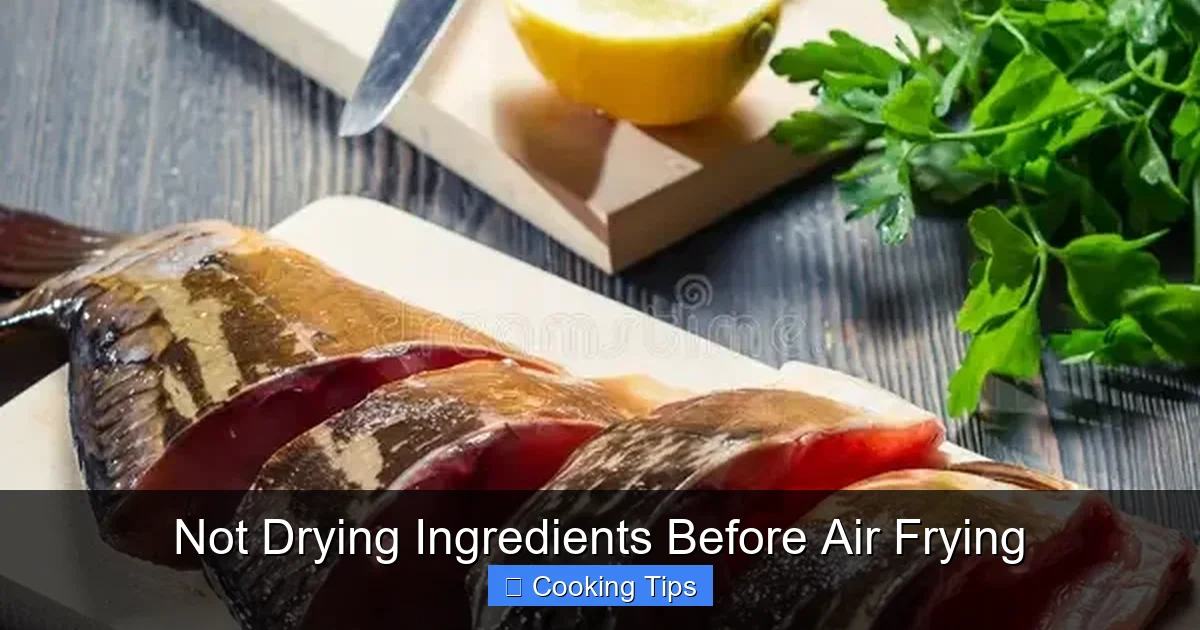
Visual guide about Not Drying Ingredients Before Air Frying
Image source: thumbs.dreamstime.com
Practical Tips:
- Don’t Over-Mix Batter: Over-mixing can develop gluten, making batters tough.
- Work in Batches: This prevents the batter from becoming too warm and losing its effectiveness.
- Ensure Even Coating: Dip the food completely into the batter.
- Example: Air-fried shrimp or zucchini blossoms coated in a light, crispy tempura batter. The delicate batter needs the moisture to form its signature texture.
Breaded Delights
For breaded items, especially those coated in flour, egg wash, and then breadcrumbs or panko, a slightly damp surface can actually help the breadcrumbs stick better.
How it Works:
The flour layer acts as a binder, and the egg wash provides the “glue.” If your chicken or fish is completely bone-dry, the egg wash might bead up. A little bit of natural moisture, or even a very lightly seasoned flour layer that’s not completely desiccated, can ensure that breading adheres beautifully. The goal is to have the breadcrumbs crisp up, not fall off.
Practical Tips:
- The Three-Step Process: Typically, you’ll dredge in flour, dip in egg wash, then coat in breadcrumbs. Ensure each layer is applied generously.
- Seasoning the Breading: Don’t forget to season your flour and breadcrumbs for maximum flavor.
- Panko for Extra Crisp: Panko breadcrumbs will give you the crispiest results.
- Example: Air-fried chicken tenders or fish fillets. You want that golden, crunchy breadcrumb coating to stay put and provide a satisfying textural contrast to the tender interior.
Vegetables That Benefit from Natural Moisture
While many vegetables need to be dried for ultimate crispiness, some can benefit from retaining a bit of their natural moisture, especially if you’re not aiming for a super-crispy, dehydrated texture.
High-Water Content Vegetables
Vegetables like zucchini, eggplant, mushrooms, and bell peppers have a higher water content. If you aggressively dry them, you risk them becoming tough or chewy rather than tender and slightly caramelized.
How it Works:
When these vegetables are air-fried with some of their natural moisture, they steam slightly on the inside while the outside gets a nice char and tenderness. This results in a softer, more succulent texture that is still delicious and flavorful.
Practical Tips:
- Cut Evenly: Ensure your vegetable pieces are cut to a similar size for even cooking.
- Don’t Overcrowd: Even with moisture, overcrowding can lead to steaming rather than roasting.
- Season Well: Proper seasoning is key to bringing out their natural flavors.
- Example: Air-fried zucchini rounds. If you pat them completely dry, they might become rubbery. Leaving them as is, or just giving them a quick rinse if they have soil, will result in tender, slightly browned rounds. Similarly, mushrooms will release their own juices, contributing to a delicious outcome.
When to Be Cautious
It’s important to reiterate that not drying ingredients isn’t a universal rule. For maximum crispiness on foods like:
- French fries
- Potato wedges
- Chicken wings (especially skin-on)
- Brussels sprouts (for that crispy edge)
- Anything you want to achieve a paper-thin, ultra-crisp exterior
…you will still want to pat them dry thoroughly. The goal is to find the right balance for the specific dish you’re making.
Troubleshooting Common Issues
* Soggy Coating: If your battered or breaded food is coming out soggy, it might be that the food itself was too wet, or you didn’t apply the coating evenly. Ensure your batter is thick enough and your breadcrumbs are packed on.
* Burnt Exterior, Undercooked Interior: This can happen with heavily sauced items. Try reducing the temperature or applying the sauce in the last 5-10 minutes of cooking.
* **Tough Meats:** If your marinated meat is coming out dry and tough, you may have overcooked it, or the marinade might have been too acidic, “cooking” the meat before air frying.
Conclusion: Embracing the Moist Advantage
The world of air frying is about more than just blasting food with hot air; it’s about understanding how different ingredients interact with that heat. While patting food dry is a staple for achieving maximum crispiness in many applications, deliberately *not* drying certain ingredients can lead to surprisingly tender interiors, wonderfully flavored exteriors, and perfectly adhered coatings.
So, next time you reach for your air fryer, consider the nature of your ingredients. Are they marinated? Sauced? Bathed in batter? Or perhaps a vegetable that benefits from its natural juices? By embracing a little moisture when it counts, you’ll unlock a new dimension of flavor and texture in your air-fried meals. Experiment with these techniques, and you might just discover your new favorite way to use your air fryer! Happy air frying!
