

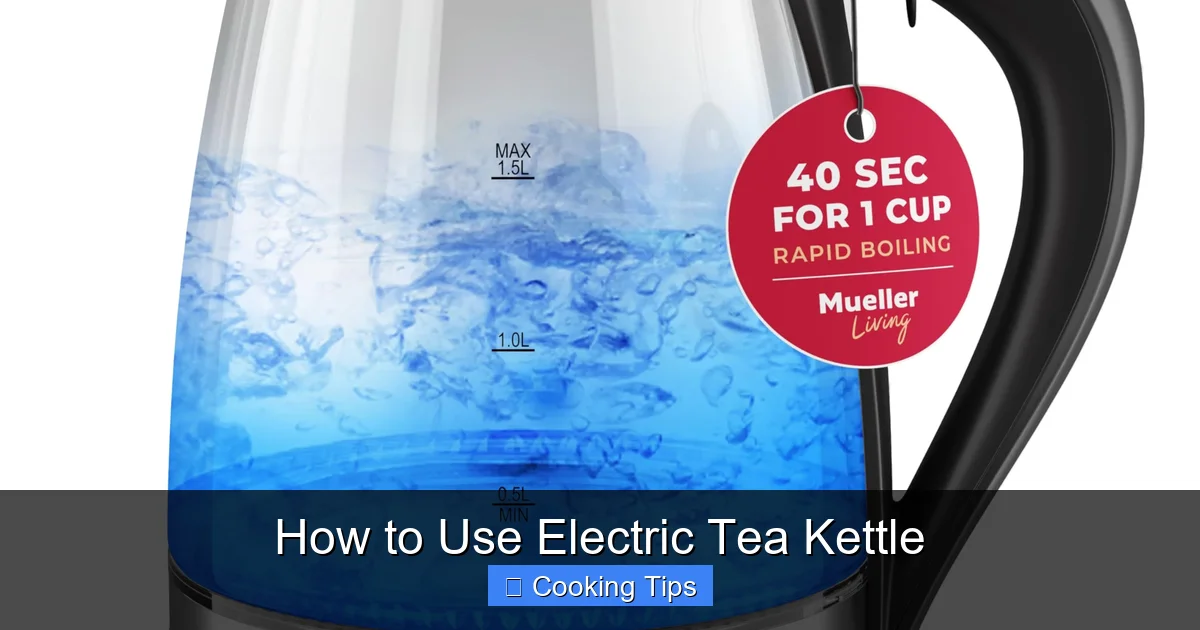
Discover the ease of using an electric tea kettle! This comprehensive guide walks you through every step, from initial setup to brewing your favorite hot drinks. Learn essential maintenance and troubleshooting to ensure your electric kettle delivers perfectly heated water for tea, coffee, and more. Enjoy faster, more convenient hot water with this indispensable kitchen appliance.
How to Use an Electric Tea Kettle
Welcome to the wonderfully simple world of electric tea kettles! If you’re a tea lover, a coffee enthusiast, or just someone who enjoys a warm beverage, you’re in for a treat. Electric tea kettles have revolutionized how we get our hot water. They are faster, safer, and often more convenient than their stovetop counterparts.
This guide is designed to take you from unpacking your new electric tea kettle to enjoying your first perfectly brewed cup of tea. We’ll cover everything you need to know: how to set it up, how to use it for various beverages, essential cleaning and maintenance, and even how to solve common issues. So, let’s dive in and unlock the full potential of your electric tea kettle!
Key Takeaways
- Effortless Operation: Electric tea kettles offer a simple, user-friendly way to heat water quickly and safely, eliminating the need for stovetop monitoring.
- Precise Temperature Control: Many models allow for specific temperature settings, crucial for brewing delicate teas and other beverages perfectly.
- Safety Features: Automatic shut-off and boil-dry protection prevent accidents and damage, making them a safer alternative to traditional kettles.
- Speed and Efficiency: Electric kettles heat water significantly faster than stovetop kettles, saving you time and energy.
- Versatile Uses: Beyond tea, they are perfect for instant coffee, hot chocolate, oatmeal, and even sterilizing small items.
- Easy Maintenance: Regular cleaning, particularly descaling, ensures optimal performance and longevity of your electric tea kettle.
Understanding Your Electric Tea Kettle
Before we start brewing, let’s get acquainted with the parts of your electric tea kettle. Most electric kettles share a similar design, though some advanced models might have a few extra features.
The Kettle Body
This is the main part where the water heats up. It can be made of stainless steel, glass, plastic, or ceramic.
The Heating Element
This is usually concealed at the bottom of the kettle. It’s what actually heats the water.
The Lid
The lid keeps the heat in and prevents water from splashing out while boiling. Some lids have a button for easy opening.
The Spout
This is where the hot water pours out. Some spouts have a filter to catch any mineral deposits or tea leaves.
The Power Base
This is where the kettle sits to draw power. It connects to the wall outlet and has electrical contacts that connect to the kettle.
The On/Off Switch or Button
This is how you start and stop the heating process. Some kettles have simple switches, while others have buttons with indicator lights.
Control Panel (for advanced models)
More sophisticated kettles might have a control panel with buttons for different temperature settings, keep-warm functions, and timers.
Getting Started: Initial Setup and First Use
The first time you use your electric tea kettle is important. It helps ensure everything is clean and ready for optimal performance.
Step 1: Unpacking and Inspection
Carefully remove the kettle and its power base from the packaging. Inspect both for any signs of damage that might have occurred during shipping. Check that all parts are present as per the manufacturer’s instructions.
Step 2: Washing the Kettle
Before the first use, wash the kettle body and the lid with warm, soapy water. Rinse thoroughly to remove any soap residue. Do not immerse the power base in water.
Step 3: The First Boil (Crucial!)
This step is vital for flushing out any manufacturing residues or dust.
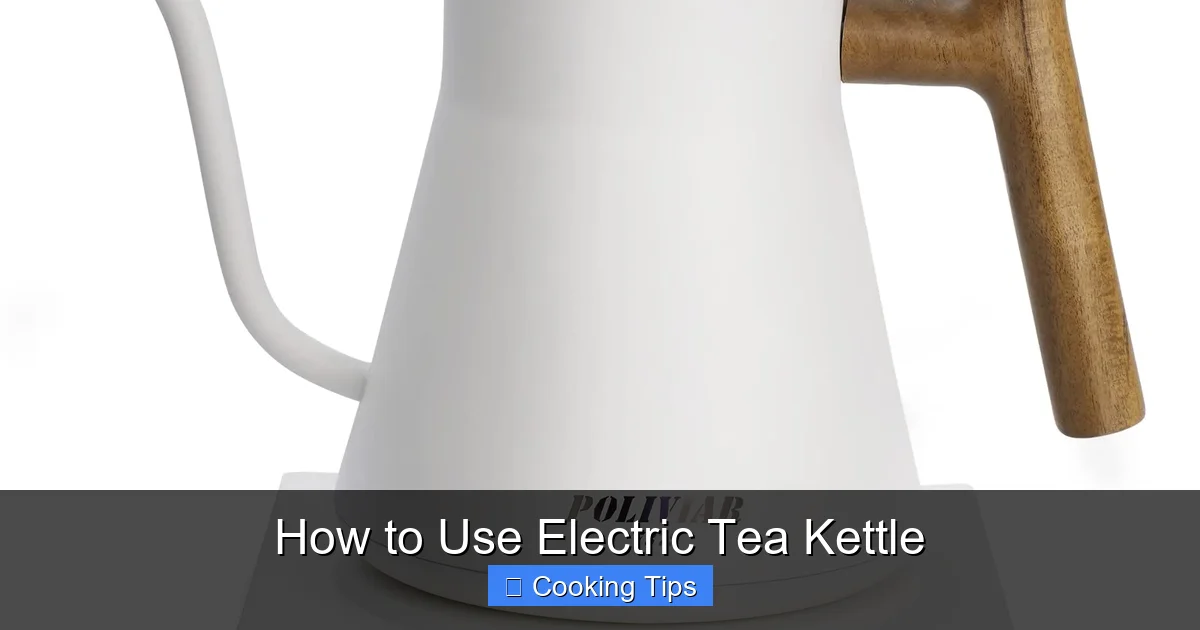
Fill the kettle with fresh, cold water up to the maximum fill line.
Make sure you don’t overfill it, as this can cause the water to boil over.
Visual guide about How to Use Electric Tea Kettle
Image source: m.media-amazon.com
Plug the power base into a suitable electrical outlet.
Place the kettle securely onto the power base.
Turn the kettle on using the on/off switch or button.
The indicator light (if present) should illuminate, showing that the kettle is heating.
Allow the water to boil completely.
Most electric kettles will automatically shut off once the water reaches boiling point. You’ll usually hear a click or the indicator light will turn off.
Carefully discard the hot water.
Be cautious as the water is very hot.
Repeat this boiling and discarding process 1-2 more times.
This ensures the kettle is thoroughly cleaned and ready for use.
How to Use Your Electric Tea Kettle for Perfect Beverages
Now that your kettle is all set, let’s get brewing! The basic operation is simple, but there are nuances for different drinks.
Step 1: Fill the Kettle
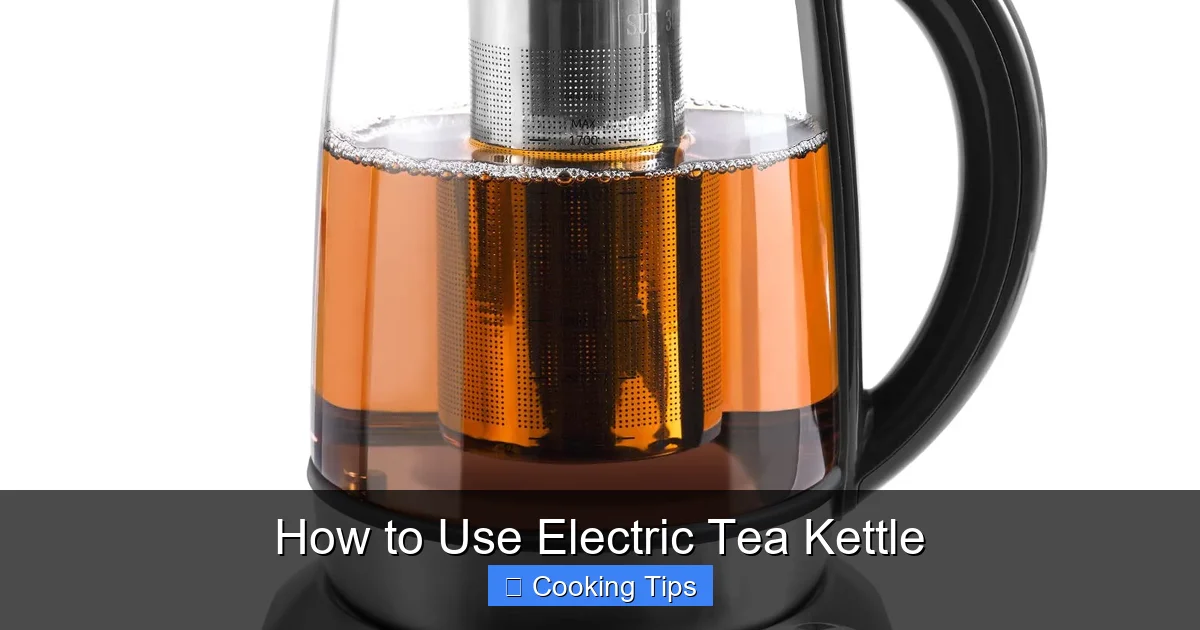
Open the lid and fill the kettle with fresh, cold water. Always use fresh water for the best taste – avoid re-boiling water that has already been boiled.
Visual guide about How to Use Electric Tea Kettle
Image source: m.media-amazon.com
Observe the minimum and maximum fill lines indicated on your kettle. Using too little water might prevent it from heating properly or trigger the boil-dry protection, while overfilling can cause dangerous overflow.
Step 2: Place the Kettle on the Power Base
Ensure the kettle is properly seated on its power base. This connection is necessary for the kettle to heat.
Step 3: Turn On the Kettle
Press the on/off switch or button. For kettles with temperature control, select your desired temperature now.
Step 4: Wait for the Water to Heat
The kettle will begin heating the water. The time it takes depends on the wattage of the kettle and the amount of water. Most kettles will automatically shut off when they reach boiling point (100°C or 212°F).
Step 5: Pour and Enjoy!
Once the kettle has switched off, carefully lift it from the power base. Pour the hot water into your mug or teapot. Be mindful of the steam escaping from the spout and lid.
Advanced Features: Temperature Control and Keep-Warm
Many modern electric tea kettles offer more than just boiling water. Temperature control is a game-changer for serious tea and coffee lovers.
Using Temperature Control
Different teas and coffee require different water temperatures to bring out their best flavors. For example:
- Black Tea: 90-100°C (194-212°F)
- Green Tea: 70-80°C (158-176°F)
- White Tea: 65-70°C (149-158°F)
- Oolong Tea: 80-85°C (176-185°F)
- Herbal Infusions: 95-100°C (203-212°F)
- Coffee: Around 90-96°C (194-205°F)
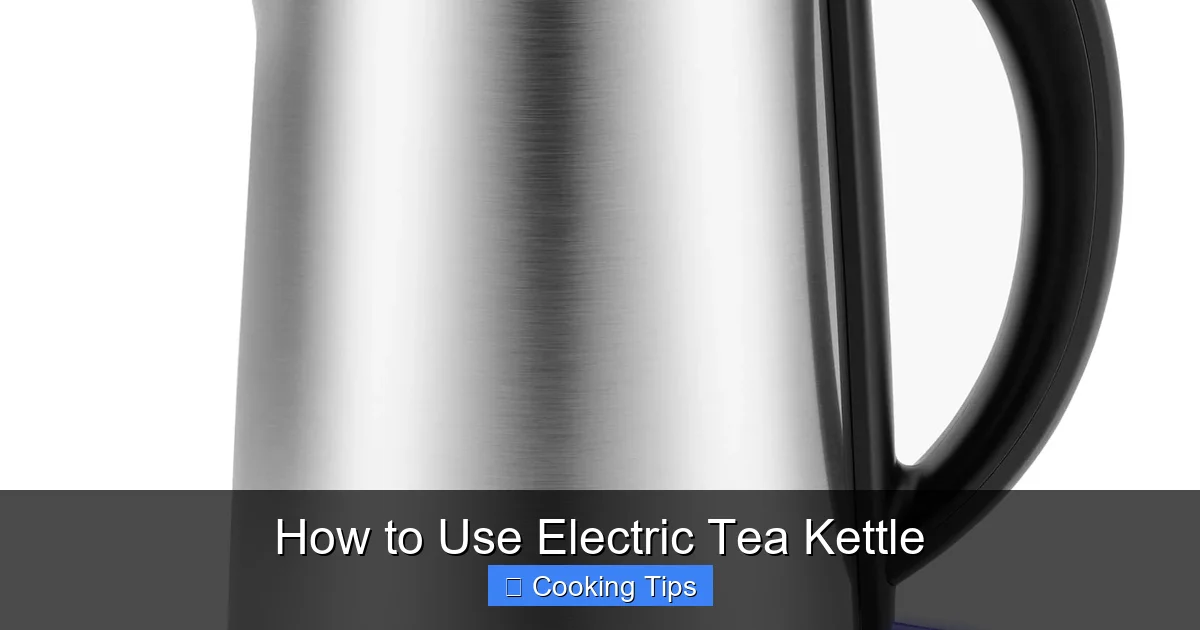
If your kettle has a temperature control panel, simply select the desired temperature before or after filling and turning on the kettle (refer to your model’s specific instructions). The kettle will heat to that exact temperature and then shut off or switch to keep-warm mode.
Visual guide about How to Use Electric Tea Kettle
Image source: m.media-amazon.com
Using the Keep-Warm Function
This feature is incredibly useful if you plan to make multiple cups or want to keep water at an ideal drinking temperature for a period.
After the water reaches your desired temperature (either boiling or a pre-set lower temperature), the kettle will automatically switch to keep-warm mode. It will maintain the water at that temperature for a set duration (e.g., 30 minutes to 2 hours), depending on the model.
Tip: While convenient, it’s generally best to use freshly heated water for optimal taste, especially for delicate teas. The keep-warm function is great for maintaining a ready temperature for instant coffee or a second cup of tea.
Safety First: Essential Precautions
Electric tea kettles are generally very safe, but like any appliance dealing with hot water, it’s important to follow safety guidelines.
- Never immerse the power base or the kettle body in water. Only the kettle body (excluding the power base connection) should be exposed to water.
- Ensure the kettle is properly seated on the power base before switching it on.
- Do not operate the kettle without water. Most kettles have boil-dry protection, but it’s best practice to always have water inside.
- Keep the power cord and base away from hot surfaces.
- Never force the lid open or try to remove the kettle from the base while it’s boiling vigorously.
- Be cautious of steam. Hot steam can cause burns. Always pour away from yourself and others.
- Supervise children when the kettle is in use or cooling down.
- Unplug the kettle when not in use and before cleaning.
- Inspect the power cord and plug regularly for any signs of damage.
Cleaning and Maintenance: Keeping Your Kettle in Top Shape
Regular cleaning will not only keep your electric tea kettle looking good but also ensure it functions efficiently and prevents mineral buildup that can affect taste.
Daily Cleaning
After each use, once the kettle has cooled down:
- Empty any leftover water.
- Rinse the inside of the kettle with fresh water.
- Wipe the exterior with a damp cloth.
- Ensure the kettle is completely dry before placing it back on the power base or storing it.
Descaling: The Most Important Maintenance
Over time, mineral deposits (limescale) from tap water can build up inside your kettle. This can lead to slower boiling times, a cloudy appearance, and an unpleasant taste in your water. How often you need to descale depends on the hardness of your water.
How to Descale Your Electric Tea Kettle:
Method 1: Using Vinegar
- Prepare the Solution: Mix equal parts white vinegar and water. Fill the kettle with this solution, ensuring it covers the limescale deposits. If the deposits are heavy, you might need more vinegar.
- Let it Soak: Let the solution sit in the kettle for at least 30 minutes to an hour. For stubborn scale, you can leave it overnight.
- Boil (Optional but Recommended): For faster results, you can then boil the vinegar-water solution in the kettle.
- Discard and Rinse: Carefully discard the hot vinegar-water solution. Rinse the kettle thoroughly with fresh water multiple times (at least 3-4 times) to remove any vinegar smell or taste.
- Boil Fresh Water: Fill the kettle with fresh water and boil it. Discard this water to ensure no lingering taste.
Method 2: Using Baking Soda
- Prepare the Solution: Add 1-2 tablespoons of baking soda to the kettle.
- Add Water: Fill the kettle with water.
- Boil: Bring the water to a boil.
- Let it Sit: Let the solution sit in the kettle for about 15-30 minutes.
- Discard and Rinse: Discard the water and rinse the kettle thoroughly with fresh water.
- Boil Fresh Water: Boil a kettleful of fresh water and discard it.
Method 3: Using Commercial Descalers
You can also purchase specific descaling solutions designed for kettles. Always follow the manufacturer’s instructions on the product packaging carefully.
Important Note: Always check your kettle’s user manual before descaling, as some manufacturers may recommend specific methods or advise against certain cleaning agents.
Troubleshooting Common Issues
Even the best appliances can sometimes present minor challenges. Here’s how to tackle some common problems with your electric tea kettle.
Issue: Kettle won’t turn on.
Possible Causes & Solutions:
- Not plugged in: Ensure the kettle is plugged into a working electrical outlet. Try plugging in another appliance to test the outlet.
- Kettle not seated properly on the base: Lift the kettle off the base and reseat it firmly. Ensure the electrical contacts are clean on both the kettle and the base.
- Power surge or tripped breaker: Check your home’s circuit breaker.
- Damaged cord or plug: If you see any damage, do not use the kettle and contact the manufacturer for repair or replacement.
Issue: Kettle turns off before boiling.
Possible Causes & Solutions:
- Low water level: Ensure the water level is between the minimum and maximum fill lines. The boil-dry protection might be engaged if the water level is too low.
- Kettle needs descaling: Limescale buildup can interfere with the heating element’s performance. Try descaling your kettle.
- Faulty thermostat or element: If descaling doesn’t help, there might be an internal issue. Contact customer support.
Issue: Water tastes strange or metallic.
Possible Causes & Solutions:
- Residue from manufacturing: If this is the first use, complete the initial boiling and discarding steps again.
- Limescale buildup: Descale the kettle.
- Dirty kettle: Clean the kettle thoroughly.
- Using old or re-boiled water: Always use fresh, cold water.
Issue: Kettle is leaking.
Possible Causes & Solutions:
- Overfilling: Ensure you are not filling the kettle beyond the maximum fill line.
- Damaged seal or spout: Inspect the lid seal and the spout for any cracks or damage. If damaged, contact the manufacturer.
- Not properly assembled: Ensure all parts, especially the lid, are correctly in place.
Conclusion: Enjoying Hot Beverages Made Easy
Your electric tea kettle is a simple yet powerful tool for enjoying a variety of hot beverages. By understanding its basic functions, taking advantage of its features like temperature control, and performing regular maintenance, you can ensure it serves you well for years to come. From your morning cup of coffee to a soothing evening tea, your electric kettle is ready to deliver perfectly heated water with speed and safety.
Embrace the convenience, experiment with different brewing temperatures for your favorite teas, and enjoy the ease that this modern kitchen essential brings to your daily routine. Happy brewing!
