

Regularly cleaning your Breville electric kettle ensures optimal performance and pure-tasting water. This guide walks you through easy methods, from tackling mineral buildup to general upkeep, keeping your appliance in top shape. Learn how to descale effectively and maintain a sparkling clean kettle for years to come.
Key Takeaways
- Regular Cleaning Prevents Scale Buildup: Frequent cleaning, especially in hard water areas, is crucial to prevent mineral deposits from affecting your kettle’s performance and the taste of your water.
- Vinegar is a Natural Descaler: White vinegar is a safe and effective household item for breaking down stubborn limescale.
- Citric Acid is an Alternative: For those who dislike the smell of vinegar, citric acid provides a similar descaling power with a more neutral odor.
- Gentle Scrubbing is Key: Avoid abrasive materials that can scratch the kettle’s interior or exterior. A soft cloth or sponge is ideal.
- Rinse Thoroughly: After any cleaning process, it’s essential to rinse the kettle multiple times to remove any residual cleaning solution and ensure pure-tasting water.
- Don’t Forget the Exterior: A clean exterior makes your kettle look its best and prevents dirt from transferring to the inside.
How to Clean Breville Electric Kettle
Welcome to your comprehensive guide on how to clean your Breville electric kettle! If you enjoy a perfectly brewed cup of tea or coffee, you know how important clean, pure water is. Over time, especially if you live in an area with hard water, mineral deposits, often called limescale, can build up inside your electric kettle. This not only looks unsightly but can also affect the kettle’s heating efficiency and, more importantly, the taste of your hot beverages. Don’t worry, keeping your Breville kettle sparkling clean is a straightforward process. This guide will equip you with the knowledge and steps to effectively clean and maintain your Breville electric kettle, ensuring it always delivers pure, delicious hot water.
We’ll cover everything from removing stubborn limescale to routine cleaning that keeps your appliance in top condition. You’ll learn about different cleaning solutions you can use, the simple steps involved, and some helpful tips to make the process even easier. By the end of this guide, you’ll feel confident in your ability to keep your Breville electric kettle looking and performing its best.
Why Cleaning Your Breville Kettle Matters
Before we dive into the “how,” let’s touch on the “why.” A clean kettle is a happy kettle! Here’s why regular cleaning is so important for your Breville electric kettle:
- Pure-Tasting Water: Limescale is primarily made up of calcium and magnesium. When these minerals deposit inside your kettle, they can leach into your water, giving it a cloudy appearance and an unpleasant, chalky taste.
- Improved Heating Efficiency: A layer of scale acts as an insulator, meaning your kettle has to work harder and longer to heat the water. This can lead to increased energy consumption and longer waiting times for your hot water.
- Extended Lifespan: Persistent limescale buildup can put a strain on the heating element of your kettle, potentially shortening its operational life. Regular cleaning helps protect this vital component.
- Hygienic Appliance: Like any kitchen appliance that comes into contact with water, a kettle can be a breeding ground for bacteria and mold if not cleaned regularly.
- Aesthetics: Let’s be honest – a clean kettle simply looks better on your kitchen counter!
Now that we understand the importance, let’s get down to the practical steps of cleaning your Breville electric kettle.
Gathering Your Cleaning Supplies
Before you begin, it’s a good idea to have all your supplies ready. This will make the cleaning process smooth and efficient. For most Breville electric kettle cleaning tasks, you’ll need:
- White vinegar (distilled is best) OR Citric acid
- Water
- A soft cloth or sponge
- A measuring cup or jug
- Optional: Dish soap (for exterior cleaning)
- Optional: Baking soda (for stubborn spots or deodorizing)
You’ll notice we’ve mentioned both white vinegar and citric acid. These are the two most popular and effective natural descalers for electric kettles. We’ll explain how to use both.
Descaling Your Breville Electric Kettle (The Main Event)
Descaling is the process of removing limescale buildup. This is the most crucial part of cleaning your electric kettle. We’ll walk you through the most common and effective methods.
Method 1: Using White Vinegar
White vinegar is a kitchen staple that’s incredibly effective at breaking down limescale due to its acetic acid content. It’s also readily available and inexpensive.
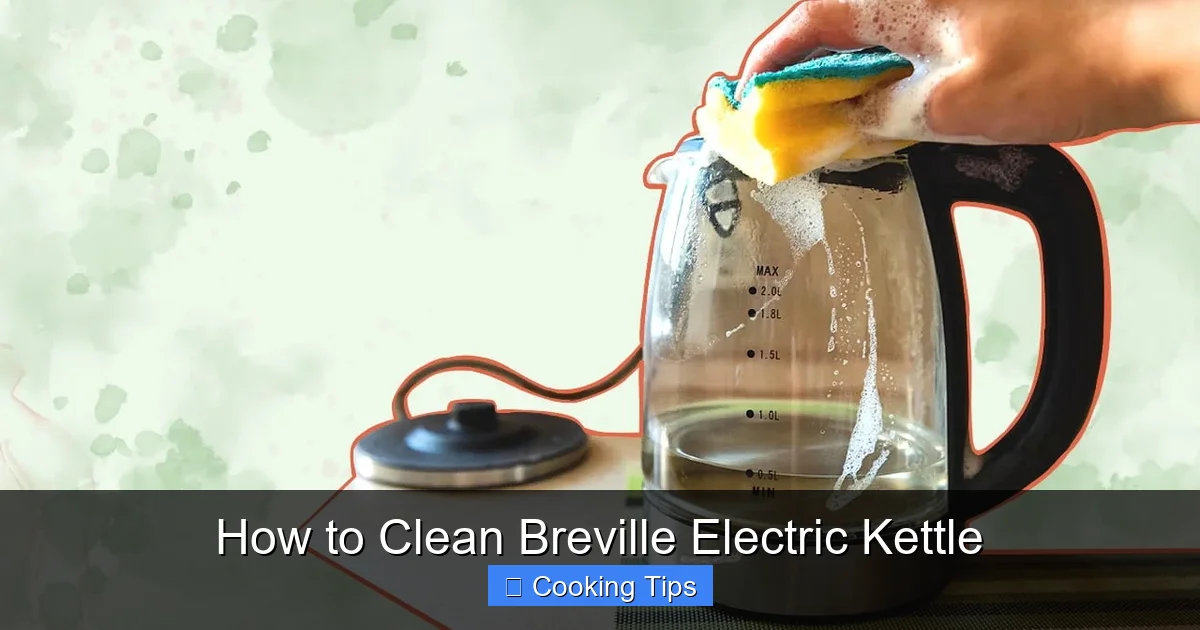
Step 1: Prepare the Vinegar Solution
For this method, you’ll typically use a 1:1 ratio of white vinegar to water.
Visual guide about How to Clean Breville Electric Kettle
Image source: homesthetics.net
Visual guide about How to Clean Breville Electric Kettle
Image source: i2.wp.com
H3: Add Vinegar and Water to the Kettle
Fill your Breville electric kettle with an equal amount of white vinegar and water. For example, if your kettle has a 1.7-liter capacity, you might use about 850ml of vinegar and 850ml of water. Ensure the solution covers the limescale deposits, but do not fill the kettle past its maximum fill line.
Step 2: Heat the Solution (But Don’t Boil!)
The warmth helps the vinegar work faster.
H3: Heat the Mixture
Place the kettle on its base and switch it on. You want to heat the solution until it’s hot but not boiling. Boiling can sometimes create strong fumes and is not necessary for the vinegar to work its magic. If your kettle has a “boil” function, you can use it but be prepared for strong vinegar smells.
Step 3: Let it Soak
Patience is key here.
H3: Allow Time for Descaling
Once the solution is heated, switch off the kettle and unplug it. Let the hot vinegar and water mixture sit inside the kettle for at least 30 minutes to an hour. For very stubborn limescale, you might need to leave it for a few hours, or even overnight.
Step 4: Scrub Away Loose Scale
Gentle is the operative word.
H3: Remove Remaining Scale
After the soaking period, carefully empty the vinegar solution from the kettle. You should see that much of the limescale has softened and started to flake off. Use a soft cloth or sponge to gently scrub away any remaining loose deposits. Avoid using abrasive pads or steel wool, as these can scratch the interior of your kettle.
Step 5: Rinse Thoroughly
Crucial for taste!
H3: Multiple Rinses are Necessary
This is a very important step to remove all traces of vinegar and loosened scale. Fill the kettle with fresh water and boil it. Discard the water. Repeat this rinsing and boiling process at least two to three times. Sniff the water after the last rinse; if you can still detect any vinegar smell, rinse again. You want to ensure that no vinegar residue remains, as it will affect the taste of your water.
Method 2: Using Citric Acid
Citric acid is another excellent natural descaler. It’s particularly good if you find the smell of vinegar off-putting. Citric acid is a food-grade acid that’s often used in baking and food preservation.
Step 1: Prepare the Citric Acid Solution
Measure accurately.
H3: Mix Citric Acid with Water
Add about 1 to 2 tablespoons of citric acid powder to your kettle. Then, fill the kettle with water, making sure the powder dissolves well. You don’t need to fill it to the brim; just ensure the water covers the affected areas. A good starting point is 1 tablespoon of citric acid for every liter of water.
Step 2: Heat the Solution
Warmth aids the cleaning.
H3: Heat the Citric Acid Mixture
Place the kettle on its base and switch it on. Heat the water until it’s hot, but again, you don’t need to bring it to a rolling boil. Once hot, switch off the kettle and unplug it.
Step 3: Let it Soak
Give it time to work.
H3: Allow Citric Acid to Dissolve Scale
Let the citric acid solution sit in the kettle for about 30 minutes to an hour. This will give the citric acid enough time to break down the limescale effectively.
Step 4: Scrub and Rinse
Clean and refresh.
H3: Remove Scale and Rinse Thoroughly
Empty the kettle and gently scrub away any remaining loose scale with a soft cloth or sponge. Rinse the kettle thoroughly with fresh water, boiling and discarding the water at least two or three times, just as you would with the vinegar method. This ensures no citric acid residue remains.
Routine Cleaning and Maintenance
Descaling is for tackling buildup, but what about everyday cleaning? Regular, simple cleaning will prevent significant scale formation in the first place.
Cleaning the Exterior of Your Breville Kettle
A clean kettle isn’t just about what’s inside. Keeping the exterior clean also helps maintain its appearance and prevents dirt from being transferred to the interior.
H3: Wipe Down the Exterior
Use a damp, soft cloth to wipe down the exterior of your Breville kettle. For stubborn marks or fingerprints, you can use a tiny amount of mild dish soap on the cloth, but be sure to wipe it clean with a fresh damp cloth afterward to remove any soap residue.
H3: Clean the Handle and Lid
Pay attention to the handle and the lid, as these are areas you touch frequently. Wipe them down with your damp cloth.
H3: Avoid Abrasives
Just like the interior, avoid using abrasive cleaners or scrubbing pads on the exterior, especially if your kettle has a brushed stainless steel finish, as this can cause scratches.
Cleaning the Kettle Filter (If Applicable)
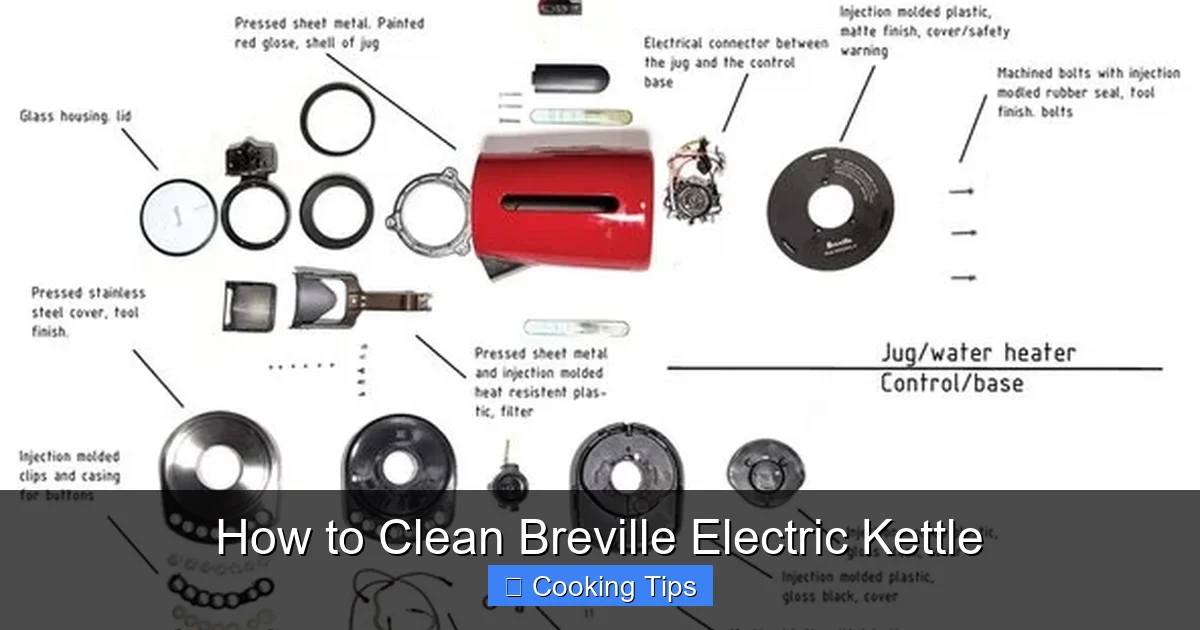
Many Breville kettles come with a removable filter, usually located at the spout, designed to catch mineral deposits. This filter can also accumulate scale and debris.
H3: Remove the Filter
Carefully remove the filter from the kettle. Refer to your Breville kettle’s manual if you’re unsure how to do this.
H3: Rinse the Filter
Rinse the filter under warm running water. You can use a soft brush (like an old toothbrush) to gently dislodge any debris or scale. For tougher buildup, you can soak the filter in the vinegar or citric acid solution for a short period (15-20 minutes), then rinse thoroughly.
H3: Reinsert the Filter
Once clean and dry, reinsert the filter back into its correct position.
Cleaning the Kettle Base
The base of your electric kettle is where the heating element is located and where the kettle connects to power. It’s important to keep this clean but also to be extremely cautious with water.
H3: Ensure Kettle is Unplugged
Always make sure the kettle is unplugged from the power outlet before cleaning the base.
H3: Wipe with a Damp Cloth
Use a slightly damp cloth to wipe down the exterior of the power base. Avoid getting water into any electrical contacts or openings.
H3: Never Immerse in Water
The power base is an electrical component and should never be submerged in water or placed in a dishwasher.
Troubleshooting Common Kettle Cleaning Issues
Even with regular cleaning, you might encounter a few stubborn issues.
Stubborn Limescale Won’t Budge
If after a vinegar or citric acid soak, some limescale remains, you can try repeating the process. For extremely stubborn spots, you can try making a paste of baking soda and water, applying it to the affected area, letting it sit for a while, and then gently scrubbing. Always rinse very thoroughly afterward.
Lingering Vinegar Smell
This is a common issue. Ensure you are rinsing multiple times. Boiling a kettle filled with just fresh water and a squeeze of lemon juice can also help to neutralize any lingering vinegar odors. You might need to do this a couple of times.
Water Still Tastes Off After Cleaning
If you’ve thoroughly cleaned and rinsed your kettle and the water still doesn’t taste quite right, check the filter for any hidden buildup. If the filter is clean, consider if your tap water itself might have an unusual taste.
How Often Should You Clean Your Breville Kettle?
The frequency of cleaning depends on your water quality.
- Hard Water Areas: If you have hard water, you’ll likely need to descale your kettle every 1 to 3 months.
- Soft Water Areas: In areas with soft water, descaling every 6 months might be sufficient.
- Visible Scale: If you start to see visible white deposits forming inside your kettle, it’s time to descale, regardless of the schedule.
- General Wipe Down: A quick exterior wipe down and rinsing the filter should be done weekly or as needed.
Conclusion
Cleaning your Breville electric kettle is a simple yet vital maintenance task. By following these steps, you can ensure your kettle functions efficiently, lasts longer, and most importantly, provides you with pure, great-tasting hot water for all your beverages. Whether you choose the vinegar or citric acid method for descaling, remember to be gentle, rinse thoroughly, and perform regular maintenance. A little effort goes a long way in keeping your Breville kettle in pristine condition. So, grab your supplies and give your kettle the clean it deserves!
