


Extend the lifespan and ensure the pristine taste of your beverages with this comprehensive guide to cleaning your Fellow electric kettle. We’ll walk you through regular maintenance and deep cleaning methods, covering everything from descaling to polishing the exterior. Following these simple steps will keep your kettle performing optimally and looking its best for years to come. Regular cleaning prevents mineral buildup, while specific techniques ensure a spotless interior and exterior.
How to Clean Fellow Electric Kettle
Your Fellow electric kettle is more than just an appliance; it’s a gateway to perfectly brewed coffee, delightful tea, and comforting hot chocolate. Its sleek design and precise temperature control make it a beloved fixture in many kitchens. But like any kitchen essential, it requires a little TLC to keep it performing at its best and looking its most stylish. Over time, mineral deposits from your water can build up, affecting not only the taste of your beverages but also the efficiency of your kettle.
This comprehensive guide will equip you with all the knowledge you need to effectively clean and maintain your Fellow electric kettle. We’ll cover everything from simple, routine cleaning to tackling those stubborn mineral deposits, ensuring your kettle remains a reliable and beautiful addition to your countertop for years to come. Get ready to unlock the secret to a consistently great-tasting brew and a kettle that shines!
Key Takeaways
- Regular Descaling is Crucial: Mineral deposits from water can build up over time, affecting heating efficiency and water taste. Descaling your Fellow electric kettle at least once a month prevents this.
- Vinegar is Your Best Friend: White vinegar is a natural, effective, and food-safe descaling agent that tackles stubborn mineral buildup without harsh chemicals.
- Gentle Exterior Cleaning: The sleek design of Fellow kettles requires careful cleaning. Use a soft, damp cloth and mild soap to maintain its aesthetic appeal without scratching.
- Avoid Abrasive Materials: Never use steel wool, abrasive sponges, or harsh cleaners on your kettle. These can damage the finish and internal components.
- Focus on the Spout: Mineral deposits can accumulate in the spout, affecting pouring. Regular rinsing and occasional gentle scrubbing will keep it clear.
- Safety First: Always unplug your Fellow electric kettle before cleaning and ensure it is completely cool to prevent burns or electrical hazards.
Why Cleaning Your Fellow Electric Kettle Matters
Before we dive into the “how-to,” let’s briefly touch on “why.” If you’ve ever noticed a chalky residue inside your kettle or a slightly off taste in your morning coffee, you’re likely experiencing the effects of mineral buildup. This buildup, commonly known as limescale, is caused by minerals like calcium and magnesium present in tap water. When water is heated, these minerals are left behind, forming stubborn deposits.
Limescale isn’t just an aesthetic issue. It can:
- Reduce Heating Efficiency: A thick layer of limescale acts as an insulator, making your kettle work harder and longer to heat water. This wastes energy and increases your electricity bills.
- Affect Taste: The minerals themselves can leach into your water, imparting a metallic or chalky flavor to your beverages, masking the nuanced tastes of your favorite coffee beans or tea leaves.
- Shorten Kettle Lifespan: In severe cases, extensive limescale buildup can damage the heating element of your kettle, leading to premature failure.
Regular cleaning, particularly descaling, is the most effective way to combat these issues and ensure your Fellow electric kettle continues to deliver perfectly heated water, cup after cup.
Gather Your Cleaning Supplies
Before you begin, ensure you have the necessary supplies. Having everything on hand will make the cleaning process smooth and efficient.
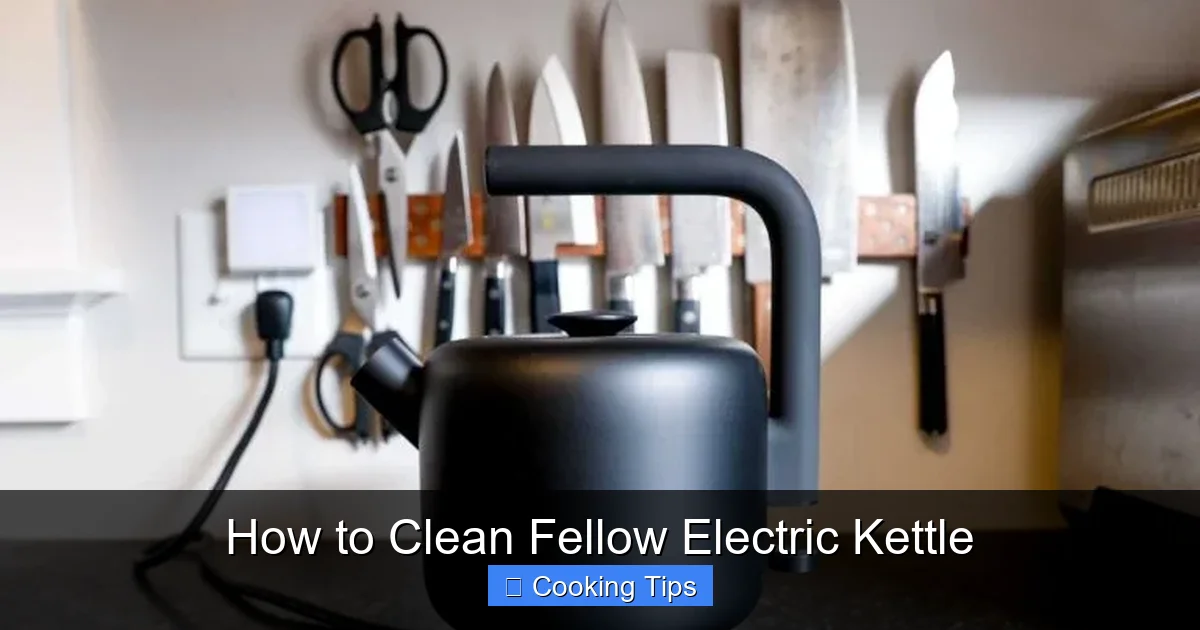
Visual guide about How to Clean Fellow Electric Kettle
Image source: kitchenadvising.com
Essential Cleaning Items:
- White Vinegar (distilled white vinegar is ideal)
- Water
- Soft, non-abrasive cloths (microfiber cloths are excellent)
- Mild dish soap
- A soft-bristled brush or old toothbrush (optional, for stubborn spots)
Step-by-Step Guide to Cleaning Your Fellow Electric Kettle
Cleaning your Fellow electric kettle can be divided into two main categories: routine cleaning and deep cleaning (descaling). Let’s start with the basics.
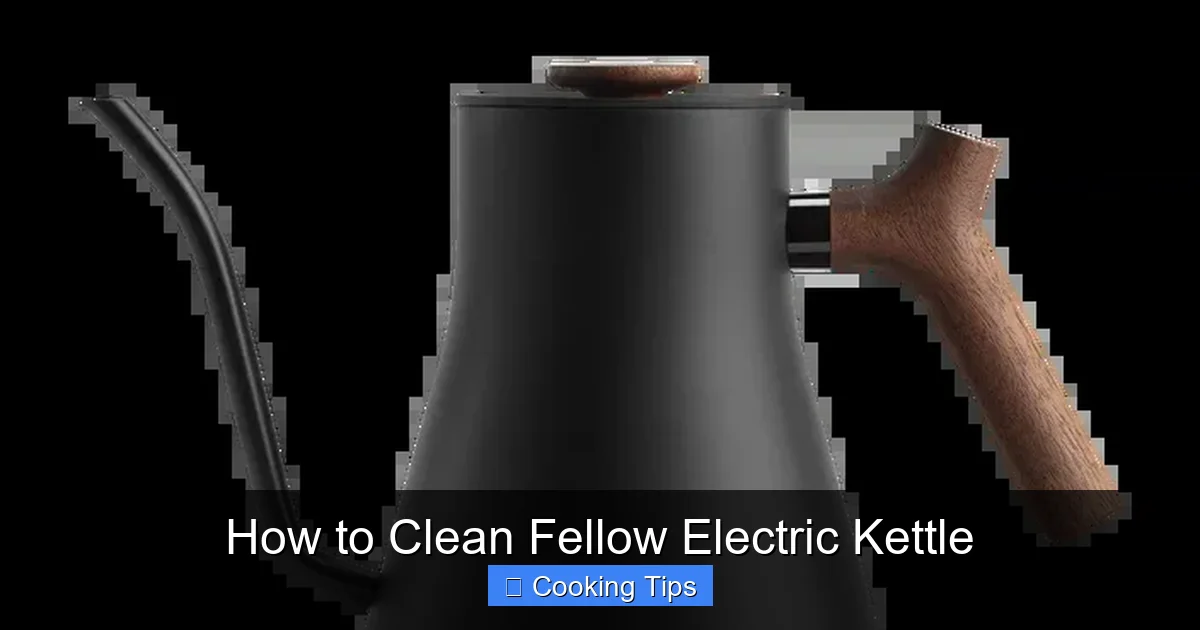
Visual guide about How to Clean Fellow Electric Kettle
Image source: fellowproducts.com
Routine Exterior Cleaning
This is the kind of cleaning you’ll want to do regularly to keep your kettle looking pristine. It’s quick, easy, and prevents minor grime from becoming a larger issue.

Visual guide about How to Clean Fellow Electric Kettle
Image source: stainlesssteelteakettles.com
1. Unplug and Cool Down
Crucial Safety Step: Always ensure your Fellow electric kettle is unplugged from the power outlet and has completely cooled down before you begin any cleaning. This prevents accidental shocks or burns.
2. Wipe Down the Exterior
Use a soft, damp cloth to wipe down the exterior surfaces of your kettle. For fingerprints or light smudges, a damp cloth is often sufficient. If there are slightly more stubborn marks, you can use a small amount of mild dish soap on the cloth.
3. Rinse and Dry
If you used dish soap, follow up with a clean, damp cloth to wipe away any soap residue. Then, use a dry, soft cloth to buff the exterior and prevent water spots. Pay attention to the lid and handle.
4. Clean the Base (If Applicable)
Most electric kettles have a separate base. Unplug the kettle from the base, and then wipe down the base with a damp cloth. Be careful not to let water seep into the electrical connections. Ensure both the kettle’s connector and the base’s connector are dry before reassembling.
Deep Cleaning: Descaling Your Fellow Electric Kettle
This is the most important part of keeping your kettle in top condition. Descaling removes mineral deposits and ensures optimal performance. We recommend doing this at least once a month, or more often if you have particularly hard water.
1. Prepare the Descaling Solution
The most effective and safest descaling solution is white vinegar and water. For a standard-sized kettle, a good ratio is one part white vinegar to one part water. For example, if your kettle’s maximum capacity is 1 liter, you would use 500ml of white vinegar and 500ml of water.
2. Fill the Kettle
Pour the prepared vinegar and water solution into your Fellow electric kettle. Do not fill it past the “MAX” line.
3. Heat the Solution
Place the kettle on its base and plug it in. Heat the solution until it is hot, but do not let it boil vigorously. You want to give the vinegar time to work on the mineral deposits. You can stop the heating cycle once it’s hot, or let it run through one heating cycle. For very stubborn buildup, you might need to let the hot solution sit for a while.
4. Let it Soak (Optional but Recommended)
After heating, turn off and unplug the kettle. Let the hot vinegar and water solution sit inside the kettle for at least 30 minutes to an hour. For severe limescale, you can leave it for several hours or even overnight. This soaking time allows the acidity of the vinegar to break down the mineral deposits more effectively.
5. Discard the Solution and Rinse
Carefully pour the vinegar and water solution down the drain. Rinse the inside of the kettle thoroughly with clean water. You may need to rinse it several times to get rid of any lingering vinegar smell or taste.
6. Boil Fresh Water (Rinsing Boil)
Fill the kettle with fresh, clean water up to the “MAX” line. Place it on the base and bring the water to a boil. This “rinsing boil” is essential to remove any residual vinegar taste or smell. Discard this boiled water.
7. Repeat if Necessary
If you still see signs of mineral buildup or notice a persistent smell of vinegar after the first descaling, you may need to repeat the process. For extremely stubborn scale, you might need to repeat the vinegar soak and boil steps a couple of times.
8. Clean the Interior with a Soft Brush (If Needed)
For any particularly tenacious spots of limescale that didn’t come off with the vinegar soak, you can use a soft-bristled brush or an old toothbrush to gently scrub them away. Be careful not to scratch the interior surface.
Cleaning the Spout and Lid
The spout and lid can also accumulate mineral deposits. These areas often get overlooked but are vital for a good pour and a clean brew.
Cleaning the Spout:
After descaling, if you notice any remaining buildup around the spout, you can use a slightly damp cloth or a soft-bristled brush to gently clean it. A cotton swab can be helpful for reaching into nooks and crannies. Ensure no cleaning residue is left behind.
Cleaning the Lid:
The lid can usually be wiped down with a damp cloth as part of your routine exterior cleaning. If there’s any internal buildup, the descaling process should take care of it. For removable lids, you might be able to wash them more thoroughly under running water, but always check your kettle’s manual to ensure this is safe.
Troubleshooting Common Fellow Kettle Cleaning Issues
Even with regular cleaning, you might encounter a few specific issues. Here’s how to tackle them.
Stubborn Mineral Stains:
If the vinegar soak isn’t completely removing very old or thick limescale, try making a thicker paste of baking soda and water. Apply this paste to the stained areas, let it sit for 15-30 minutes, and then gently scrub with a soft cloth or brush. Rinse thoroughly afterward.
Lingering Vinegar Smell:
The vinegar smell can be persistent. Ensure you are doing at least one or two “rinsing boils” with fresh water after descaling. Some people find that boiling a cup of lemon juice in water after the vinegar soak can help neutralize the smell. Always discard this water.
Water Spots on Exterior:
These are usually caused by minerals in your tap water drying on the surface. After cleaning, make sure to dry the exterior thoroughly with a soft, lint-free cloth, like microfiber, to achieve a streak-free shine.
Discoloration:
Some kettles, especially stainless steel ones, can develop slight discoloration over time. For stainless steel, a paste of baking soda and water can often help restore the shine. Gently rub it on with a soft cloth, rinse, and dry. Avoid abrasive cleaners, as they can scratch the finish.
Tips for Maintaining Your Fellow Electric Kettle
Prevention is always better than cure. Here are some tips to keep your Fellow electric kettle in excellent condition:
- Use Filtered Water: If you have very hard water, consider using filtered or distilled water to significantly reduce mineral buildup.
- Empty After Each Use: Don’t leave water sitting in the kettle for extended periods. Emptying it after each use minimizes the chance of new mineral deposits forming.
- Wipe Down After Use: A quick wipe down of the exterior after each use can prevent fingerprints and smudges from setting in.
- Regular Visual Checks: Make it a habit to look inside your kettle every so often. Catching early signs of limescale makes cleaning much easier.
- Read Your Manual: Always refer to your Fellow electric kettle’s specific user manual for any particular cleaning recommendations or warnings.
Conclusion
Caring for your Fellow electric kettle is a straightforward process that pays dividends in the quality of your daily brews and the longevity of your appliance. By incorporating regular exterior cleaning and periodic deep descaling with a simple vinegar solution, you can keep your kettle performing optimally and looking as stylish as the day you bought it. Remember to always prioritize safety by unplugging the kettle and ensuring it’s cool before cleaning. With these easy steps, your Fellow electric kettle will be ready to deliver perfectly heated water for countless cups of your favorite beverages.
