

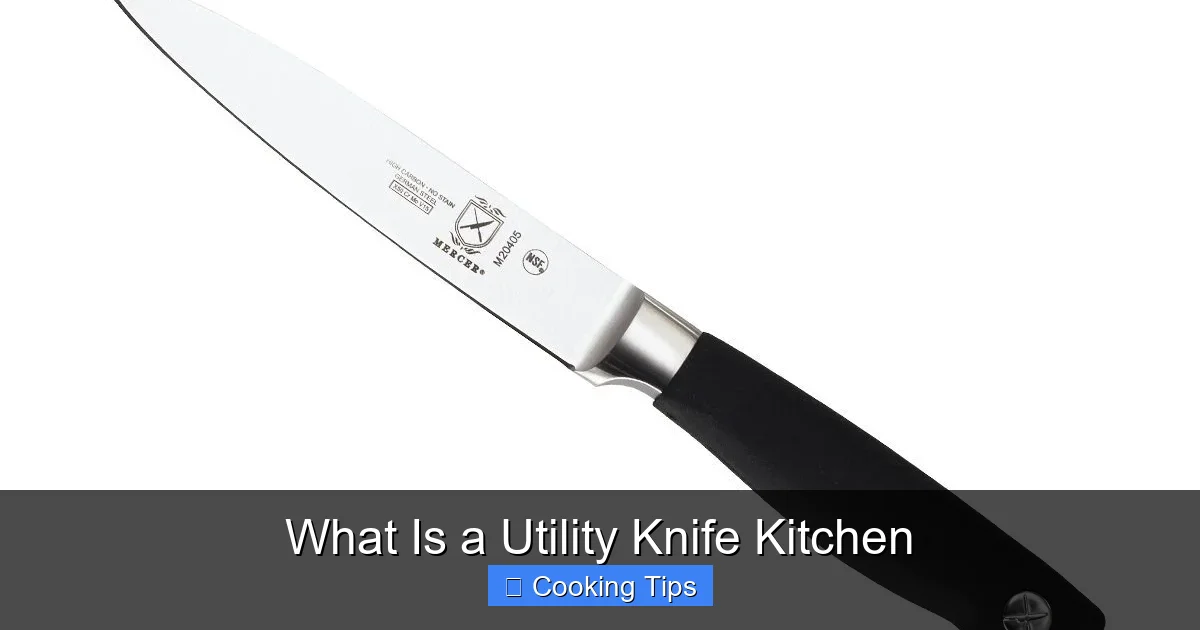
A kitchen utility knife is an indispensable tool, bridging the gap between paring knives and larger chef’s knives. This guide demystifies the utility knife, explaining its purpose, varieties, and how to select the best one for your needs. Discover practical tips for using it effectively and maintaining its sharpness, making it a true workhorse in your culinary arsenal.
What Is A Utility Knife Kitchen
Welcome to your ultimate guide to understanding and utilizing the kitchen utility knife! In the bustling world of culinary tools, it’s easy to get lost among the variety of knives available. You have your mighty chef’s knife, the precise paring knife, the bread-slicing serrated knife, and so many more. But where does the humble utility knife fit in? This guide will demystify this incredibly useful kitchen companion, explaining what it is, why you need one, how to choose the perfect one for your kitchen, and how to use it like a pro. Get ready to elevate your food preparation with this often-underestimated, yet exceptionally versatile, knife.
Key Takeaways
- Versatile Size: The utility knife is perfectly sized for tasks too large for a paring knife but too small for a chef’s knife, offering excellent maneuverability.
- Blade Characteristics: Typically ranging from 4 to 7 inches, its blade is often narrower and more pointed than a chef’s knife, making it ideal for detail work.
- Multiple Uses: It excels at slicing fruits, vegetables, sandwiches, and smaller cuts of meat, as well as trimming fat and herbs.
- Choosing the Right One: Consider blade material (stainless steel is common and durable), handle comfort and grip, and blade type (straight or serrated) based on your typical cooking tasks.
- Proper Maintenance: Regular sharpening and cleaning are crucial for maintaining the utility knife’s performance and longevity, ensuring it remains a reliable kitchen companion.
- Safety First: Always use a stable cutting surface, keep fingers away from the blade, and store the knife properly to prevent accidents.
Understanding the Utility Knife
So, what exactly is a utility knife in a kitchen context? Think of it as the “middle child” of your knife collection, perfectly positioned between the tiny paring knife and the larger chef’s knife. Its size and shape make it exceptionally adaptable for a wide range of tasks that might feel awkward or inefficient with other knives.
The Defining Characteristics
The most distinguishing features of a kitchen utility knife are its size and blade shape.
Blade Length
Typically, a utility knife boasts a blade that measures between 4 and 7 inches in length. This length is crucial. A paring knife, usually 2-4 inches, is great for small, delicate tasks like peeling or coring. A chef’s knife, commonly 8-10 inches, is your go-to for chopping, dicing, and slicing larger ingredients. The utility knife, with its 4-7 inch blade, hits a sweet spot, offering more reach and control than a paring knife without the bulk of a chef’s knife.
Blade Shape and Design
The blade of a utility knife is generally narrower than that of a chef’s knife. It often features a more pointed tip, which is excellent for precision work. Some utility knives have a straight edge, while others have a serrated edge. We’ll delve into the differences and uses of these blade types later on.
Why It’s a “Utility” Knife
The name “utility” truly says it all. This knife is designed for general use, to tackle a variety of tasks around the kitchen with efficiency and ease. It’s the knife you’ll reach for when a paring knife is too small and a chef’s knife feels like overkill.
The Essential Role of a Utility Knife in Your Kitchen
Many home cooks overlook the utility knife, but its inclusion can significantly streamline your cooking process. It fills gaps in your knife repertoire that you might not even realize exist until you have the right tool for the job.
Bridging the Gap: When to Use a Utility Knife
Imagine you’re preparing a meal. You need to slice some tomatoes for a salad, trim fat from a piece of chicken, or cut a sandwich in half. A paring knife might be too short and require more sawing motion. A chef’s knife might be too large, making it harder to get precise cuts or maneuver around smaller items. This is precisely where the utility knife shines.
Tasks It Excels At
The utility knife is your go-to for:
- Slicing Fruits and Vegetables: From apples and pears to bell peppers and onions, the utility knife handles them with grace. Its size allows for controlled slicing of medium-sized produce.
- Preparing Sandwiches and Wraps: Cutting sandwiches, quesadillas, or wraps in half is a breeze with a utility knife. Its clean slicing action ensures you don’t crush your fillings.
- Trimming and De-boning Smaller Cuts: Need to trim excess fat from a pork chop or slice through some poultry? The utility knife offers the precision needed.
- Chopping Herbs: For smaller quantities of herbs, a utility knife can be more convenient than pulling out a large chef’s knife.
- Detail Work: Tasks like slicing shallots thinly or creating garnishes benefit from the maneuverability of a utility knife.
- Smaller Seafood: Filleting small fish or preparing shrimp can also be done effectively with a sharp utility knife.
Choosing the Right Kitchen Utility Knife
With the growing popularity and recognition of its versatility, the market offers a wide array of utility knives. How do you pick the one that’s right for you? Several factors are important to consider.
Blade Material
The material of the blade is one of the most critical aspects affecting its performance, durability, and maintenance.
Stainless Steel
This is the most common material for kitchen knives, including utility knives. Stainless steel is known for its excellent resistance to rust and corrosion. It’s also relatively easy to sharpen and maintain. High-carbon stainless steel offers a good balance of durability and sharpness retention.
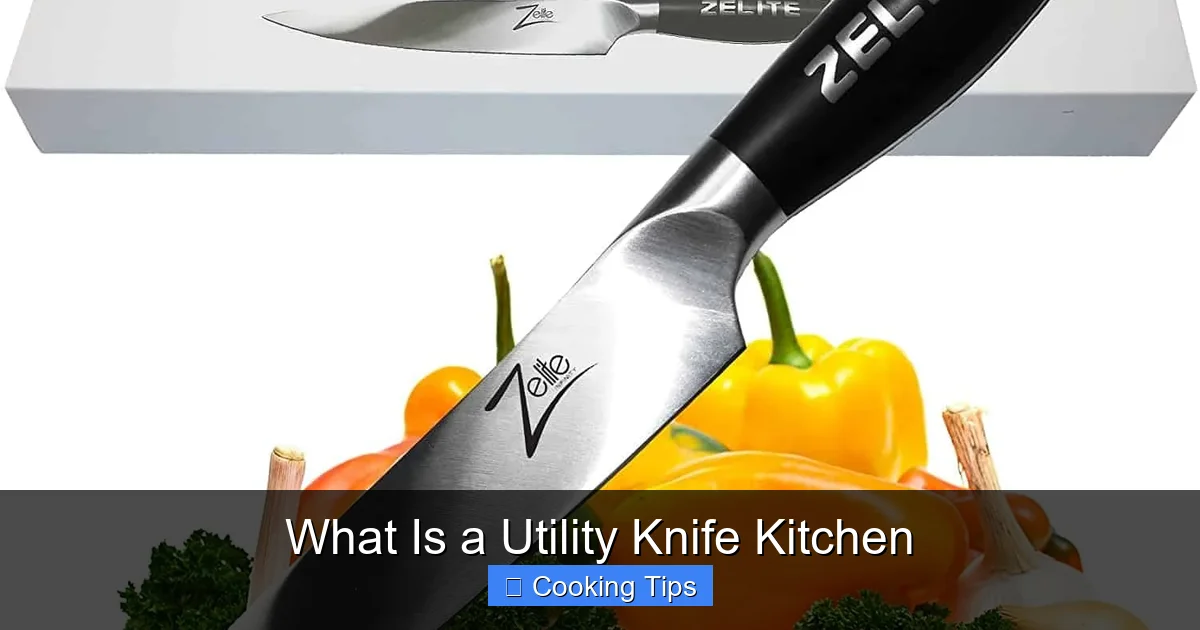
Visual guide about What Is a Utility Knife Kitchen
Image source: kitchenknifeplanet.com
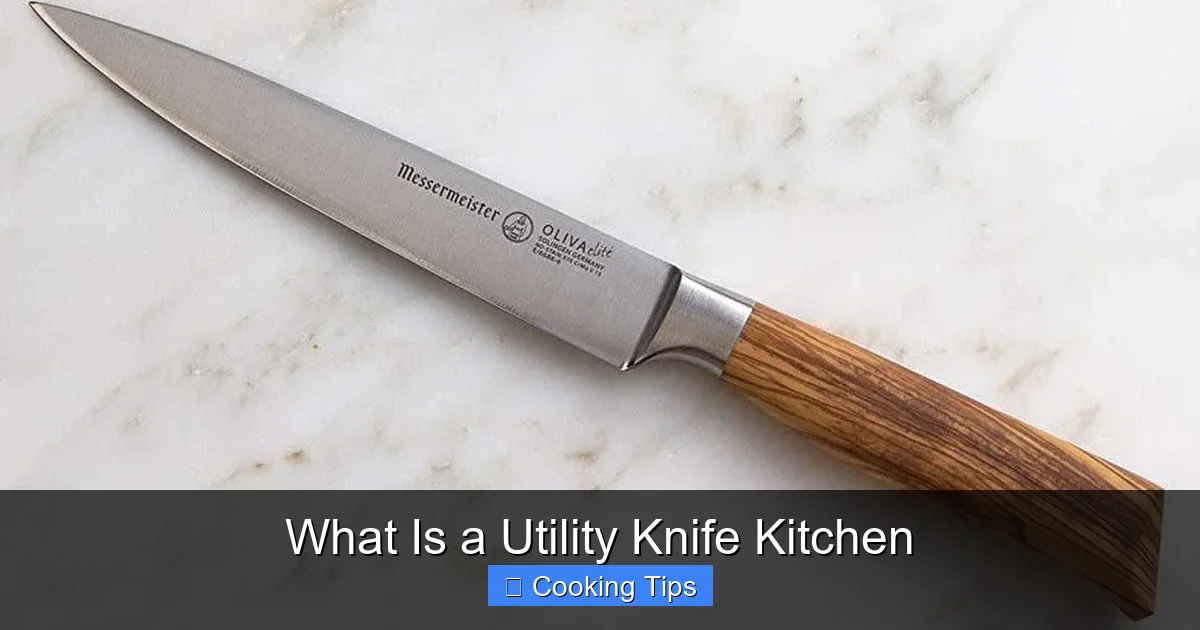
Visual guide about What Is a Utility Knife Kitchen
Image source: kitchenknifeplanet.com
High-Carbon Stainless Steel
For those seeking a step up, high-carbon stainless steel blends the stain resistance of stainless steel with the superior edge retention and hardness of carbon steel. These knives tend to hold their sharpness longer but might require slightly more care to prevent discoloration.
Ceramic
Ceramic blades are incredibly sharp and resist corrosion and staining. They can retain their sharpness for a very long time. However, they are also brittle and can chip or break if dropped or used for twisting motions. They also require specialized sharpening tools.
Blade Type: Straight vs. Serrated
Utility knives come with different edge types, each suited for specific tasks.
Straight Edge
A straight-edged utility knife is the most common type. It provides a clean, precise cut, ideal for fruits, vegetables, and meats. It’s the best choice for general-purpose slicing where a smooth finish is desired. Regular sharpening keeps this edge in top condition.
Serrated Edge
A serrated utility knife has a saw-like edge. This type is excellent for cutting through foods with tough exteriors and soft interiors, such as tomatoes, citrus fruits, or bread rolls. The “teeth” grip the surface and saw through, preventing the item from being crushed. If you frequently slice tomatoes or bread, a serrated utility knife is a valuable addition.
Handle Material and Ergonomics
The handle is your direct connection to the knife, so its comfort and grip are paramount.
Materials
Handles can be made from various materials, including wood, plastic, composite materials, and metal. Wood offers a classic look and feel but requires careful maintenance to prevent drying or cracking. Plastic and composite handles are durable, easy to clean, and often offer good grip. Metal handles can be sleek but may become slippery when wet.
Ergonomics and Grip
A good handle should fit comfortably in your hand, providing a secure grip even when wet. Look for a handle that balances well with the blade. Some knives have contoured handles designed to reduce fatigue during prolonged use. Consider trying to hold the knife before purchasing if possible.
Brand and Price Point
Reputable knife brands often invest in quality materials and manufacturing processes. While you don’t always need the most expensive knife, investing in a well-made utility knife from a trusted brand will generally offer better performance and longevity. Prices can range from budget-friendly options to high-end professional knives.
Mastering the Use of Your Utility Knife
Once you’ve chosen your ideal utility knife, the next step is learning how to use it effectively and safely.
Proper Cutting Techniques
The way you hold and use the knife makes a big difference in the quality of your cuts and your safety.
The Pinch Grip
This is the preferred grip for most chef’s knives and is also excellent for utility knives. It involves pinching the base of the blade between your thumb and index finger, with your other fingers wrapping around the handle. This grip offers maximum control and precision.
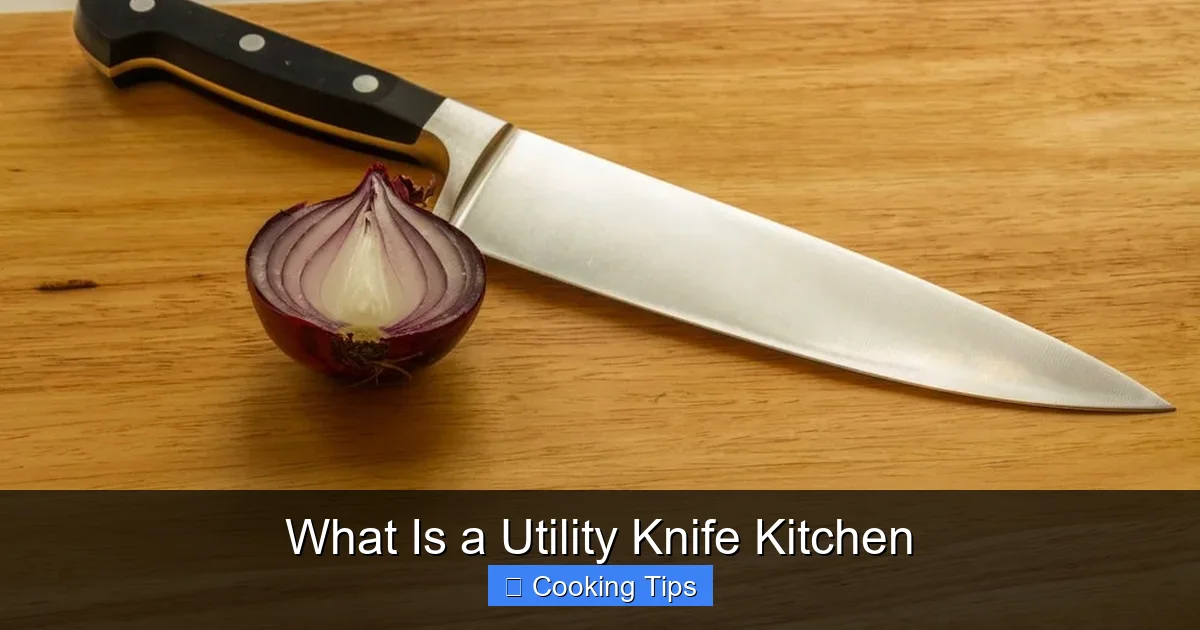
Visual guide about What Is a Utility Knife Kitchen
Image source: choppychoppy.com
The Handle Grip
For less precise tasks or when you need a bit more leverage, a standard handle grip (where your fingers wrap around the handle and your thumb rests on the side or back of the handle) can be used. However, for most slicing and dicing, the pinch grip is superior.
Essential Safety Precautions
Knife safety is non-negotiable in any kitchen.
- Use a Stable Cutting Board: Ensure your cutting board is placed on a non-slip surface. A damp cloth or paper towel underneath can help prevent it from sliding.
- Keep Fingers Away: Always curl your fingertips under when holding the food you are cutting, creating a “claw” shape. This protects your fingers from the blade.
- Cut Away From Yourself: Whenever possible, direct the cutting motion away from your body.
- Never Try to Catch a Falling Knife: This is a recipe for disaster. Step away and let it fall.
- Focus on the Task: Avoid distractions while you are using the knife.
- Keep Knives Sharp: A sharp knife is safer than a dull one because it requires less force to cut, reducing the chance of slipping.
Maintaining Your Utility Knife for Longevity
To ensure your utility knife remains a reliable tool for years to come, proper care and maintenance are essential.
Cleaning Your Knife
The best way to clean your utility knife is by hand.
Hand Washing is Key
While some knives are labeled as dishwasher-safe, it’s generally not recommended. The harsh detergents and high heat of a dishwasher can dull the blade, damage the handle, and even cause corrosion over time. After each use, wash your knife gently with warm, soapy water and a soft cloth. Rinse thoroughly and dry it immediately to prevent water spots or rust.
Sharpening and Honing
A dull knife is frustrating and dangerous. Regular sharpening and honing will keep your utility knife performing at its best.
Honing
Honing is a process of realigning the microscopic teeth on the blade’s edge that can become bent or misaligned during use. A honing steel (often a metal rod) is used for this. It doesn’t remove metal but straightens the existing edge. You should hone your knife regularly, perhaps before each use or every few uses.
Sharpening
Sharpening actually removes a small amount of metal from the blade to create a new, sharp edge. This is done less frequently than honing, depending on how often you use the knife and how well you maintain its edge. Sharpening can be done using a whetstone, an electric knife sharpener, or a manual pull-through sharpener.
Proper Storage
How you store your knives protects them and prevents accidents.
- Knife Block: A wooden or bamboo knife block keeps knives separate and their edges protected.
- Magnetic Strip: A magnetic strip mounted on the wall is a space-saving option, keeping knives readily accessible and their blades exposed to air (which can be good for preventing rust).
- In-Drawer Storage: If storing in a drawer, use a knife organizer or blade guards to prevent the edges from banging against other items.
- Avoid Storing Loosely: Never toss knives loosely into a drawer or container, as this is dangerous and damaging to the blades.
Troubleshooting Common Utility Knife Issues
Even with the best care, you might encounter a few common issues.
The Blade Feels Dull
Solution: This is usually a sign that it’s time for sharpening. If you’ve recently sharpened it, it might need honing to realign the edge. Ensure you are using the correct sharpening tools and technique for your blade material.
The Handle Feels Loose
Solution: If your knife has a riveted handle, the rivets might have loosened over time. For minor looseness, a small hammer and an anvil (or a hard, flat surface) might be used to gently tap the rivets back into place. For more significant issues or if the handle material is damaged, it might be time to consider replacing the knife or seeking professional repair.
The Blade is Stained or Discolored
Solution: This is more common with high-carbon steel blades. For minor stains, a paste of baking soda and water can often remove them. For more persistent discoloration or rust spots, a specialized knife cleaner or a very fine-grit sandpaper might be needed, followed by immediate drying and a light coat of food-grade mineral oil.
Conclusion: The Indispensable Utility Knife
The kitchen utility knife is far more than just a knife; it’s a testament to efficiency, versatility, and practicality in the culinary arts. It’s the perfect tool to bridge the gap between precise paring and robust chopping, making it an indispensable asset for any home cook. By understanding its characteristics, choosing wisely based on your needs, and committing to proper care and maintenance, you unlock a world of effortless food preparation.
From slicing delicate fruits to tackling everyday kitchen tasks, the utility knife will quickly become your go-to implement. It’s the silent workhorse that makes your cooking experience smoother, safer, and more enjoyable. So, equip yourself with this essential tool, hone your skills, and watch as your culinary endeavors reach new heights. Happy cooking!
