

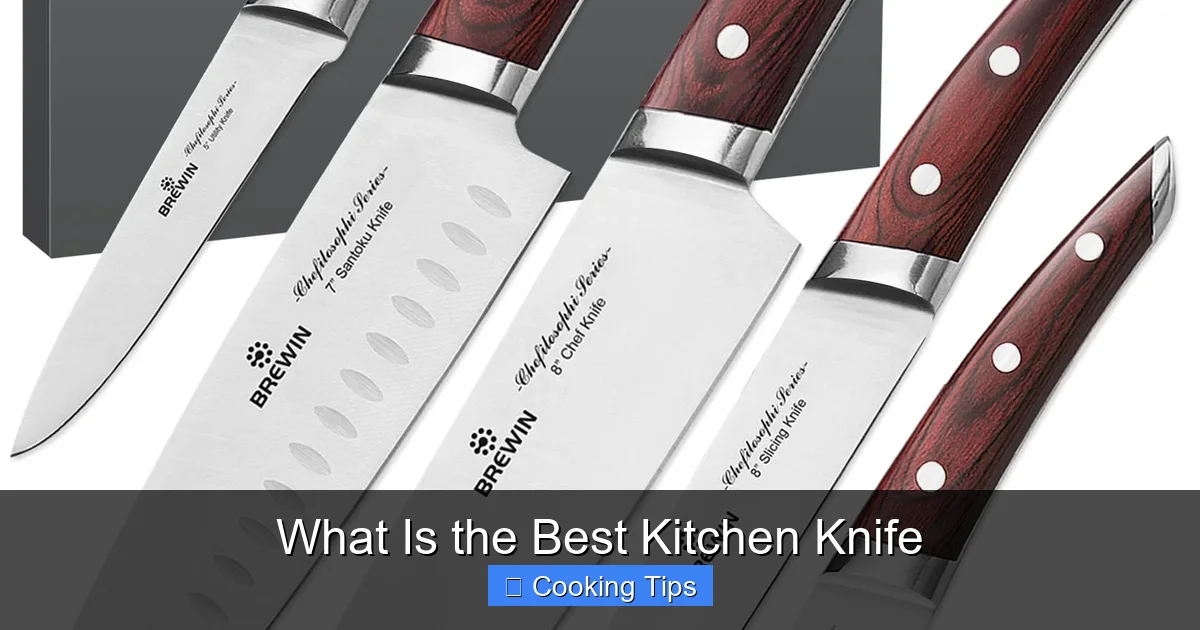
Finding the best kitchen knife isn’t about a single magic blade, but understanding your needs and the different types available. This guide breaks down knife materials, essential types like the chef’s knife and paring knife, and how to choose a knife that feels right in your hand. Equip yourself with the knowledge to make an informed decision and elevate your culinary skills.
What Is the Best Kitchen Knife
So, you’re wondering, “What is the best kitchen knife?” It’s a question many home cooks grapple with. The truth is, there isn’t one single “best” knife that fits everyone. Think of it like asking for the “best” car; it all depends on what you need it for, how you drive, and what you can afford. The same applies to your kitchen arsenal.
This guide is here to demystify the world of kitchen knives. We’ll walk you through everything you need to know, from the different types of knives available to the materials they’re made from. By the end, you’ll be equipped to choose the perfect knife, or knives, that will make your time in the kitchen more efficient, safer, and a lot more enjoyable.
Key Takeaways
- No Single “Best” Knife Exists: The ideal kitchen knife is subjective and depends on your cooking style, budget, and personal preference.
- Understand Knife Anatomy: Familiarize yourself with parts like the blade, bolster, tang, and handle to make informed choices.
- Blade Material Matters: High-carbon stainless steel offers a good balance of sharpness, durability, and rust resistance for most home cooks.
- Essential Knife Types: A chef’s knife is the workhorse, while a paring knife is crucial for intricate tasks. Consider others as needed.
- Grip and Balance are Key: A comfortable grip and proper balance reduce fatigue and improve control, making cooking safer and more enjoyable.
- Maintenance is Crucial: Proper cleaning, drying, and sharpening will ensure your knife performs well and lasts for years.
Understanding Knife Components
Before we dive into specific knife types, let’s get familiar with the anatomy of a knife. Knowing these parts will help you understand why certain knives are better for certain tasks and what to look for when you’re shopping.
The Blade
This is the most important part! It’s what does all the cutting. Blades can vary in length, width, and shape. The edge is what we sharpen to make it cut effectively.
The Bolster
This is the thick collar between the blade and the handle. It adds weight and balance to the knife, and also protects your fingers from sliding onto the blade. Some knives have a full bolster, while others have a partial one or none at all.
The Tang
This is the part of the blade that extends into the handle. A “full tang” means the metal of the blade runs all the way through the handle. This is generally considered more durable and better balanced than a “partial tang” or “hidden tang.”
The Handle
This is what you hold onto! Handles come in various materials like wood, plastic, or composite. The most important thing about a handle is that it’s comfortable and provides a secure grip for you.
Choosing the Right Blade Material
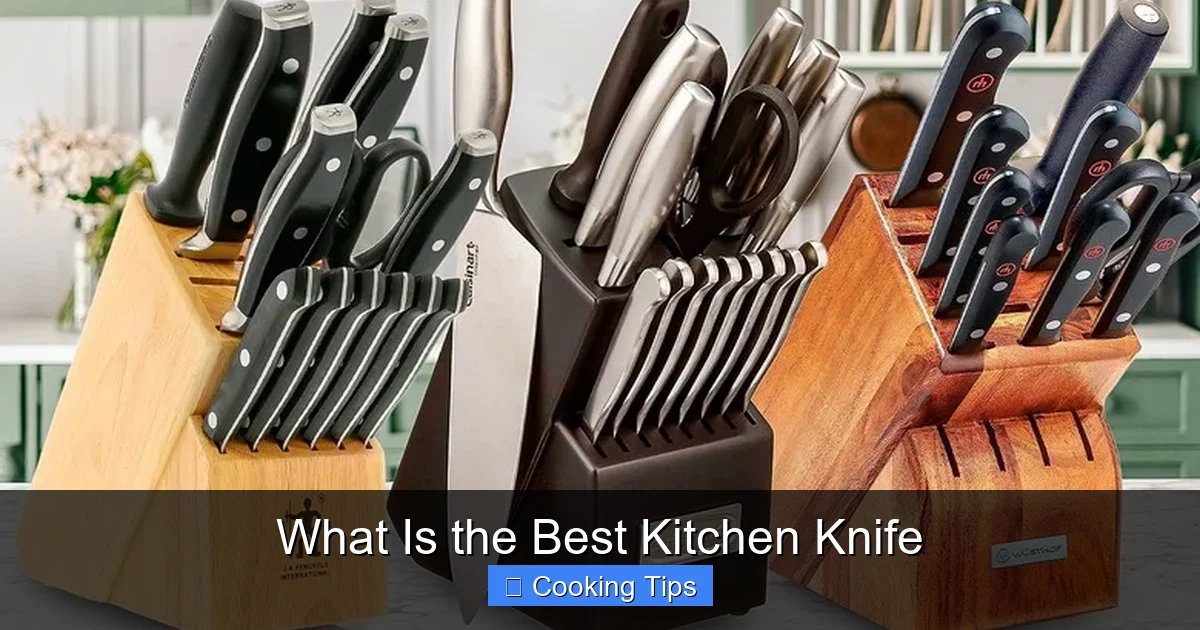
Visual guide about What Is the Best Kitchen Knife
Image source: tastingtable.com
The material your knife’s blade is made from significantly impacts its performance, durability, and how often it needs to be sharpened.
Stainless Steel
Most kitchen knives are made of stainless steel. It’s resistant to rust and corrosion, which is a big plus in a wet kitchen environment. However, some stainless steels can be softer and dull faster.
High-Carbon Stainless Steel
This is often considered the sweet spot for home cooks. It’s a type of stainless steel that has a higher carbon content. This makes the blade harder, allowing it to hold a sharper edge for longer than regular stainless steel. It also offers good corrosion resistance.
Carbon Steel
Pure carbon steel blades can get incredibly sharp and are relatively easy to sharpen. However, they are much more prone to rusting and staining. They require more diligent care and maintenance, including immediate drying after washing.
Ceramic
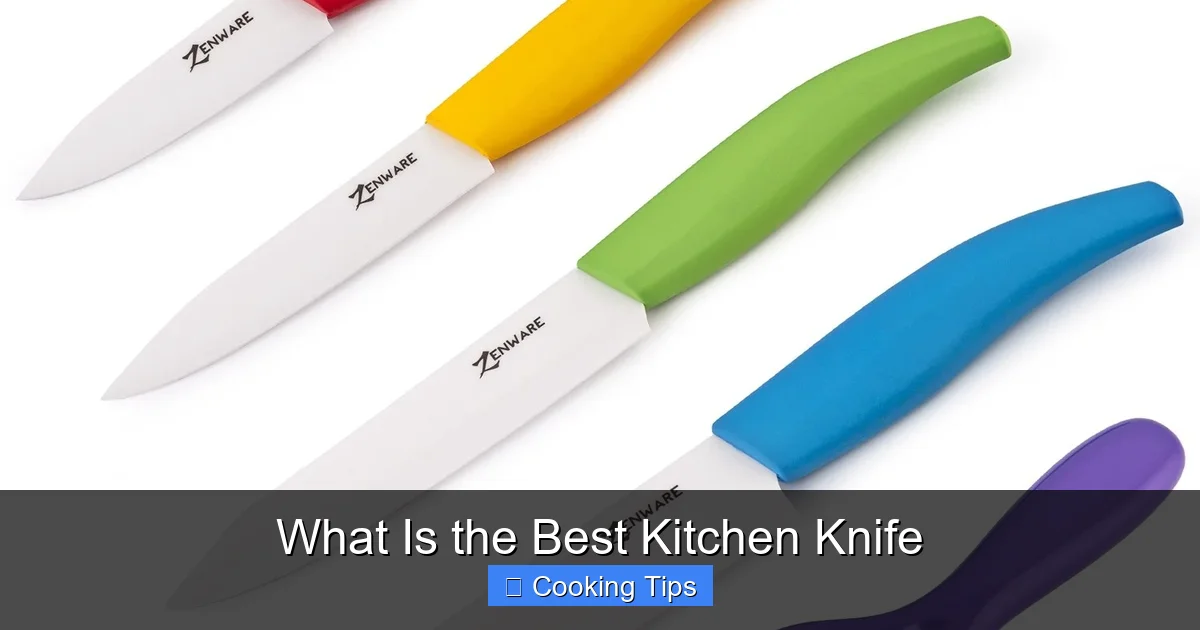
Ceramic knives are extremely sharp and lightweight. They hold their edge for a very long time. The downside is that they are very brittle and can chip or break if dropped or used for twisting motions. They also cannot be sharpened at home; they need to be professionally re-sharpened.
Practical Tip: For most home kitchens, high-carbon stainless steel is the best all-around choice. It offers a great balance of sharpness, durability, and ease of care.
Essential Kitchen Knife Types
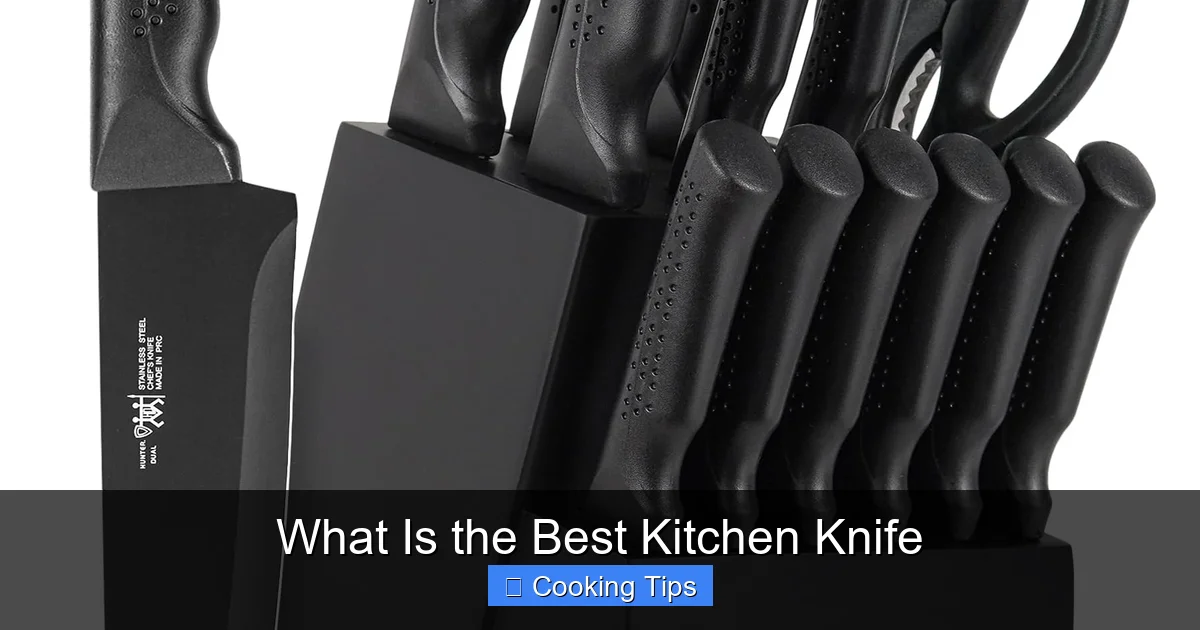
Visual guide about What Is the Best Kitchen Knife
Image source: m.media-amazon.com
While there are many specialized knives, most home cooks can get by beautifully with just a few essential types.
The Chef’s Knife
This is your undisputed kitchen workhorse. A good chef’s knife is probably the most important knife you’ll own. It’s typically 8 inches long with a broad, curved blade.
* Uses: Chopping, slicing, dicing, mincing, and even crushing garlic. It’s versatile enough for most of your everyday prep tasks.
* What to look for: A comfortable handle, good balance, and a blade that feels natural to rock back and forth for chopping.
**Example:** Imagine chopping onions for a stir-fry or slicing a chicken breast for a salad. Your chef’s knife will be your go-to tool.
The Paring Knife
This is your small, agile knife. A paring knife typically has a blade of 3 to 4 inches. It’s designed for intricate tasks that your larger chef’s knife can’t handle easily.
* Uses: Peeling fruits and vegetables, deveining shrimp, trimming small items, and making decorative cuts.
* What to look for: A comfortable grip that allows for precise control.
**Example:** Peeling an apple or hulling strawberries is a breeze with a paring knife.
The Serrated Knife (Bread Knife)
This knife has a blade with saw-like teeth. It’s designed to cut through foods with a hard exterior and a soft interior without crushing them.
* Uses: Slicing bread, tomatoes, citrus fruits, and cakes.
* What to look for: Teeth that are sharp and evenly spaced.
**Example:** Getting clean, un-squashed slices of a ripe tomato is where a serrated knife shines.
The Utility Knife
This knife falls between a chef’s knife and a paring knife in size, typically 4 to 6 inches. It’s great for tasks that are too big for a paring knife but too small for a chef’s knife.
* Uses: Slicing smaller meats, sandwiches, and larger fruits or vegetables.
* What to look for: A good balance and a comfortable handle.
Choosing Your Best Kitchen Knife: Practical Steps
Visual guide about What Is the Best Kitchen Knife
Image source: topvaluereviews.net
Now that you understand the basics, let’s get to the practical side of choosing your best kitchen knife.
Step 1: Consider Your Cooking Habits
Think about what you cook most often.
* Do you do a lot of vegetable prep? A sharp chef’s knife is essential.
* Do you bake a lot of bread or slice delicate fruits? A good serrated knife will be invaluable.
* Are you a keen fruit fan who peels a lot? A comfortable paring knife is a must.
Step 2: Feel the Knife in Your Hand
This is perhaps the most crucial step, and one you can only do in person.
* Grip: Hold the knife as if you were going to use it. Does the handle feel comfortable in your hand? Is it too large, too small, or slippery?
* Balance: Try to balance the knife on your index finger, just behind the bolster. Does it feel evenly weighted? A well-balanced knife is easier to control and less tiring to use.
* Weight: Some people prefer a heavier knife, while others like a lighter one. There’s no right or wrong; it’s about personal comfort.
Step 3: Set Your Budget
Kitchen knives range from very inexpensive to quite pricey.
* Entry-level: You can find decent knives for under $50. These are great for beginners or if you don’t cook extensively.
* Mid-range: For $50 to $150, you can get excellent quality knives made from better materials with superior craftsmanship. These are ideal for most home cooks looking for longevity and performance.
* High-end: Knives over $150 can be exquisite, often handcrafted with premium steels and materials. They are an investment for passionate cooks.
Practical Tip: It’s often better to invest in one or two high-quality, versatile knives (like a chef’s knife and a paring knife) than to buy a cheap block set where most knives might be of poor quality.
Step 4: Research Brands and Reviews
Once you have an idea of what you’re looking for, do some research. Read reviews from reputable cooking websites and consumer reports. Popular and well-regarded brands include Wüsthof, Zwilling J.A. Henckels, Shun, Global, and Victorinox.
Caring for Your Kitchen Knives
The best kitchen knife in the world will quickly become mediocre if not cared for properly. Good maintenance ensures longevity and peak performance.
Cleaning
* Hand Wash Only: Never put your good kitchen knives in the dishwasher. The harsh detergents, high heat, and jostling can damage the blade, handle, and loosen the tang.
* Wash Immediately: Wash your knives by hand with warm, soapy water right after use.
* Dry Thoroughly: This is critical, especially for carbon steel knives. Dry the blade and handle completely with a soft towel immediately after washing to prevent rust and water spots.
Storing
* Knife Block: A knife block is a common and safe way to store knives. Ensure the slots are appropriate for your knife sizes.
* Magnetic Strip: A magnetic strip mounted on the wall keeps knives accessible and their edges protected. Make sure the magnets are strong enough to hold the knives securely.
* In-Drawer Organizer: If you prefer to keep knives out of sight, an in-drawer organizer is a great option that keeps blades from banging against each other.
* Blade Guards: For knives stored loosely in a drawer (not recommended for expensive knives), use individual blade guards to protect the edge.
Sharpening
A dull knife is not only inefficient but also dangerous because it requires more force, increasing the risk of slipping.
* **Honing Steel:** A honing steel (also called a sharpening steel) doesn’t actually sharpen; it realigns the microscopic teeth on the blade’s edge, keeping it sharper for longer between actual sharpenings. Use it regularly, perhaps before each use or every few uses.
* **Sharpening Stone (Whetstone):** This is how you actually sharpen your knife. It involves grinding the metal away to create a new, sharp edge. It takes practice to master, but it’s the most effective method for achieving a truly sharp edge. There are different grits (coarseness levels) for different stages of sharpening.
* **Electric Sharpener:** These are convenient and easy to use, offering quick results. However, they can remove more metal from the blade than a whetstone, potentially shortening the knife’s lifespan if used excessively.
* **Professional Sharpening:** If you’re not comfortable sharpening yourself, many local services offer professional knife sharpening.
Practical Tip: Aim to hone your knife regularly and sharpen it when you notice it starting to feel dull. A few minutes of maintenance can save you a lot of frustration.
Troubleshooting Common Knife Issues
Even with the best knives and care, you might encounter a few issues.
My knife feels dull. What should I do?
First, try honing your knife with a honing steel. If that doesn’t help, it’s time to sharpen it using a whetstone or electric sharpener.
My knife is rusting. What went wrong?
This usually happens if the knife wasn’t dried properly after washing, especially if it’s made of carbon steel or a lower-grade stainless steel. Wash it again with warm, soapy water, making sure to scrub any rust spots gently with a non-abrasive scrubber. Dry it *immediately* and thoroughly. For stubborn rust, a paste of baking soda and water might help.
My handle is loose. Can I fix it?
If you have a full tang knife and the handle has come loose, it might be possible to re-glue it. However, this can be a tricky repair. For expensive knives, it’s best to consult a professional knife sharpener or a cutlery repair service.
Conclusion: Finding Your Perfect Blade
So, what is the best kitchen knife? It’s the one that fits your hand perfectly, handles your most common kitchen tasks with ease, and that you’ll actually use and care for. For most people, a high-quality 8-inch chef’s knife made from high-carbon stainless steel is the cornerstone of a functional kitchen. Add a paring knife for detail work, and perhaps a serrated knife for bread and tomatoes, and you’re well on your way.
Don’t be intimidated by the vast array of options. Start with the essentials, focus on comfort and quality, and invest in knives that will serve you well for years to come. With a little knowledge and proper care, you’ll be chopping, slicing, and dicing like a pro, and truly enjoying the art of cooking.
