

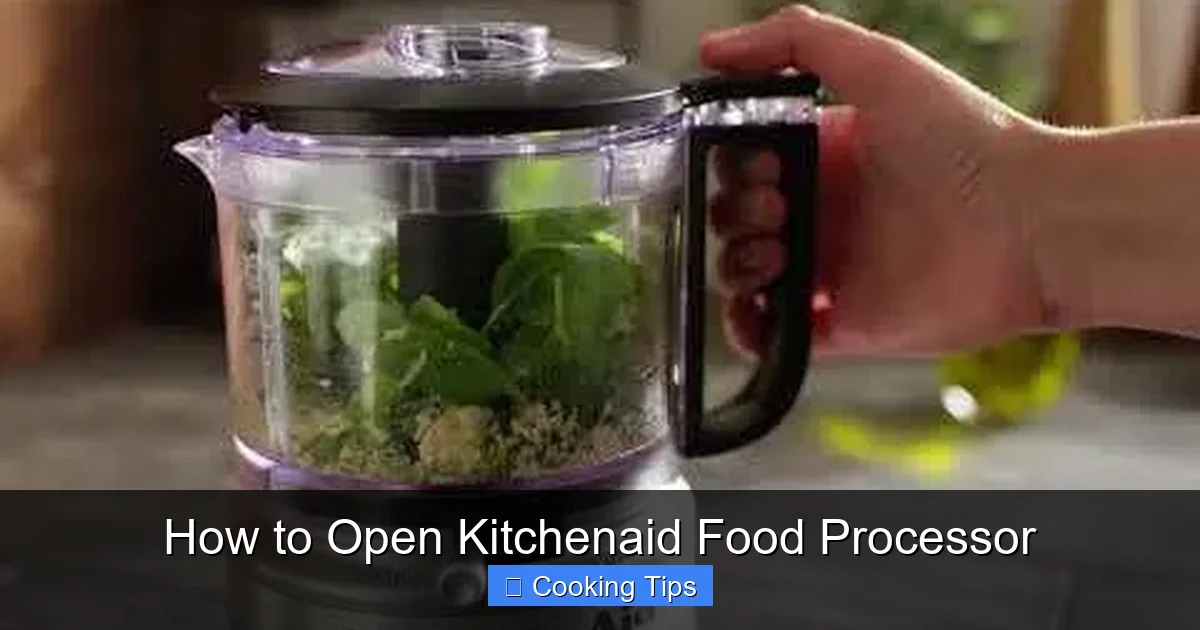
Unlock the full potential of your KitchenAid food processor with this comprehensive guide. We’ll walk you through the simple steps to safely open the bowl, assemble the components, and get started on your culinary creations. Learn essential tips for easy operation and maintenance, ensuring your KitchenAid food processor becomes your go-to kitchen assistant.
How to Open KitchenAid Food Processor
Welcome to your ultimate guide on mastering your KitchenAid food processor! If you’ve just unboxed this fantastic kitchen appliance or simply need a refresher, you’re in the right place. This guide will take you through the straightforward process of opening your KitchenAid food processor, assembling its parts, and getting ready to tackle any recipe with confidence. We’ll cover everything from identifying the components to ensuring safe operation. Get ready to transform your meal prep and discover new culinary possibilities with your KitchenAid food processor!
Key Takeaways
- Easy Bowl Opening Mechanism: Most KitchenAid food processors feature a simple twist-and-lift or lock-and-release mechanism for the bowl, designed for user convenience.
- Safety First: Always ensure the appliance is unplugged before opening or assembling to prevent accidental operation and potential injury.
- Component Identification: Familiarize yourself with the different parts – bowl, lid, blade assembly, and motor base – to understand how they connect.
- Proper Lid Sealing: The lid must be securely locked in place for the food processor to operate, preventing spills and ensuring efficient processing.
- Blade Assembly Handling: Handle the sharp blades with extreme care to avoid cuts. Always insert and remove them with the motor base detached.
- Troubleshooting Common Issues: Understand why your food processor might not be starting or might be leaking, and find simple solutions.
Understanding Your KitchenAid Food Processor
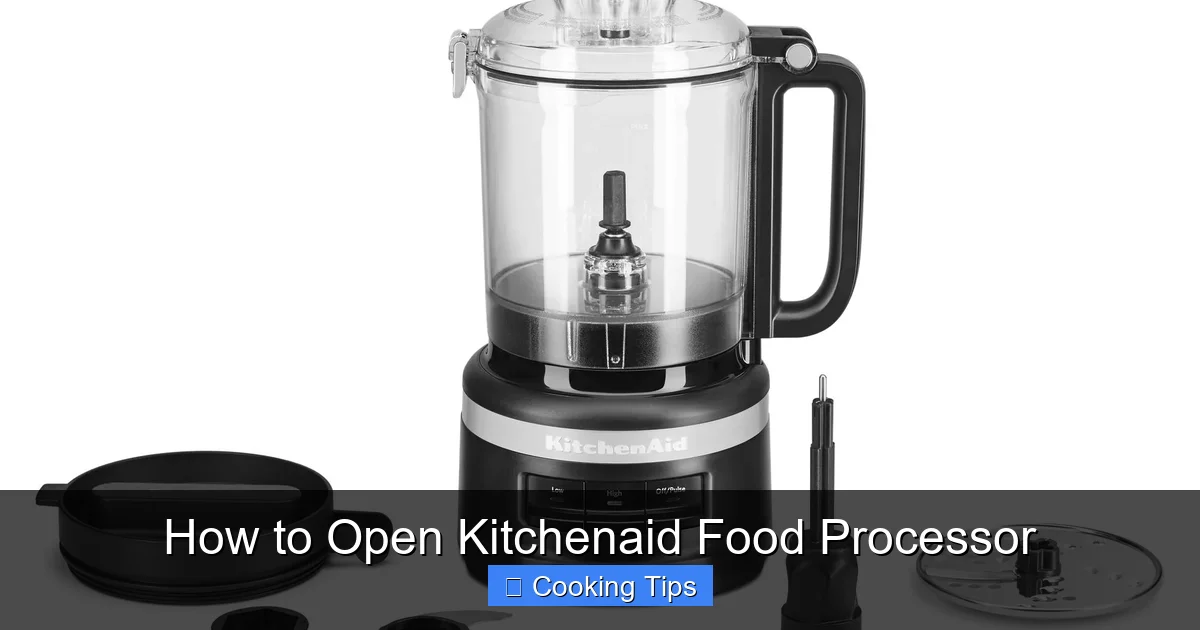
Before we dive into the “how-to,” let’s quickly get acquainted with the main parts of your KitchenAid food processor. Knowing these components will make the opening and assembly process much clearer.
* Motor Base: This is the heavy, powerful part that houses the motor. It’s where the action happens.
* Work Bowl: This is the clear plastic container where you’ll place your ingredients. It usually has measurements marked on the side.
* Lid: The lid fits securely onto the work bowl and has a feed tube for adding ingredients while the processor is running.
* Blade Assembly: This is the sharp, crucial part that does all the chopping, slicing, dicing, and pureeing. There are typically different blades for different tasks.
* Pusher: This fits into the feed tube and helps guide ingredients down towards the blade.
Safely Opening Your KitchenAid Food Processor Bowl
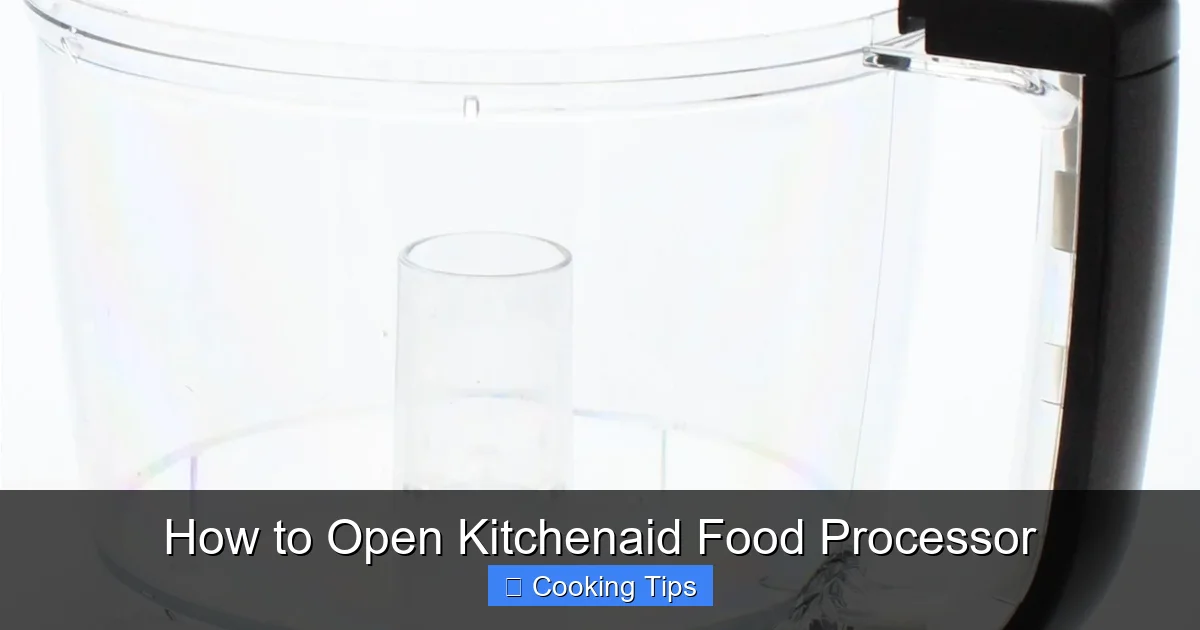
Visual guide about How to Open Kitchenaid Food Processor
Image source: storage.googleapis.com
Safety is paramount when working with any kitchen appliance, especially one with sharp blades. The first and most important step before you even think about opening or assembling is to ensure your KitchenAid food processor is unplugged from the electrical outlet. This prevents any accidental startups, which could lead to serious injury.
Step 1: Ensure the Appliance is Unplugged
This cannot be stressed enough. Locate the power cord and disconnect it from the wall socket. Double-check that it is completely out of the outlet. This is your primary safety measure.
Step 2: Identify the Bowl Locking Mechanism
KitchenAid food processors are designed with user-friendly locking systems. The most common mechanisms involve either a twist-and-lock or a lever-release system. Take a moment to look at the base of the work bowl and how it connects to the motor base.
* Twist-and-Lock: On many models, you’ll see tabs on the rim of the work bowl that align with slots on the motor base. To release, you’ll typically need to twist the bowl counter-clockwise. Sometimes, there’s a slight upward lift required after unlocking.
* Lever-Release: Some models might have a small lever or button on the motor base that you need to press or pull to release the bowl.
Consult your specific KitchenAid food processor’s user manual if you’re unsure. The manual will have detailed diagrams and instructions tailored to your model.
Step 3: Unlock and Lift the Bowl
Once you’ve identified the mechanism, it’s time to unlock and remove the bowl.
* For Twist-and-Lock: Place one hand on the motor base for stability. With your other hand, grasp the work bowl firmly. Gently twist the bowl counter-clockwise. You should feel it disengage from the motor base. Once unlocked, carefully lift the bowl straight up and off the motor base.
* For Lever-Release: With the bowl in place, press or pull the release lever/button as indicated in your manual. While holding the lever, lift the bowl straight up and off the motor base.
Assembling Your KitchenAid Food Processor
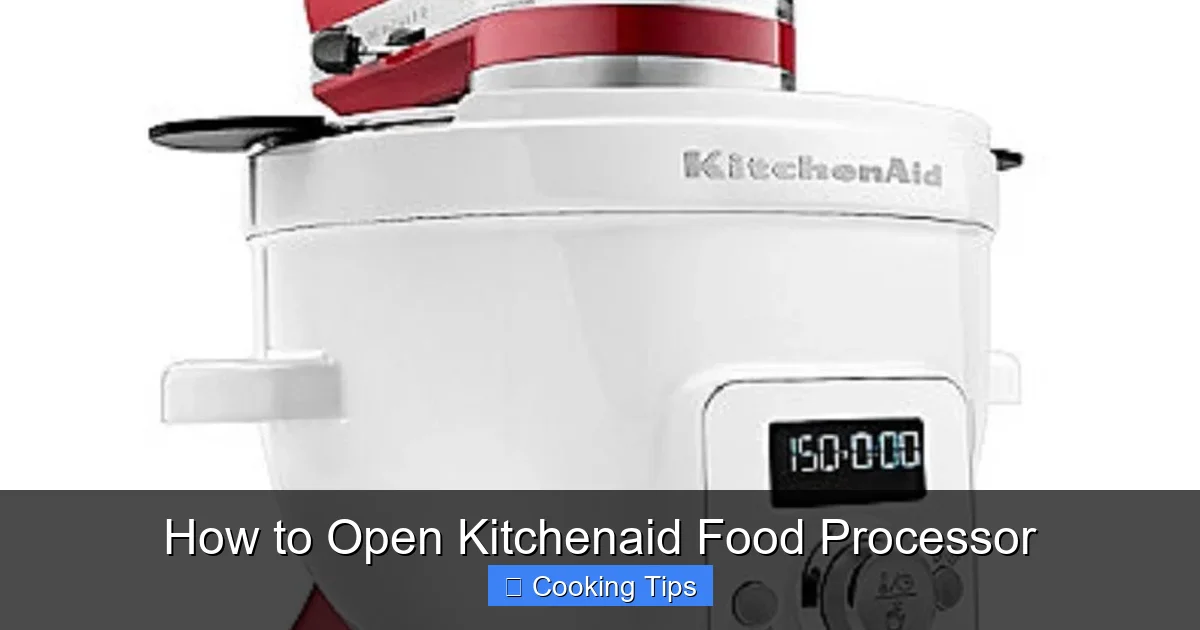
Visual guide about How to Open Kitchenaid Food Processor
Image source: cdn.onecrazyhouse.com
After you’ve successfully opened and detached the bowl, it’s time to assemble the components for use. Again, ensure the appliance remains unplugged during assembly.
Step 1: Place the Work Bowl on the Motor Base
Take the clean, dry work bowl and align it with the motor base. There will be a specific way it fits. Usually, the tabs on the bowl will align with the corresponding slots on the motor base. Gently lower the bowl into place.
Step 2: Lock the Work Bowl Securely
Once the bowl is seated, you’ll need to lock it.
* For Twist-and-Lock: With the bowl in position, twist it clockwise until it clicks or locks firmly into place. You should feel resistance and then a secure seating. The bowl should not wiggle or feel loose.
* For Lever-Release: After placing the bowl, you may need to press the lever/button again to secure it, or it might lock automatically as you position it correctly. Again, check that the bowl is stable.
Step 3: Insert the Blade Assembly
This is a critical step that requires care. The blade assembly is very sharp.
* Hold the blade assembly by its central shaft, away from the sharp edges.
* Carefully lower the blade assembly into the center of the work bowl. It’s designed to fit onto a spindle or post in the bowl.
* Press down gently to ensure it’s seated properly. Do not force it.
Step 4: Secure the Lid
The lid is essential for safe operation and preventing spills.
* Align the lid with the top of the work bowl. There’s a specific orientation due to the feed tube.
* Press the lid down firmly. Many KitchenAid models have a locking mechanism. You might need to twist the lid clockwise or press it down until it “clicks” into place.
* Check that the lid is completely sealed and securely attached to the bowl. The food processor will not operate if the lid is not properly locked.
Step 5: Insert the Pusher (if using the feed tube)
If your recipe requires you to add ingredients while the processor is running, insert the pusher into the feed tube opening on the lid.
Using Your KitchenAid Food Processor
Visual guide about How to Open Kitchenaid Food Processor
Image source: mobileimages.lowes.com
Now that your KitchenAid food processor is assembled, you’re ready to get cooking!
Adding Ingredients
* For most processing, add your ingredients into the work bowl *before* attaching the lid and securing it.
* If you need to add ingredients while the machine is running (e.g., making mayonnaise or a sauce), do so through the feed tube with the pusher in place.
Operating the Processor
* Plug the appliance back into the electrical outlet.
* Select the desired speed. Most KitchenAid food processors have a few speed options (e.g., ON/OFF, LOW, HIGH, PULSE). The PULSE function is excellent for achieving controlled chopping.
* Press the appropriate button to start the processor.
* Turn it off once processing is complete, then unplug it again before attempting to remove the lid or bowl.
Practical Tips for Opening and Using Your KitchenAid Food Processor
* Read Your Manual: Every KitchenAid food processor model is slightly different. Your user manual is your best friend for specific instructions and safety features.
* Handle Blades with Care: Always hold the blade assembly by the plastic hub. Never touch the sharp edges. When washing, use a brush to keep your fingers away from the blades.
* Don’t Overfill: Respect the maximum fill line on your work bowl. Overfilling can lead to uneven processing and potential leaks.
* Cut Ingredients to Size: For more efficient and uniform processing, cut larger ingredients into smaller, manageable pieces before adding them to the bowl.
* Secure the Bowl and Lid: Always double-check that both the bowl and the lid are securely locked in place. Many food processors have safety interlocks that prevent them from starting if these components aren’t properly secured.
* Clean Promptly: Food residue is much harder to remove once it dries. Clean your KitchenAid food processor parts as soon as possible after use. Most are dishwasher safe (top rack), but check your manual.
Troubleshooting Common Issues
Sometimes, things don’t go as smoothly as planned. Here are a few common issues and how to address them when opening or using your KitchenAid food processor.
Issue: The Food Processor Won’t Turn On
This is a very common problem, and usually, the solution is simple.
* Check Power: Is it plugged in? Is the outlet working? Try plugging in another small appliance to test the outlet.
* Bowl and Lid Not Locked: The most frequent culprit! The safety interlocks on the motor base and lid must be engaged for the appliance to operate. Ensure the bowl is fully locked onto the base and the lid is securely sealed. You might need to twist or press a bit harder to engage the lock.
* Overheating: If the motor has been running for a long time on a demanding task, it might have overheated. Unplug the unit and let it cool down for 15-30 minutes.
Issue: Leaks from the Bowl or Lid
Leaks can be messy and indicate an improper seal.
* Bowl Not Locked: Just like with the power issue, an improperly locked bowl is often the cause. Remove the bowl and reseat it, ensuring it locks firmly.
* Lid Not Secured: Similarly, the lid must be fully sealed. Check for any obstructions that might prevent it from closing properly.
* Damaged Seal or Bowl: Inspect the rubber gasket on the lid (if applicable) and the base of the bowl for any cracks or damage. If you find any, contact KitchenAid support for replacement parts.
* Overfilling: If you’ve exceeded the maximum fill line, ingredients can be forced past the seal.
Issue: Blades Not Cutting Properly or Unevenly
This can be due to how you’re using the processor.
* Too Many Ingredients: Don’t overload the bowl. Process ingredients in batches if necessary.
* **Ingredients Too Large:** Cut larger items into smaller, uniform pieces before adding them.
* **Wrong Speed or Time:** For some tasks, using the PULSE function is better for control. For others, a continuous run at a higher speed is needed. Experiment with pulse lengths and continuous run times.
* **Blade Assembly Not Seated: **Ensure the blade assembly is correctly placed on the spindle inside the bowl.
Conclusion
Opening and assembling your KitchenAid food processor is a simple process once you understand the basic mechanisms and prioritize safety. By following these steps, always ensuring your appliance is unplugged before you begin, and familiarizing yourself with your specific model’s features, you’ll be well on your way to efficient and enjoyable food preparation. Your KitchenAid food processor is a powerful tool designed to simplify your time in the kitchen. With a little practice, you’ll find yourself reaching for it for everything from chopping vegetables to making dips and sauces. Happy cooking!
