

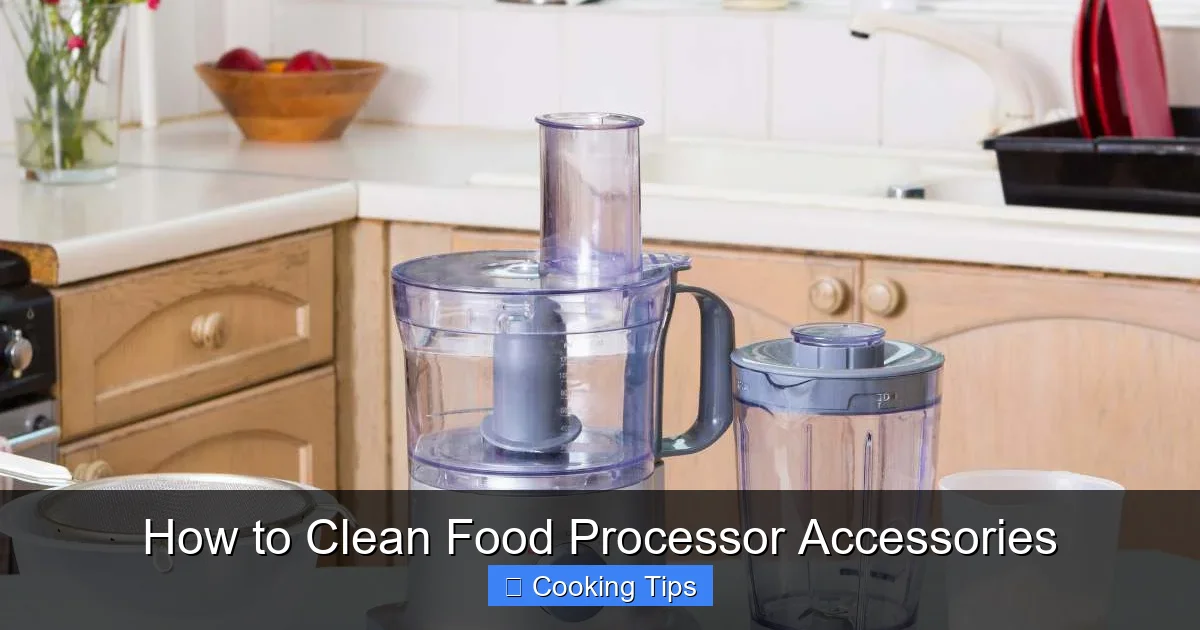
Keep your food processor in top shape with this comprehensive cleaning guide. Learn the best methods for cleaning blades, bowls, lids, and discs to ensure hygiene and extend the life of your appliance. Proper cleaning prevents food residue buildup and keeps your food processor performing optimally for all your culinary needs.
Welcome to your ultimate guide on cleaning food processor accessories! If you’re a home cook, your food processor is likely one of your most used kitchen tools. From chopping onions to pureeing soups and making dough, it’s a true workhorse. But like any hard-working appliance, its accessories need regular cleaning to keep them in good condition and to ensure your food is always prepared hygienically. This guide will walk you through everything you need to know to get your food processor’s parts sparkling clean, extending their lifespan and keeping your kitchen pristine.
We’ll cover the best methods for cleaning all the essential components: the blades, the work bowl, the lid, the pusher, and all those specialized discs. You’ll learn simple, effective techniques that make this task much less of a chore. By the end of this guide, you’ll have a spotless food processor ready for your next culinary adventure!
Key Takeaways
- Prioritize Safety: Always unplug your food processor and ensure all parts are cool before cleaning to avoid injuries.
- Immediate Cleaning is Best: Washing accessories soon after use prevents food from drying and becoming difficult to remove.
- Hand Washing for Longevity: While some parts are dishwasher safe, hand washing often preserves the sharpness of blades and the integrity of plastic components.
- Deep Cleaning Techniques: Utilize baking soda or vinegar for stubborn stains and odors, ensuring a truly fresh appliance.
- Proper Drying is Crucial: Always ensure all parts are completely dry before reassembling or storing to prevent mold and mildew.
- Blade Care is Paramount: Handle food processor blades with extreme caution and clean them gently to maintain their sharpness and prevent damage.
Why Regular Cleaning Matters
Before we dive into the how-to, let’s quickly touch on why cleaning your food processor accessories is so important.
First and foremost, it’s about food safety. Leftover food particles can harbor bacteria, which can contaminate your next meal. Regular cleaning ensures that every dish you prepare is safe and healthy.
Secondly, it’s about appliance longevity. Food residue can dry and harden, making it difficult to remove later. This can lead to stains, odors, and even damage to the plastic or metal components over time. Keeping your accessories clean helps them function optimally for years to come.
Finally, it’s about performance. A clean food processor works better. Blades are sharper, and the bowl is free from any lingering tastes or smells that could transfer to your ingredients. A clean machine means better results in the kitchen!
Getting Started: Safety First!
No matter which parts you’re cleaning, safety is always the top priority.
Unplug Your Appliance
This might seem obvious, but always ensure your food processor is unplugged before you start cleaning. This prevents accidental activation of the motor, which could cause serious injury, especially when dealing with sharp blades.
Let Parts Cool Down
If you’ve just finished using your food processor, allow all the parts, especially the motor base and the bowl, to cool down completely. Hot plastic and metal can cause burns, and handling them while hot is risky.
Handle Blades with Extreme Care
Food processor blades are incredibly sharp. Treat them with the utmost respect. It’s often best to hold them by the central plastic hub rather than the cutting edges. Consider using a brush to clean around the blades rather than your fingers.
The Essential Food Processor Accessories and How to Clean Them
Now, let’s get down to the nitty-gritty of cleaning each part of your food processor.
How to Clean Food Processor Blades
The blades are the heart of your food processor, and they require special attention. They are designed to be extremely sharp for efficient chopping and pureeing, so caution is key.
Step 1: Rinse Immediately
As soon as you’re done using the blades, give them a quick rinse under cool running water. This will remove most of the larger food particles and prevent them from drying onto the blade surfaces. Don’t let them sit around!
Visual guide about How to Clean Food Processor Accessories
Image source: cuisinart.com
Visual guide about How to Clean Food Processor Accessories
Image source: bistrovivant.com
Step 2: Gentle Scrubbing
Use a soft sponge or a dedicated cleaning brush for this step. You can use a bit of mild dish soap. Gently scrub all surfaces of the blade assembly, paying close attention to the areas where food might get trapped, like around the hub and the inner edges of the blades.
Tip: For very stubborn residue, you can let the blades soak in warm, soapy water for a few minutes before scrubbing. However, avoid prolonged soaking, as it can dull the blades over time.
Step 3: Dishwasher Caution
Many food processor blades are labeled as dishwasher safe. While this is convenient, hand washing is generally recommended for maintaining their sharpness. If you do use a dishwasher, place the blades in the top rack, away from other utensils that could knock against them and cause damage or dulling.
Never use abrasive cleaners or steel wool on your blades, as these can scratch and damage the metal. Always air dry them thoroughly or dry with a soft cloth before storing.
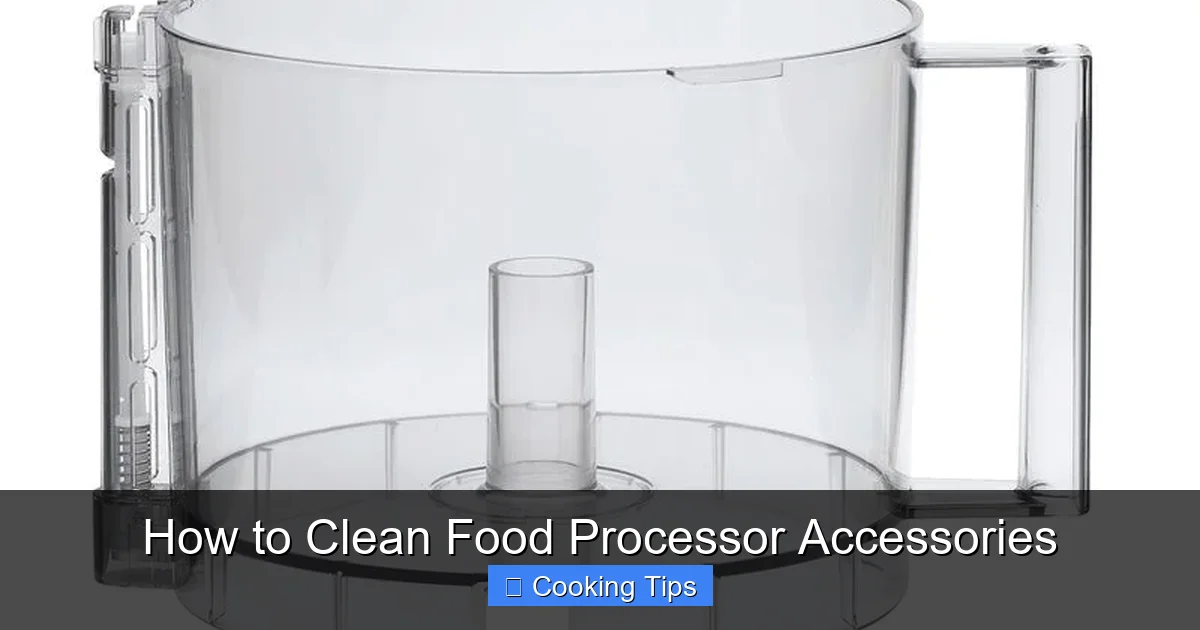
How to Clean the Food Processor Work Bowl
The work bowl is where all the magic happens. It can accumulate everything from sticky dough to greasy sauces.
Step 1: Initial Rinse and Scrape
After emptying the bowl, rinse it with warm water. Use a rubber spatula to scrape out any remaining food. This is much easier to do when the residue is still moist.
Step 2: Washing with Soap and Water
Most work bowls can be safely washed in warm, soapy water. Use a soft sponge or dishcloth. For tougher stains or greasy residue, you might need a bit more elbow grease or a slightly stronger detergent.
Step 3: Dishwasher Option
Check your manual, but most food processor work bowls are dishwasher safe, usually on the top rack. Dishwashing can be very effective for removing grease and stubborn food particles.
Step 4: Tackling Stains and Odors
If your bowl has stubborn stains (like from tomato-based sauces) or lingering odors (like garlic or onions), a paste of baking soda and water can work wonders. Apply the paste, let it sit for 10-15 minutes, then scrub gently and rinse. For persistent odors, a soak with white vinegar (diluted with water) can also help neutralize smells.
Example: For a strong garlic smell, mix 1 part white vinegar with 2 parts water, let it sit in the bowl for an hour, then wash as usual.
Step 5: Drying
Ensure the bowl is completely dry before storing or reassembling. You can air dry it upside down on a rack or dry it with a clean kitchen towel.
How to Clean the Food Processor Lid and Pusher
The lid and pusher are often made of plastic and can trap food in their crevices.
Step 1: Disassemble (if applicable)
Some lids have removable parts, like the chute insert or a safety lock mechanism. If yours does, carefully remove these for easier cleaning.
Step 2: Wash with Soap and Water
Use a soft sponge and warm, soapy water to clean the lid and pusher. Pay attention to any nooks and crannies where food might have gotten stuck. A small, soft brush (like an old toothbrush dedicated to cleaning) can be very helpful here.
Step 3: Dishwasher Safety
Again, check your manual. Most lids and pushers are top-rack dishwasher safe. The dishwasher can be very effective at getting into all the little grooves.
Step 4: Dealing with Stubborn Stains or Odors
Similar to the bowl, if you encounter stains or odors, a baking soda paste or a diluted vinegar soak can be effective. Just rinse thoroughly afterward.
Step 5: Thorough Drying
Ensure all parts of the lid and pusher are thoroughly dried. Trapped moisture can lead to mold or mildew, especially in the seals or grooves.
How to Clean Food Processor Discs (Slicing and Shredding)
These specialized discs are fantastic for saving time, but they can get clogged with food.
Step 1: Gentle Rinsing
Rinse the discs immediately after use under running water. Hold them by the central hub to avoid cutting yourself on the sharp edges.
Step 2: Use a Brush
A soft brush is your best friend here. Gently brush away any food particles that are stuck in the slicing or shredding holes. Be patient, as it can take a little effort to get them all out.
Step 3: Soaking (Use Sparingly)
If food is really stuck, you can soak the discs in warm, soapy water for a short period (no more than 10-15 minutes). Avoid prolonged soaking, as it can lead to dulling.
Step 4: Dishwasher Caution
Many discs are dishwasher safe, but hand washing is generally preferred for longevity. If using a dishwasher, place them in the top rack, ensuring they don’t touch other items that could damage them.
Important: Never use abrasive cleaners or scouring pads on your discs.
Step 5: Drying
Allow discs to air dry completely, or dry them carefully with a soft cloth. Store them flat or in their designated holder to prevent damage.
How to Clean the Food Processor Motor Base
The motor base is the only part of your food processor that you should never immerse in water.
Step 1: Unplug and Wipe Down
Always start by ensuring the unit is unplugged. Use a damp cloth to wipe down the exterior of the motor base. If there are any spills or splatters, a mild, non-abrasive cleaner can be used on the cloth.
Step 2: Clean Vents and Crevices
Food debris can sometimes get into the vents or around the buttons. Use a soft brush or a dry cloth to gently clean these areas. For tough spots, a cotton swab can be helpful.
Step 3: Avoid Water Immersion
It’s crucial to keep the motor base dry. Water can damage the electrical components and pose a safety hazard. If a cloth is too wet, wring it out thoroughly before wiping.
Step 4: Dry Thoroughly
After wiping, ensure the base is completely dry before plugging it back in or storing it.
Troubleshooting Common Cleaning Challenges
Even with the best intentions, sometimes cleaning can be a bit tricky. Here are solutions to common problems.
Challenge: Persistent Odors
Solution: Odors are often caused by microscopic food particles that aren’t fully removed. For the bowl, lid, and pusher, try soaking them in a solution of 1 part white vinegar to 2 parts water for about an hour. For tougher odors, a baking soda paste can also be effective. Always rinse thoroughly with plain water afterward.
Challenge: Stubborn Stains (e.g., turmeric, tomato sauce)
Solution: Baking soda is your best friend here. Make a thick paste of baking soda and water. Apply it to the stained area and let it sit for 15-30 minutes. Then, gently scrub with a non-abrasive sponge. For very tough stains on plastic bowls, a short soak in a mild bleach solution (check your manual first, as bleach can sometimes discolor plastic) or a dedicated plastic cleaner might be an option, but always test in an inconspicuous area first and rinse extremely well.
Challenge: Food Stuck in Blade Edges
Solution: This requires a careful touch. Use a soft-bristled brush (like a vegetable brush or an old, clean toothbrush) to gently dislodge food particles. You can also try soaking the blades in warm, soapy water for a short time to loosen the debris before brushing.
Challenge: Dull Blades After Cleaning
Solution: While cleaning itself shouldn’t dull blades, improper care can. Avoid aggressive scrubbing, abrasive cleaners, and prolonged soaking. Always wash blades by hand if possible. If you suspect dulling, professional sharpening or blade replacement might be necessary.
Storing Your Clean Food Processor Accessories
Proper storage is just as important as cleaning.
Ensure all parts are completely dry before storing. This prevents mold, mildew, and rust. Store the bowl with the lid upside down or slightly ajar to allow for air circulation. Keep blades and discs in their designated storage containers or upright in a drawer where they won’t be damaged by other utensils. Storing blades securely is essential to prevent accidental cuts.
Conclusion
Cleaning your food processor accessories might seem like a chore, but with these simple, step-by-step methods, it becomes much more manageable. A clean food processor is a safe food processor, a high-performing food processor, and a long-lasting food processor. By dedicating a few minutes after each use to rinse and clean the parts, and performing a more thorough clean regularly, you’ll keep your appliance in excellent condition for years to come. Remember to always prioritize safety, handle those sharp blades with care, and keep your motor base dry. Happy processing and happy cleaning!
